 Book Puja
 Special Puja
 Sanatan SahityaMy Account
Each offering is carried in your name-gotra as part of the same ritual at the temple.
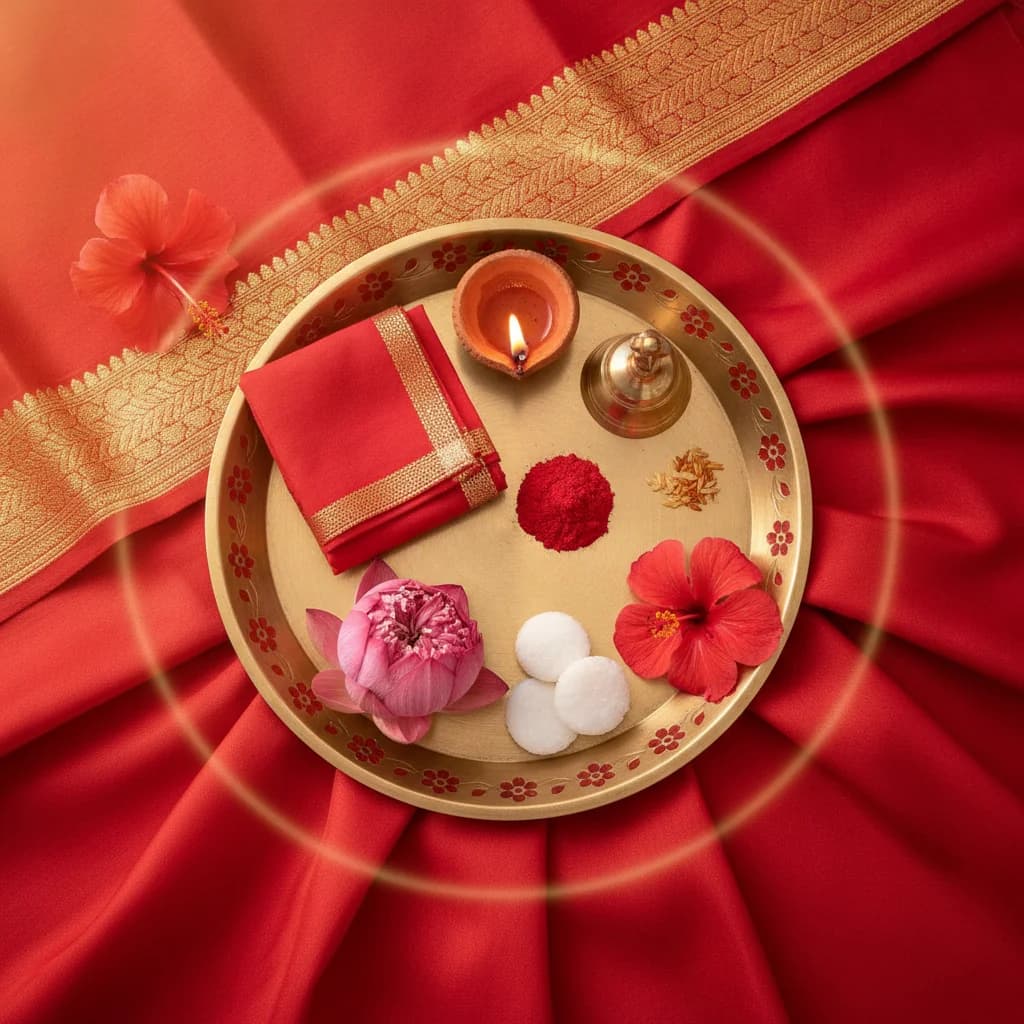
Every name you add is spoken in the yagya sankalp. Choose how many of your family it is taken for.
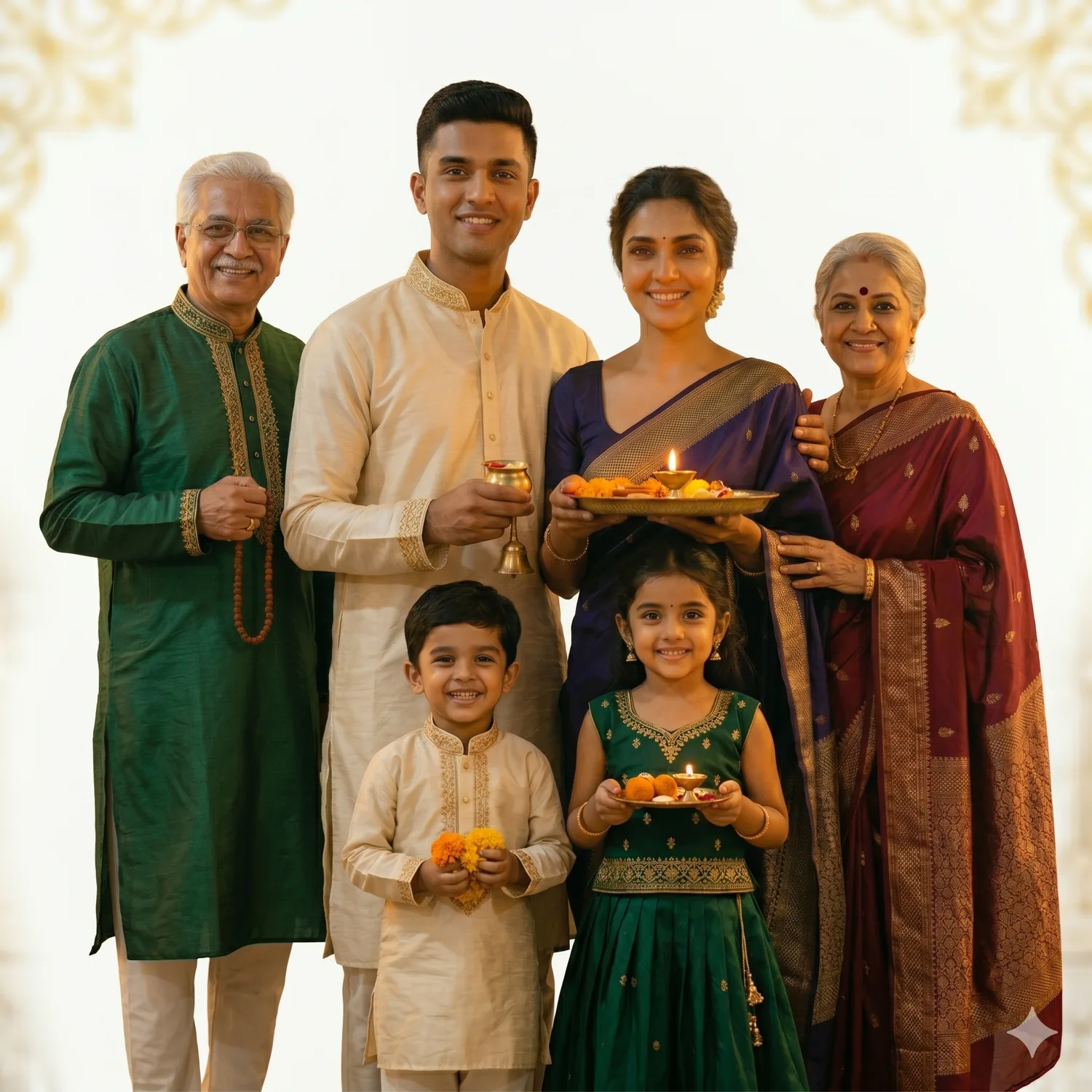



Many devotees add one of these alongside the puja, for gratitude, ancestral remembrance, or a simple act of giving.
Real moments from the sankalps, abhisheks and hawans our pandits have performed at the temples, taken from the puja videos.
Watch real puja & chadhava deliveries, sent to devotees on WhatsApp after completion.
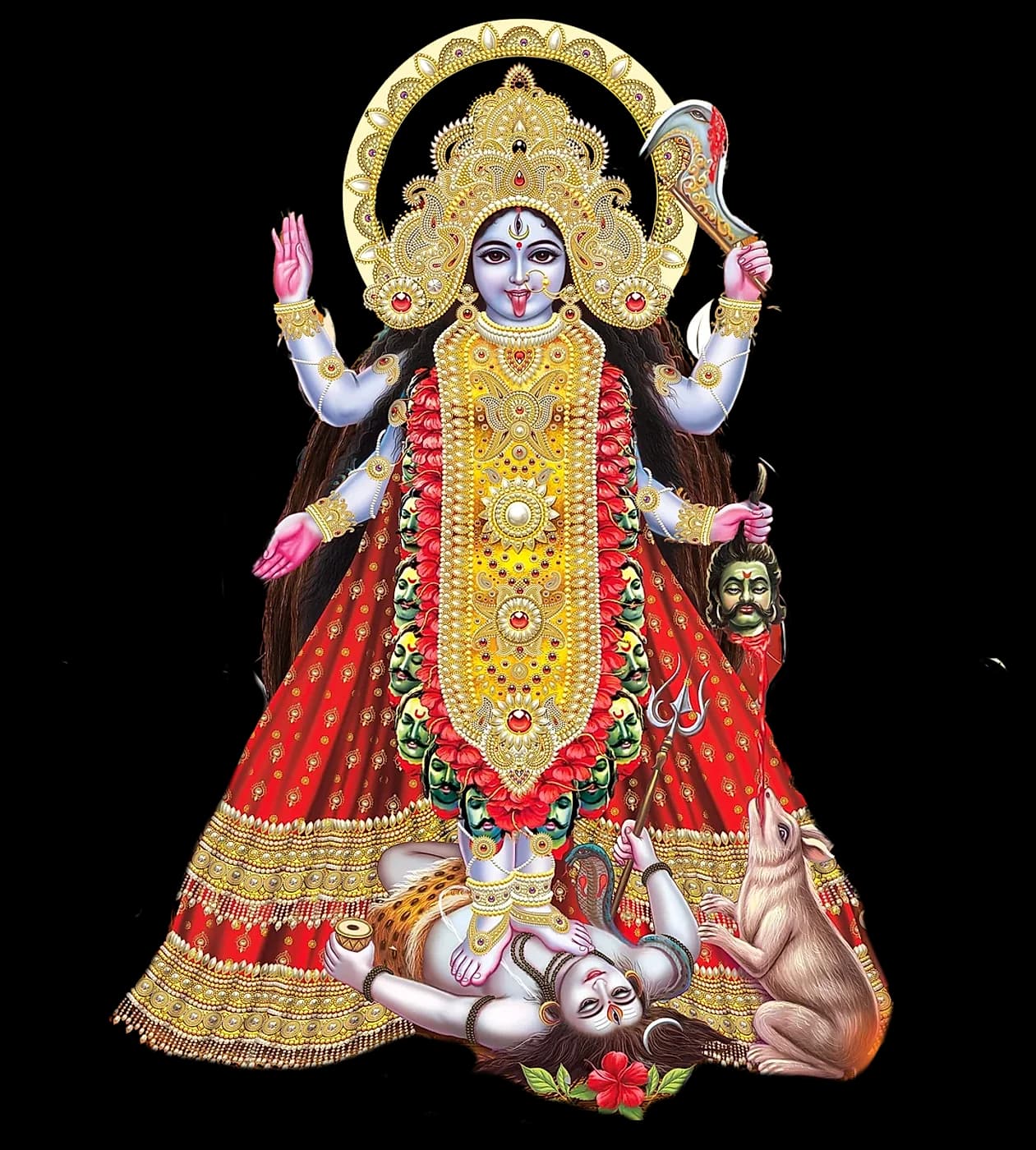
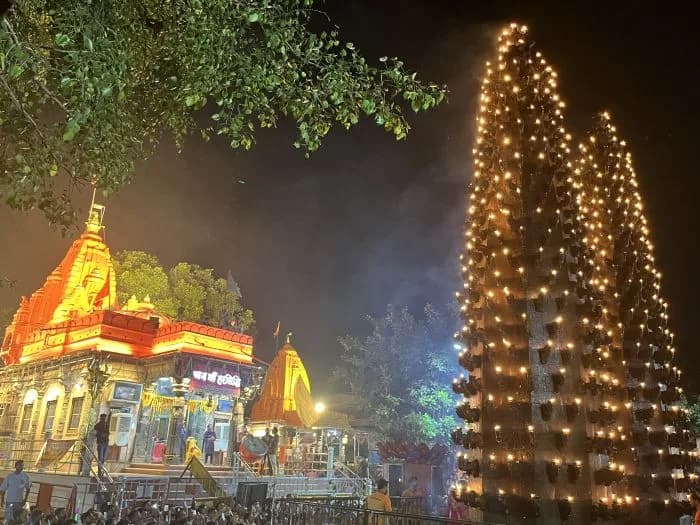
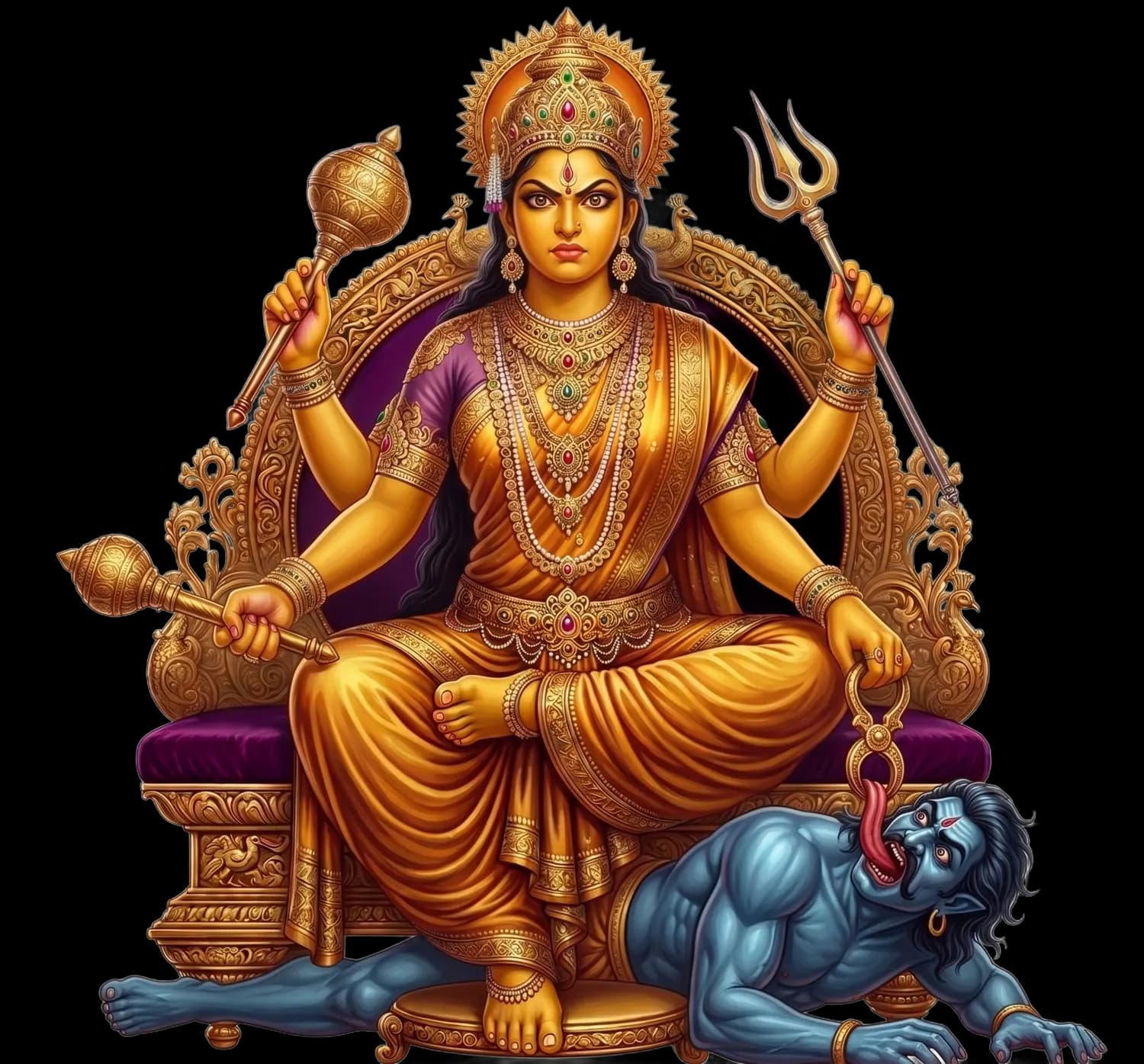
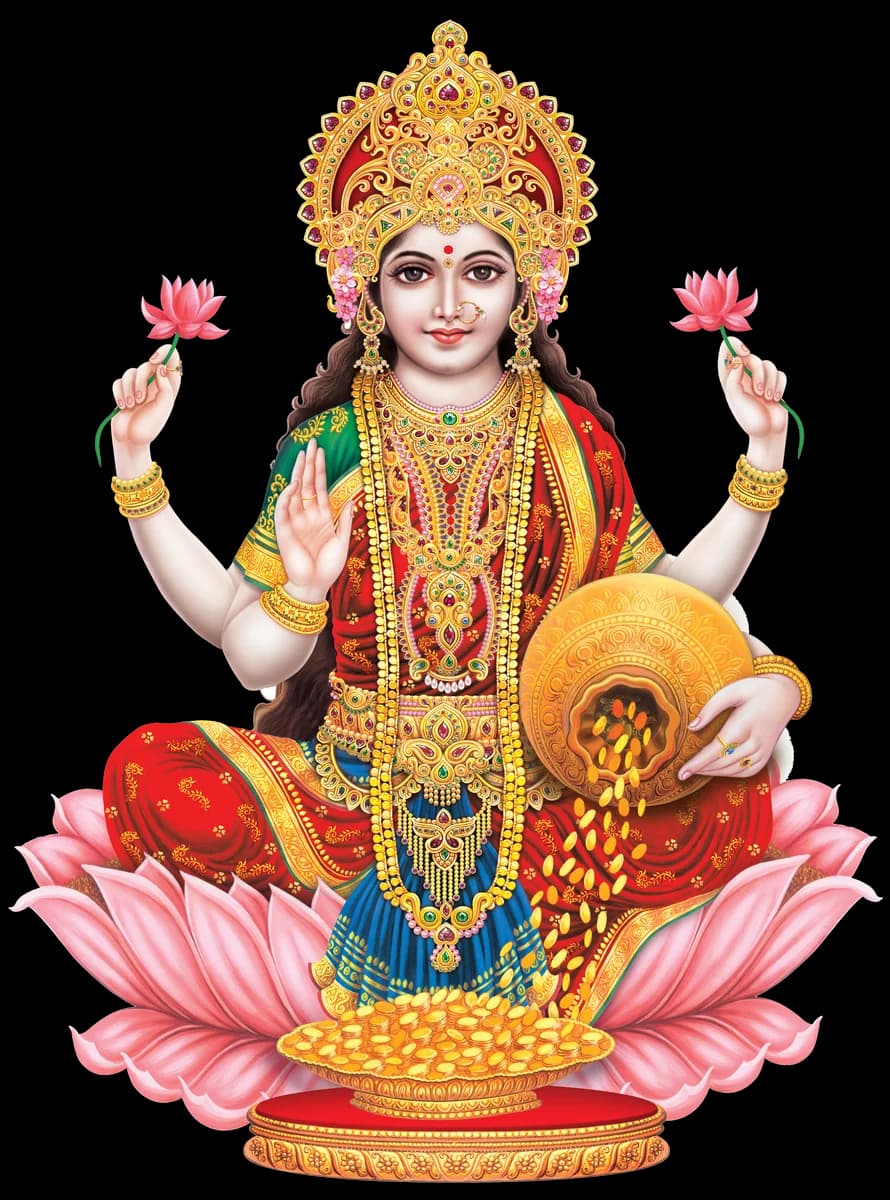
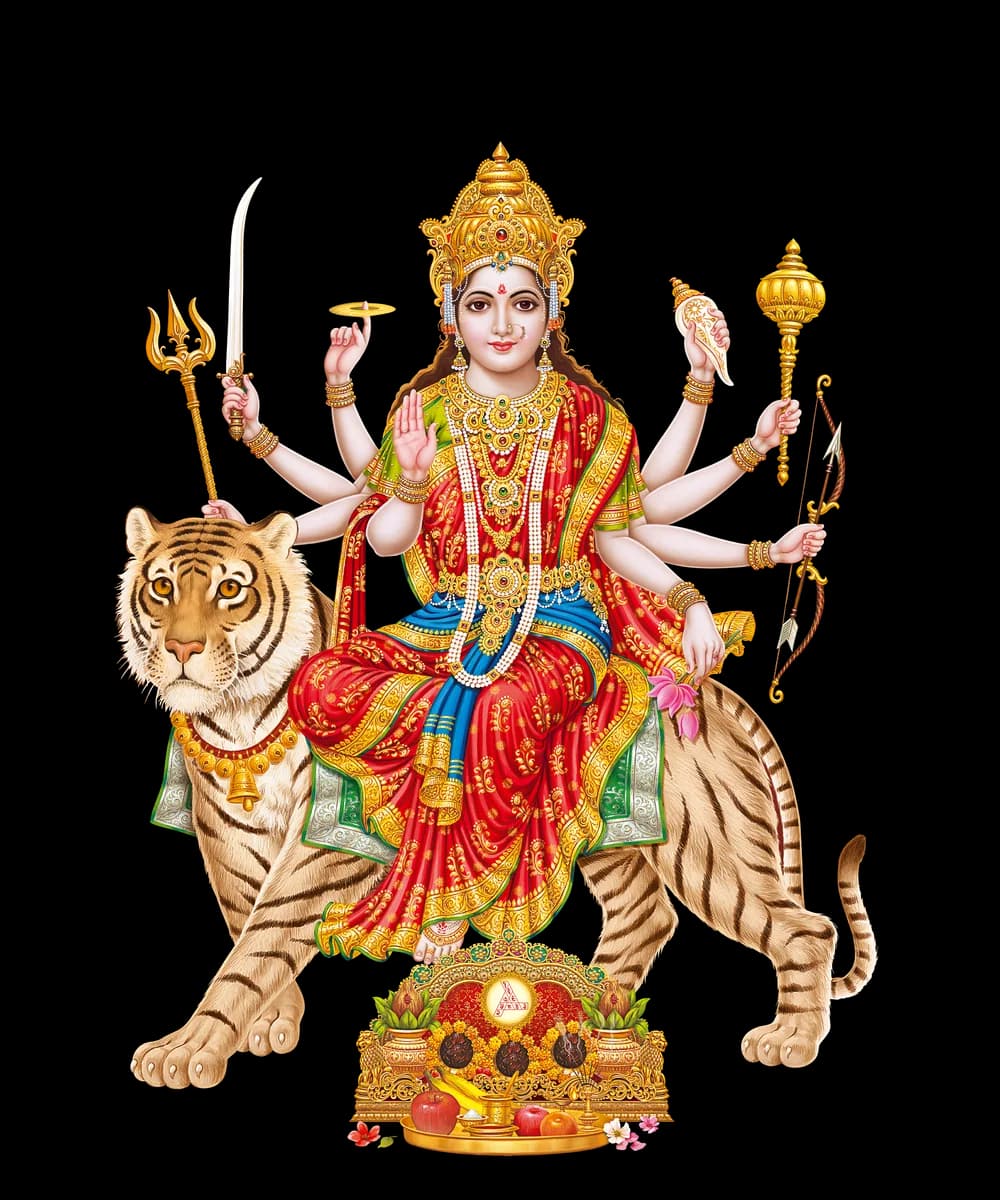
About Shri Harsiddhi Shaktipeeth KshetraBeside the Rudra Sagar in Ujjain, a short walk from Mahakaleshwar, stands the Shaktipeeth where Sati’s elbow fell. The Skanda Purana tells that Shiva summoned Chandi against the asuras Chand and Mund, and after she slew them named her Harsiddhi, the one who wins every siddhi. Vikramaditya worshipped her as his kuldevi; the Marathas raised the temple that stands today, its two deep-stambhs of lamps blazing at aarti. In her sanctum she does not sit alone: Mahalakshmi and Mahasaraswati are at her side, which is why the Ashtami that opens the sixteen-day Mahalakshmi Vrat belongs to this door. The Dhan-Vijay Yagya carries the Shri Suktam and the Durga Saptashati into the fire together, so that money stays and rivals are turned back in one sankalp.
 How the ritual is performed
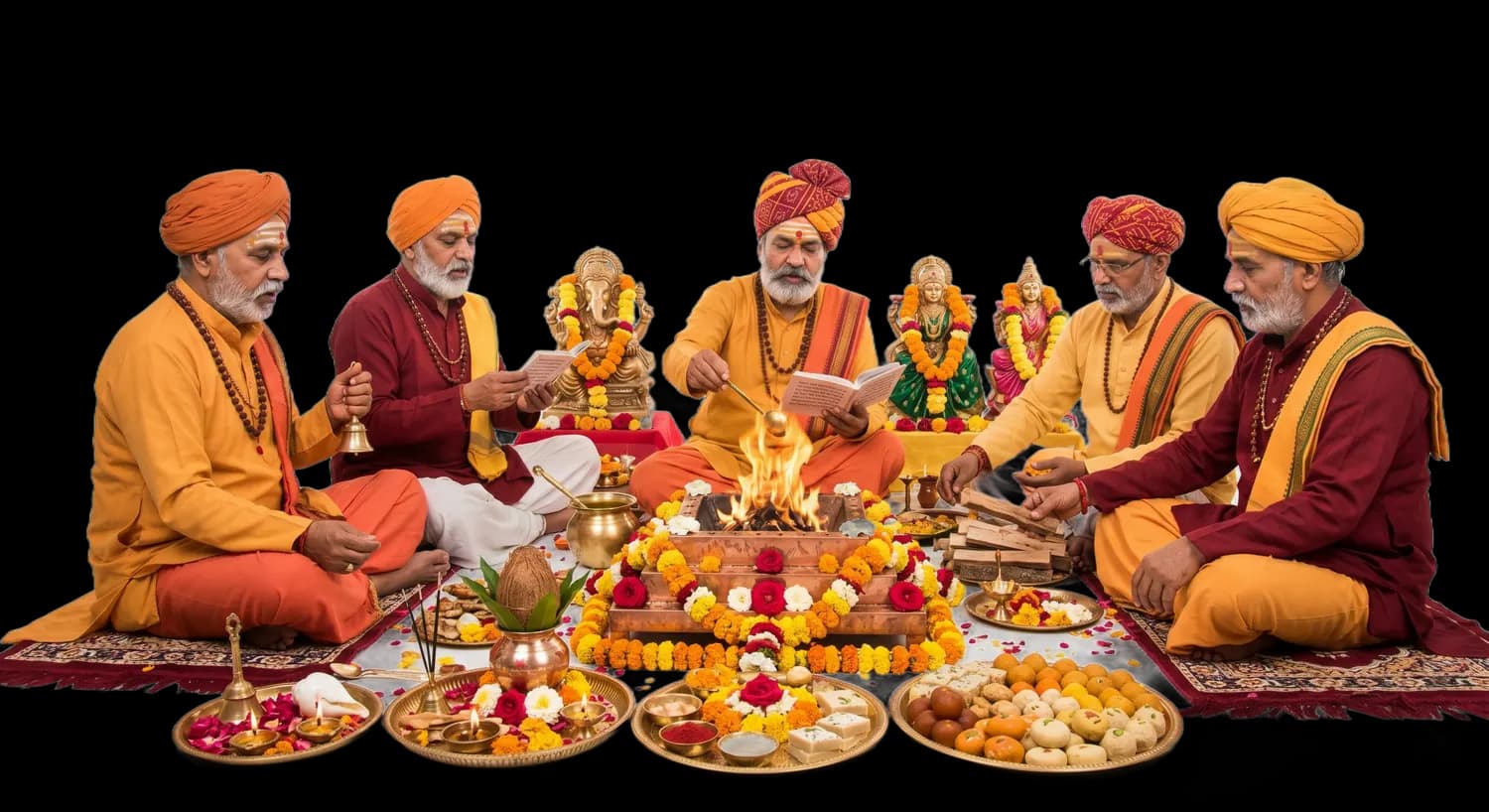
The Dhan-Vijay Yagya and your naam-gotra sankalp are carried at the Harsiddhi Shaktipeeth on Bhadrapada Shukla Ashtami, the day Mahalakshmi’s vrat opens.

 Why Divyachadhava
Devotees want the yagya carried with care, a clear ritual, a clear video, and a clear naam-gotra spoken before Harsiddhi Mata at Ujjain.

Bhadrapada Shukla Ashtami is the day the sixteen-day Mahalakshmi Vrat opens and a Durga Ashtami falls on it, so Lakshmi’s wealth and Durga’s victory are asked for together. At Ujjain that asking goes to Harsiddhi, the Shaktipeeth Devi who sits with Mahalakshmi and Mahasaraswati in one sanctum. On 19 September 2026, this once-a-year Ashtami, a Dhan-Vijay Yagya goes before her in your naam-gotra.