 Book Puja
 Special Puja
 Sanatan SahityaMy Account
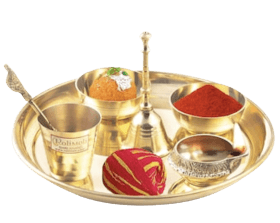
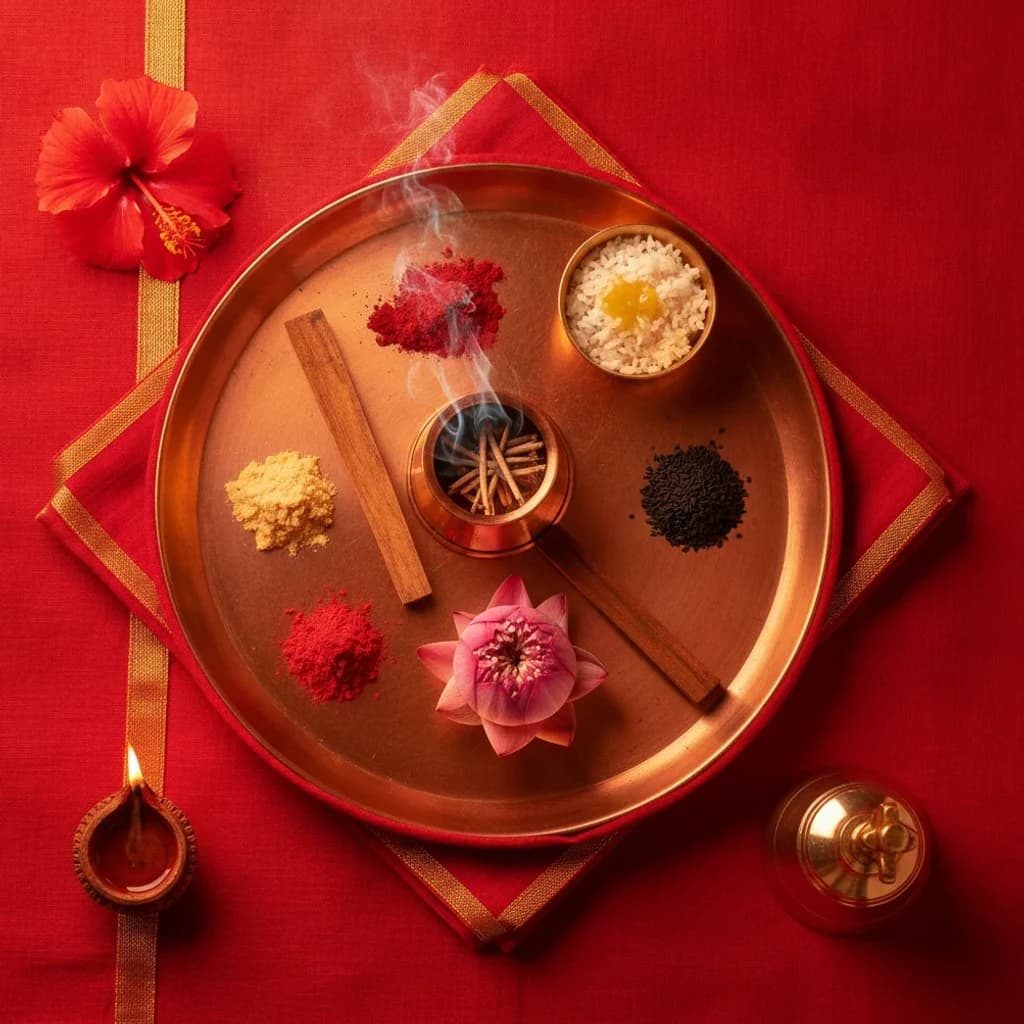
Each offering is carried in your name-gotra as part of the same ritual at the temple.
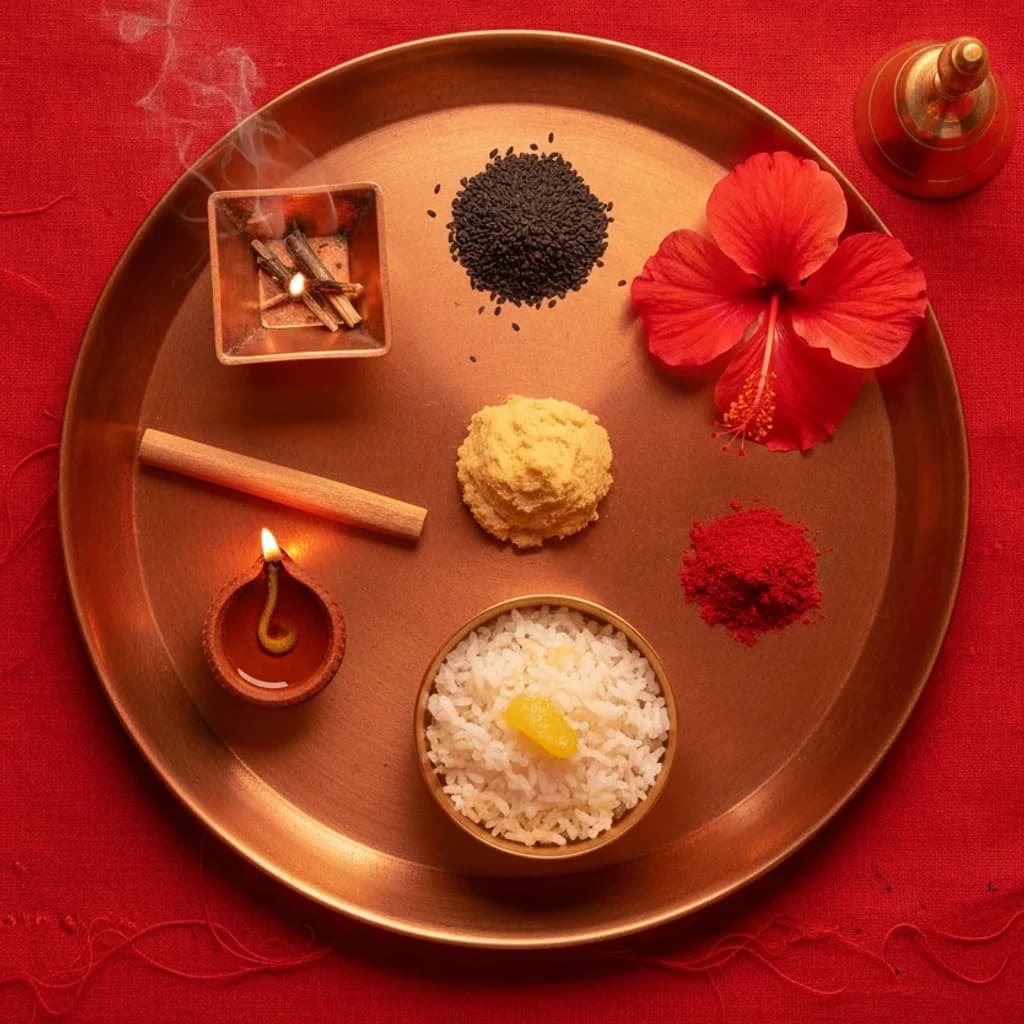
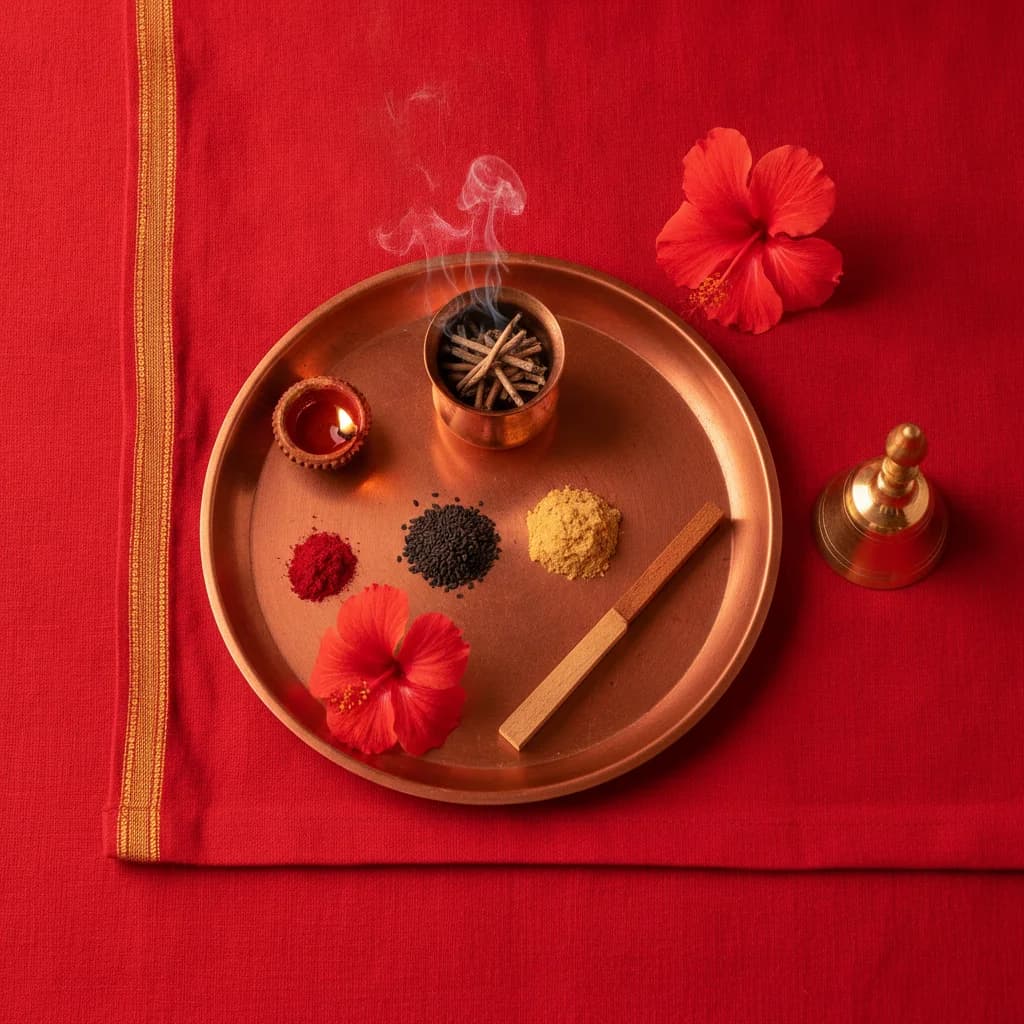
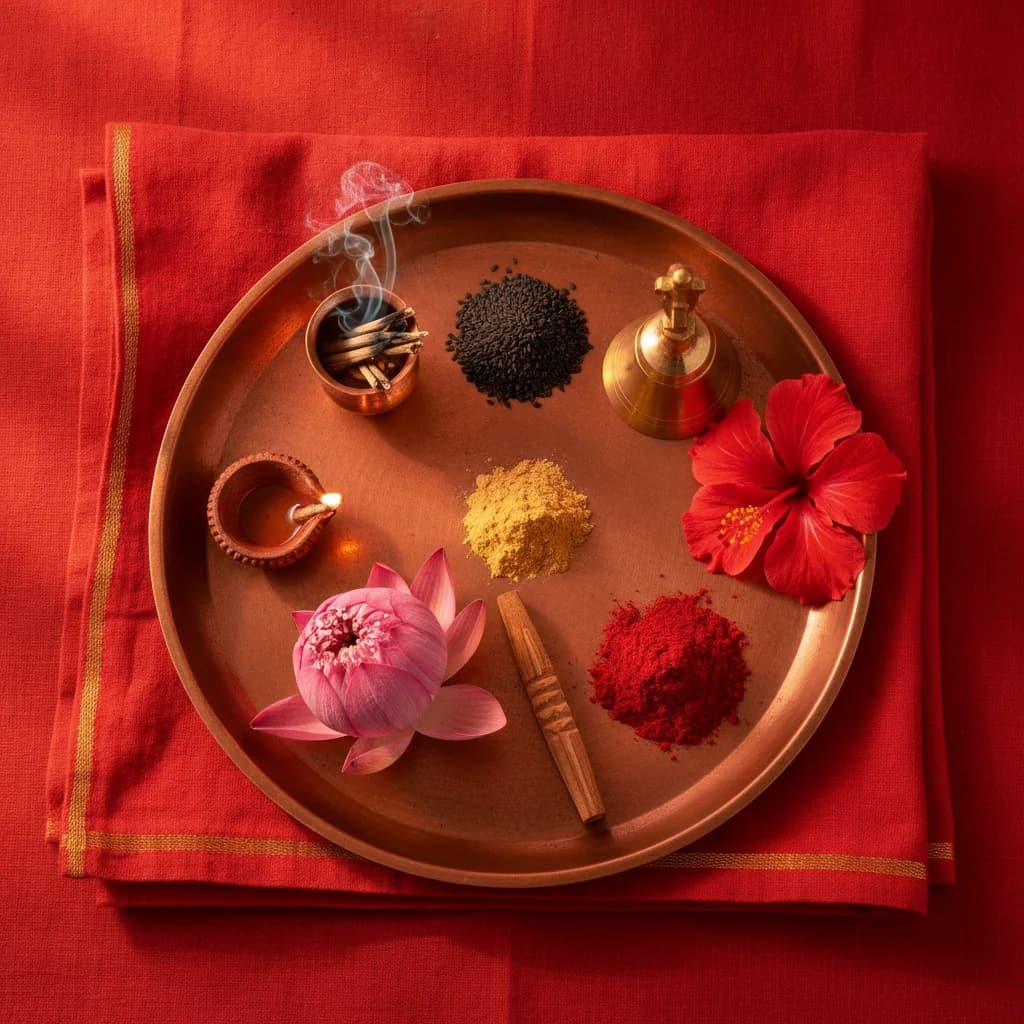
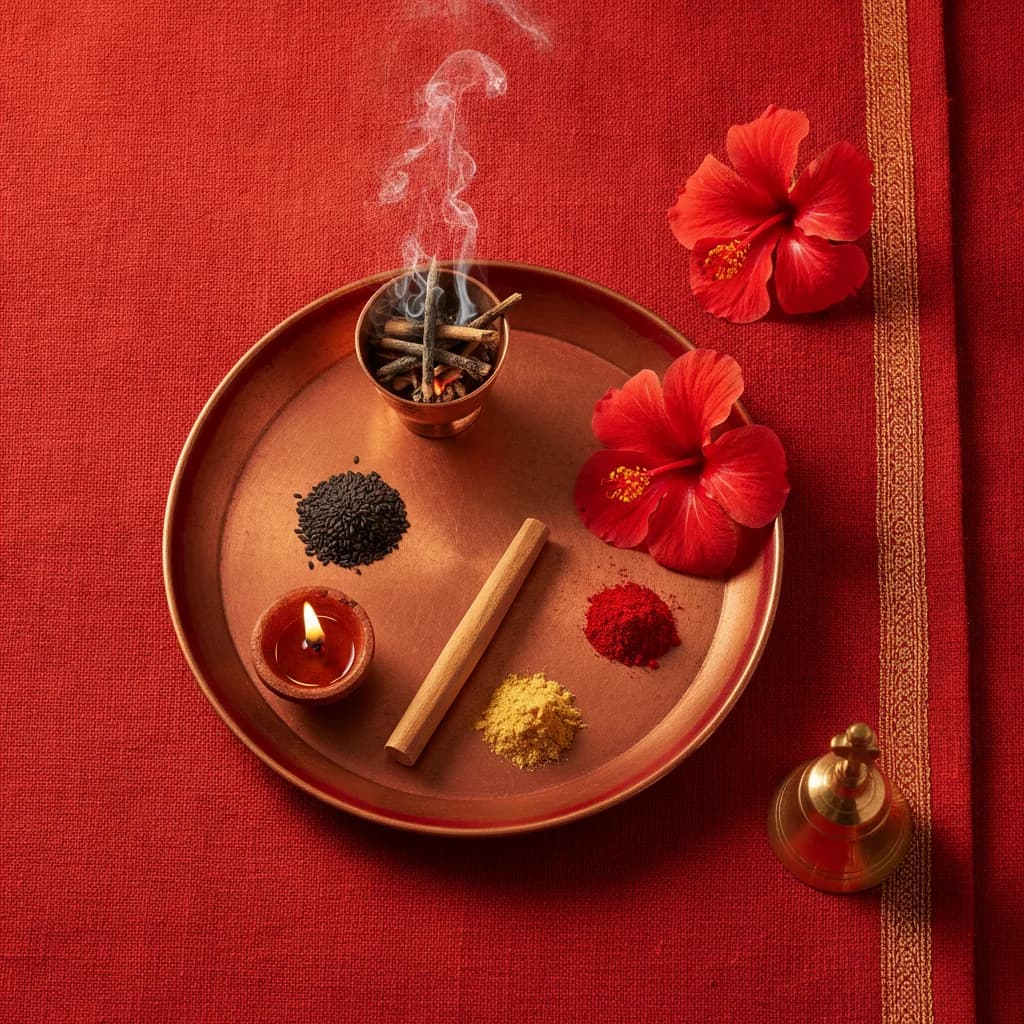
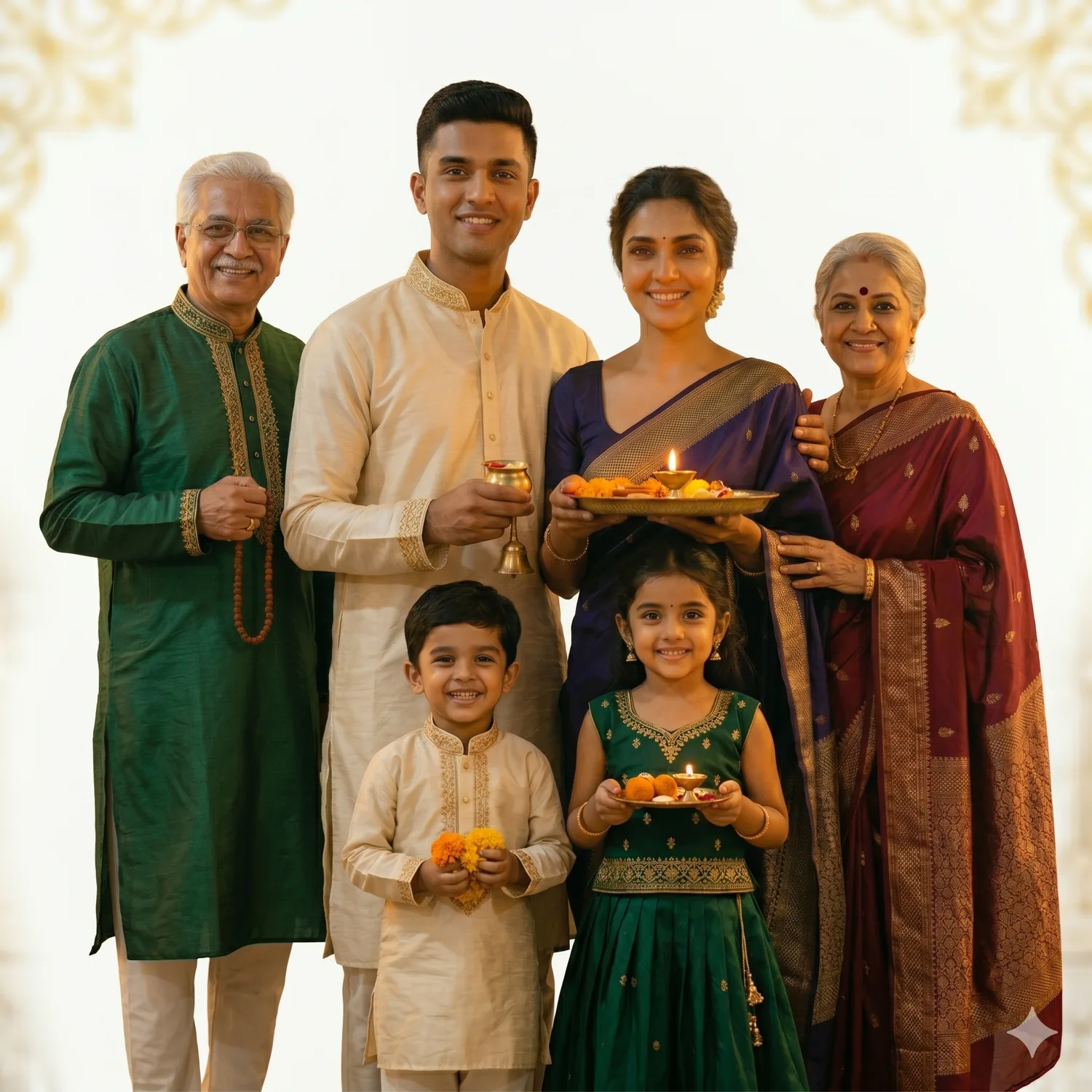
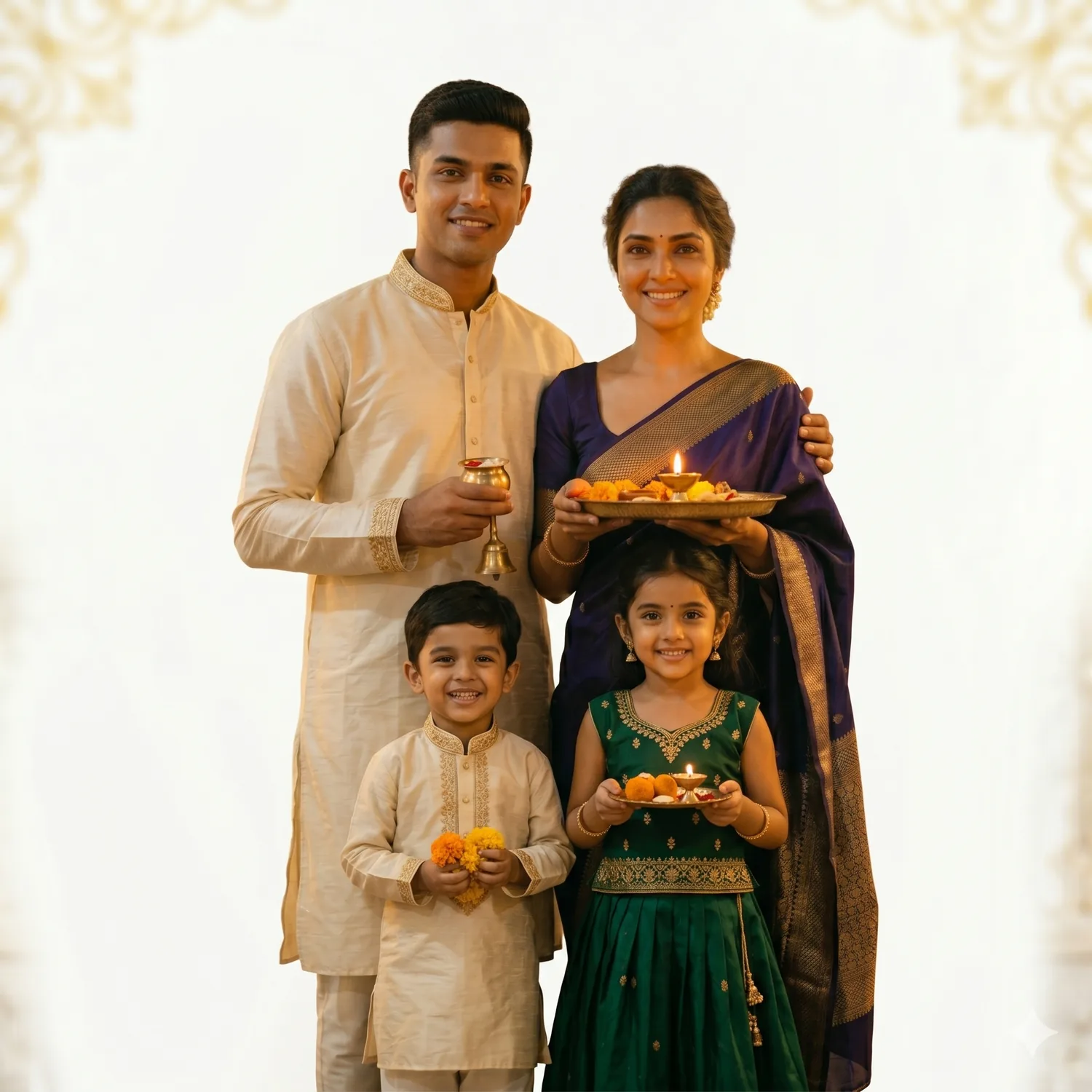
Every name you add is spoken in the hawan sankalp and the purnahuti. Choose how many of your family it is taken for.


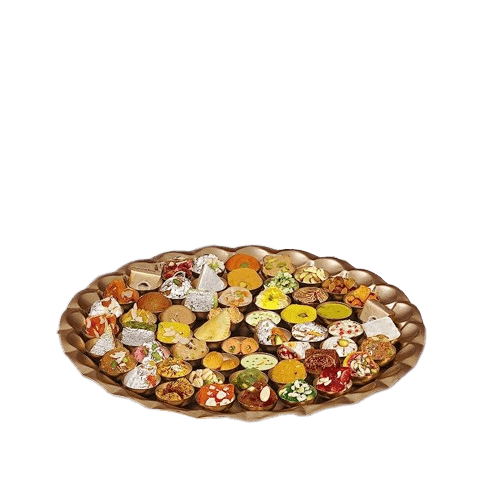
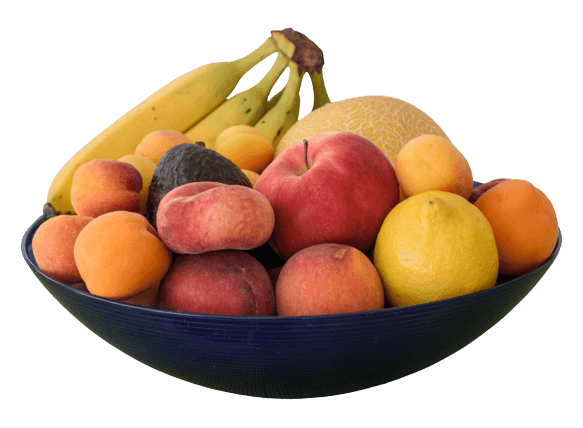
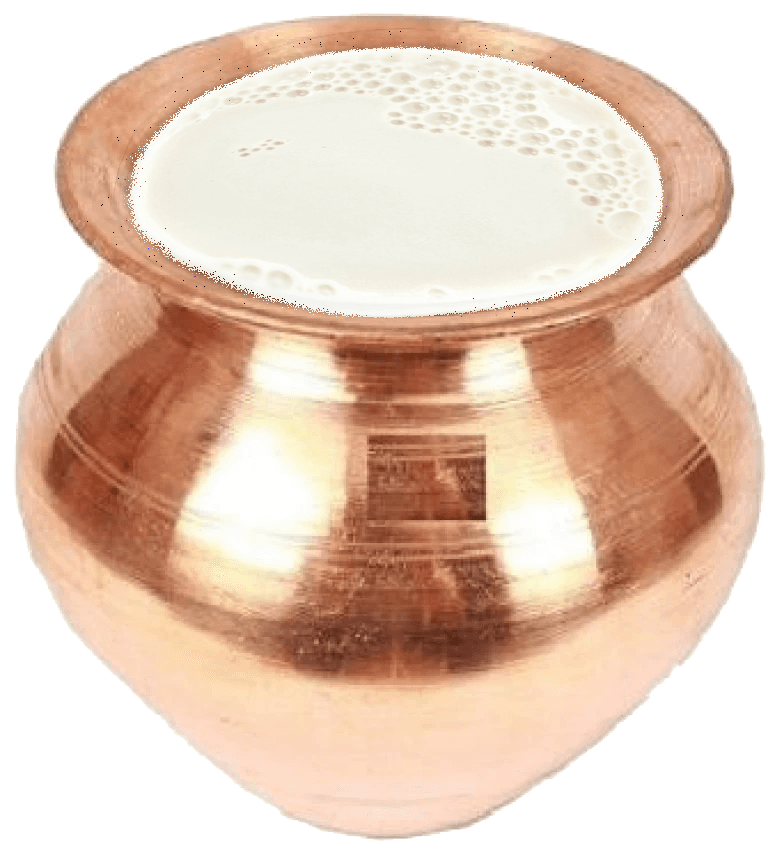
Many devotees add one of these alongside the puja, for gratitude, ancestral remembrance, or a simple act of giving.
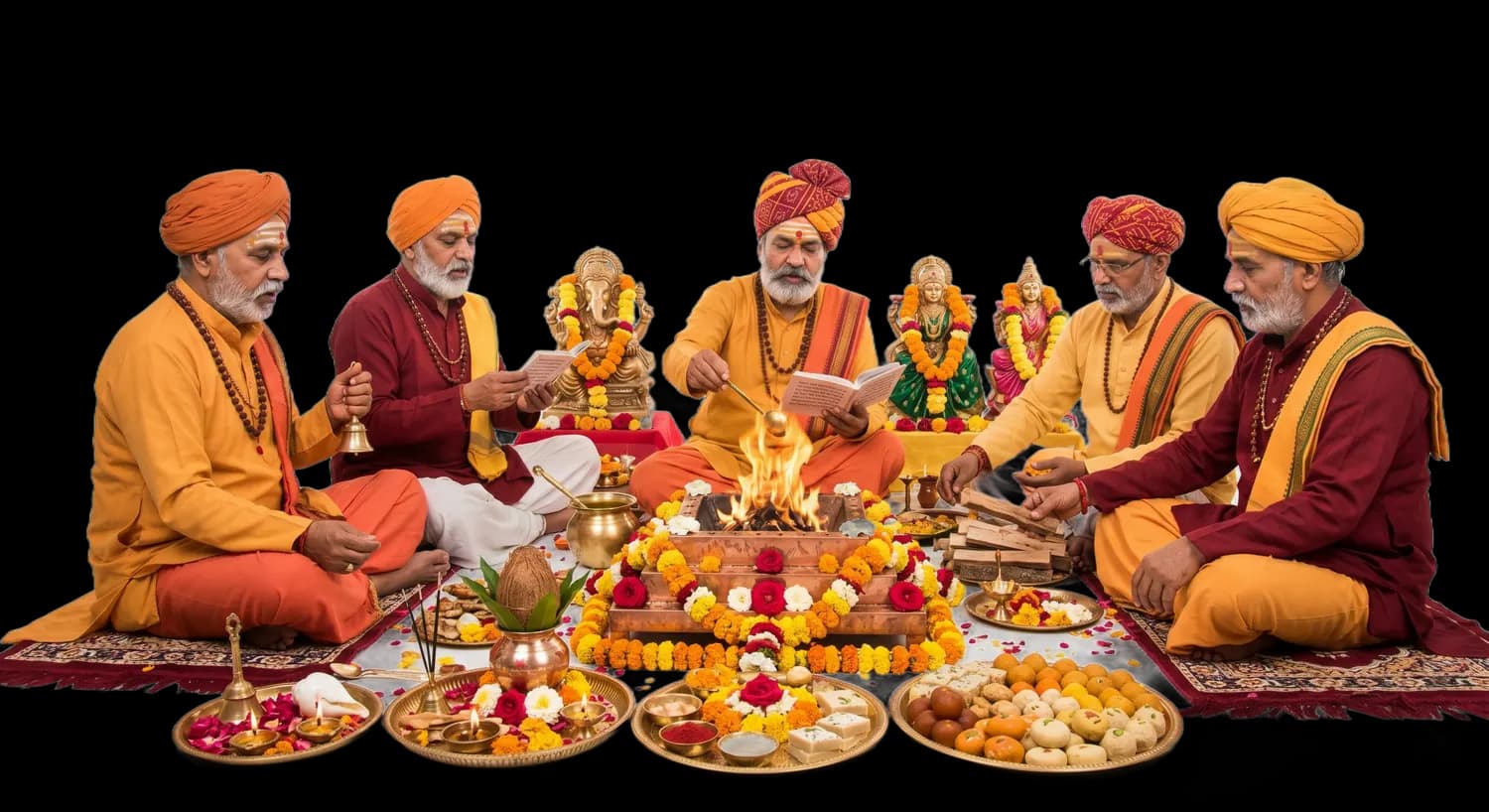
Real moments from the sankalps, abhisheks and hawans our pandits have performed at the temples, taken from the puja videos.
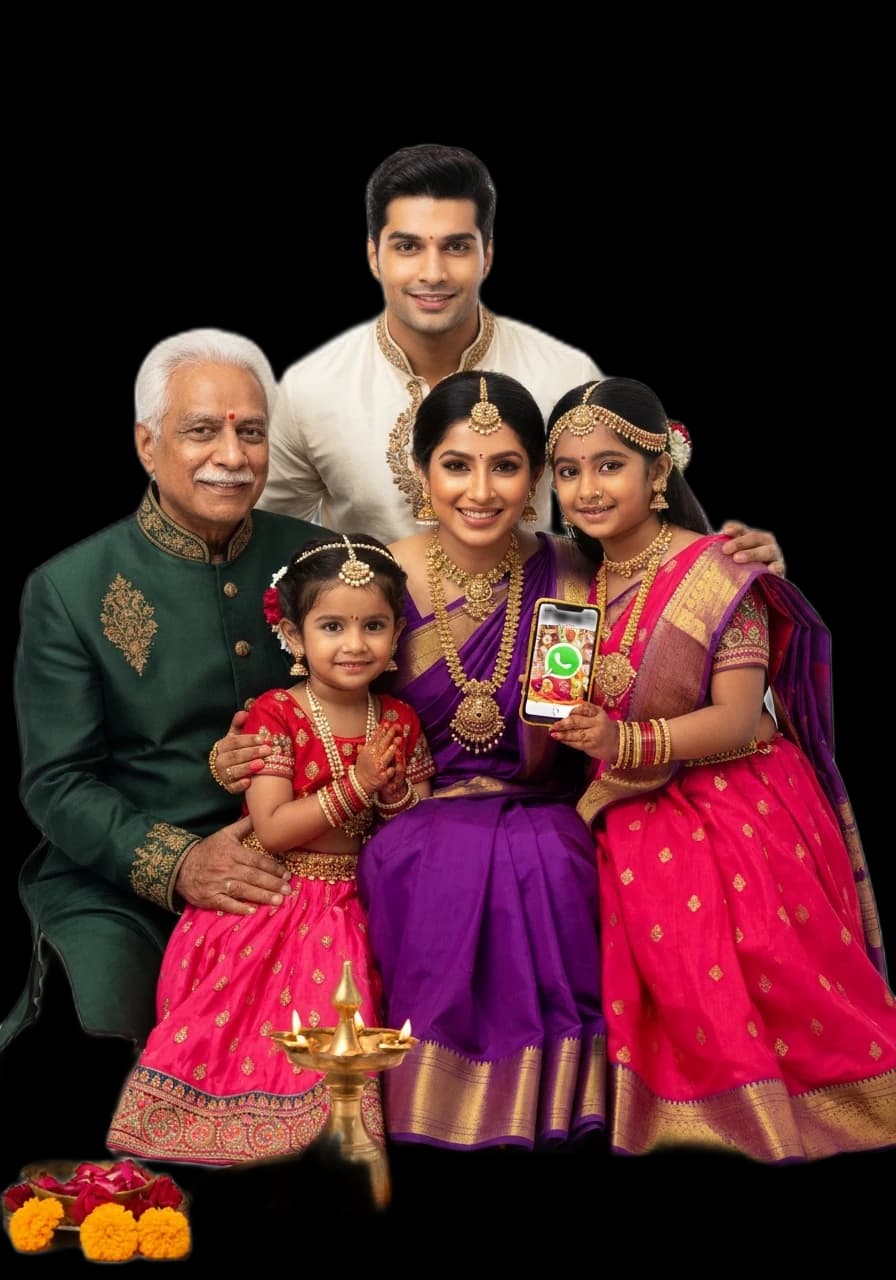
Watch real puja & chadhava deliveries, sent to devotees on WhatsApp after completion.
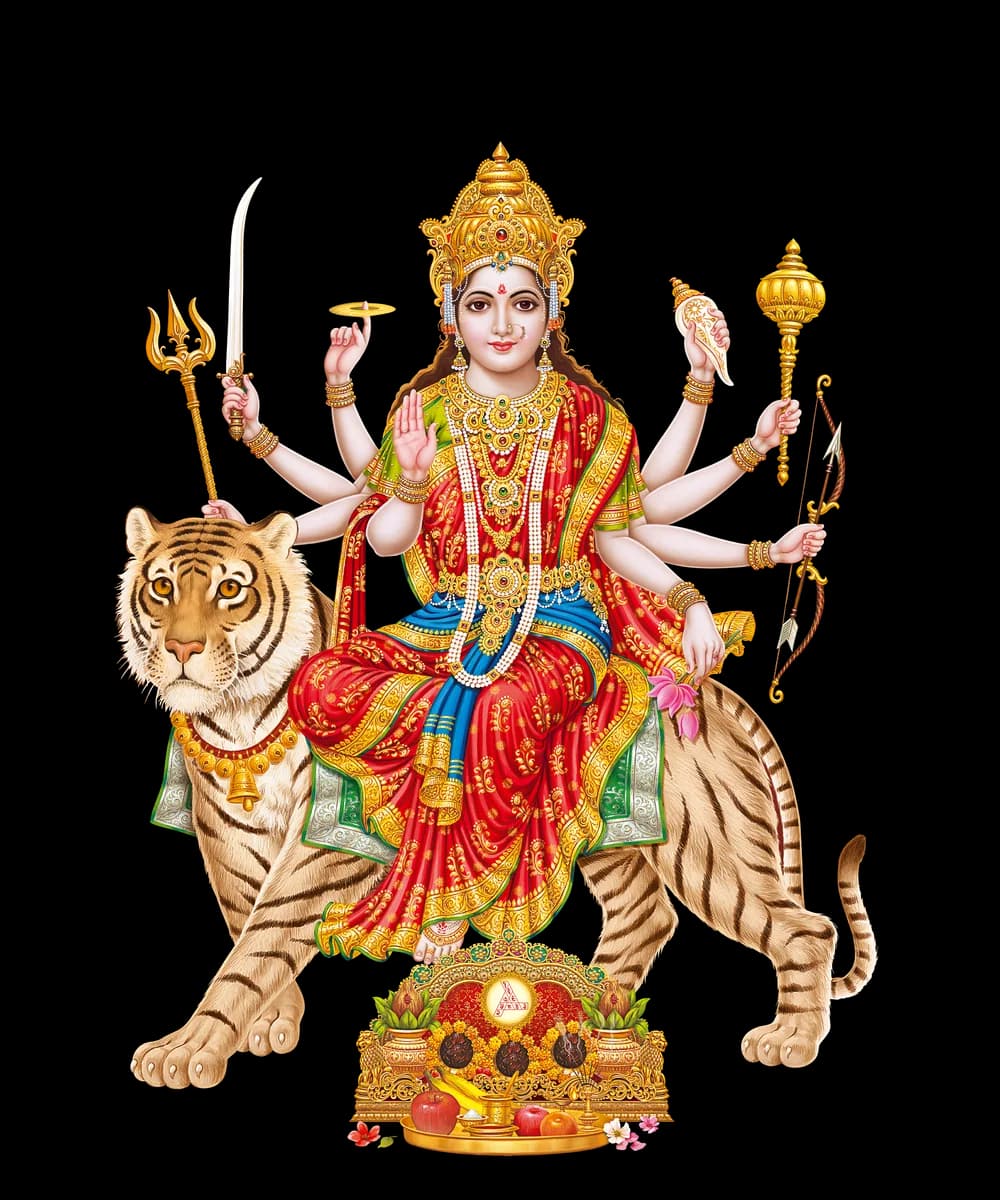
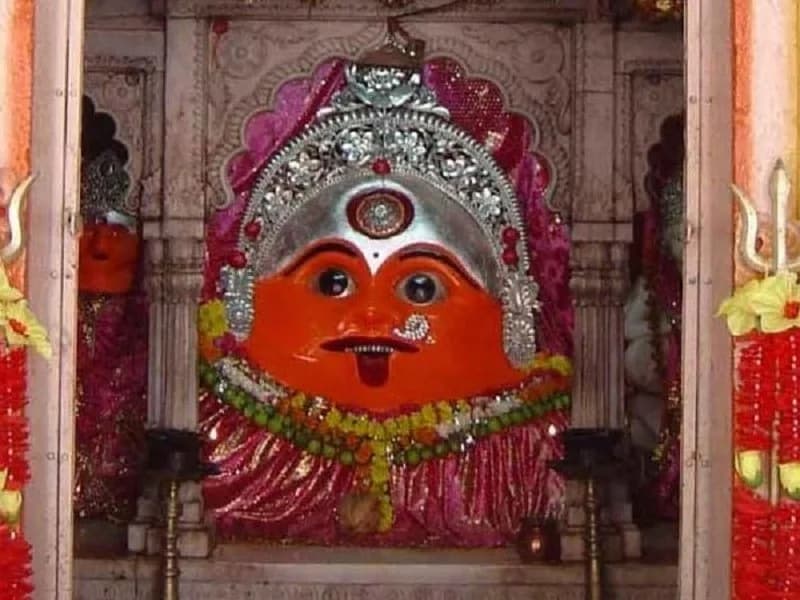
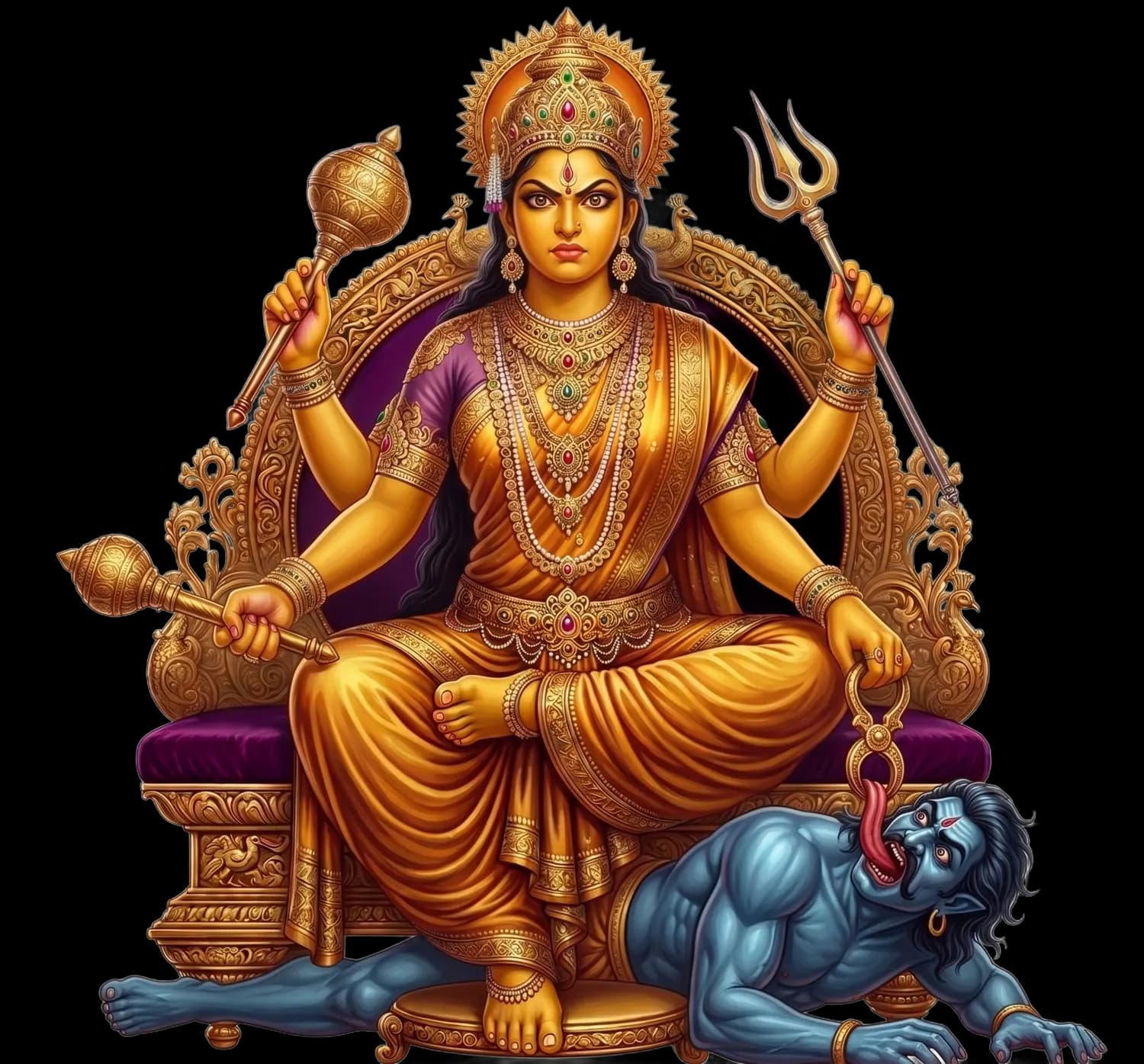
About Shri Gadkalika MandirShri Gadhkalika stands in Ujjain, a Shakti Peeth where the upper lip of Sati is held to have fallen, and the seat of Maa Kalika for the old city. The shrine takes its name from the gadh, the fort that once stood around it; it was rebuilt by Harshavardhana in the seventh century and renovated again under the Gwalior rulers, and it is remembered as the ishta-devi of the poet Kalidasa. Kalika is the Devi who ends what keeps coming back: in the Devi Mahatmya, when every drop of Raktabija’s blood raised a new demon, she drank them all before they fell. On Maha Navami, the closing day of Navratri, families bring her the troubles that multiply, and the purnahuti of the hawan is offered in their naam-gotra.
 How the ritual is performed
On Maha Navami the purnahuti hawan is carried at Gadhkalika in your naam-gotra, after the Navami tithi begins.


 Why Divyachadhava
Families want their names spoken in the closing offering, the hawan done after Navami begins, and the rite carried at Gadhkalika itself.
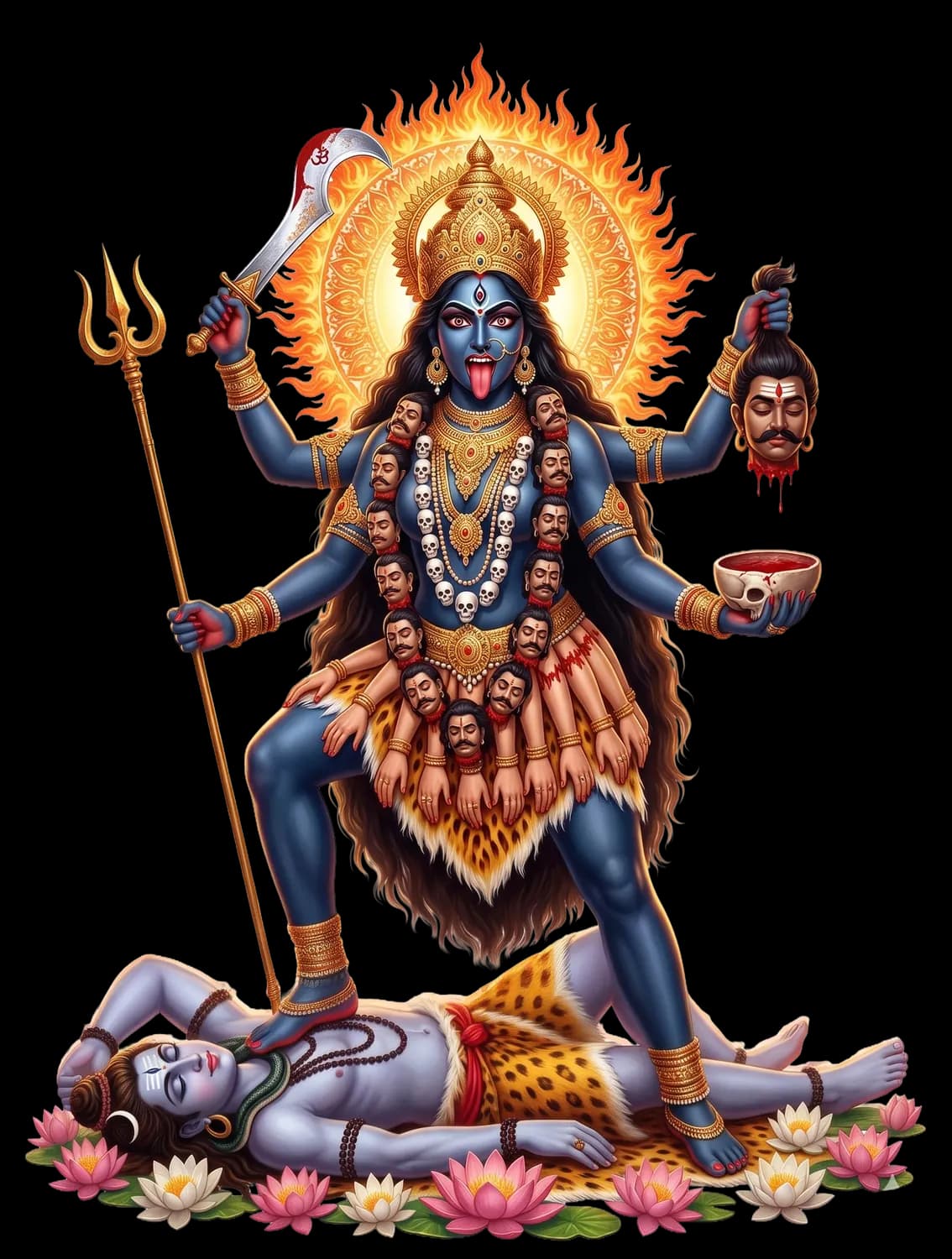
In the Devi Mahatmya, every drop of the demon Raktabija’s blood that touched the ground rose as a new demon, until Maa Kali drank each drop before it fell. Troubles at home multiply the same way. On Maha Navami, which comes once a year, the hawan at Gadhkalika in Ujjain is offered to her in your naam-gotra.