 Book Puja
 Special Puja
 Sanatan SahityaMy Account
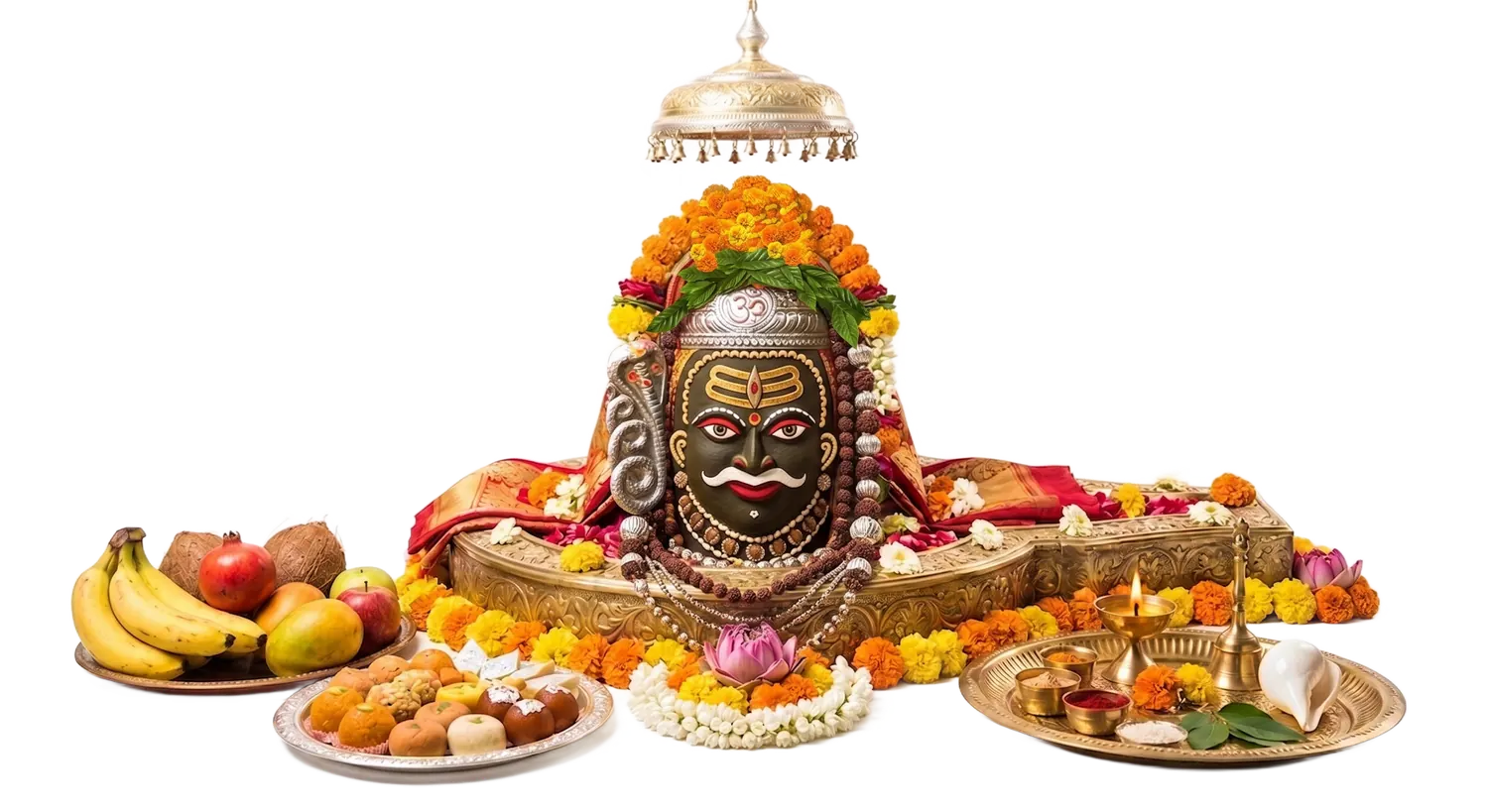
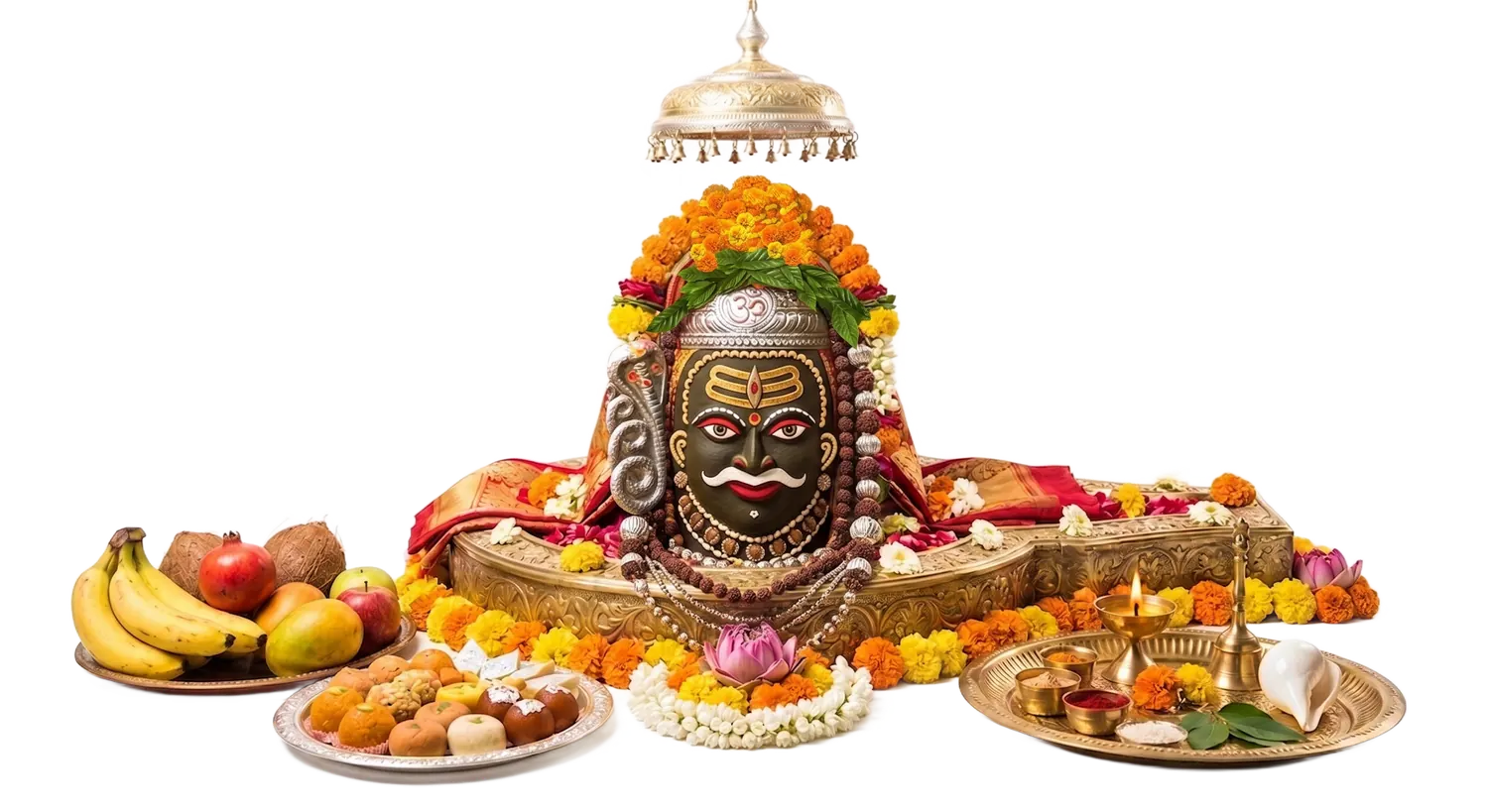
Chadhava is what you place before the deity — the chunri, the nariyal, the sindoor, the bel patra, the chola, the bhog. It is the simplest and oldest form of devotion, and it is the first thing most families offer when they reach a temple.
Offering chadhava online means the dravya is bought fresh at the Kshetra, placed before the deity in your naam and gotra by the acharya, and recorded. Divyachadhava arranges this at more than 24 temples across Bharat, and the video reaches your WhatsApp once the offering is complete.
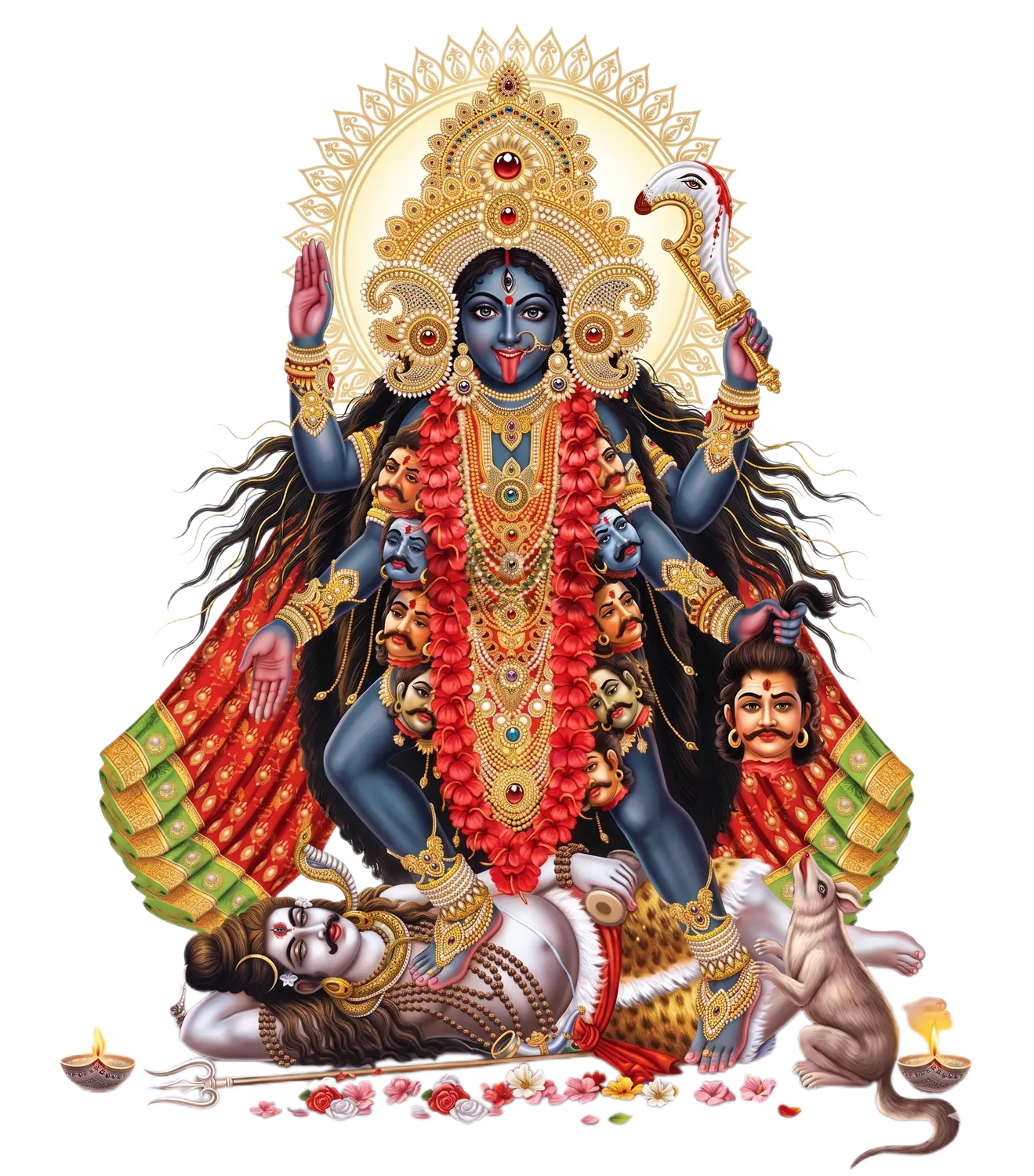
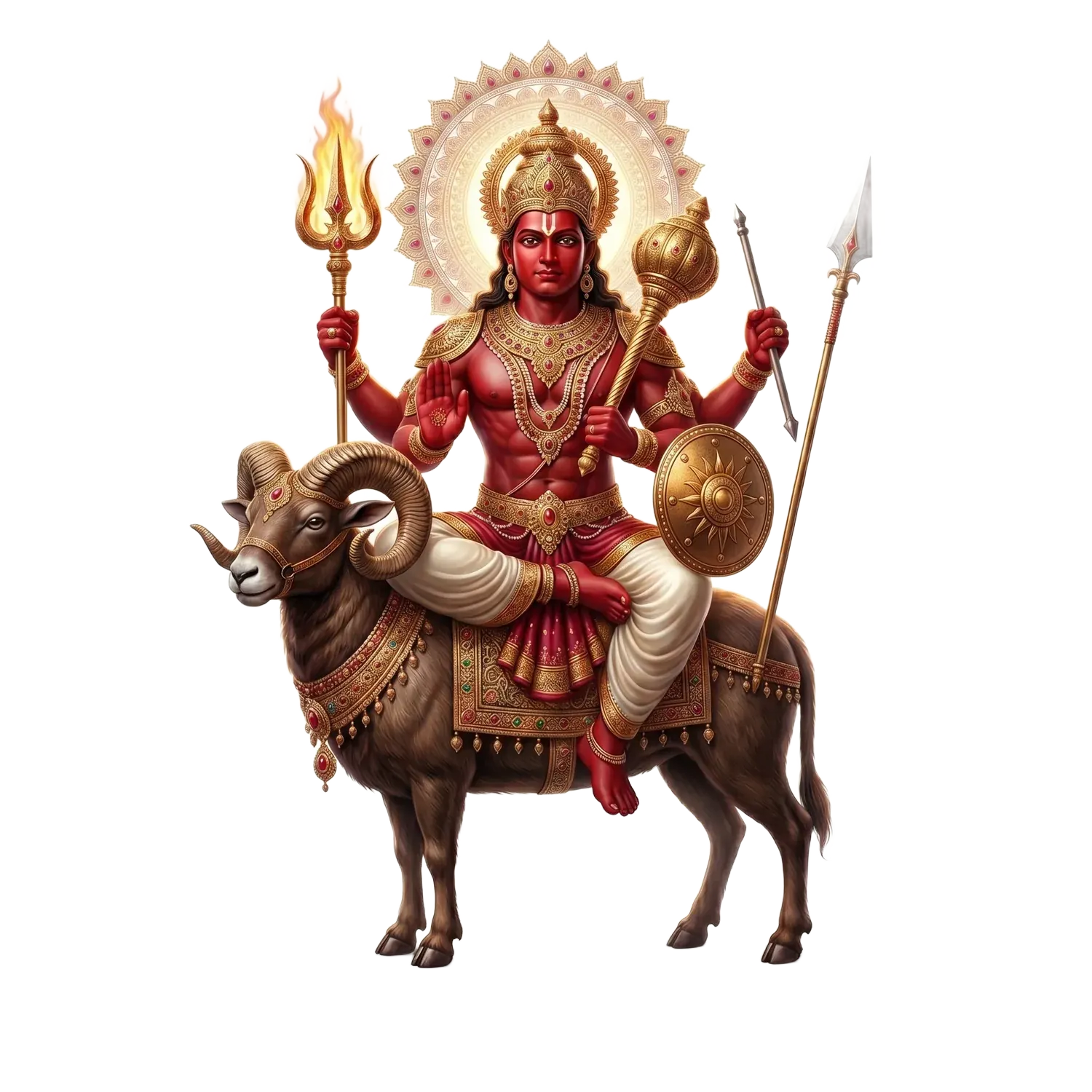
Each chadhava is made of the dravya that belongs to that deity. Sindoor and chola for Hanuman ji. Bel patra, dhatura and Ganga jal for Bhole Baba. Chunri, nariyal and shringaar for Maa. Modak and durva for Pratham Pujya. Peda and chandan for Shyam Baba.
You are not choosing from a generic list. Every seva page names exactly which dravya will be offered, at which temple, on which tithi.
A chadhava is an offering placed before the deity, with the sankalp taken in your name. A puja or anushthan is a longer vidhi — mantras recited to a prescribed count, hawan where the seva calls for it, and a set sequence the acharya follows from beginning to end.
Many devotees begin with a chadhava on a festival tithi, and take up a fuller anushthan when a specific difficulty needs addressing. Both are offered here, and both carry the same naam-gotra sankalp and the same video proof.
Shri Mahakaleshwar and Shri Kaal Bhairav at Ujjain, Khatu Shyam ji at Sikar, Kalighat Shakti Peeth at Kolkata, Rameshwaram, Har Ki Pauri at Haridwar, Banke Bihari at Vrindavan, Vishnupad at Gaya, Tarapith, Trimbakeshwar at Nashik and others.
Some chadhava sevas are tied to a festival tithi and open only around that date; others are year-round. The browse page shows what is open today.
After the chadhava is placed, an HD video is recorded and sent to your WhatsApp — generally within 24 hours. You will hear the sankalp carrying your naam and gotra.
We do not claim any direct affiliation with any temple or its trust. What we do claim is that the dravya was offered, in your name, at that Kshetra, and the recording shows it.
Chadhava is the offering placed before a deity — cloth, coconut, sindoor, bel patra, sweets or the specific dravya that belongs to that deity. It is the most direct form of devotional offering and the one most families make when they visit a temple.
Choose the chadhava seva at the temple you wish, enter your naam and gotra, and complete the payment. The dravya is bought fresh at the Kshetra and placed before the deity in your name by the acharya on the appointed tithi.
It is actually offered. The dravya is physically purchased and placed before the deity, and the HD video sent to your WhatsApp shows the offering with your sankalp being spoken.
Chadhava sevas begin at a modest amount and rise with the number of dravya included and the scale of the offering. Each seva shows its price and its full contents before payment.
Yes. You can enter the naam and gotra of any family member, and the sankalp will carry their name. Many devotees offer on behalf of parents, children, or the whole household.
Browse the chadhava sevas open for booking today across Bharat’s Teerth Kshetras.