 Book Puja
 Special Puja
 Sanatan SahityaMy Account
Each offering is carried in your name-gotra as part of the same ritual at the temple.
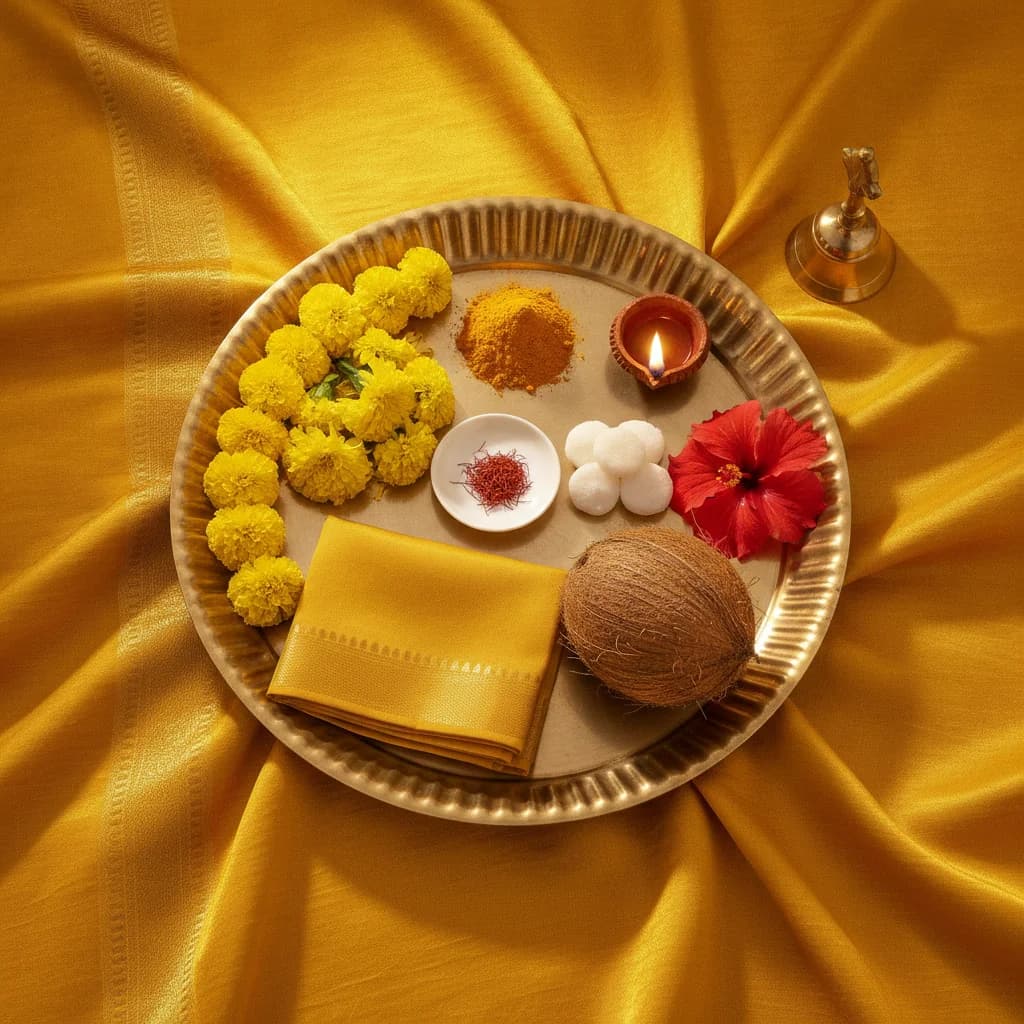
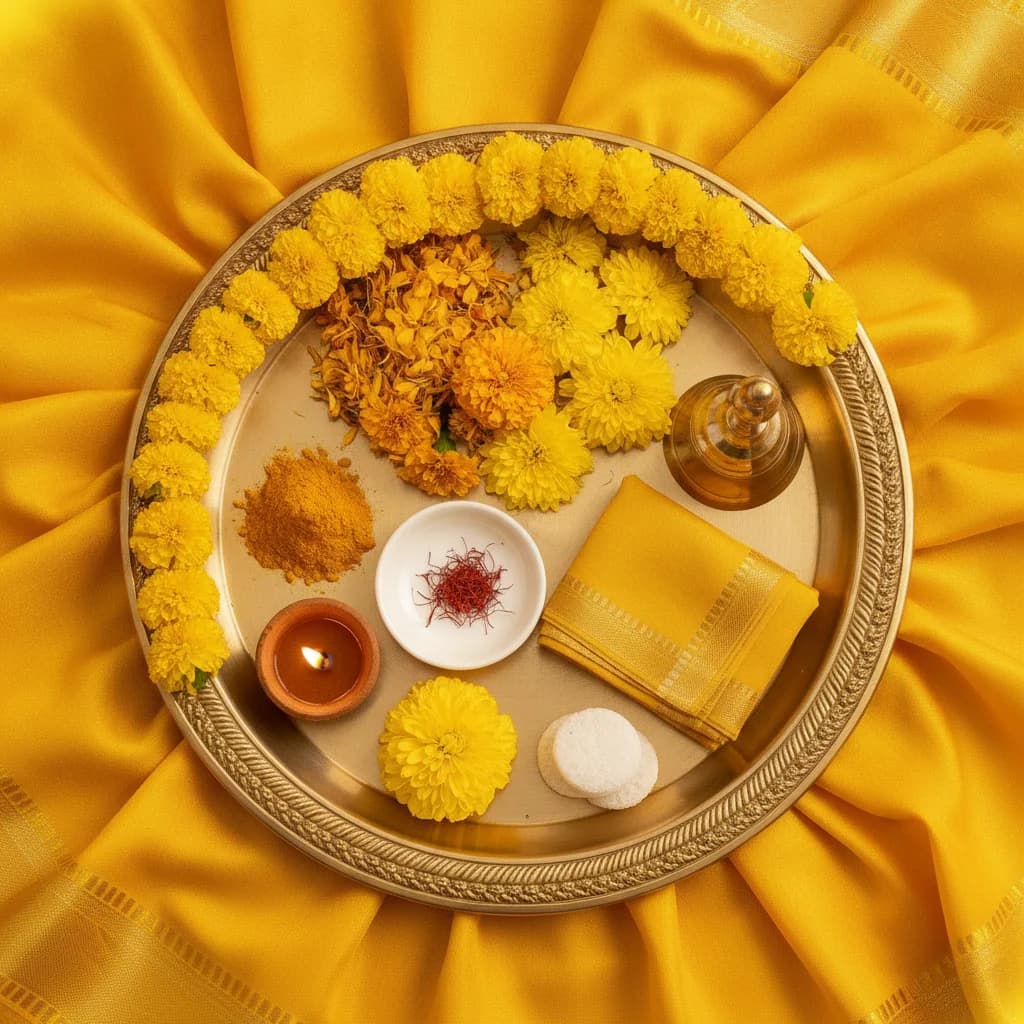
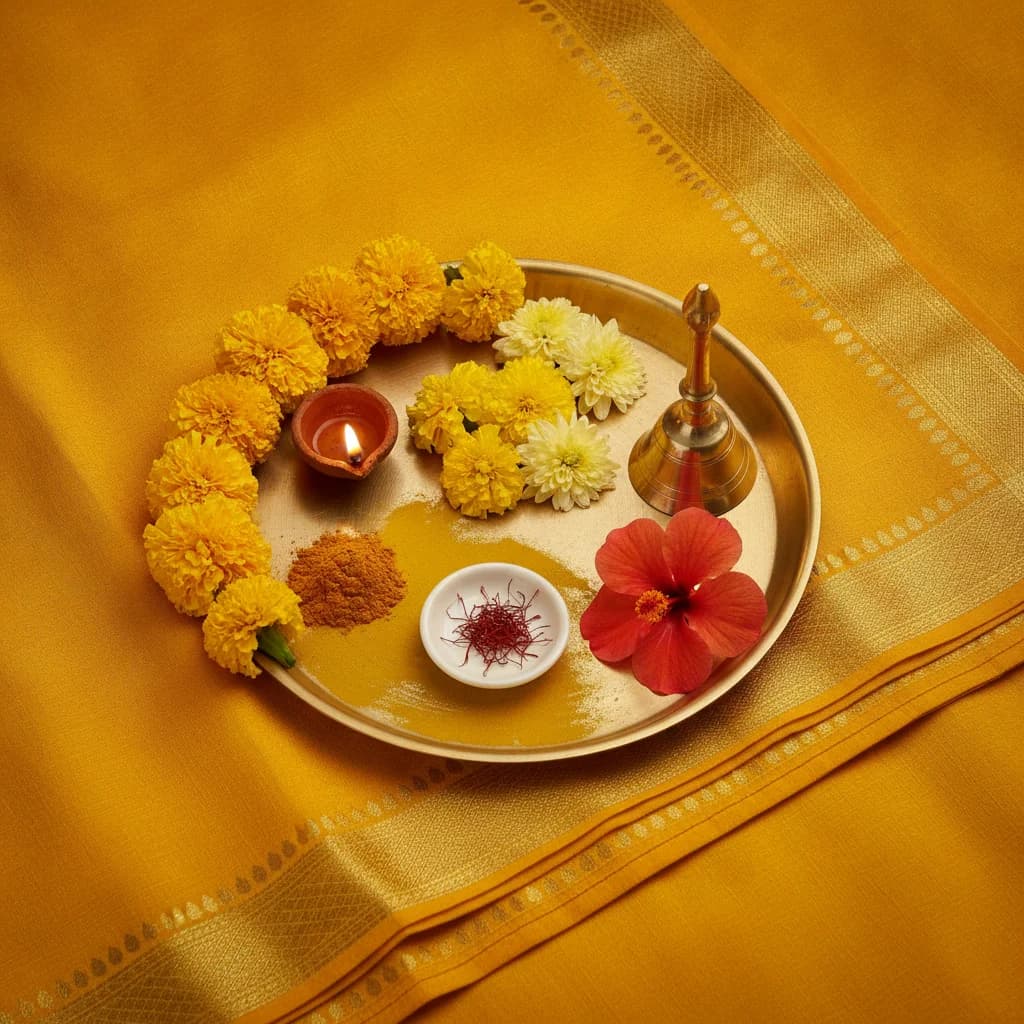
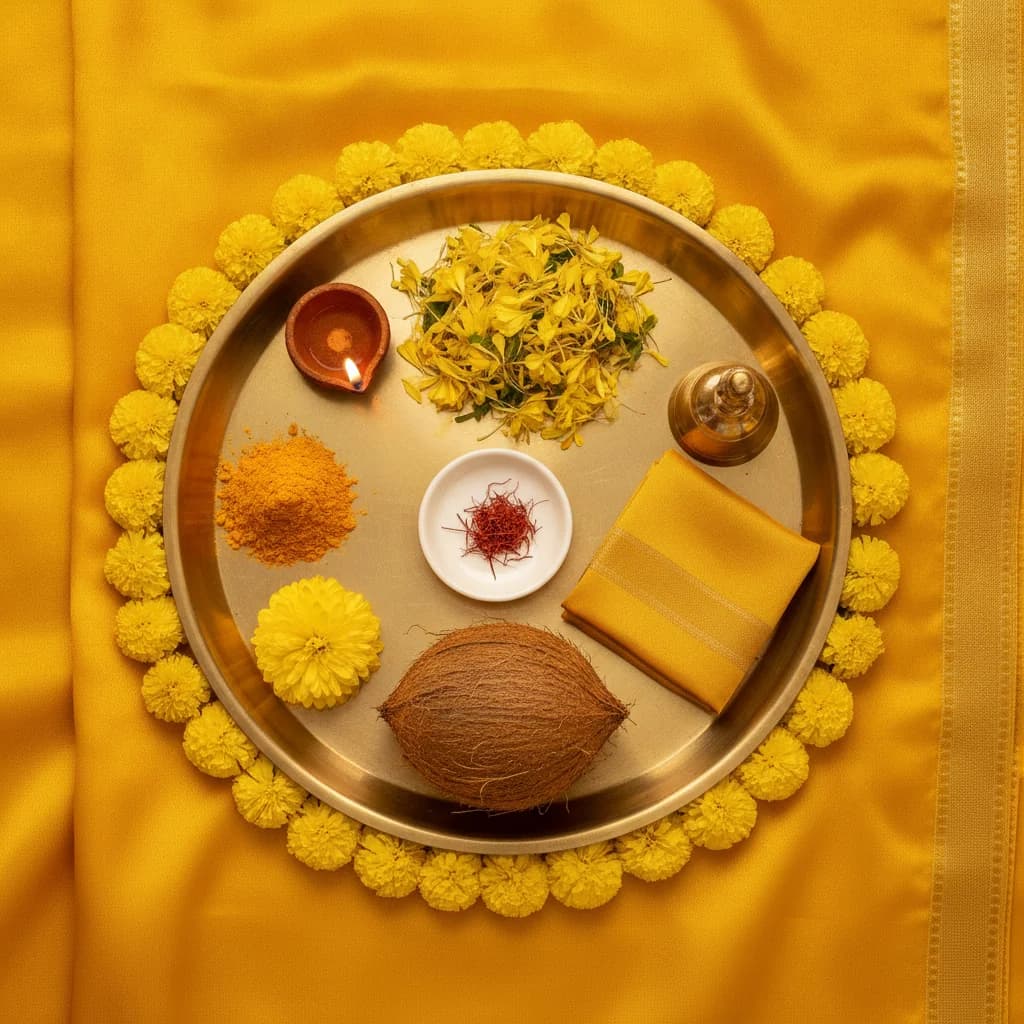
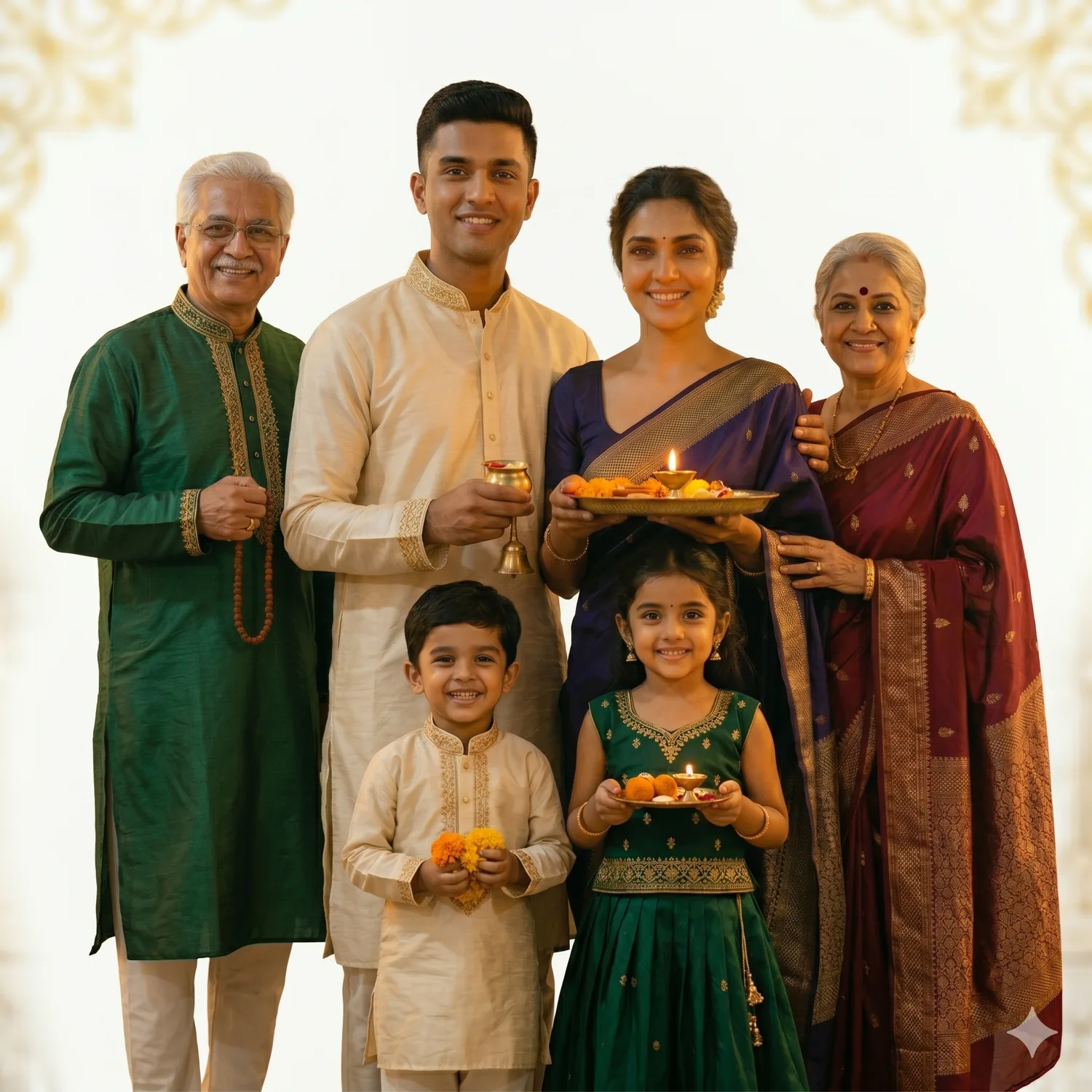
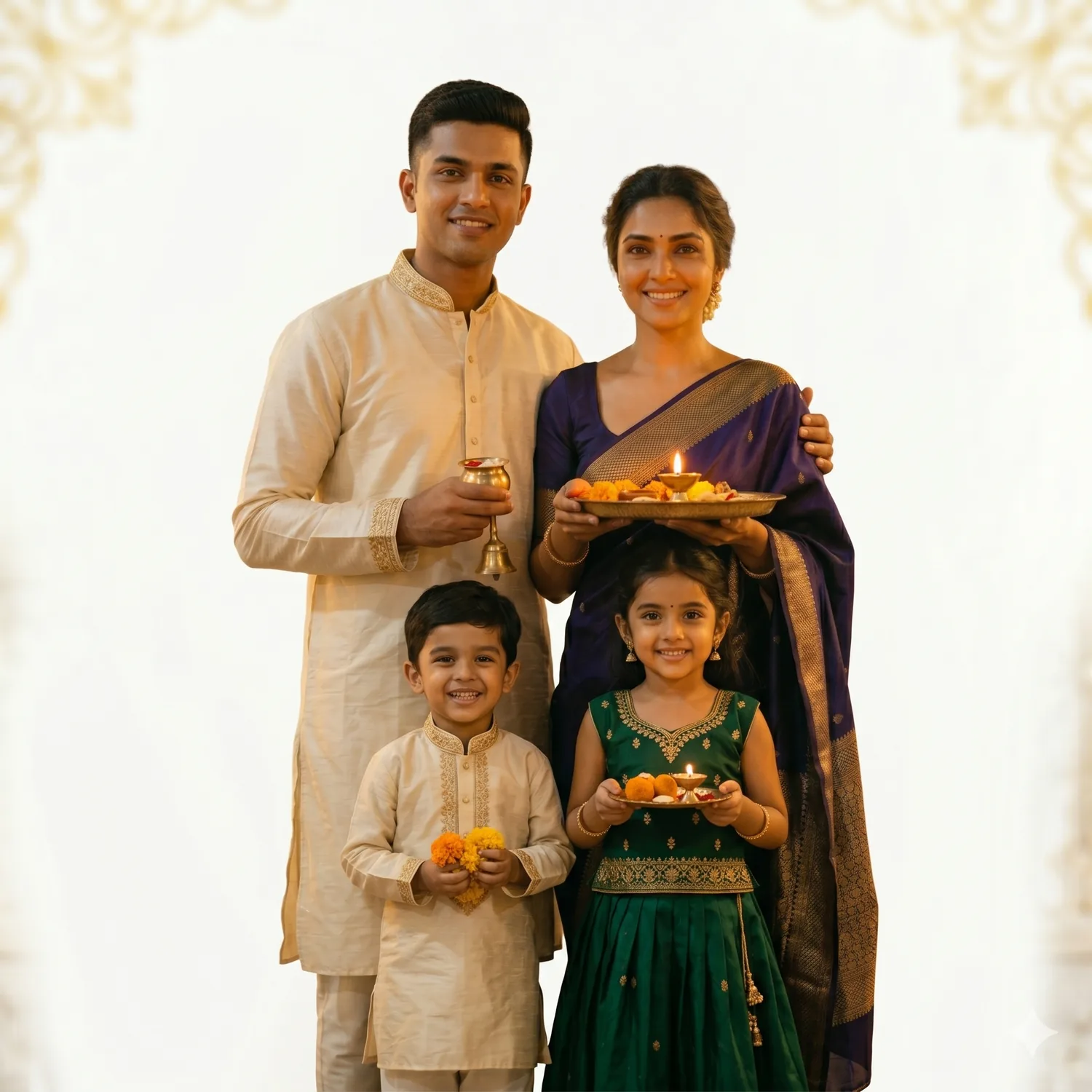
Every name you add is spoken in the stambhan sankalp. Choose how many of your family it is taken for.


Many devotees add one of these alongside the puja, for gratitude, ancestral remembrance, or a simple act of giving.
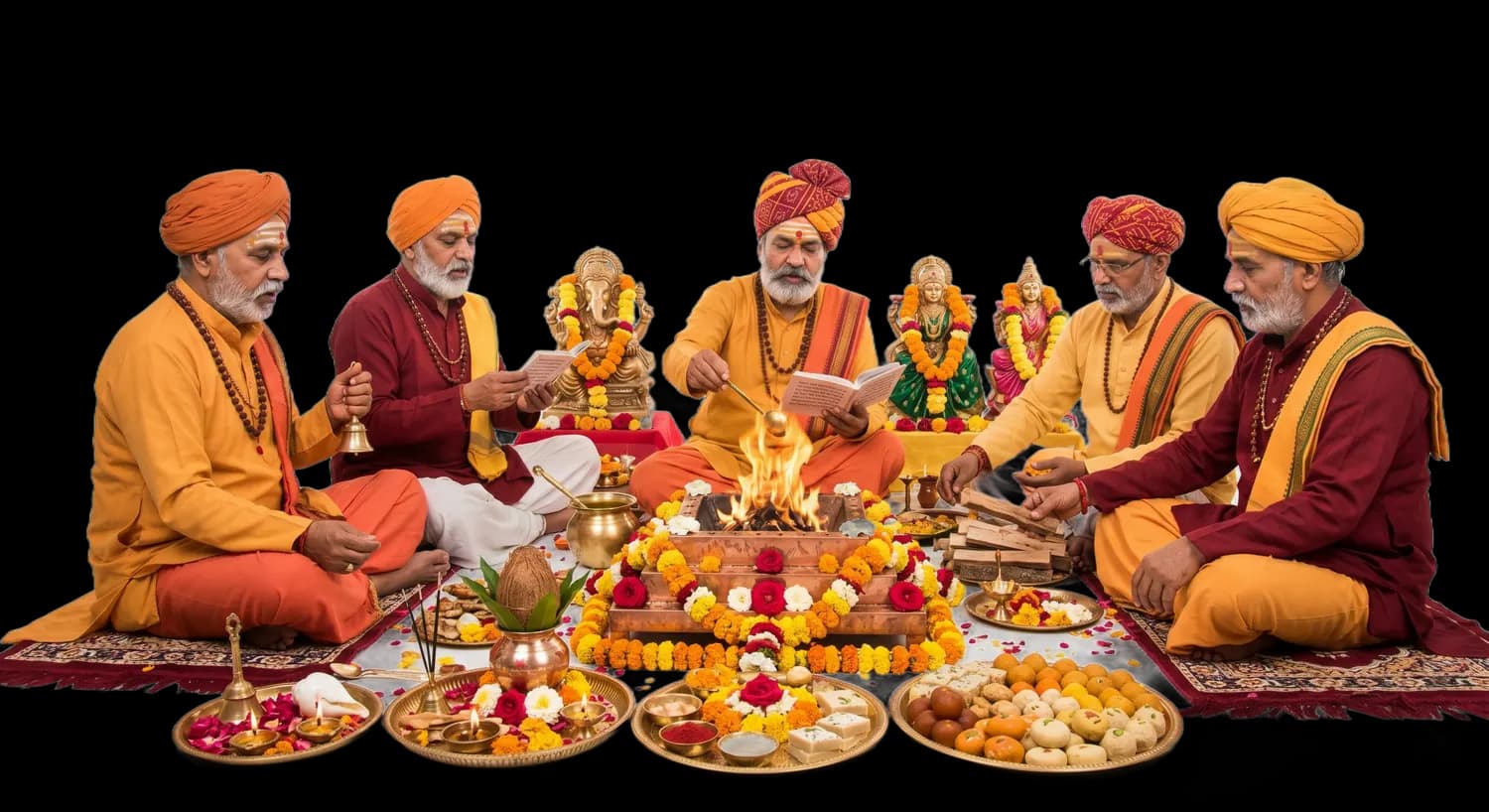
Real moments from the sankalps, abhisheks and hawans our pandits have performed at the temples, taken from the puja videos.
Watch real puja & chadhava deliveries, sent to devotees on WhatsApp after completion.
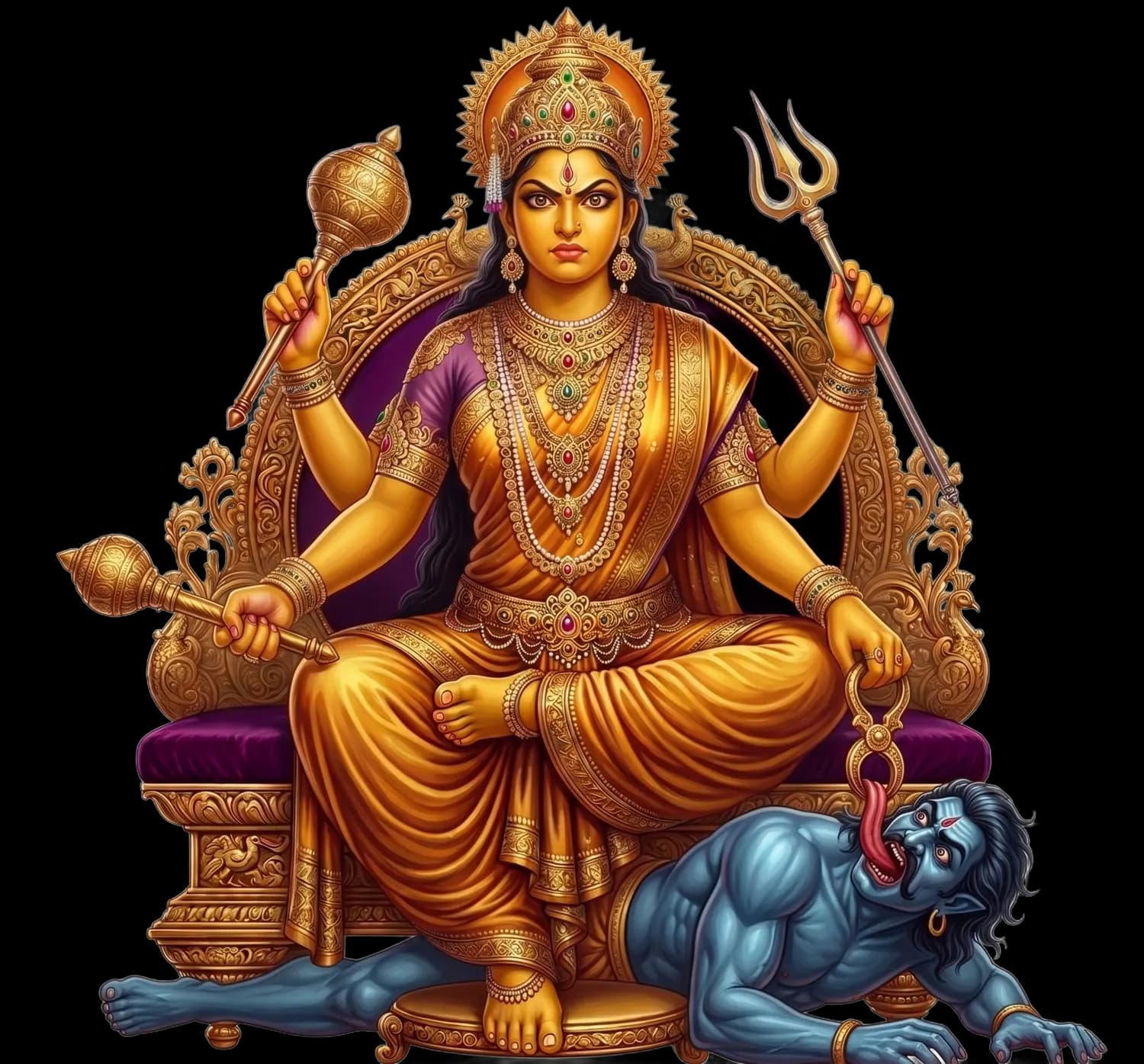
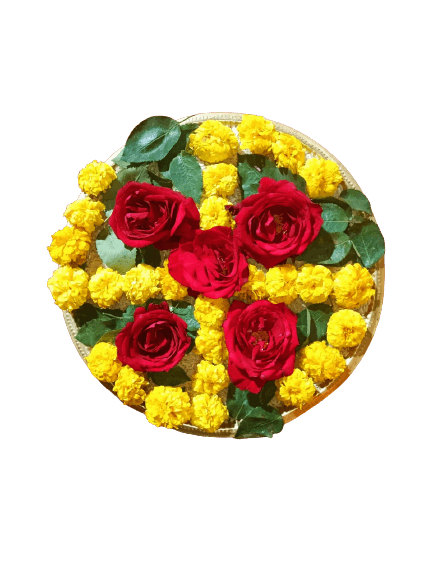
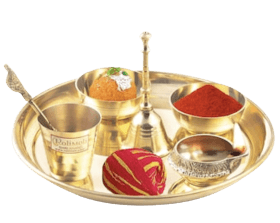
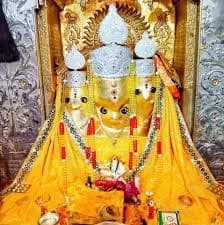
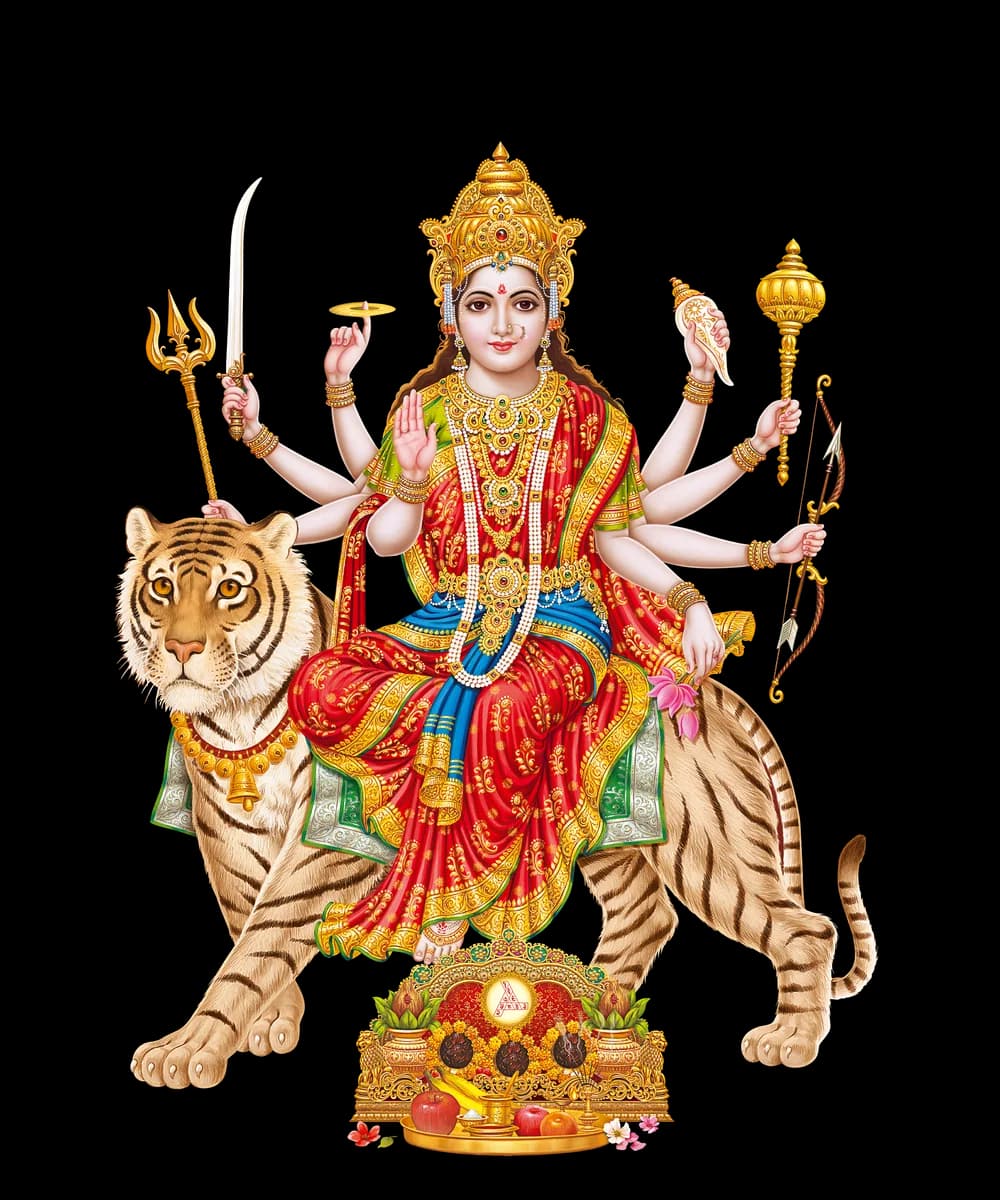
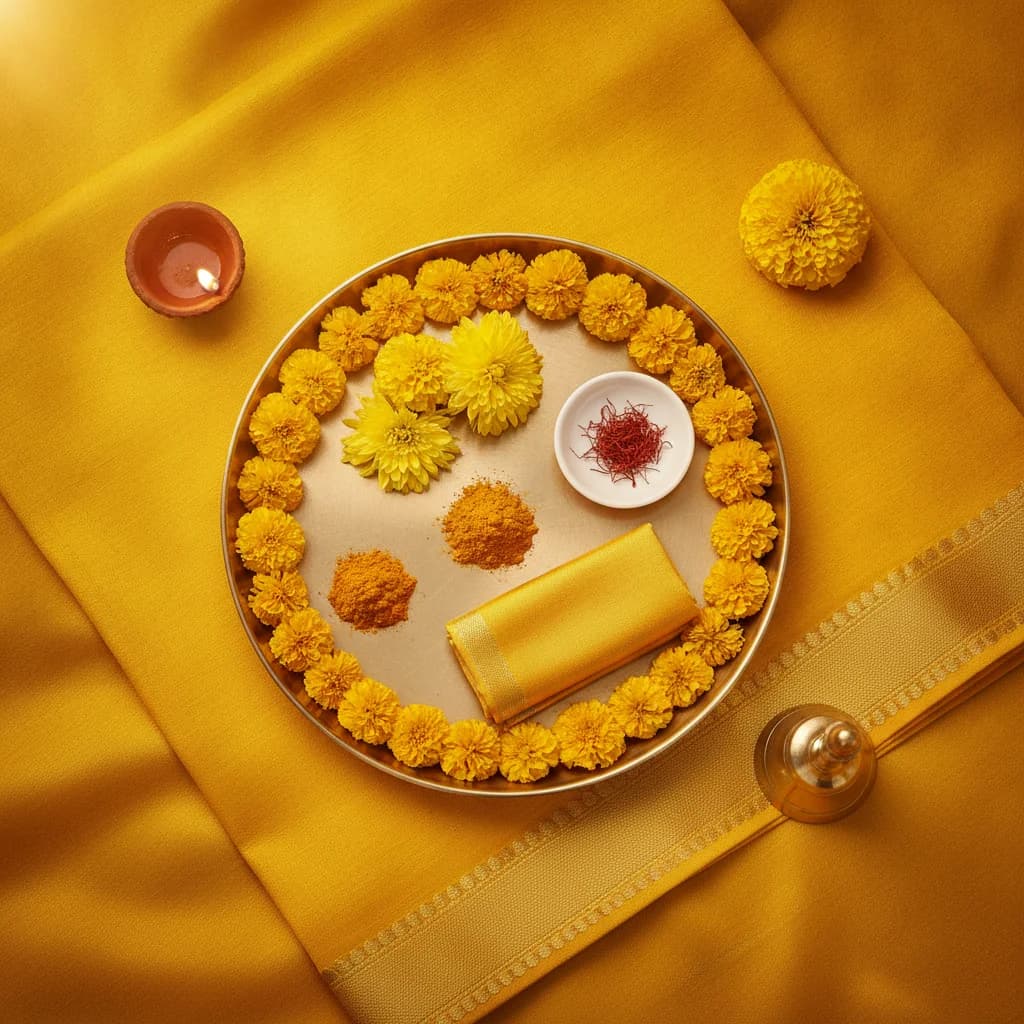
About Maa Baglamukhi MandirMaa Baglamukhi Mandir stands in Ujjain, the ancient Avantika, the city of Mahakal and one of the seven cities of moksha, where the Devi has long been worshipped alongside Shiva. Here she is Pitambara, dressed in yellow, and her images tell the same story: the demon Madan whose words always came true, and the Devi gripping his tongue so that he could speak no more harm. People come to her with what words have done to them, a false complaint, a case built on lies, a rumour that will not die, a promise of payment broken month after month. On Navratri Ashtami, the eighth day of the Devi, haldi, yellow flowers and a yellow cloth are offered and a stambhan sankalp is taken in each devotee’s naam-gotra.
 How the ritual is performed
On Navratri Ashtami the yellow offering and the Baglamukhi Stambhan Yagya are carried in Ujjain in your naam-gotra, for protection only.

 Why Divyachadhava
Families want their matter named in the sankalp, nothing asked against another person, and the rite done on Navratri Ashtami itself.


In the old katha the demon Madan won a boon that whatever he said came true, and he used those words to ruin people. Maa Baglamukhi caught hold of his tongue and stilled it. On Navratri Ashtami, which comes once a year, families bring her the lies and cases pressing on them, at her mandir in Ujjain.