 Book Puja
 Special Puja
 Sanatan SahityaMy Account
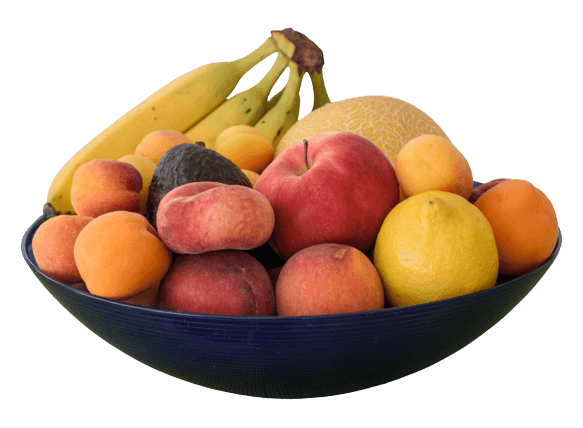
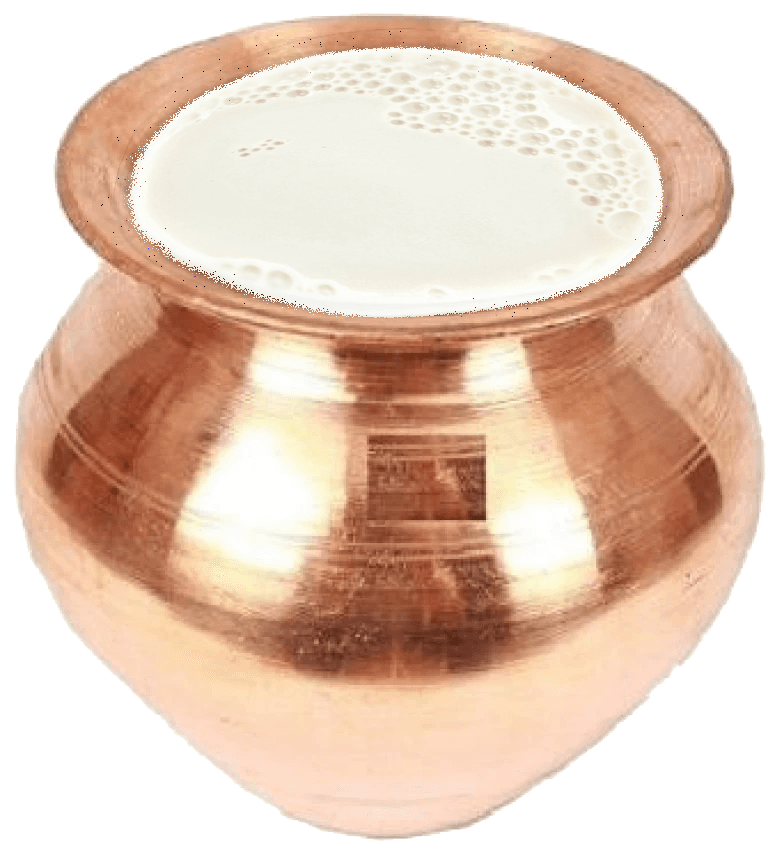
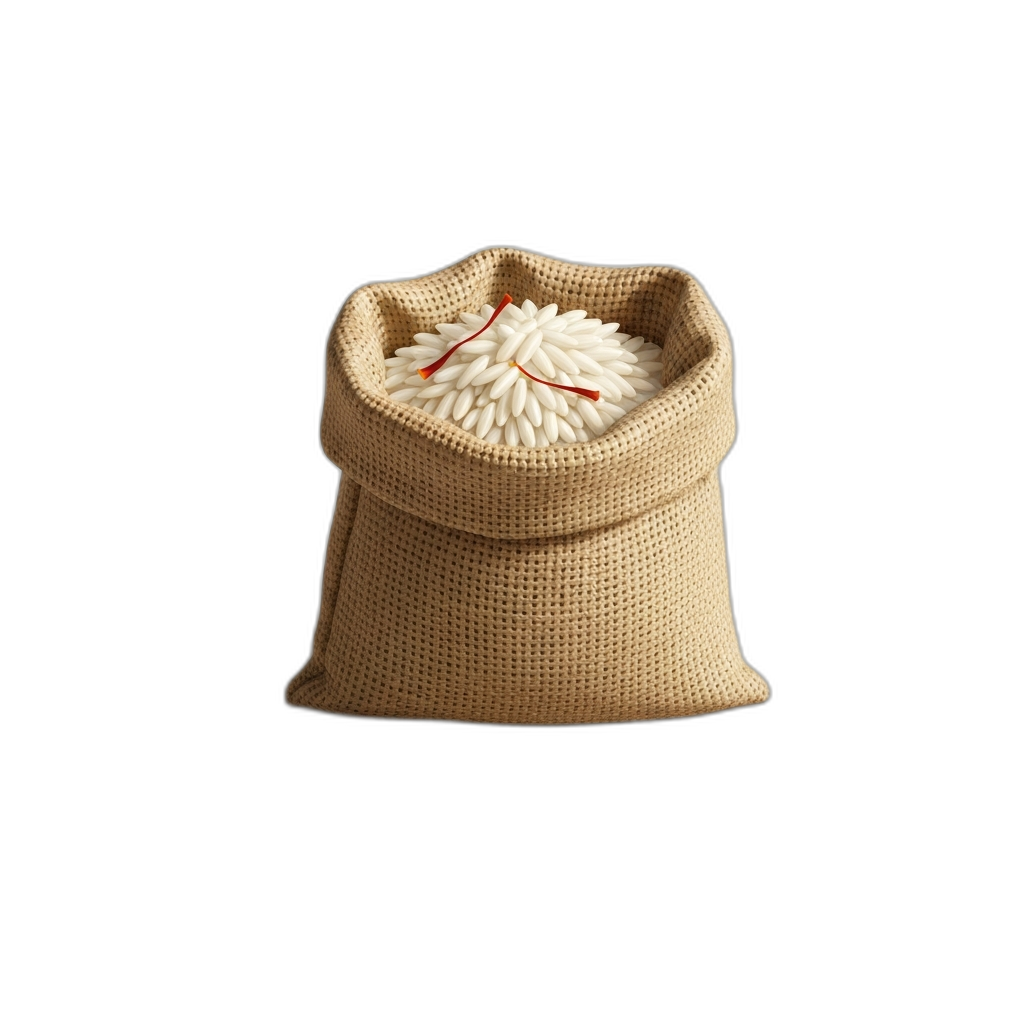
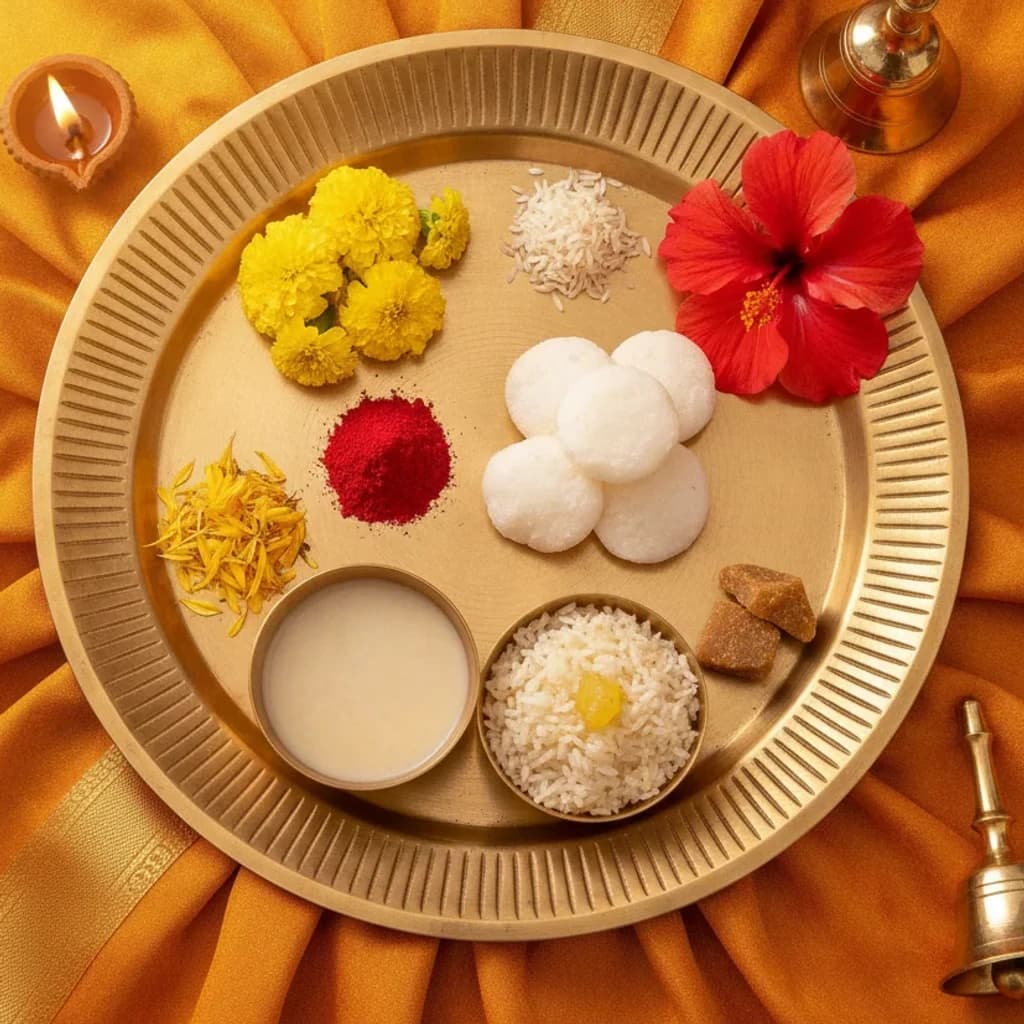
Each offering is carried in your name-gotra as part of the same ritual at the temple.
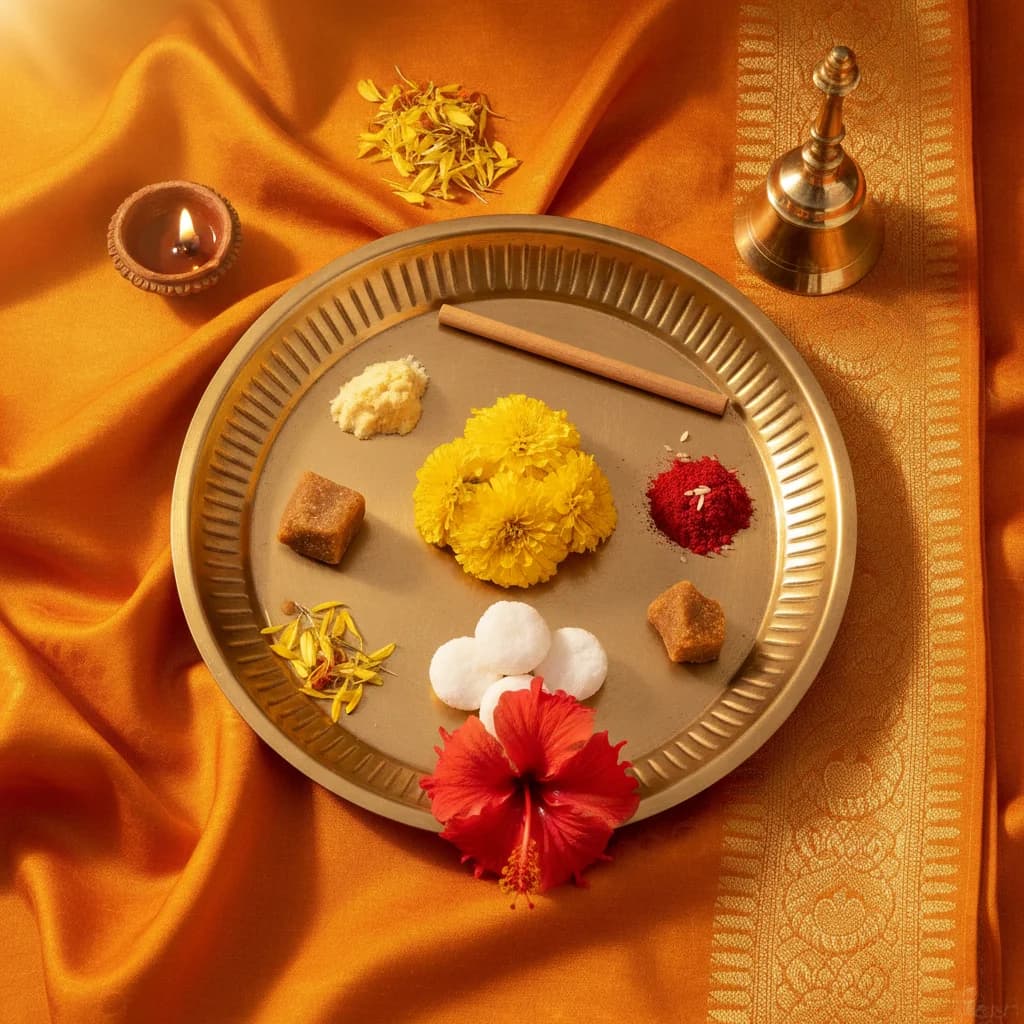
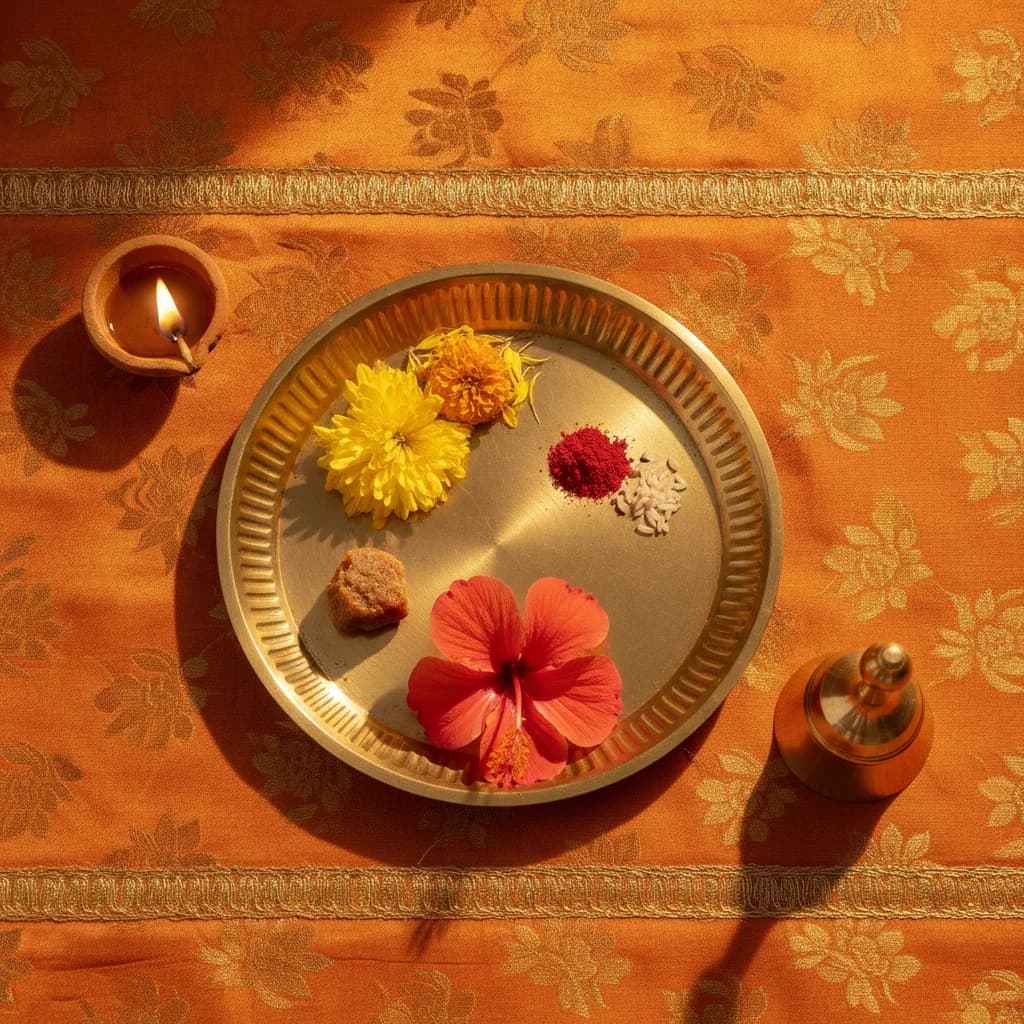
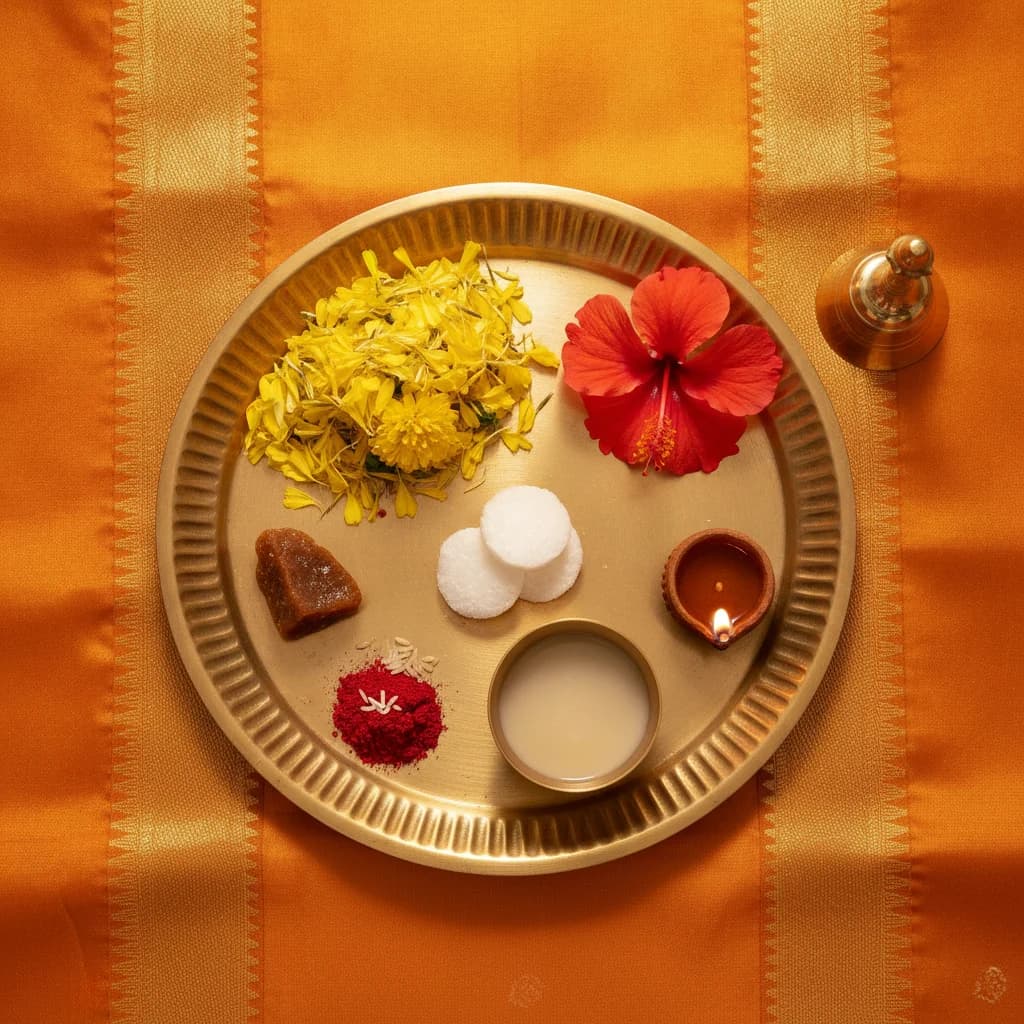
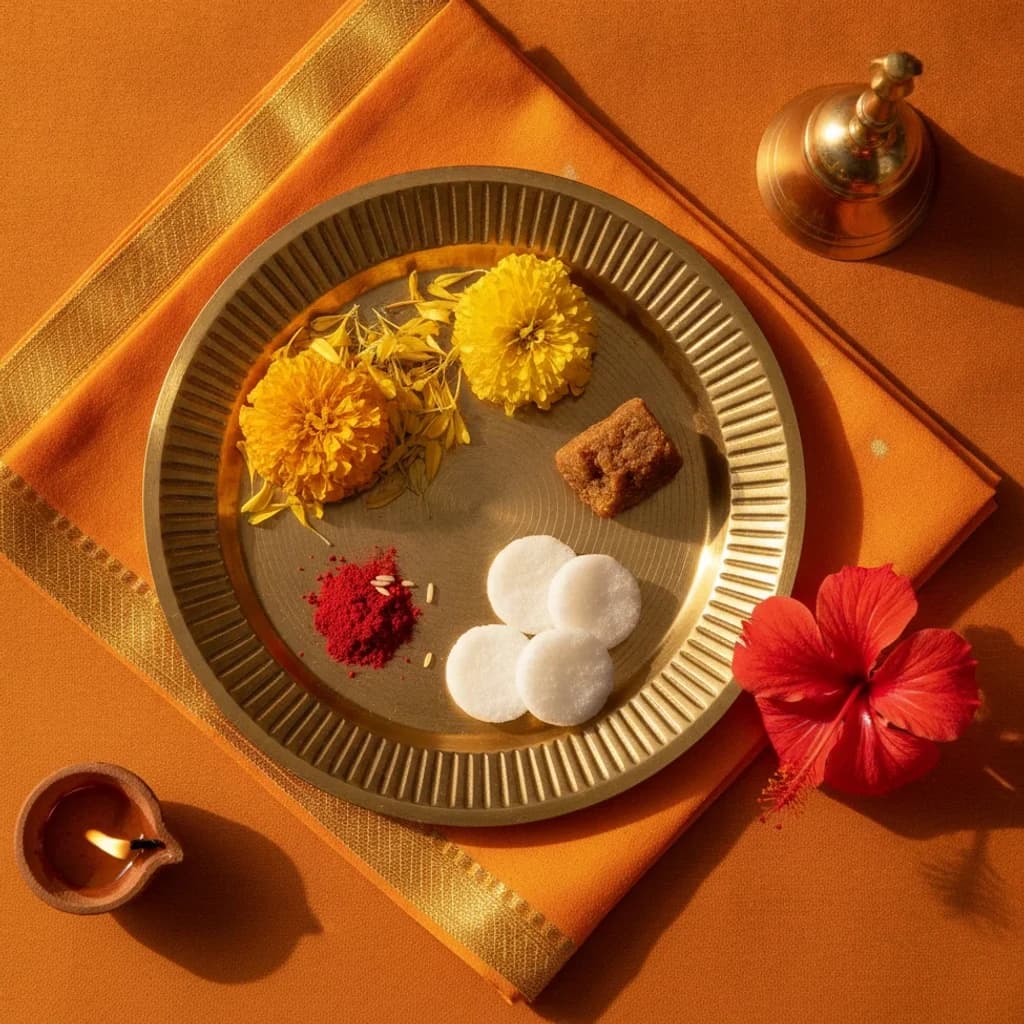
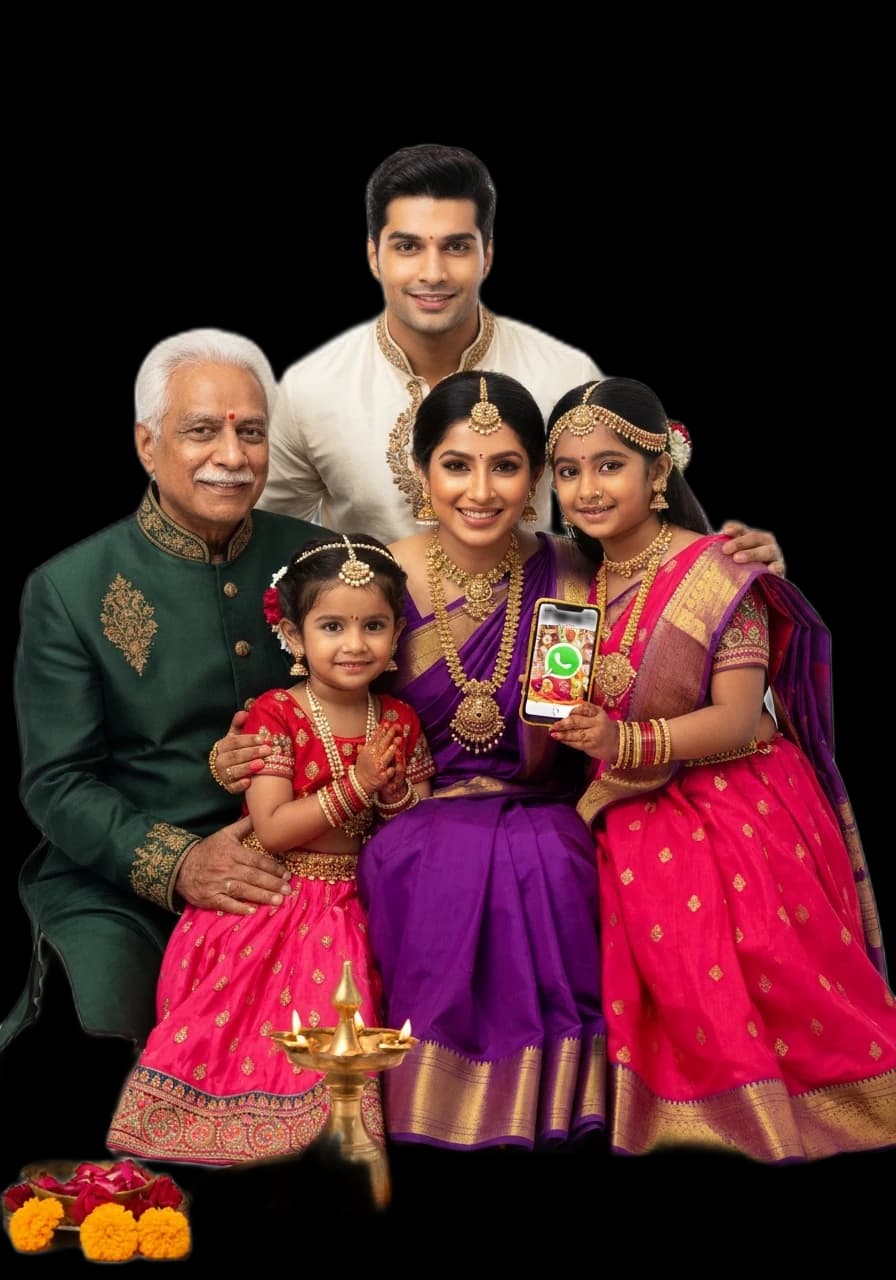
Every name you add is spoken in the yagya sankalp. Choose how many of your family or team it is taken for.
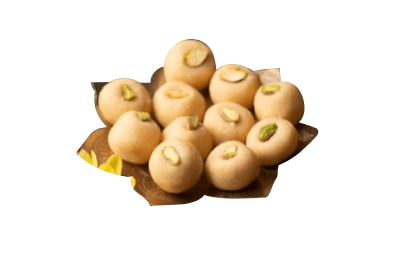
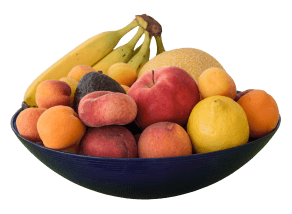
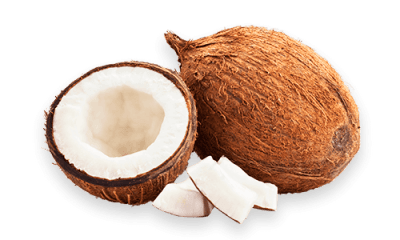
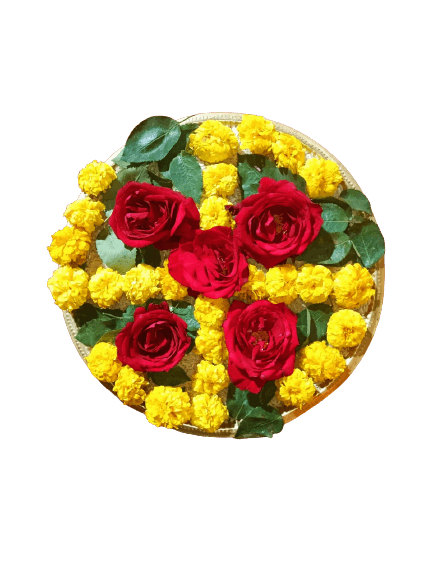
Many devotees add one of these alongside the puja, for gratitude, ancestral remembrance, or a simple act of giving.
Real moments from the sankalps, abhisheks and hawans our pandits have performed at the temples, taken from the puja videos.
Watch real puja & chadhava deliveries, sent to devotees on WhatsApp after completion.
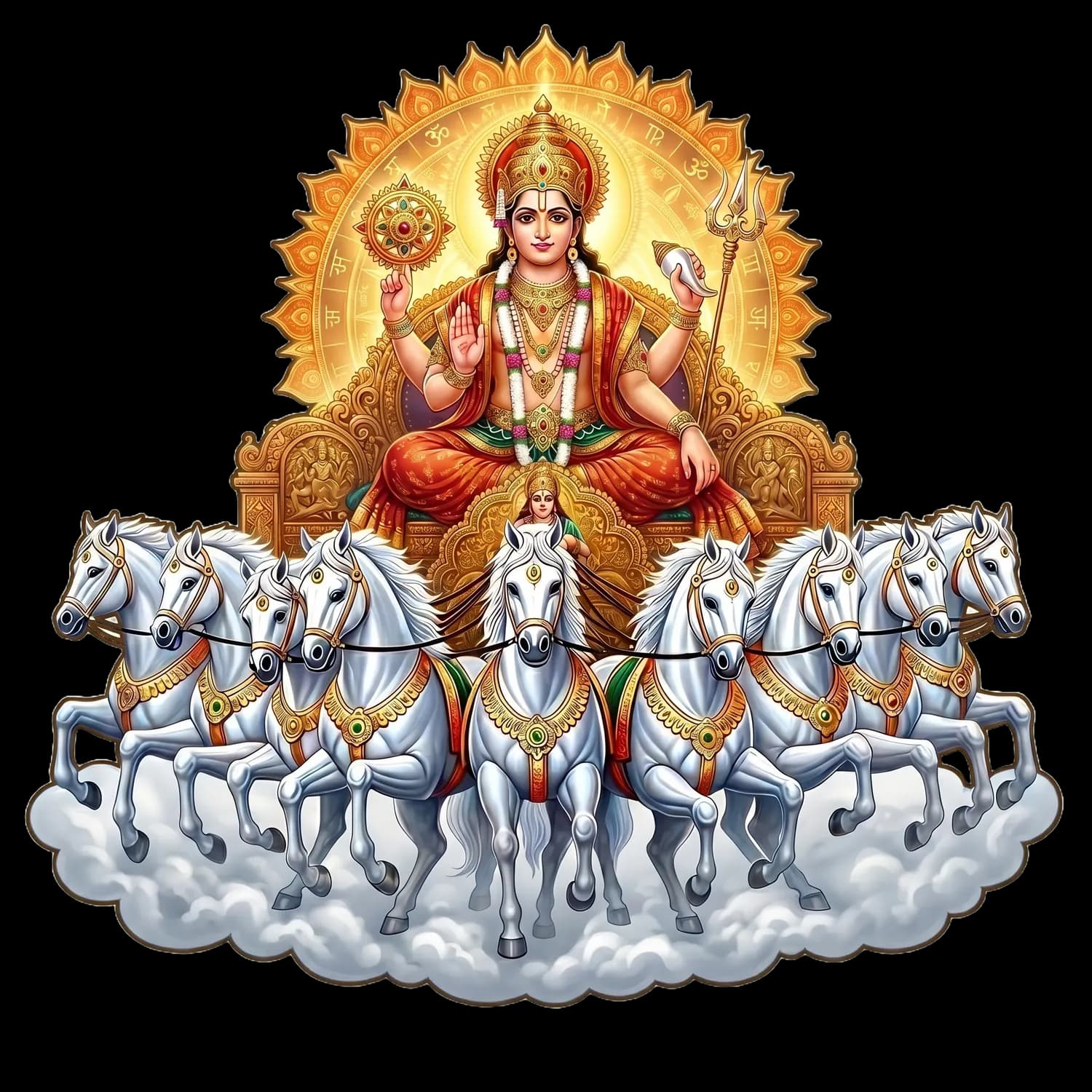
About Shri Galta Ji Surya MandirTen kilometres east of Jaipur, Rishi Galav’s tapasya drew a spring from the Aravalli rock that still feeds seven kunds; the Galta Kund has never run dry. A Ramanandi seat since the 1400s, the gorge was crowned in the 1700s by Diwan Rao Kriparam with a Surya Mandir set to catch the first and last rays of the day. Vishwakarma belongs here by Puranic katha: when his daughter Sanjna could not bear Surya’s blaze, he set the Sun on his lathe and pared away an eighth of its light, forging the Sudarshan Chakra from the shavings. On Kanya Sankranti, when every workshop in Bharat washes and worships its tools, the Karma-Siddhi Yagya goes to the maker of the Sun at the temple of the Sun.

 How the ritual is performed
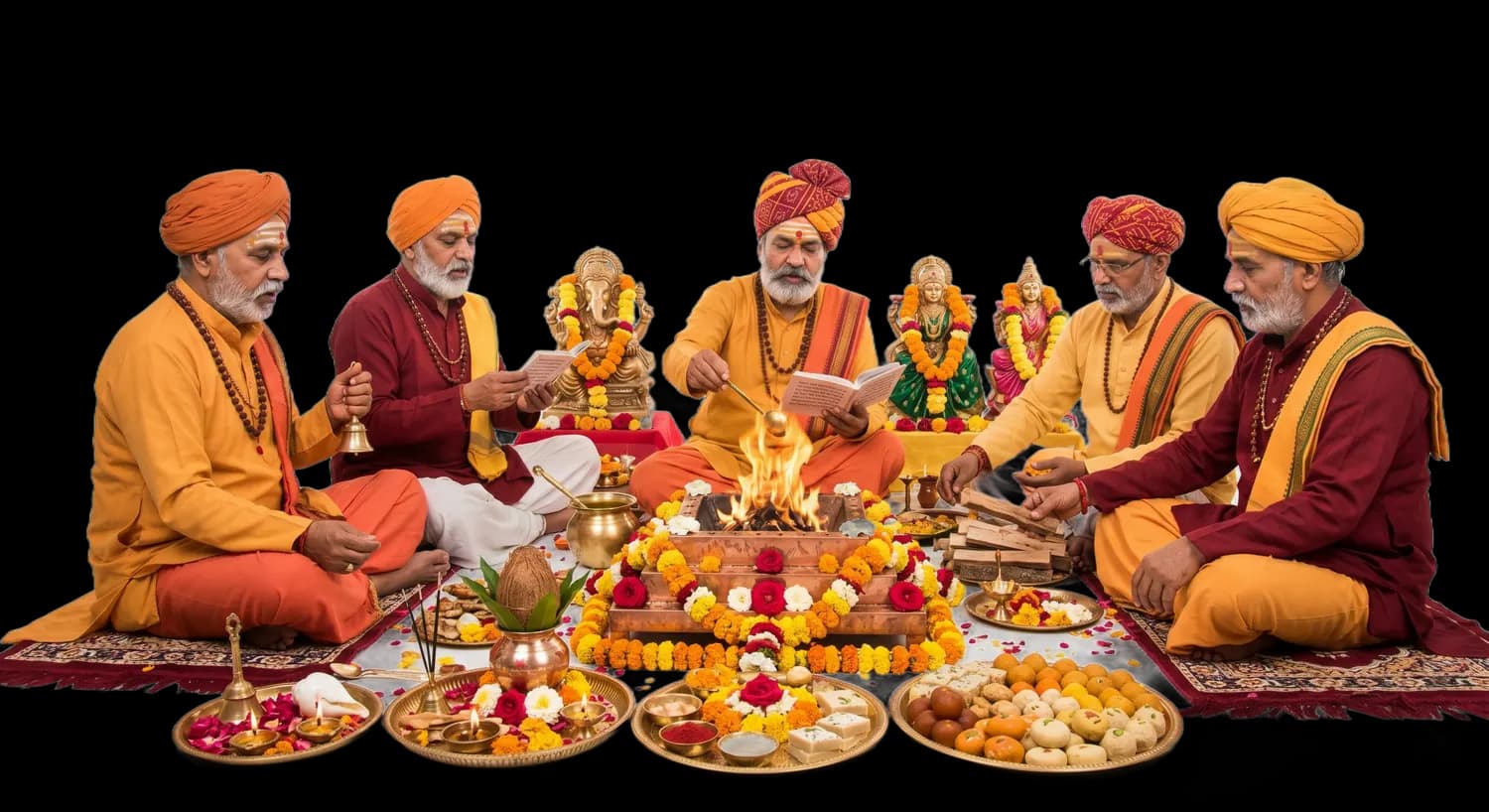
The Karma-Siddhi Yagya and your naam-gotra sankalp are carried at the Galta Ji Surya Mandir on Kanya Sankranti, the day of the Devashilpi.

 Why Divyachadhava
Devotees want the yagya carried with care, a clear ritual, a clear video, and a clear naam-gotra spoken before Bhagwan Vishwakarma at Jaipur.

Vishwakarma Puja falls on Kanya Sankranti, once a year, and across Bharat people worship their tools, shop and work that morning. The Puranas tell that Vishwakarma shaped Surya’s blaze, and in astrology Surya rules the job, rank and leadership. At the Galta Ji Surya Mandir, Jaipur, where the first and last rays fall, the Karma-Siddhi Yagya is offered in your naam-gotra.