 Book Puja

 Special Puja
 Sanatan SahityaMy Account
Each offering is carried in your name-gotra as part of the same ritual at the temple.
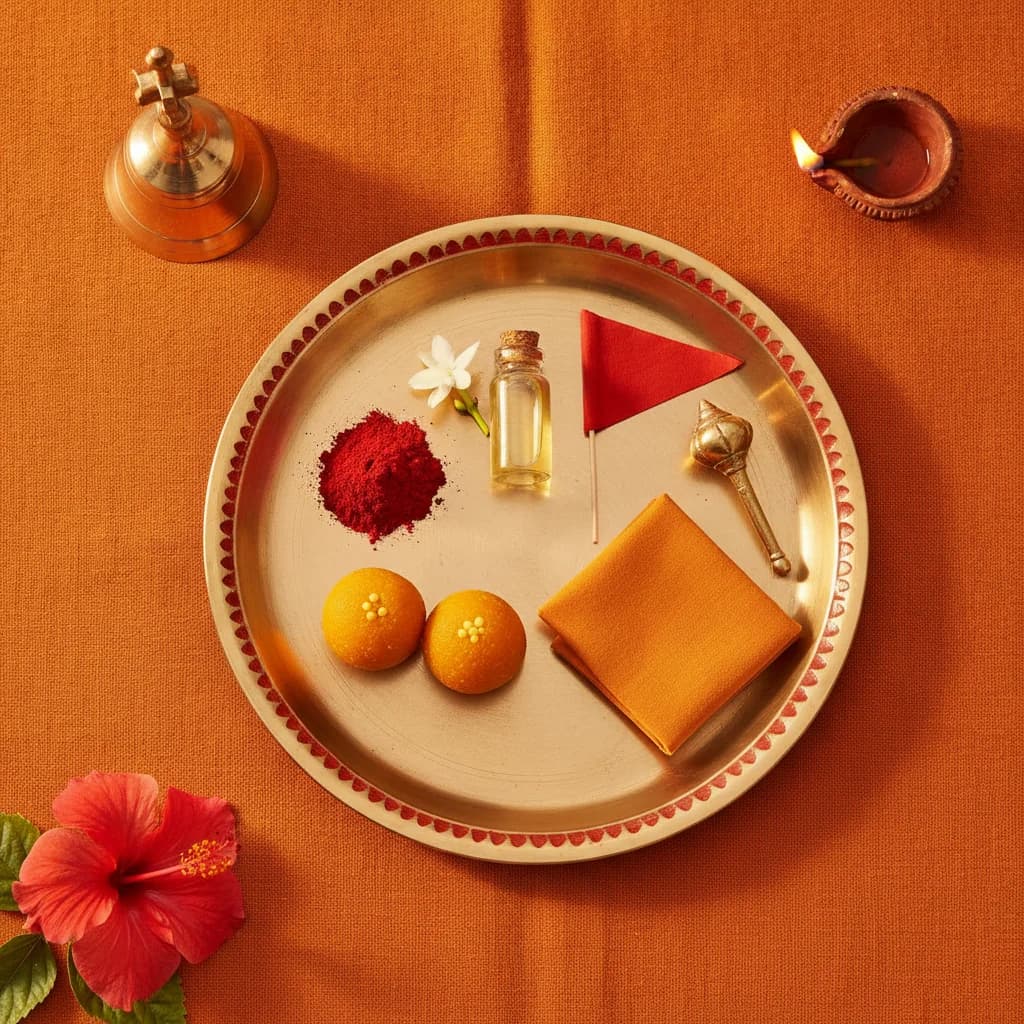
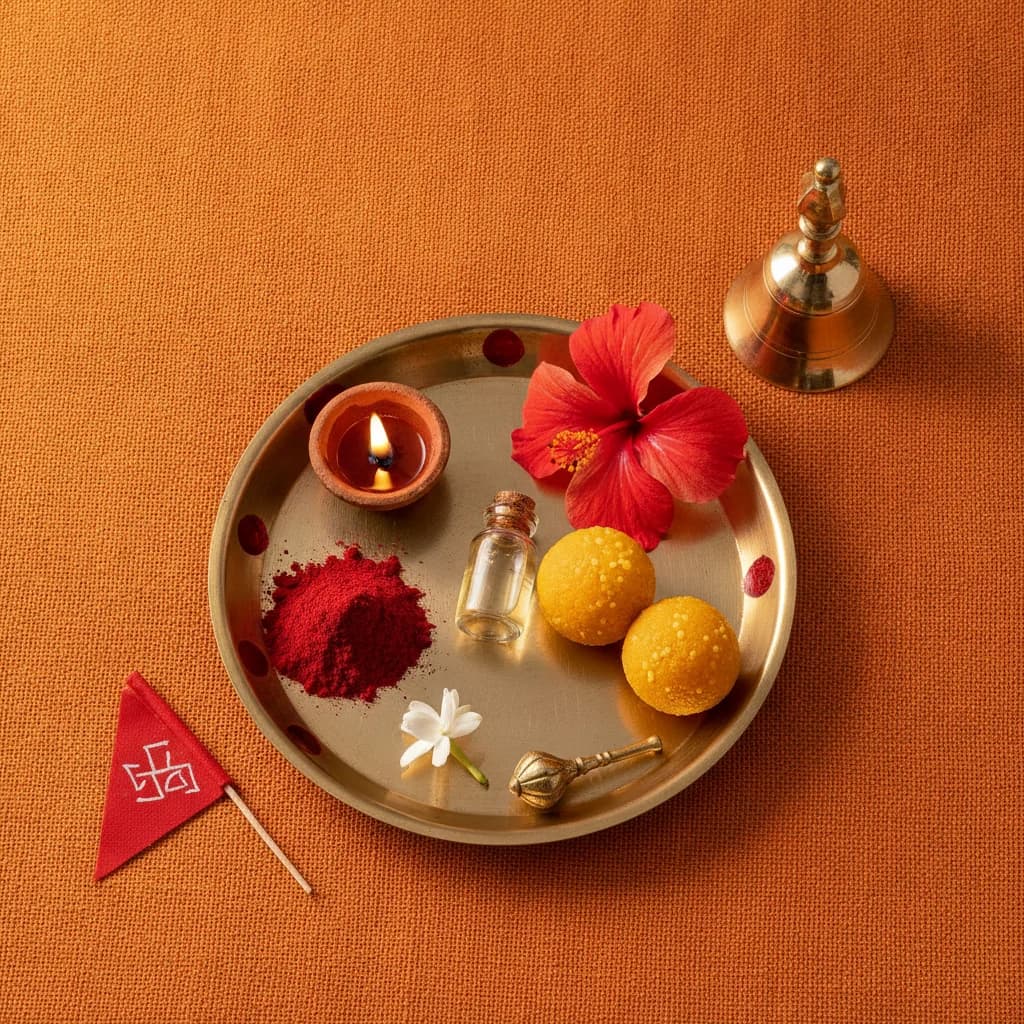
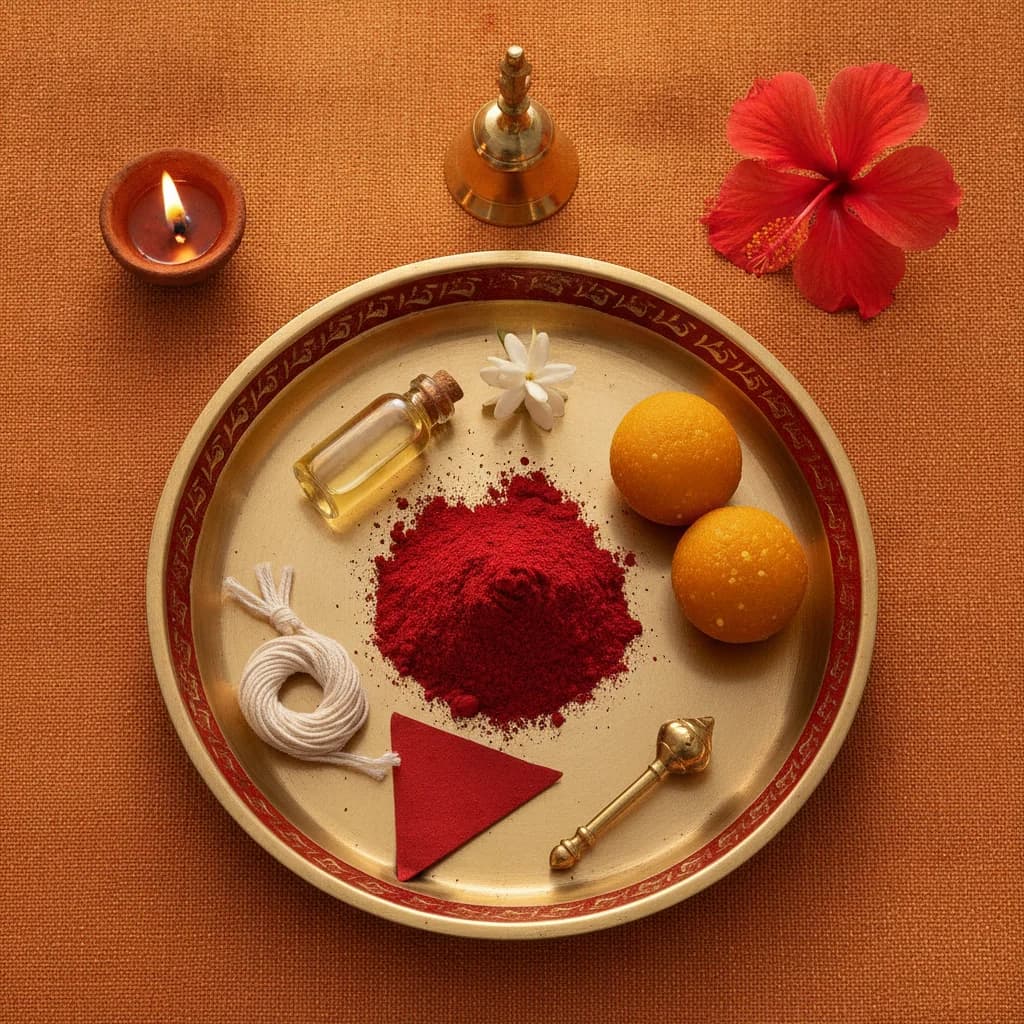
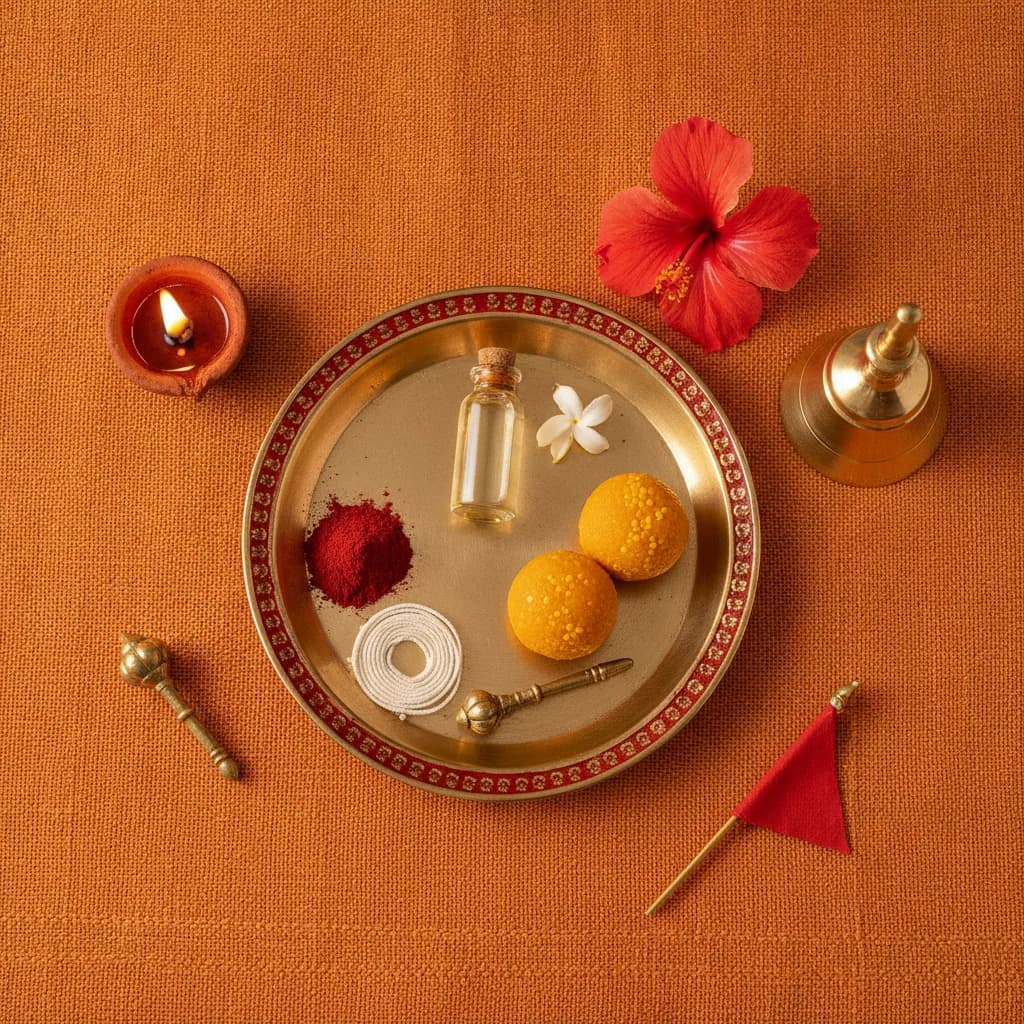
Every name you add is spoken in the Sankat-Mochan Anushthan. Choose how many of your family it is taken for.




Many devotees add one of these alongside the puja, for gratitude, ancestral remembrance, or a simple act of giving.
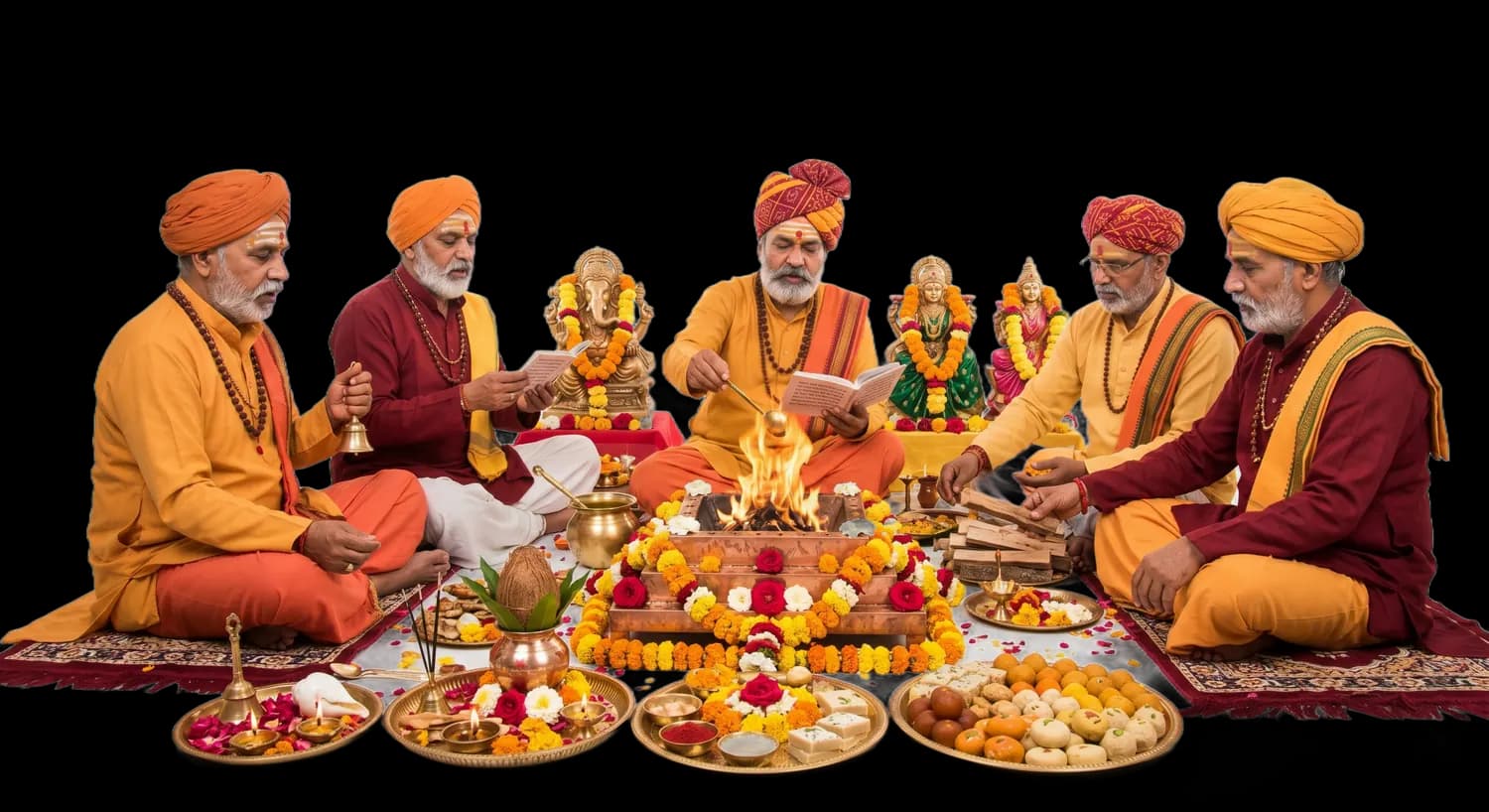
Real moments from the sankalps, abhisheks and hawans our pandits have performed at the temples, taken from the puja videos.
Watch real puja & chadhava deliveries, sent to devotees on WhatsApp after completion.
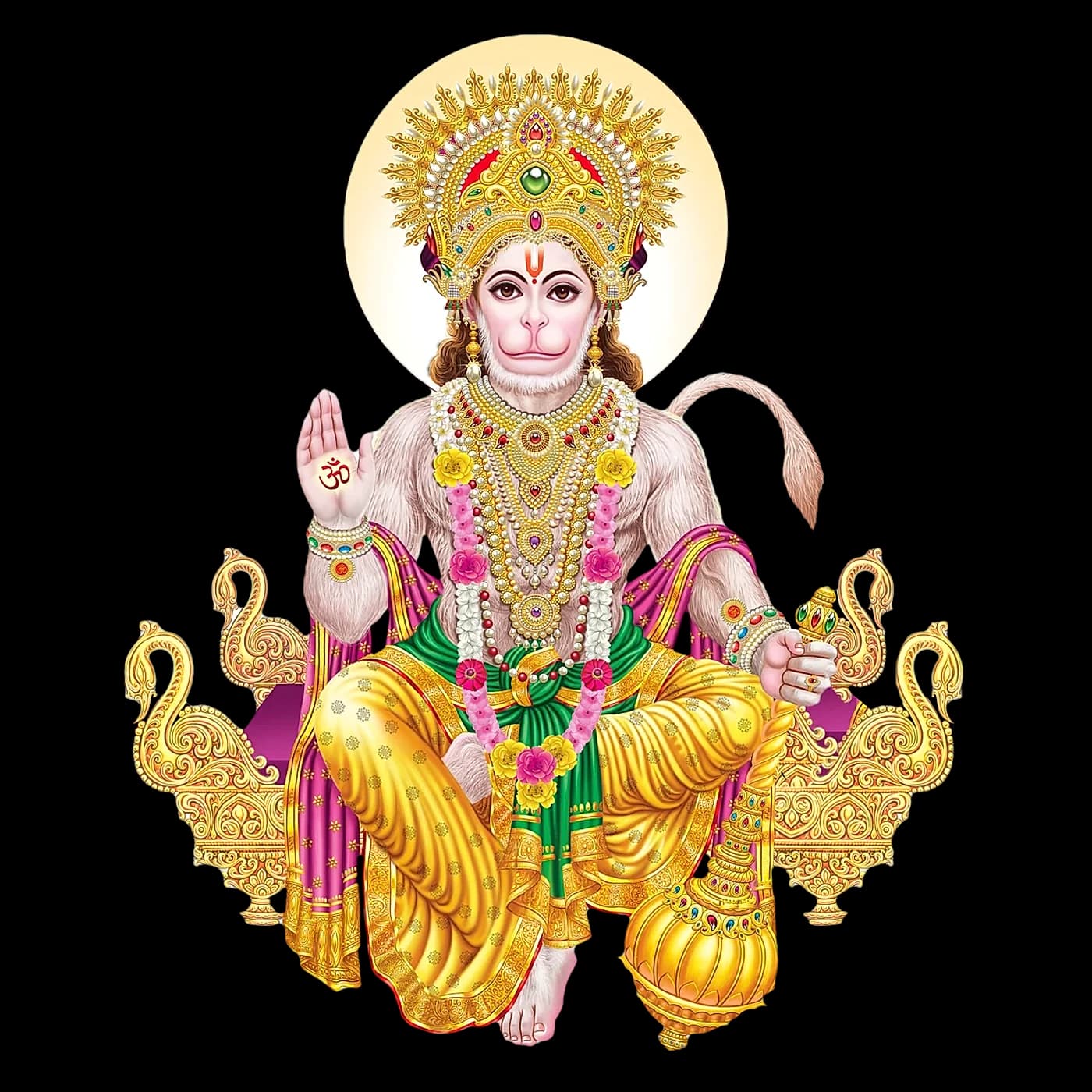
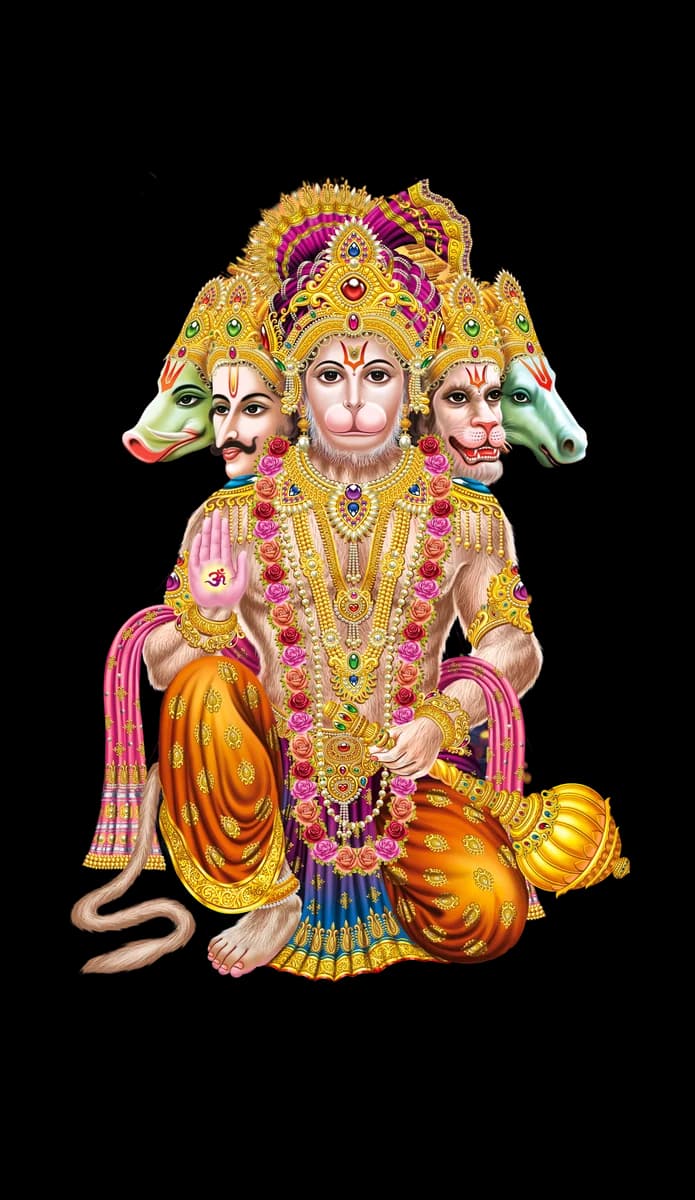
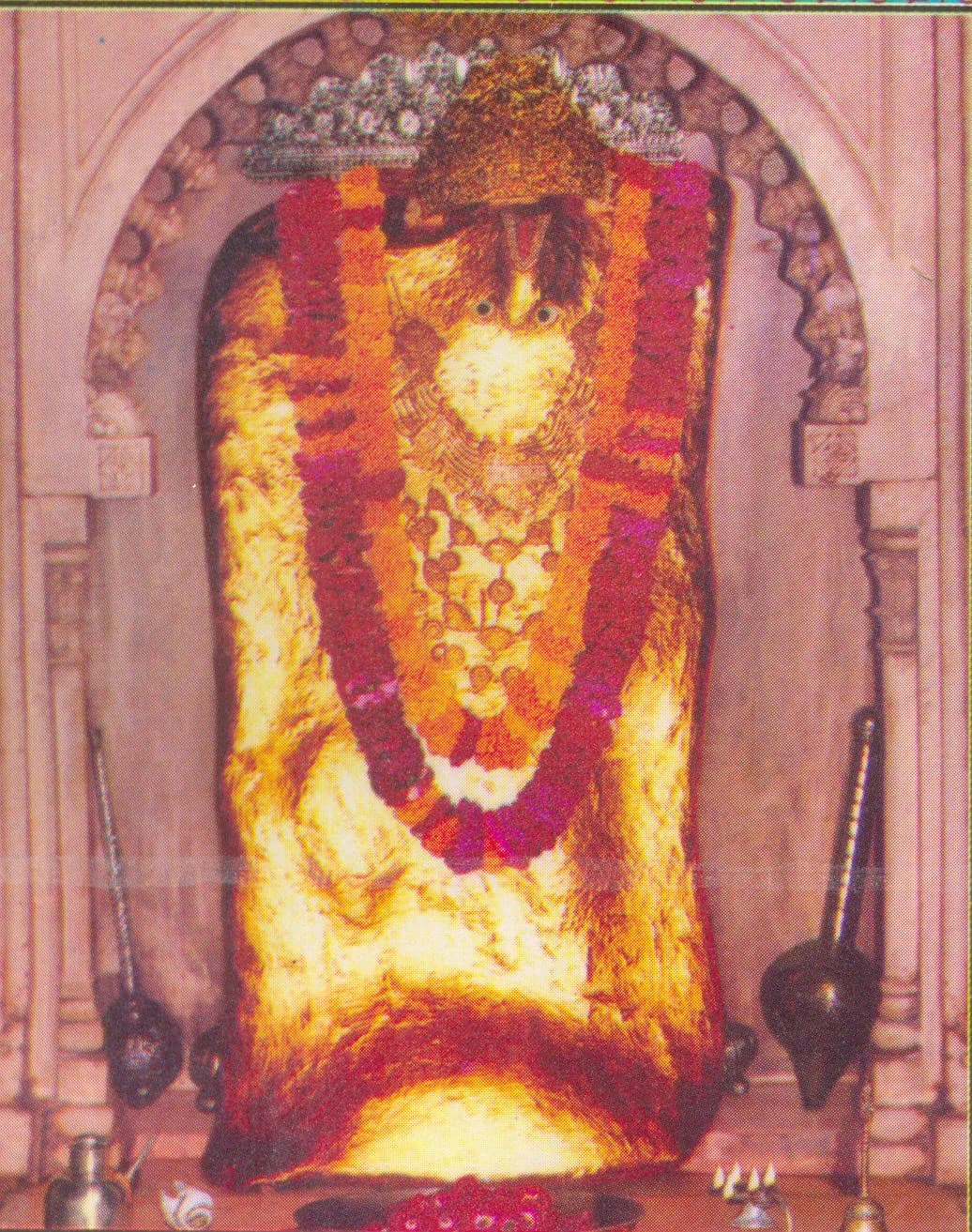
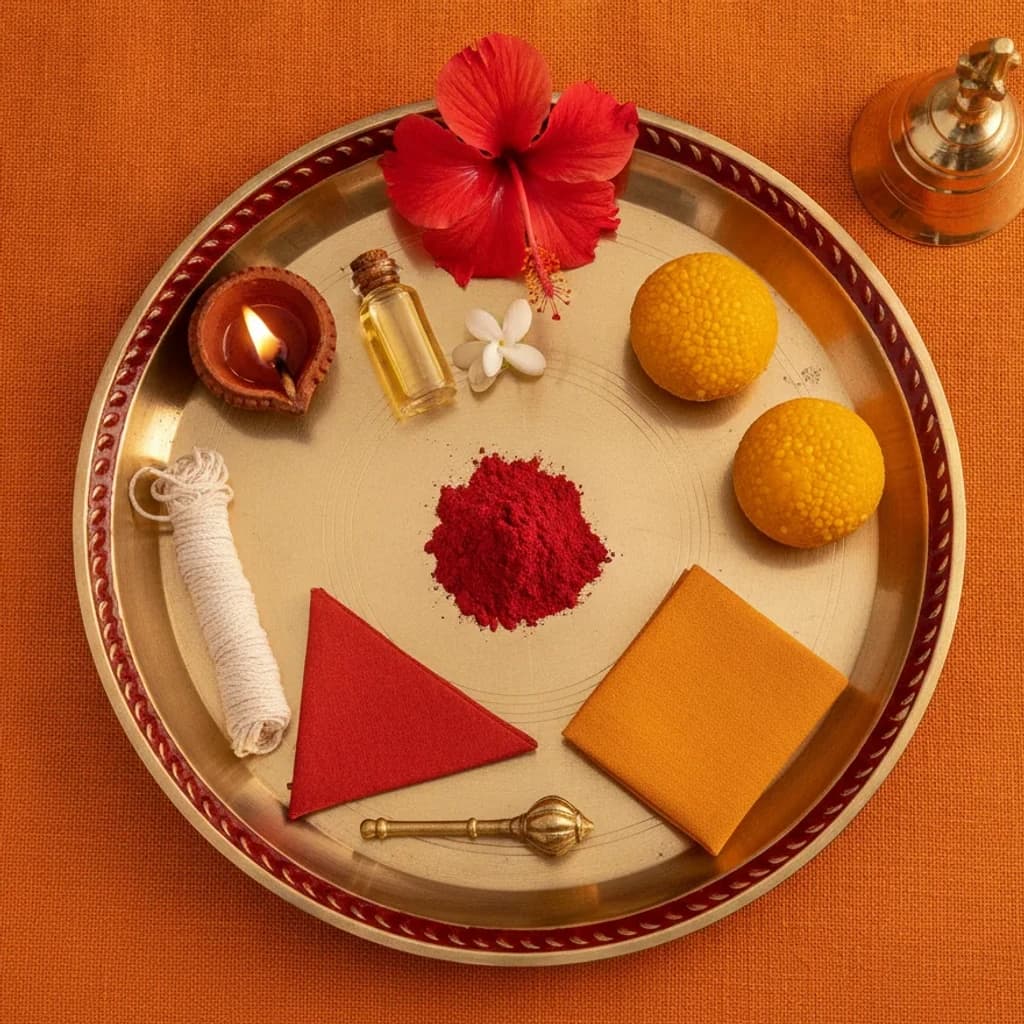
About Shri Mehendipur Balaji DhamShri Mehendipur Balaji Dham stands in Dausa district, Rajasthan, where Hanuman is worshipped as Balaji, in his child form, with Pretraj Sarkar and Kotwal Bhairav beside him. People come here when something has been working against them for a long time: a rival who never stops, a home where nothing settles, a fear that follows them to bed. Dussehra is the day of Ram’s victory over Ravana, and Hanuman was at the heart of it, the one who burned Lanka and spared the good. On Dussehra sindoor, chameli oil and boondi laddoo are offered to Balaji and a Sankat-Mochan Anushthan is performed in each devotee’s naam-gotra.

 How the ritual is performed
On Dussehra the offering and the Sankat-Mochan Anushthan are carried at Mehendipur in your naam-gotra, for protection only.



 Why Divyachadhava
Families want their matter named in the sankalp, nothing asked against another person, and the rite done on Dussehra itself.

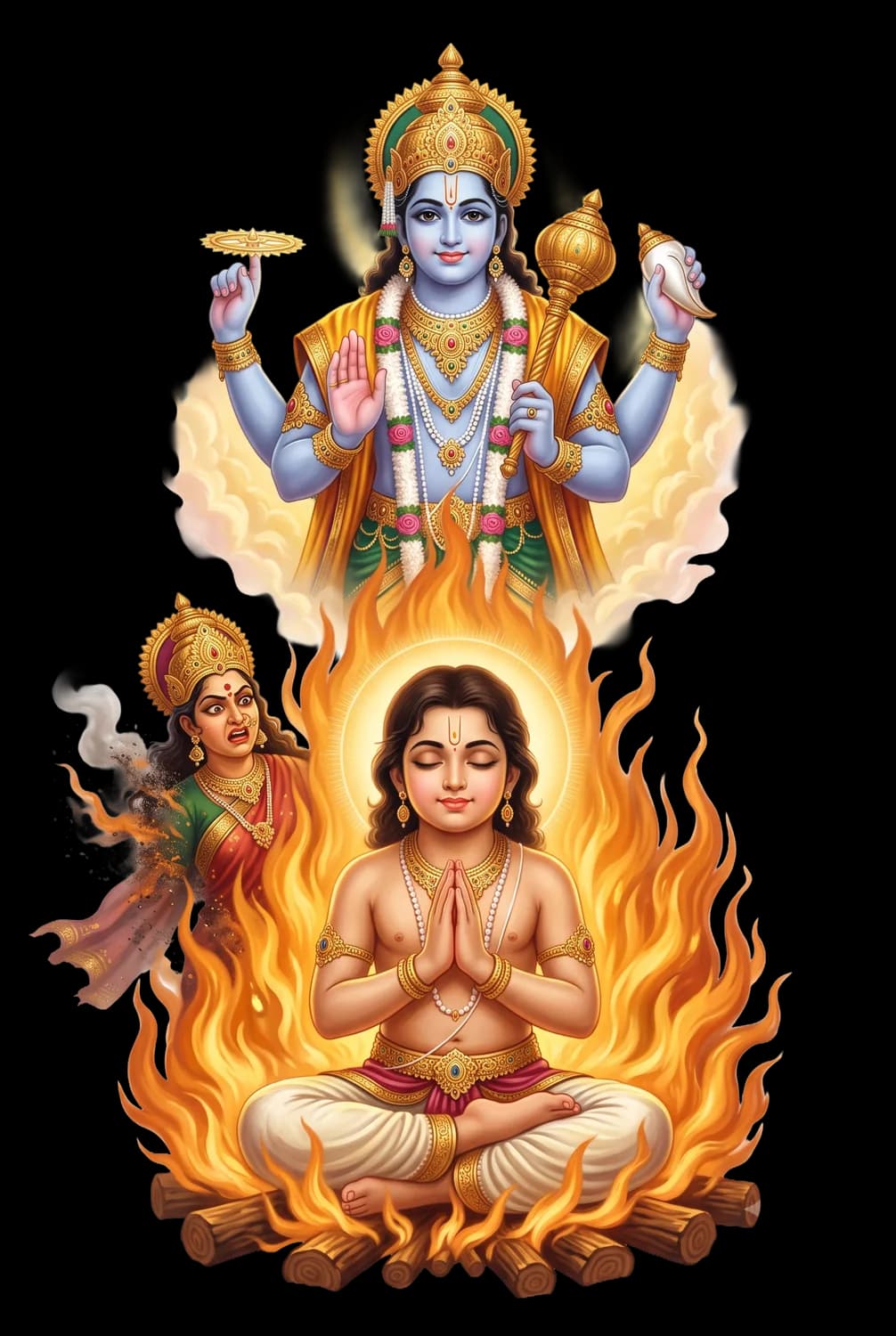
Ravana had Hanuman’s tail set on fire to shame him, and Hanuman used that same fire to burn Lanka, sparing only the house of Vibhishana. On Dussehra, which comes once a year, families bring Balaji at Mehendipur whatever has been working against them, and ask that it burn while their home is spared.