 Book Puja
 Special Puja
 Sanatan SahityaMy Account
Each offering is carried in your name-gotra as part of the same ritual at the temple.
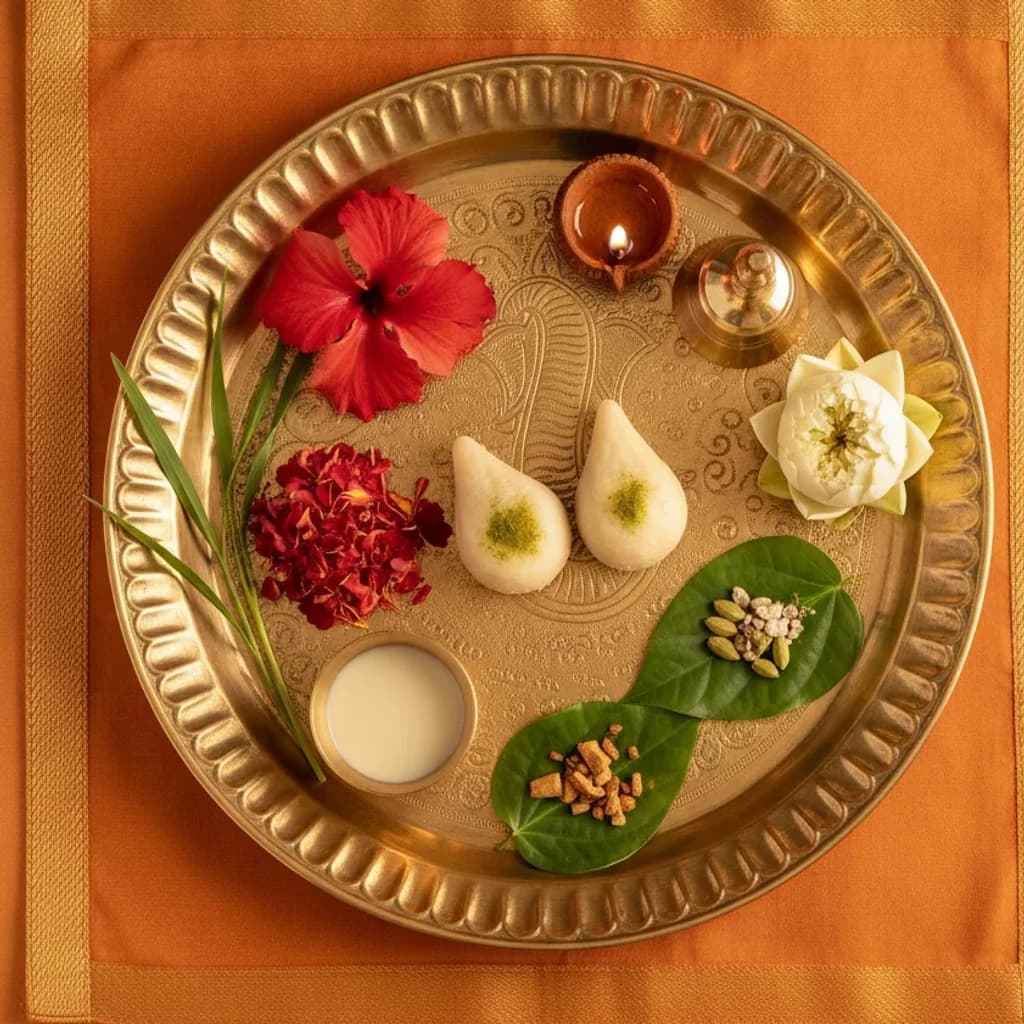
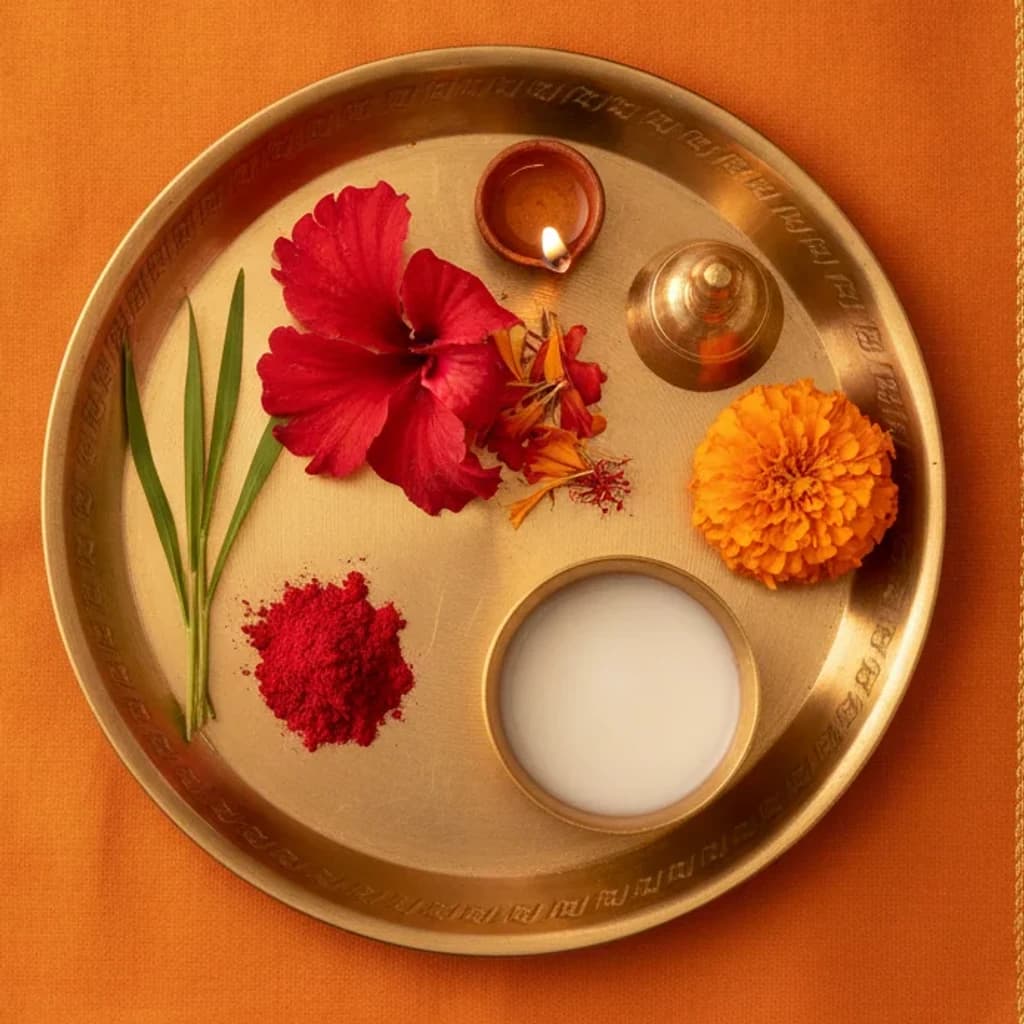
Every name you add is spoken in the yagya sankalp. Choose how many of your family it is taken for.




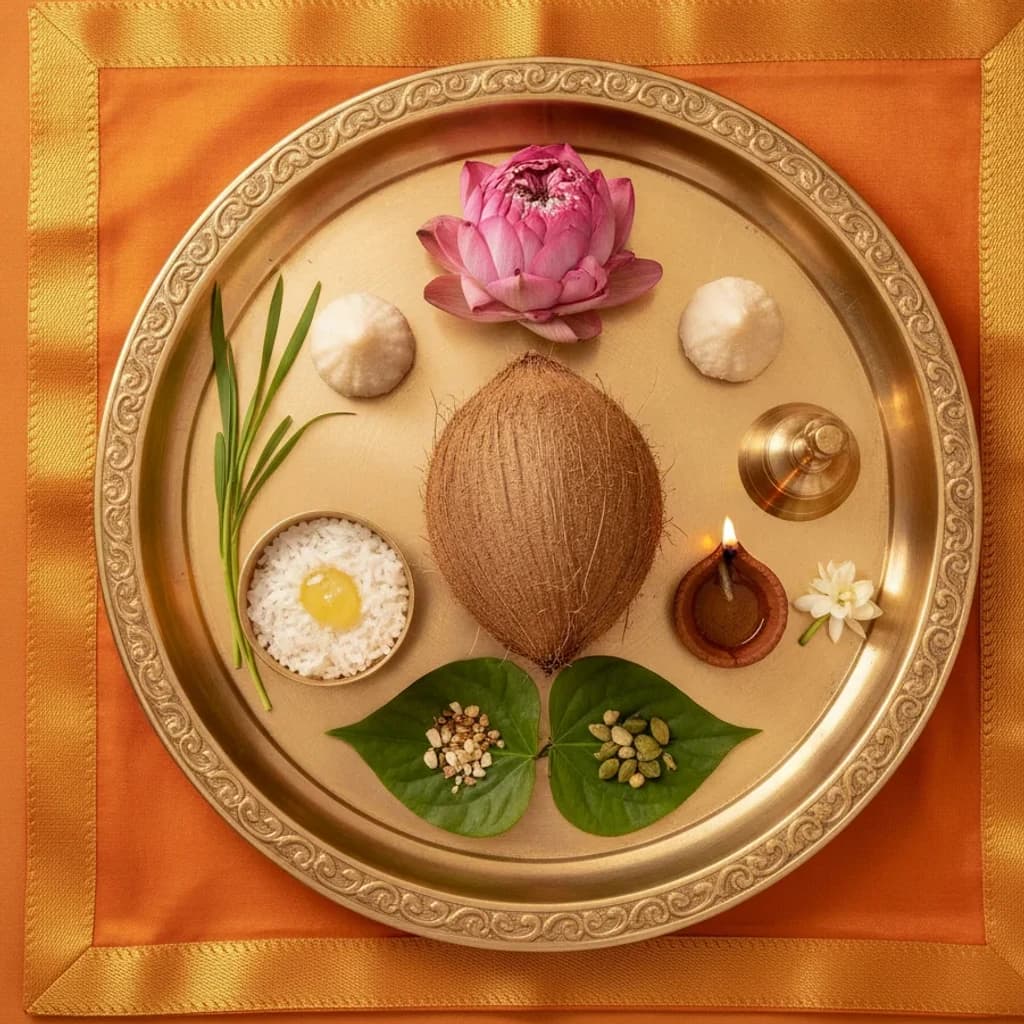
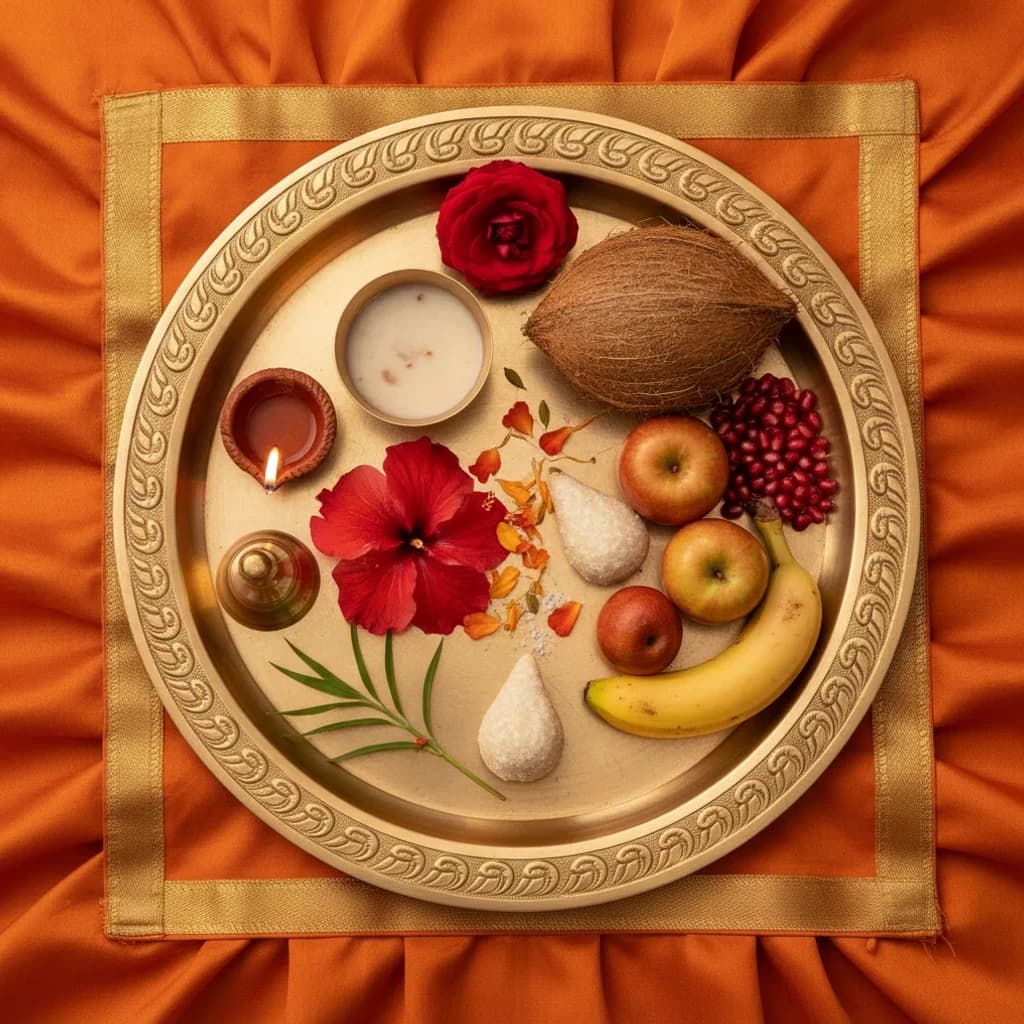
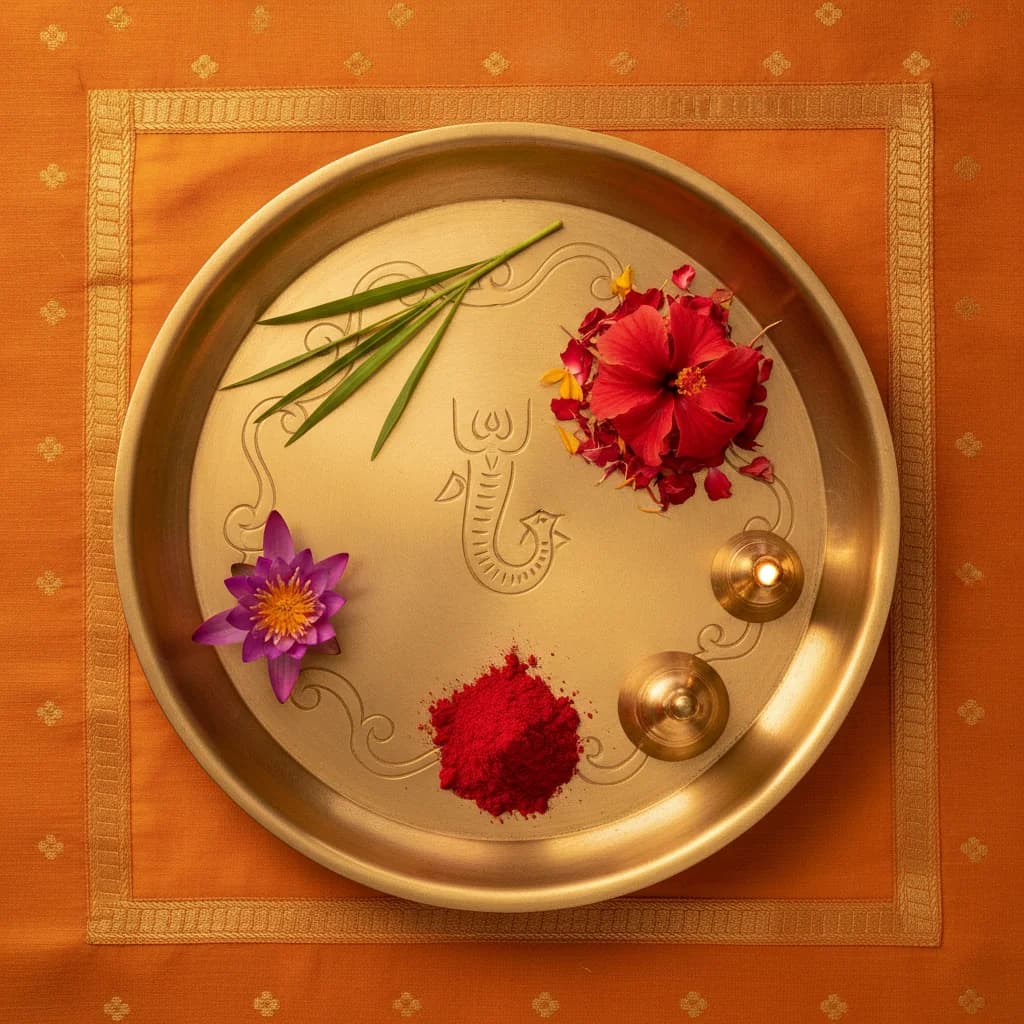
Many devotees add one of these alongside the puja, for gratitude, ancestral remembrance, or a simple act of giving.
Real moments from the sankalps, abhisheks and hawans our pandits have performed at the temples, taken from the puja videos.
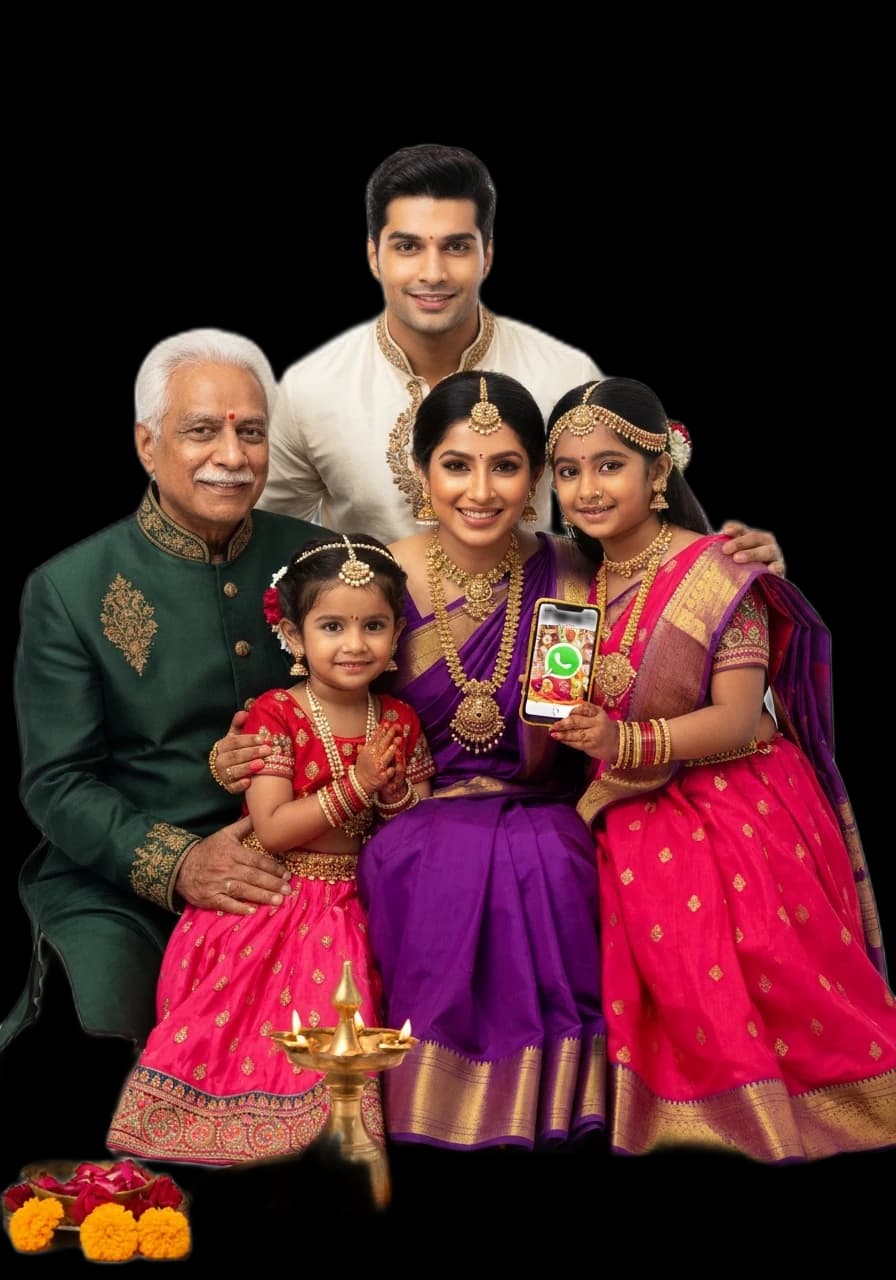
Watch real puja & chadhava deliveries, sent to devotees on WhatsApp after completion.
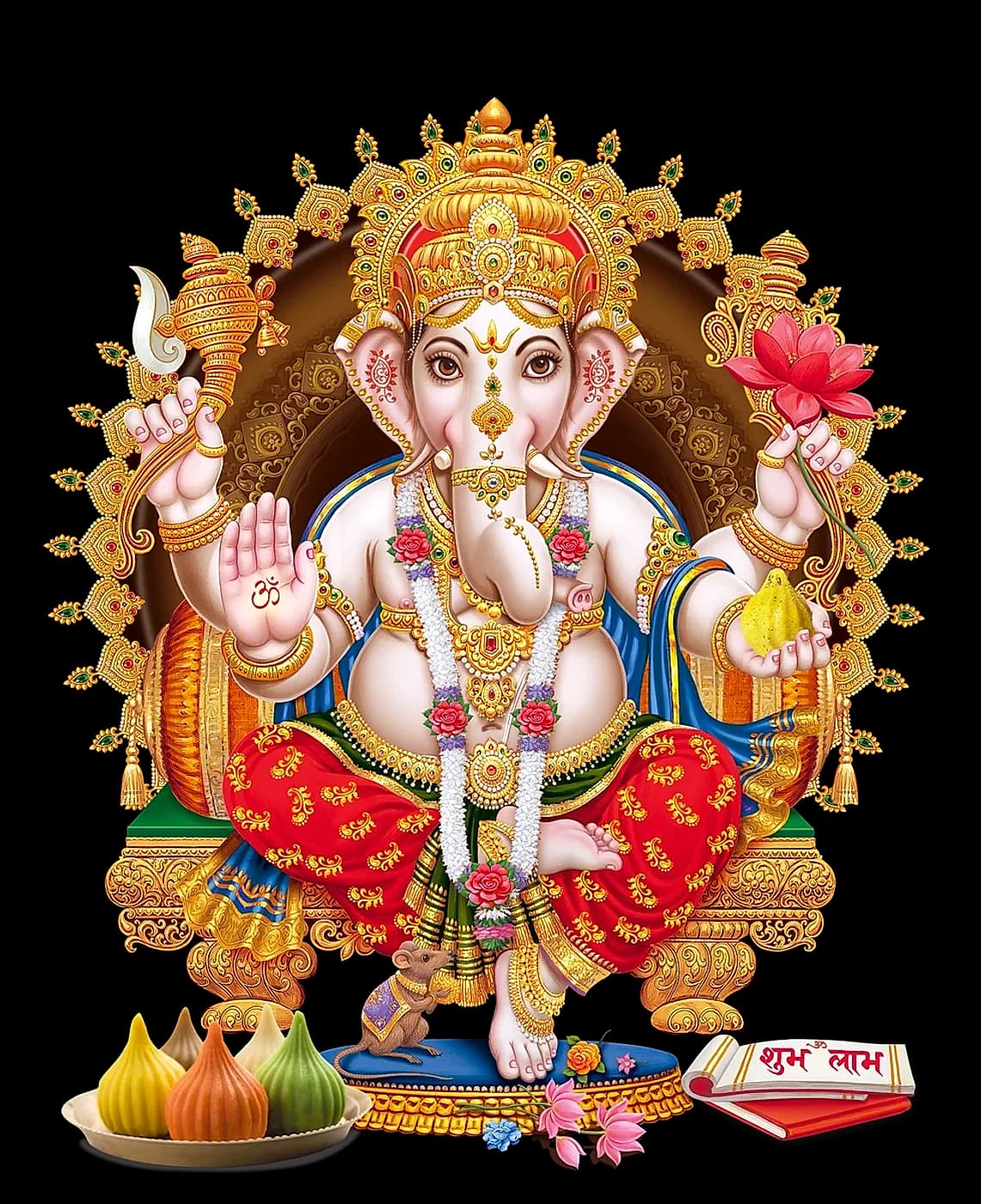
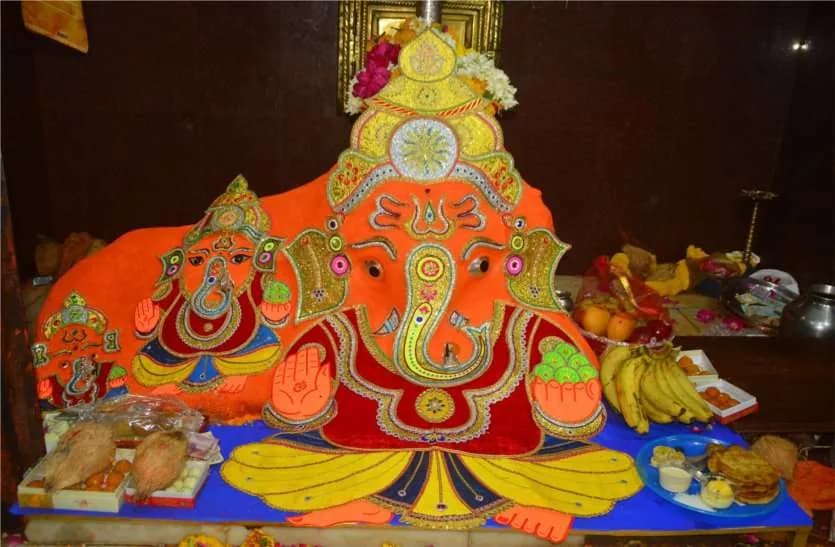
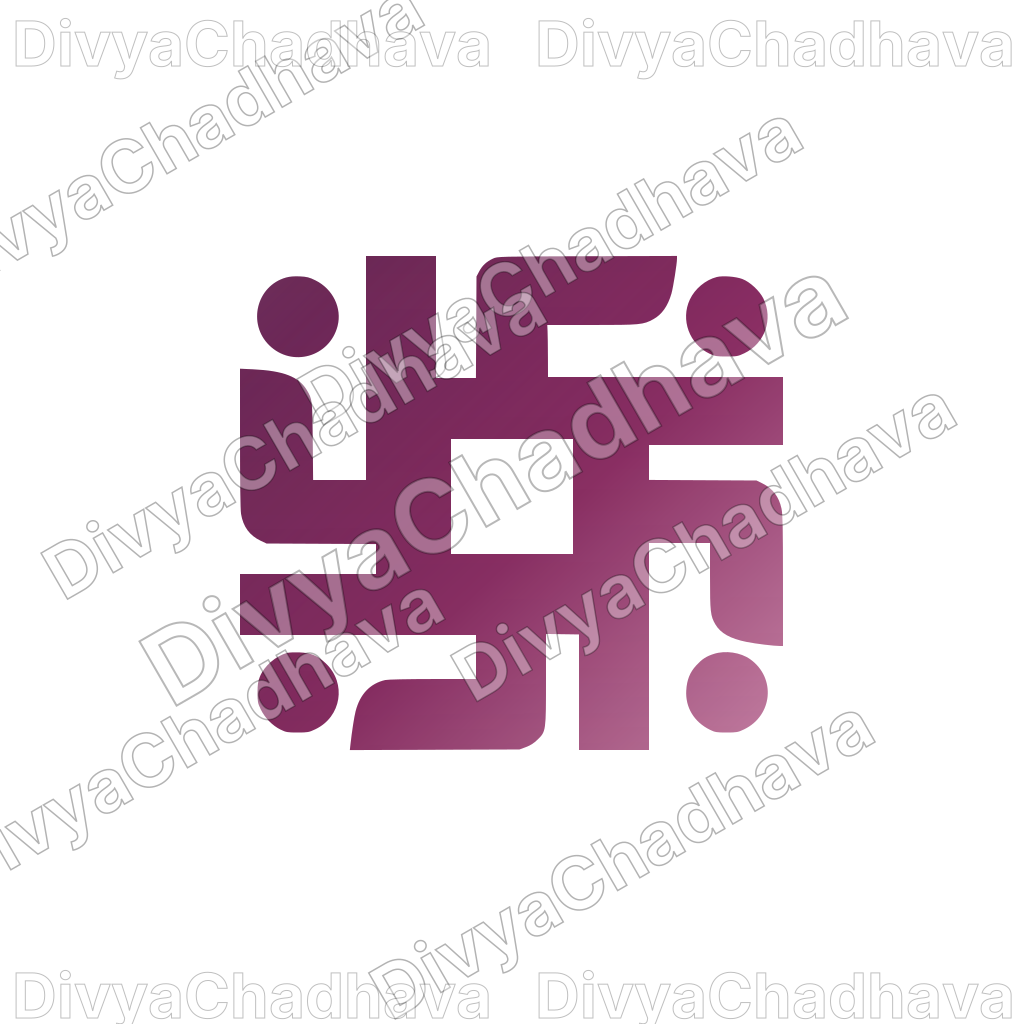
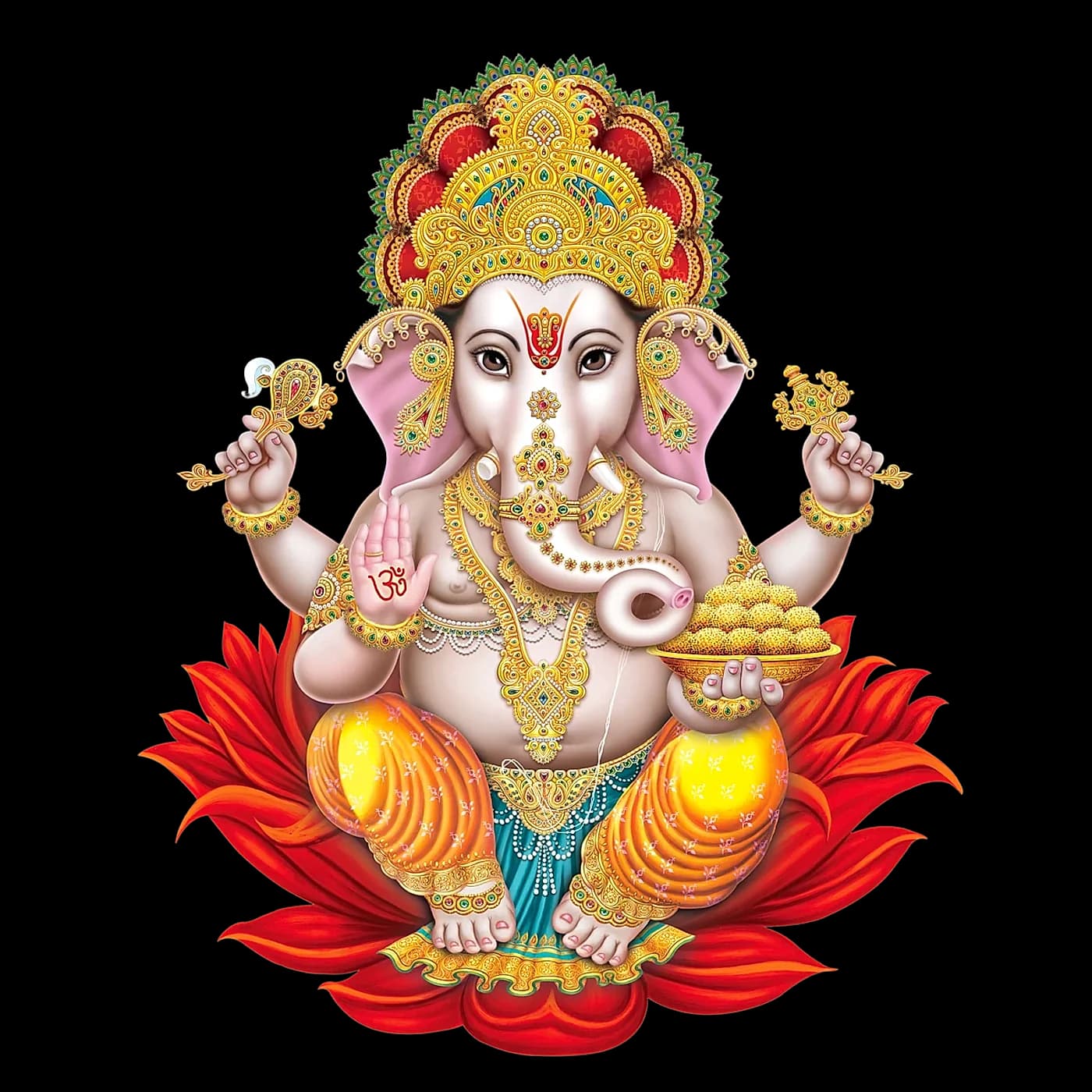
About Shri Chintaman Ganesh MandirSix kilometres from Mahakaleshwar, across the Kshipra at Jawasia, stands the oldest Ganesh darbar of Ujjain. Tradition holds that Ram, Lakshman and Sita halted here in their vanvas; the well beside the temple is still called Lakshman Bavdi. In one garbhagriha three Ganeshas sit side by side: Chintaman, worshipped by Ram, who takes the worry; Icchaman, installed by Lakshman, who grants the wish; and Siddhivinayak, installed by Sita, who completes the work. Ahilyabai Holkar raised the structure that stands today. Families of Malwa leave a worry on its wall as a reversed swastik and return to set it straight when the wish is granted. On Ganesh Chaturthi, the day Ganpati arrives, the darbar fills from morning to night, which is why the Vighnaharta Yagya is offered here that day.

 How the ritual is performed
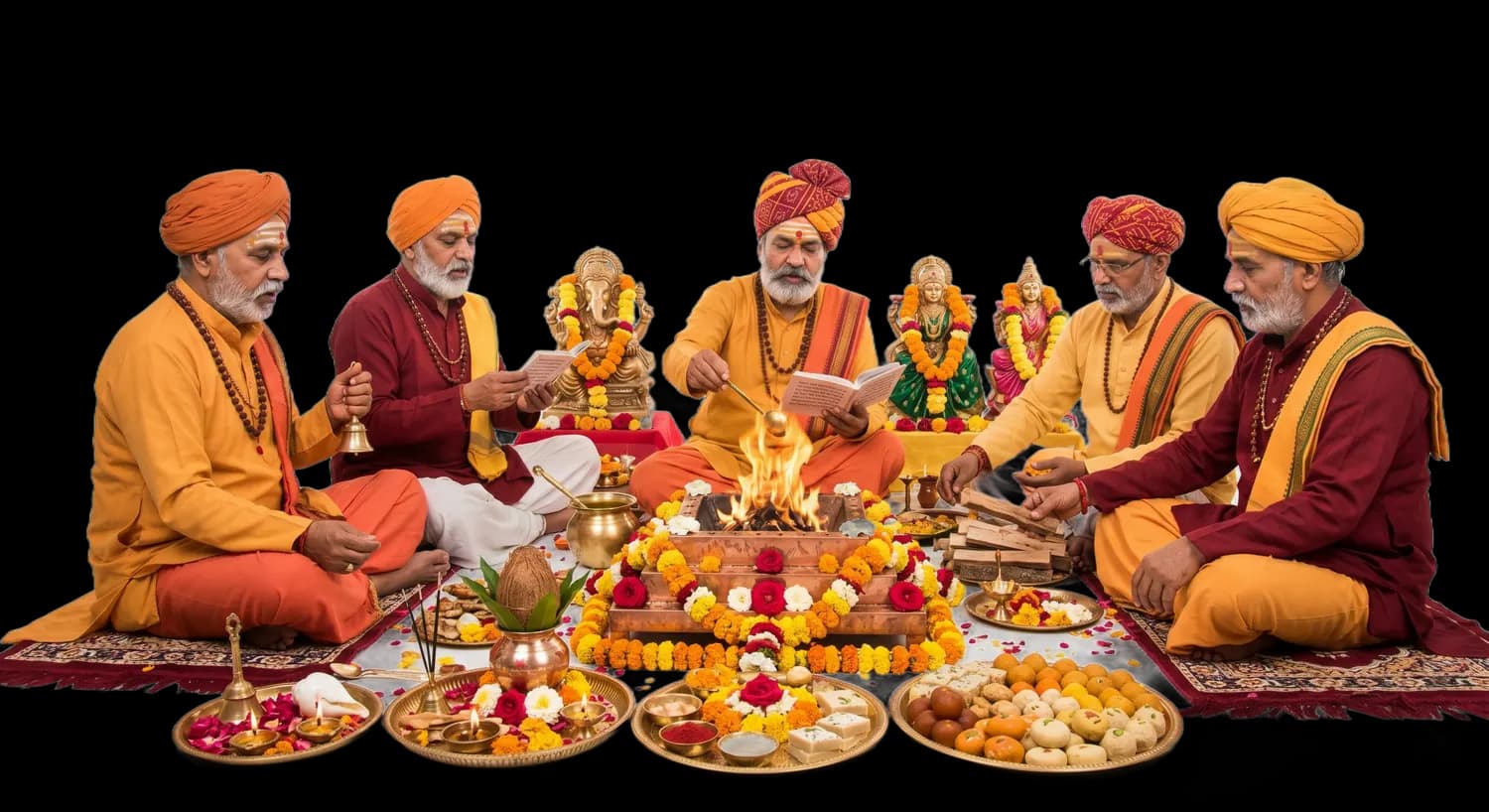
The Vighnaharta Yagya and your naam-gotra sankalp are carried at the Chintaman Ganesh darbar on Bhadrapada Shukla Chaturthi, the day Ganpati arrives.

 Why Divyachadhava
Devotees want the yagya carried with care, a clear ritual, a clear video, and a clear naam-gotra spoken before Chintaman Ganesh at Ujjain.


Ganesh Chaturthi is the day Ganpati arrives. At Ujjain he has sat in three forms since Shri Ram, Lakshman and Sita halted here in their vanvas: Chintaman who takes the worry, Icchaman who grants the wish, Siddhivinayak who completes the work. On 14 September 2026, this once-a-year Chaturthi, a Vighnaharta Yagya goes before him in your naam-gotra.