


 ॐ नमो भगवते वासुदेवाय
Vishnu Sahasranama is the sacred hymn of a thousand names of Lord Vishnu from the Mahabharata, chanted for peace, protection and spiritual upliftment.
Vishnu Sahasranama, the hymn of the thousand names of Lord Vishnu, appears in the Anushasana Parva of the Mahabharata, where Bhishma Pitamah, lying on his bed of arrows, teaches it to Yudhishthira as the highest means of overcoming all sorrow and attaining the supreme good. It is one of the most widely recited stotras in Sanatan Dharma, revered equally by Vaishnavas and Shaivas, because it also contains many names shared with Shiva, affirming the underlying oneness of the divine.
The Setting: Bhishma's Teaching to Yudhishthira
After the great war, a grief-stricken Yudhishthira asks Bhishma, who alone can grant true peace of mind, what is the one name, one deity, and one hymn by chanting which a person can be freed from all sorrow and attain liberation. Bhishma answers by reciting the thousand names of Vishnu, declaring that constant repetition of these names, with devotion, is the surest path to peace, prosperity and moksha.
Dhyana Shlokas (Meditation Verses)
Before the names begin, these meditation verses are recited to visualize the form of Vishnu:
शुक्लाम्बरधरं विष्णुं शशिवर्णं चतुर्भुजम्। प्रसन्नवदनं ध्यायेत् सर्वविघ्नोपशान्तये॥
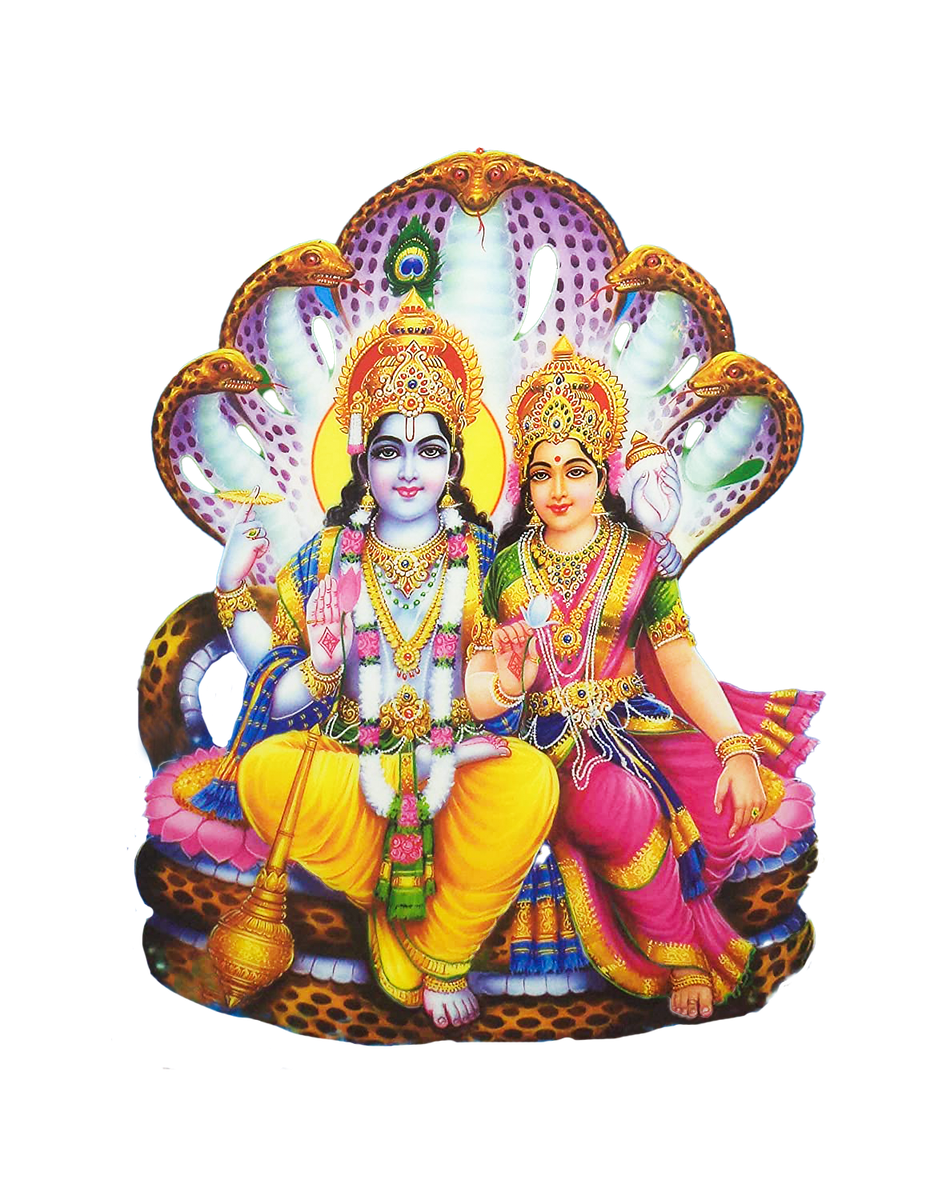
Meaning: I meditate upon Lord Vishnu, clad in white garments, moon-like in complexion, four-armed, with a serene face, for the removal of all obstacles.
यस्य द्विरद वक्त्राद्याः पारिषद्याः परः शतम्। विघ्नं निघ्नन्ति सततं विष्वक्सेनं तमाश्रये॥
व्यासं वसिष्ठनप्तारं शक्तेः पौत्रमकल्मषम्। पराशरात्मजं वन्दे शुकतातं तपोनिधिम्॥
व्यासाय विष्णुरूपाय व्यासरूपाय विष्णवे। नमो वै ब्रह्मनिधये वासिष्ठाय नमो नमः॥
अविकाराय शुद्धाय नित्याय परमात्मने। सदैकरूपरूपाय विष्णवे सर्वजिष्णवे॥
यस्य स्मरण मात्रेण जन्मसंसारबन्धनात्। विमुच्यते नमस्तस्मै विष्णवे प्रभविष्णवे॥
ॐ नमो विष्णवे प्रभविष्णवे।
Opening Verses of the Sahasranama
श्री वैशम्पायन उवाच: श्रुत्वा धर्मानशेषेण पावनानि च सर्वशः। युधिष्ठिरः शान्तनवं पुनरेवाभ्यभाषत॥
किमेकं दैवतं लोके किं वाप्येकं परायणम्। स्तुवन्तः कं कमर्चन्तः प्राप्नुयुर्मानवाः शुभम्॥
को धर्मः सर्वधर्माणां भवतः परमो मतः। किं जपन्मुच्यते जन्तुर्जन्मसंसारबन्धनात्॥
श्री भीष्म उवाच: जगत्प्रभुं देवदेवमनन्तं पुरुषोत्तमम्। स्तुवन्नाम सहस्रेण पुरुषः सततोत्थितः॥
तमेव चार्चयन्नित्यं भक्त्या पुरुषमव्ययम्। ध्यायन् स्तुवन् नमस्यंश्च यजमानस्तमेव च॥
अनादिनिधनं विष्णुं सर्वलोकमहेश्वरम्। लोकाध्यक्षं स्तुवन्नित्यं सर्वदुःखातिगो भवेत्॥
The Thousand Names (Opening Portion)
The main stotra unfolds as 108 shlokas in which the thousand names appear in a continuous, flowing sequence. Here is the celebrated opening verse and several of the most chanted portions:
ॐ विश्वं विष्णुर्वषट्कारो भूतभव्यभवत्प्रभुः। भूतकृद् भूतभृद्भावो भूतात्मा भूतभावनः॥ १॥
पूतात्मा परमात्मा च मुक्तानां परमा गतिः। अव्ययः पुरुषः साक्षी क्षेत्रज्ञोऽक्षर एव च॥ २॥
योगो योगविदां नेता प्रधानपुरुषेश्वरः। नारसिंहवपुः श्रीमान् केशवः पुरुषोत्तमः॥ ३॥
सर्वः शर्वः शिवः स्थाणुर्भूतादिर्निधिरव्ययः। संभवो भावनो भर्ता प्रभवः प्रभुरीश्वरः॥ ४॥
स्वयंभूः शम्भुरादित्यः पुष्कराक्षो महास्वनः। अनादिनिधनो धाता विधाता धातुरुत्तमः॥ ५॥
अप्रमेयो हृषीकेशः पद्मनाभोऽमरप्रभुः। विश्वकर्मा मनुस्त्वष्टा स्थविष्ठः स्थविरो ध्रुवः॥ ६॥
अग्राह्यः शाश्वतः कृष्णो लोहिताक्षः प्रतर्दनः। प्रभूतस्त्रिककुब्धाम पवित्रं मंगलं परम्॥ ७॥
ईशानः प्राणदः प्राणो ज्येष्ठः श्रेष्ठः प्रजापतिः। हिरण्यगर्भो भूगर्भो माधवो मधुसूदनः॥ ८॥
ईश्वरो विक्रमी धन्वी मेधावी विक्रमः क्रमः। अनुत्तमो दुराधर्षः कृतज्ञः कृतिरात्मवान्॥ ९॥
सुरेशः शरणं शर्म विश्वरेताः प्रजाभवः। अहः संवत्सरो व्यालः प्रत्ययः सर्वदर्शनः॥ १०॥
Middle Portion — Names of Compassion and Power
The stotra continues through names describing Vishnu as the sustainer of the universe, the destroyer of sin, the giver of liberation, and the essence of all Vedas — names such as Achyuta, Ananta, Govinda, Madhava, Damodara, Vasudeva, Sanatana, Kapila, Trivikrama, Narayana, Padmanabha, Sarveshvara, Shantah, Sarvashuchi, Ajah, Yogah, Gadhagrajah and hundreds more, each capturing a different quality — creator, protector, dissolver, the one beyond time, the witness within every heart, the giver of righteous fruits, the friend of the humble, and the shelter of the surrendered.
Concluding and Phalashruti Verses
Toward the close, the stotra affirms the fruit of chanting it:
यानि नामानि गौणानि विख्यातानि महात्मनः। ऋषिभिः परिगीतानि तानि वक्ष्यामि भूतये॥
इति नाम्नां सहस्रं तु देवदेवस्य धीमतः। अर्थतस्तत्प्रवक्ष्यामि नामसंग्रह मात्रतः॥
Bhishma tells Yudhishthira that one who recites these thousand names with a pure mind, with devotion and faith, is freed from all sins, attains happiness in this world, and after death attains the supreme abode of Vishnu. He also declares that the single name "Vasudeva" holds the essence of all thousand names, so that even chanting Om Namo Bhagavate Vasudevaya alone carries the merit of the entire Sahasranama.
The closing dedicatory verse is:
नमो नमस्ते सकलं समग्रं तवैव रूपं परमेश्वराय। आद्यन्तहीनाय पुराणपूर्णाय ते नमः॥
How to Chant Vishnu Sahasranama
1. Bathe and sit facing east, before an image of Vishnu, Lakshmi-Narayan, or a Shaligram, with a diya and incense. 2. Begin with the dhyana shlokas, then recite the full stotra steadily, without rushing, allowing each name to settle in the mind. 3. Ekadashi, Thursdays, Vishnu-related festivals like Vaikuntha Ekadashi, and the month of Kartik are especially auspicious times. 4. A tulsi mala is traditionally used if japa of individual names or repeated recitation is undertaken. 5. Reciting it in the early morning (Brahma Muhurta) or at dusk is considered most beneficial; a full recitation takes about 30-40 minutes.
Benefits of Vishnu Sahasranama
Regular chanting is believed to bring inner peace and mental clarity, protection from obstacles and negative influences, prosperity and the removal of financial hardship, purification from past errors, and steady progress on the path of devotion and liberation. It is also widely chanted for the healing and well-being of family members and to invoke Lakshmi's grace alongside Vishnu's protection.
Frequently Asked Questions
Who can chant Vishnu Sahasranama? Anyone, regardless of age or background, may chant it with a sincere and devoted heart; no special initiation is required, though learning correct pronunciation from a knowledgeable source helps.
Is it necessary to chant all 1000 names every day? A full recitation is ideal, but even chanting a few verses daily, or the single Vasudeva mantra, with devotion is considered meaningful, since Bhishma himself says the essence of all names rests in that one name.
What is the best day to start? Ekadashi or a Thursday, especially during Kartik month or around Vaikuntha Ekadashi, is considered an auspicious day to begin a regular practice.
Can it be chanted for a departed soul's peace? Yes, Vishnu Sahasranama is commonly recited during shraddha and pind-daan related observances for the peace of ancestors, alongside appropriate rites.
Quick guide
Before you begin
Mantra
Vishnu mantra
Om Namo Bhagavate Vasudevaya
Chant before katha or aarti while praying for protection, dharma, and peace.
Bhav
Benefits devotees pray for
FAQ
Common questions
Who can chant Vishnu Sahasranama?
Anyone with a sincere heart, regardless of background; correct pronunciation is best learned from a knowledgeable source.
Is chanting all 1000 names daily necessary?
A full recitation is ideal, but even the Vasudeva mantra daily is considered to carry the essence of the whole stotra.
What is the best day to begin?
Ekadashi or Thursday, especially in Kartik month or around Vaikuntha Ekadashi.
Can it be chanted for ancestors' peace?
Yes, it is commonly recited during shraddha and pind-daan related observances.
Book Vishnu Sahasranama Path
Invite peace, prosperity and divine grace into your home with a Vishnu Sahasranama path performed with full devotion.