



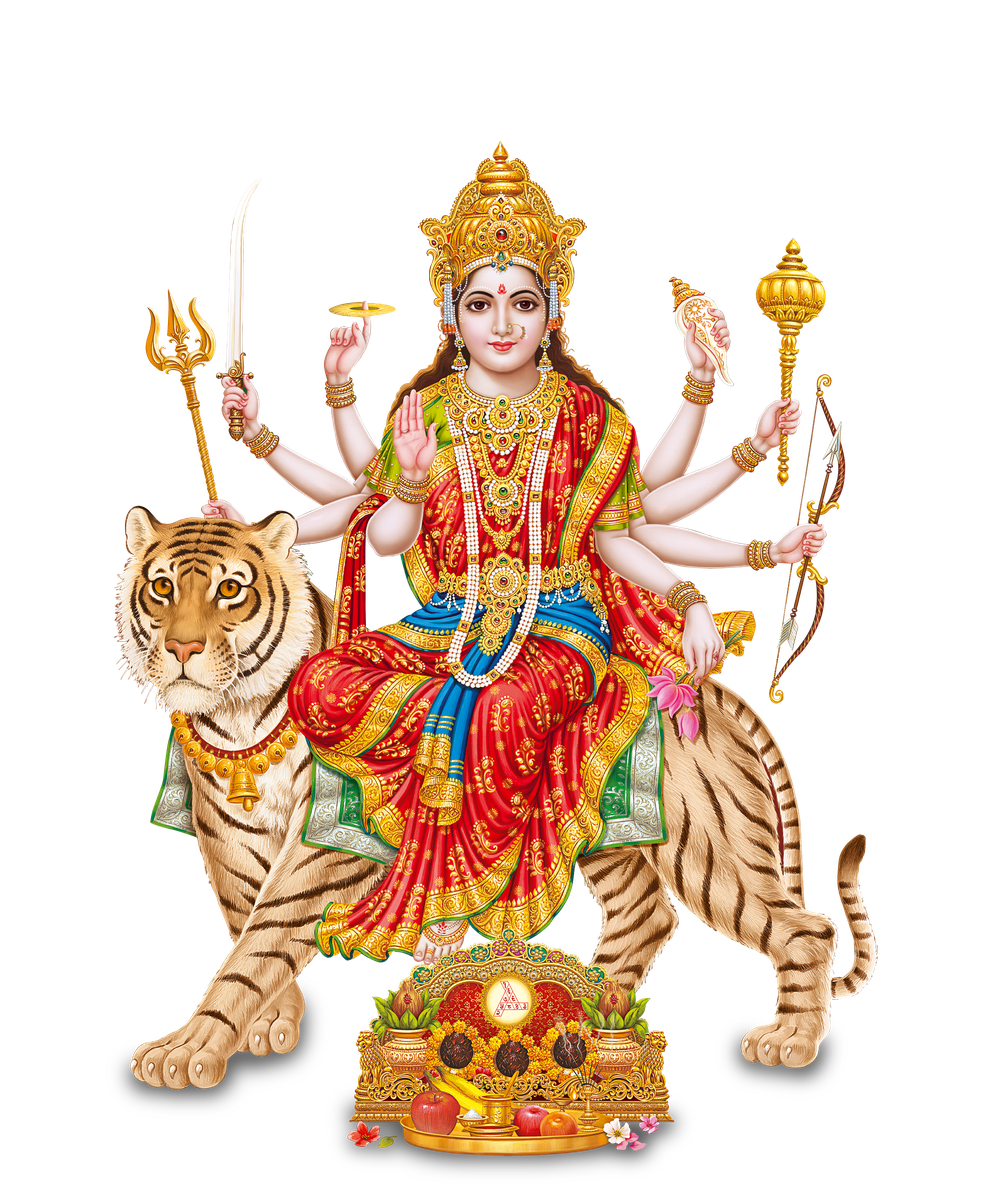
 ॐ ऐं सरस्वत्यै नमः
The story of Goddess Saraswati's origin from Brahma's creation and how her worship on Vasant Panchami blesses devotees with wisdom, speech and the arts.
Vasant Panchami, celebrated on the fifth day (Panchami) of the Shukla Paksha of the Hindu month of Magh, marks the arrival of spring and is dedicated to Goddess Saraswati, the deity of knowledge, wisdom, music, art and speech. This day is considered especially auspicious for beginning a child's formal education, starting new creative pursuits, and invoking blessings for clarity of intellect and eloquence.
The Origin Story of Goddess Saraswati
According to the Puranas, when Lord Brahma completed the creation of the universe, he observed that though the earth, sky, mountains, rivers and living beings had come into existence, there was an eerie silence everywhere. There was no sound, no music, no speech to express thought, and the created world felt incomplete and lifeless despite being physically full.
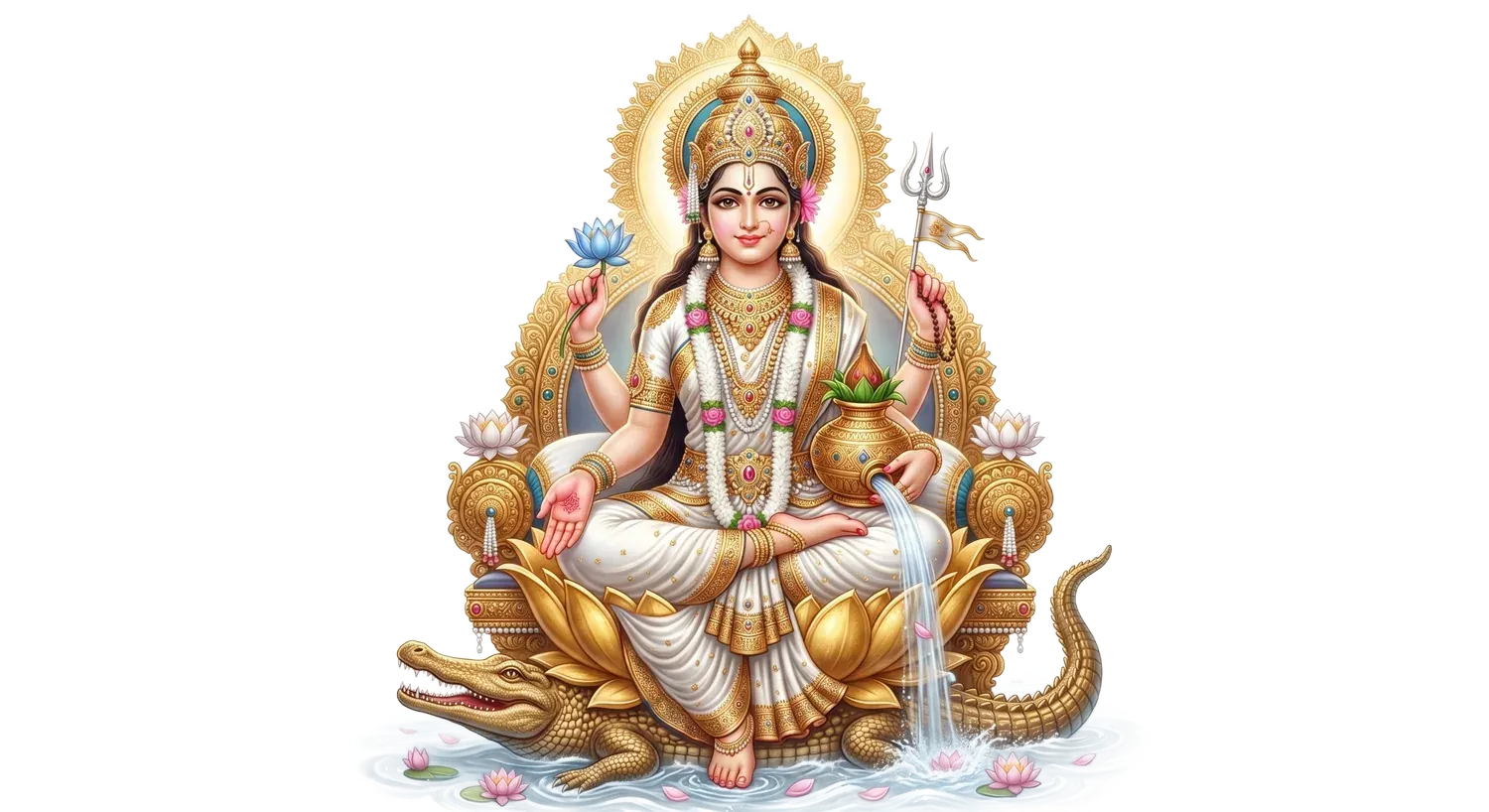
Troubled by this silence, Lord Brahma used his divine power to manifest a radiant, four-armed goddess from his own being. She held a veena (a stringed musical instrument) in two hands, a book (representing knowledge) and a mala (rosary, representing meditation and spiritual discipline) in the other two, and was seated gracefully upon a white lotus, dressed in white, symbolising purity. This goddess was Saraswati.
Brahma requested her to fill the world with sound, knowledge and harmony. When Devi Saraswati played her veena, the universe was filled with melody for the first time. Rivers began to flow with a murmuring sound, birds started to sing, wind rustled through leaves, and human beings gained the power of speech and articulate thought. Thus, the world moved from a silent creation to a living, expressive one, entirely through Saraswati's grace. It is believed that she manifested on this very day of Magh Shukla Panchami, and this is why the day is celebrated as her puja day.
The Legend of Saraswati and Language
Another popular tradition holds that before Saraswati's appearance, even though beings existed, they had no capacity for articulate expression — no language, no words. It was Saraswati who bestowed upon humans and other beings the ability to think in words and communicate through speech and script. This is why she is revered as the goddess of "Vaak" (speech) and is invoked by students, writers, musicians, and anyone seeking clarity of thought and expression, before beginning any study or creative work.
Association with Kamadeva and Spring
Vasant Panchami is also linked with Kamadeva, the god of love, and his wife Rati. According to legend, it was on this day that Kamadeva's bow, made of sugarcane and strung with a line of bees, and his arrows of flowers, were believed to spread the sweetness of spring and love throughout nature — trees blossom, flowers bloom, and the mustard fields turn a vibrant yellow, symbolising the season's joy and fertility. This is why yellow is the predominant colour of the festival, worn by devotees and used to decorate the puja and offerings, and mustard (sarson) flowers are especially significant.
Puja Vidhi (Method of Worship)
Devotees rise early, bathe and wear yellow clothing, since yellow represents the vibrancy of spring, knowledge and the sacredness of the day. An idol or picture of Goddess Saraswati is placed on a clean, decorated platform, ideally facing east.
The following items are commonly offered: yellow flowers (especially marigold), a yellow cloth or dupatta draped over the idol, yellow sweets (such as boondi or kesar-based dishes), books, musical instruments, pens and other items of learning are placed near the deity to be blessed. Many families perform "Vidyarambham" or "Akshar Abhyasam" on this day — a child's first initiation into writing and reading, where the child is guided to write their first letters, often "Om" or the alphabet, with a parent or teacher's hand over theirs, invoking Saraswati's blessings for lifelong learning.
The puja begins with an invocation (avahan) of the goddess, followed by offering flowers, incense (dhoop), a lit lamp (deepa), and food offerings (naivedya). The Saraswati Vandana is recited:
या कुन्देन्दुतुषारहारधवला या शुभ्रवस्त्रावृता या वीणावरदण्डमण्डितकरा या श्वेतपद्मासना या ब्रह्माच्युत शंकरप्रभृतिभिर्देवैः सदा वन्दिता सा मां पातु सरस्वती भगवती निःशेषजाड्यापहा
This shloka describes the goddess as fair as the jasmine flower, moon, and snow, clad in white garments, holding the veena, seated on a white lotus, and worshipped eternally by Brahma, Vishnu and Shiva, and prays that she remove all dullness of intellect (jadya) from the devotee.
An aarti is performed at the end, and prasad is distributed. Books, musical instruments and tools of one's craft are kept near the goddess through the day and are not touched or used for study/practice until after the puja, as a mark of respect, and are then "reopened" as a symbolic fresh beginning of learning.
Why Students and Artists Worship Saraswati
Since Saraswati governs knowledge, wisdom, music, and the arts, students pray to her for clarity of mind, better concentration, and success in studies and examinations. Musicians, writers, painters, and other artists seek her blessings for creative inspiration and mastery of their craft. Many educational institutions and schools organise special Saraswati puja on this day, with students offering their books and instruments for blessings.
Significance and Benefits
Vasant Panchami is considered one of the most auspicious days in the Hindu calendar for starting new ventures related to learning and the arts — beginning a child's education, starting music or dance lessons, launching a new book, or beginning any creative project. It is regarded as a "swayam siddha muhurat" — a self-auspicious time that does not require further astrological consultation, making it a favoured day even for weddings and other ceremonies in many regions.
The day teaches devotees that true fulfilment in the material world of creation is incomplete without knowledge, wisdom and the ability to express oneself — and that these gifts are divine graces to be sought with humility and reverence.
Conclusion
The story of Goddess Saraswati's manifestation reminds us that creation is only truly alive when infused with knowledge, harmony and expression. Vasant Panchami, celebrated with her puja amidst the blossoming mustard fields and the fresh vibrancy of spring, is a beautiful reminder to renew our pursuit of wisdom, art and clear communication, inviting Devi Saraswati's blessings into every sphere of learning and creativity.
Quick guide
Before you begin
Mantra
Saraswati mantra
Om Aim Saraswatyai Namah
Chant before study, writing, music, or any work that needs clarity.
Bhav
Benefits devotees pray for
FAQ
Common questions
What is the story behind Vasant Panchami and Goddess Saraswati?
According to the Puranas, Lord Brahma manifested Saraswati to fill his silent creation with sound, knowledge and speech, and she is believed to have appeared on this day.
Why is yellow significant on Vasant Panchami?
Yellow symbolises the vibrancy of spring, the blossoming mustard fields, and knowledge; devotees wear yellow and offer yellow flowers and sweets to the goddess.
What is Vidyarambham?
It is the ceremony where a young child is initiated into writing and learning for the first time, guided by an elder, invoking Saraswati's blessings for education.
Why is this considered a self-auspicious muhurat?
Vasant Panchami is regarded as a 'swayam siddha muhurat', a naturally auspicious day that does not require separate astrological verification, ideal for new beginnings.
Invoke Devi Saraswati's Blessings This Vasant Panchami
Book a Saraswati puja for wisdom, learning and creative success, performed with authentic Vedic vidhi.