



 मंगलवार व्रत एवं साधना
Simple, safe Tuesday rituals dedicated to Hanuman Ji that traditionally help remove obstacles, fear and negative energy from life.
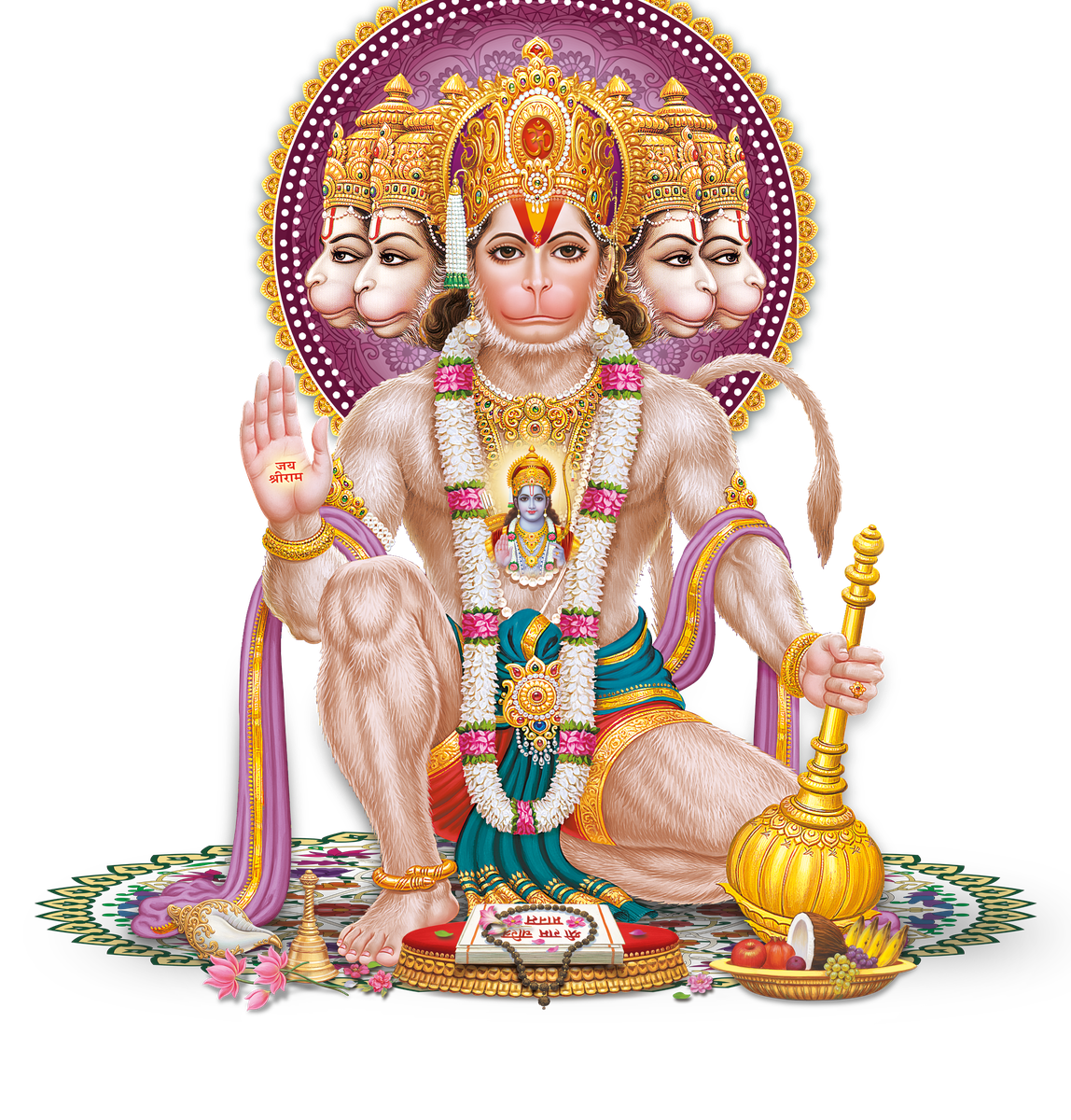
Tuesday, known as Mangalvar, is traditionally considered the most auspicious day to worship Lord Hanuman — the embodiment of strength, devotion and fearless service to Shri Ram. Devotees across India turn to Hanuman Ji on this day when they feel stuck, fearful, surrounded by obstacles, or troubled by negative energy, because his blessing is believed to dissolve fear (bhaya) and clear the path forward (vighna nashak).
Why Tuesday is special for Hanuman worship
Mangal (Mars) governs courage, willpower and physical strength — qualities Hanuman Ji embodies perfectly. Scriptures and popular tradition therefore link this day especially to him. Many temples see the heaviest footfall of the week on Tuesdays, and the Hanuman Chalisa itself is most commonly recited on this day.
Simple Puja Vidhi for Tuesday
Wake early, bathe, and wear clean red or orange clothing if possible, as red is considered Hanuman Ji's favourite colour.
Face east or towards a Hanuman idol or picture. Light a diya with pure ghee or til (sesame) oil.
Offer a garland of red flowers, and apply sindoor (vermilion mixed with chameli oil) to the murti or picture, remembering the legend of Hanuman Ji applying sindoor to his own body out of devotion to Ram.
Offer boondi, gud-chana (jaggery and roasted gram), or a banana as prasad.
Recite the Hanuman Chalisa (ideally at least once, or 3, 5 or 11 times for a specific intention), followed by the Bajrang Baan if you know it, and conclude with the aarti.
After puja, distribute the prasad and try to keep the mind calm and free of anger for the rest of the day.
Core Mantra
Om Hanumate Namah
This simple beej-like mantra can be chanted 108 times on a tulsi or rudraksha mala. For deeper protection, the longer mantra is also popular:
मनोजवं मारुततुल्यवेगं जितेन्द्रियं बुद्धिमतां वरिष्ठम्। वातात्मजं वानरयूथमुख्यं श्रीरामदूतं शरणं प्रपद्ये।।
This shloka from the Ramayana praises Hanuman Ji's speed, control over the senses, wisdom and role as Ram's devoted messenger, and is chanted while seeking his refuge and protection.
Practical remedies (upay) associated with Tuesday
Offering sindoor and chameli oil at a Hanuman temple is one of the most common remedies for removing obstacles and building confidence.
Lighting a mustard or til oil lamp beneath a peepal tree on Tuesday evening, combined with a short prayer to Hanuman Ji, is a traditional remedy for those facing repeated setbacks, especially when Shani (Saturn) is also considered unfavourable, since Hanuman Ji's grace is said to soften Shani's harsher effects.
Tying a red thread (mauli) around the wrist after taking sankalp (a firm intention) before the puja is a simple way many devotees mark a fresh beginning or a specific wish.
Feeding jaggery and roasted gram to monkeys, or offering food to the needy on Tuesday, is considered an extension of Hanuman seva, since monkeys are associated with him.
Reciting the Hanuman Chalisa daily, not only on Tuesday, is recommended for anyone who wants sustained protection from fear, negative influences and difficult situations — consistency matters more than occasional intense effort.
Dos and Don'ts
Do maintain cleanliness and simplicity in the puja; elaborate rituals are not required — sincere devotion (bhakti) matters most.
Do avoid non-vegetarian food and alcohol on the day you perform this upay, as satvik conduct is considered important for the remedy to work well.
Do not perform this upay with anger, ego or the intention to harm anyone — Hanuman Ji's blessings flow through humility and surrender, not through resentment.
Women are traditionally advised to worship Hanuman Ji from a respectful distance rather than touching the idol directly, though heartfelt prayer, chalisa recitation and offering flowers are always welcome and effective.
A gentle note
These remedies are rooted in devotion (bhakti) and long-standing tradition; they work best as a way to calm the mind, build inner strength and stay consistent in effort, alongside — never instead of — sensible real-world action. If you are facing serious legal, medical or financial difficulty, please also consult the relevant qualified professional.
Frequently Asked Questions
continued below in FAQ section.
Quick guide
Before you begin
Mantra
Hanuman mantra
Om Hanumate Namah
Chant on Tuesday or Saturday for strength, protection, and devotion.
Bhav
Benefits devotees pray for
FAQ
Common questions
Can this upay be done at home without visiting a temple?
Yes. While a Hanuman temple visit is auspicious, the same puja — diya, sindoor, Chalisa recitation — can be performed sincerely at home before a picture or idol with equal devotion.
How many times should the Hanuman Chalisa be recited?
Even one heartfelt recitation is meaningful. For a specific intention, 3, 5, 11 or 108 recitations over consecutive Tuesdays are traditionally followed, but consistency matters more than the exact count.
Is it necessary to fast on Tuesday for this upay to work?
Fasting is optional and a separate personal vrat. The core remedy — puja, mantra and Chalisa — is effective on its own; only undertake a fast if you are healthy enough and it feels right for you.
Can women perform this Hanuman upay?
Yes, women can absolutely worship Hanuman Ji, offer flowers, light a diya and recite the Chalisa with full devotion; only direct touching of the idol during certain days is traditionally avoided out of respect for regional customs.
Seek Hanuman Ji's Blessings Through a Puja
If you wish to have a dedicated Hanuman puja performed with full vidhi on your behalf, explore our puja offerings.