



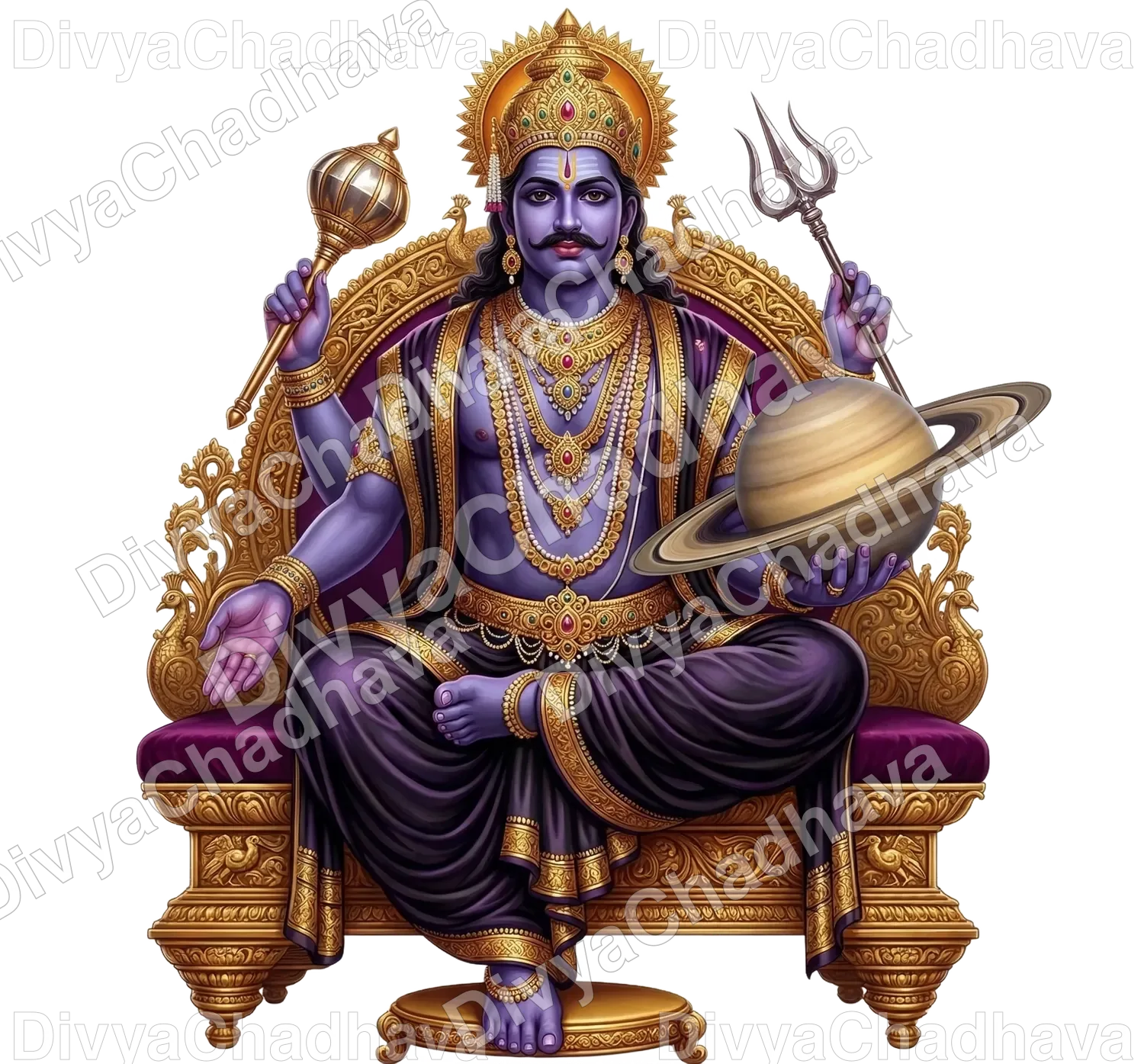
 शनि देव कृपा
The complete Shani Chalisa with Devanagari lyrics, verse-by-verse meaning, and the correct method to chant it for relief from Sade Sati, Dhaiya, and Shani-related struggles.
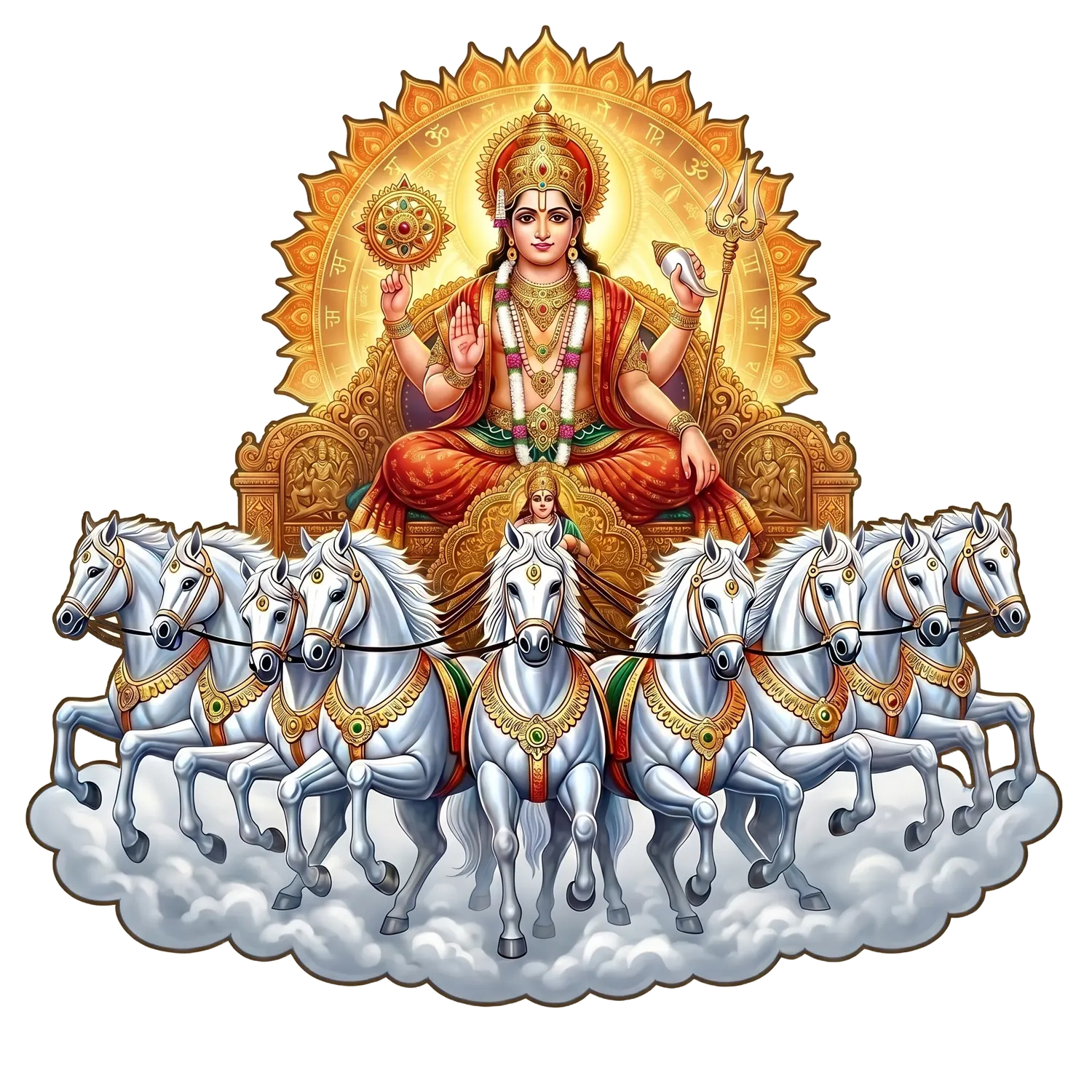
Shani Dev, the son of Surya (the Sun) and Chhaya, is revered in Sanatan Dharma as the deva of karma, justice, discipline, and time. He is often feared for the hardships of Sade Sati and Dhaiya, yet devotees who understand his true nature know him as a scrupulously fair judge who rewards righteous effort and removes obstacles born of one's own past actions. The Shani Chalisa is a forty-verse hymn that describes his form, his famous episodes from scripture, and prays for his grace so that hardship is softened into a teacher rather than a punishment.
Complete Shani Chalisa (Devanagari)
दोहा
जय गणेश गिरिजा सुवन, मंगल करण कृपाल। दीनन के दुःख दूर कर, कीजे नाथ निहाल।।
जय जय श्री शनिदेव प्रभु, सुनहु विनय महाराज। करहु कृपा हे रवि तनय, राखहु जन की लाज।।
चौपाई
जयति जयति शनिदेव दयाला। करत सदा भक्तन प्रतिपाला।। चारि भुजा तनु श्याम विराजै। माथे रतन मुकुट छवि छाजै।।
परम विशाल मनोहर भाला। टेढ़ी दृष्टि भृकुटि विकराला।। कुण्डल श्रवण चमाचम चमकैं। हिय माल मुक्तन मणि दमकैं।।
कर में गदा त्रिशूल कुठारा। पल बिच करैं अरिहिं संहारा।। पिंगल कृष्णो छाया नन्दन। यम कोणस्थ रौद्र दुःख भंजन।।
सौरी मंद शनि दश नामा। भानु पुत्र पूजहिं सब कामा।। जा पर प्रभु प्रसन्न हैं जाहीं। रंकहुं राव करैं क्षण माहीं।।
पर्वतहू तृण होई निहारत। तृणहू को पर्वत करि डारत।। राज मिलत बन रामहिं दीन्हा। कैकेइहूं की मति हरि लीन्हा।।
बनहूं में मृग कपट देखाई। मातु जानकी गई चोराई।। लखनहिं शक्ति विकल करि डारा। मचि गयो दल में हाहाकारा।।
रावण की गति मति बौराई। रामचन्द्र सों बैर बढ़ाई।। दियो कीट करि कंचन लंका। बाजि उठी बजरंग की डंका।।
नृप विक्रम पर तुहीं पगु धारा। चित्र मयूर निगलि गै हारा।। हार नौलख का लाग्यो चोरी। हाथ पैर डरवायो तोरी।।
भारी दशा निकृष्ट दिखाई। तेलिहिं घर कोल्हू चलवाई।। विनय राग दीपक सो कीन्हा। तब प्रसन्न प्रभु ह्वै सुख दीन्हा।।
हरिश्चन्द्र नृप नारि बिकानी। आपहु भरे डोम घर पानी।। तैसे नल पर दशा सिरानी। भूंजी मीन कूद गई पानी।।
श्री शंकरहिं गहयो जब जाई। पारवती को सती कराई।। तनिक विलोकत ही करि रीसा। नभ उड़ि गयो गौरिसुत सीसा।।
पाण्डव पर भे दशा तुम्हारी। बचि द्रोपदी होति उघारी।। कौरव के भी गति मति मारयो। युद्ध महाभारत करि डारयो।।
रवि कहं मुख महं धरि तत्काला। लेकर कूदि परयो पाताला।। देवन आनि शनि तब छुड़ाई। भगत बछल तुम रीति सुहाई।।
तव भय कर डरपत सब कोई। ग्रह नक्षत्र सकल तव लोई।। वाहन प्रभु के सात सुजाना। जग प्रसिद्ध सुनहिं सब स्याना।।
गज वृषभ धुष्य मृग ढेढा। स्वान गीध बाहन नहिं छूटा।। जब जब धारत विविध शरीरा। तब तब हरत महा रण-पीरा।।
गज विमान बैठत जब आवें। अष्ट सिद्धि नव निधि फल पावें।। जबहिं बाहन बैलहिं धारा। कृषि, चतुष्पद सुख अति सारा।।
मृग असवारी करत जब सोई। आखेट अरु राजपद जोई।। गीध वाहन जब होय शनि देवा। करें अशुभ सुख सपनेहूं न लेवा।।
धनु पर सवार होई जब आवे। इच्छित वस्तु सुगमहिं पावे।। सिंह वाहन तनु अति दुःखदाई। जनहिं कलह अरु धन क्षति भाई।।
गर्दभ आरूढ़ शनि जब होई। सर्व सिद्धि दे तुरतहि सोई।। भाँति भाँति के कष्ट निवारे। ओढ़ाई विपत्ति दूर करि डारे।।
अब मोहि पर कृपा करहु महाराजा। निपट दीन दुखी हौं ब्याजा।। तव नाम जपत जग सोहूं पावें। जो तुमरी सरन में आवें।।
पाठ शनीचर देव को, जो कोई करे उछाह। सोई नर पावे सुख, भाग्य वेद उत्साह।।
दोहा
पाठ शनिश्चर देव को, जो यह करत उचार। शनि सुख सम्पत्ति देत हैं, दुःख दारिद्रय टार।।
Meaning
Opening doha: The devotee first bows to Ganesha, the remover of obstacles, and to Shani Dev, praying for his blessings and protection of honour.
Verses on his form: Shani Dev is described as dark-complexioned, four-armed, wearing a jewelled crown, with a fierce, tilted gaze, holding a mace, trident and axe in his hands — instruments with which he instantly destroys the wicked. He is the son of Surya and Chhaya, known by ten names, and is worshipped for the fulfilment of all wishes; whoever gains his grace can rise from poverty to kingship in a moment.
Episodes narrated: The Chalisa recounts how Shani's influence touched even Lord Rama (exile to the forest, Sita's abduction, Lakshmana's fainting), Ravana's ruinous pride, King Vikramaditya's trials with a stolen necklace, King Harishchandra's poverty and sale of his wife, Nala's suffering, the beheading of Ganesha in the Shiva-Parvati episode, and Draupadi's peril during the Mahabharata — showing that no one, however great, is beyond Shani's testing, yet sincere devotion always brings relief.
Verses on his vahanas (vehicles): Shani rides seven different vahanas — elephant, bull, buffalo, deer, dog, vulture, donkey and lion among them — and the fruit of his influence (prosperity, conflict, gain or loss) is said to vary according to which vahana he rides in a given period.
Closing verses: The devotee humbly submits as poor and afflicted, praying for Shani's grace, and the final doha promises that sincere recitation of the Chalisa brings happiness, prosperity, and removal of poverty and sorrow.
Why Chant the Shani Chalisa
Shani Dev is not a malefic to be feared but a stern, impartial teacher who rewards discipline, honesty, hard work and patience, and who tests character during Sade Sati (the seven-and-a-half-year transit), Dhaiya (two-and-a-half-year transit), or an unfavourable Mahadasha/Antardasha. Regular recitation of the Shani Chalisa is believed to:
Ease the intensity of Sade Sati and Dhaiya related struggles in career, health, and relationships.
Instil discipline, patience, and humility, the very qualities Shani rewards.
Remove obstacles caused by past karma, laziness, or dishonesty.
Bring steady, hard-earned progress in work, business, and finances.
Protect from accidents, litigation, and unnecessary conflict.
How and When to Chant
Best day: Saturday (Shanivar) is Shani Dev's day; chanting is especially powerful then, though daily recitation is also fine.
Best time: Early morning after bathing, or in the evening at dusk; some devotees also chant during Shani's hora on Saturday.
Method: Face west (Shani's traditional direction) or simply sit calmly before a Shani or Hanuman image. Light a mustard-oil (sarson tel) diya, offer black til (sesame), and chant the Chalisa 1, 7, or 11 times with a clear mind.
Mala: A Chalisa reading does not need a mala, but if combining with the Shani beej mantra ("Om Sham Shanaishcharaya Namah"), use a mala of 108 beads, ideally rudraksha, and chant 108 times.
Offerings: Mustard oil, black sesame seeds, black cloth, iron items, and urad dal are traditionally offered on Saturdays; feeding crows, black dogs, or the needy on Saturday is also considered highly auspicious.
Dos and Don'ts
Do maintain honesty, hard work, and humility — Shani's grace flows toward right conduct, not shortcuts.
Do chant with a calm mind rather than out of fear.
Do combine the Chalisa with charity (daan) for the best results.
Avoid chanting for the purpose of harming or cursing anyone.
Avoid excessive alcohol, meat, or improper conduct on Saturdays if seeking Shani's grace.
Do not treat the Chalisa as a replacement for effort — Shani rewards those who act rightly, not those who merely pray and remain idle.
Mahatmya (Glory)
Scriptures describe how even great kings and avatars faced Shani's testing time, yet those who remained righteous and devoted eventually received his blessings in full measure — often becoming more prosperous and respected than before. This is the essence of Shani's nature: he is strict, but never unjust, and his hardest lessons build the strongest character.
Frequently Asked Questions
Q: Can the Shani Chalisa really reduce the effects of Sade Sati? A: Devotional tradition holds that sincere recitation, combined with disciplined and honest living, softens the harshness of Sade Sati and Dhaiya, though results vary by individual karma. It works alongside, not instead of, right conduct.
Q: How many times should I read the Shani Chalisa? A: A single sincere reading daily is beneficial; on Saturdays many devotees read it 7 or 11 times, especially during Sade Sati or Dhaiya.
Q: Is it necessary to visit a Shani temple to get benefit? A: No, the Chalisa can be recited at home before any image of Shani Dev or even Hanuman ji (who is considered Shani's protector for devotees). Temple visits on Saturdays are an added blessing, not a requirement.
Q: Who should especially chant the Shani Chalisa? A: Anyone going through Sade Sati, Dhaiya, an unfavourable Shani Mahadasha, repeated delays in career or marriage, or general instability is traditionally advised to chant it, alongside other remedies as guided by a knowledgeable astrologer.
Quick guide
Before you begin
Mantra
Shani mantra
Om Sham Shanaishcharaya Namah
Chant on Saturday with patience, honesty, and a commitment to right action.
Bhav
Benefits devotees pray for
FAQ
Common questions
Can the Shani Chalisa really reduce the effects of Sade Sati?
Sincere recitation combined with disciplined, honest living traditionally softens Sade Sati's harshness, though results vary by individual karma.
How many times should I read the Shani Chalisa?
One sincere reading daily is beneficial; on Saturdays many devotees read it 7 or 11 times, especially during Sade Sati or Dhaiya.
Is visiting a Shani temple necessary?
No, it can be recited at home before any image of Shani Dev or Hanuman ji; temple visits on Saturday are an added blessing, not a requirement.
Who should especially chant this Chalisa?
Those going through Sade Sati, Dhaiya, an unfavourable Shani dasha, or repeated delays in career or marriage, alongside guidance from a knowledgeable astrologer.
Seeking relief from Shani's hardships?
Book an authentic Shani Puja performed with proper vidhi to seek Shani Dev's grace during Sade Sati or Dhaiya.