
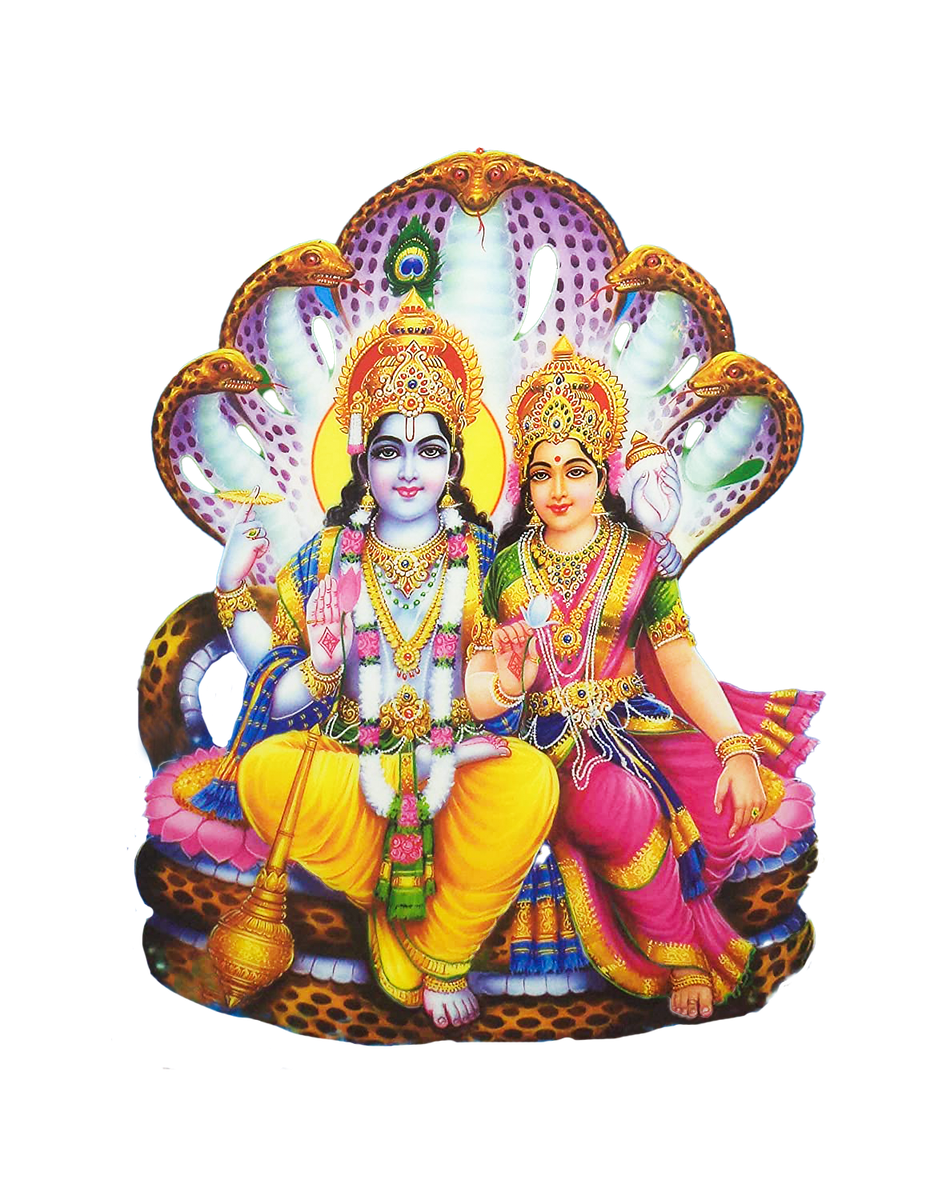
 ॐ जय लक्ष्मी रमणा
The complete Satyanarayan Bhagwan Ki Aarti with meaning, its place in the Satyanarayan Katha, and the correct puja vidhi.
Satyanarayan Bhagwan Ki Aarti is sung at the conclusion of the Satyanarayan Katha and Puja, a widely performed ritual honouring Lord Vishnu in His form as Satyanarayan — "the true, imperishable Lord." Families perform this puja to mark auspicious occasions, the completion of a vow, house-warmings, or simply on any Purnima (full moon).
Complete Satyanarayan Bhagwan Ki Aarti (Devanagari)
ॐ जय लक्ष्मी रमणा, स्वामी जय लक्ष्मी रमणा। सत्यनारायण स्वामी, जन-पातक-हरणा॥ ॐ जय लक्ष्मी रमणा।
रत्न जड़ित सिंहासन, अद्भुत छवि राजे। नारद करत निराजन, घंटा ध्वनि बाजे॥ ॐ जय लक्ष्मी रमणा।
प्रकट भये कलि कारण, द्विज को दरश दियो। बूढ़ो ब्राह्मण बनकर, कंचन महल कियो॥ ॐ जय लक्ष्मी रमणा।
धन्य-धन्य साधु वैश्या, तेरे भाग बड़े। सत्यनारायण पूजा, विधिवत जिन करे॥ ॐ जय लक्ष्मी रमणा।
सत्यदेव पूजन कीन्हों, कलावती रानी। हो लीन्हों सुख सम्पत्ति, भोगे नर प्राणी॥ ॐ जय लक्ष्मी रमणा।
भाव भक्ति से जो नर, सत्यनारायण गावे। कहत शिवानंद स्वामी, मन वांछित पावे॥ ॐ जय लक्ष्मी रमणा, स्वामी जय लक्ष्मी रमणा।
Meaning
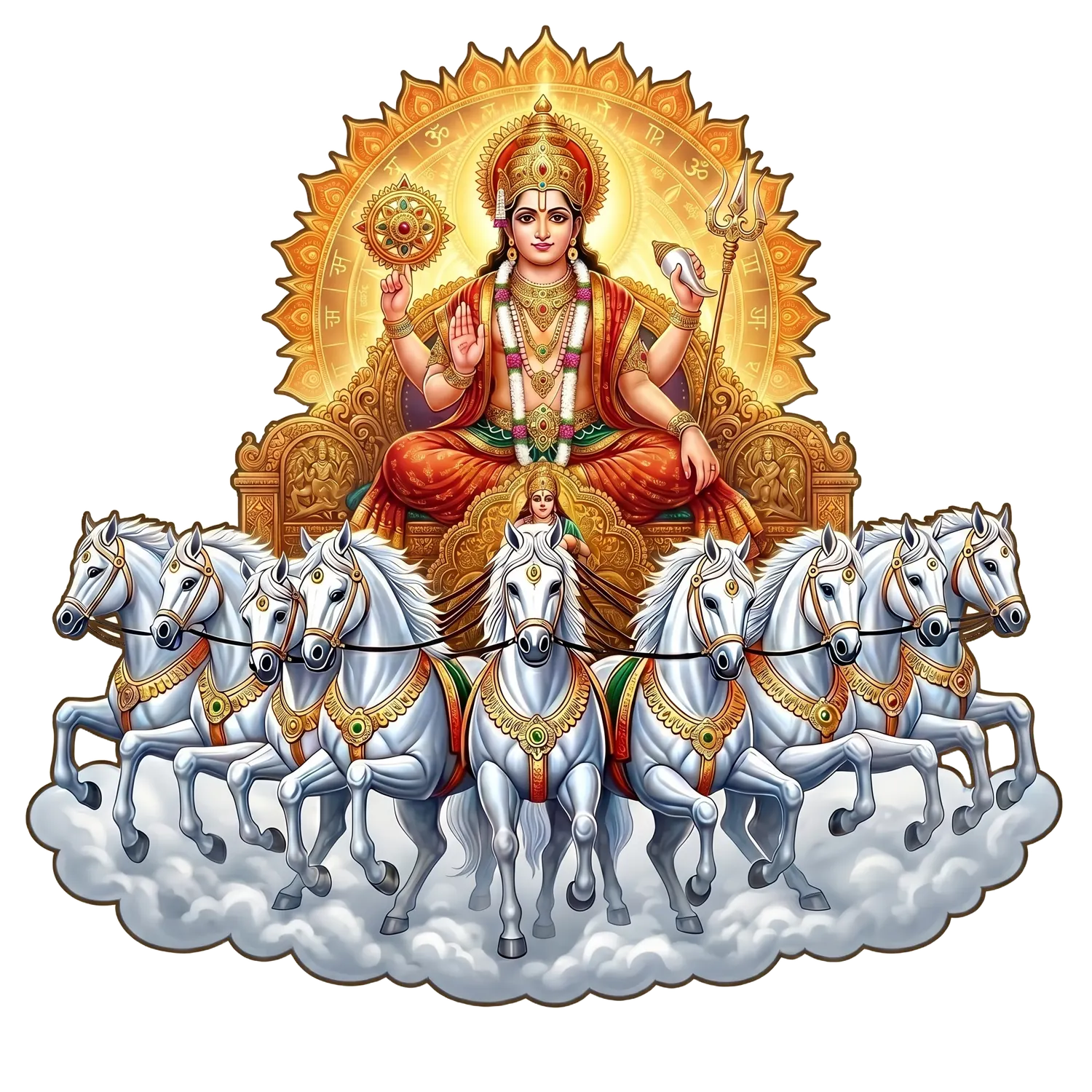
The aarti begins by honouring Lord Vishnu as Lakshmi Ramana — the beloved consort of Goddess Lakshmi — and as Satyanarayan Swami, who removes the sins of His devotees. He is described seated on a jewel-studded throne of unmatched splendour, worshipped by Sage Narada with the ringing of temple bells.
The aarti then recalls the essence of the Satyanarayan Katha: how the Lord manifested in this Kali Yuga for the welfare of humankind, appearing before a poor Brahmin, and later transforming a merchant's simple dwelling into a golden palace after true devotion was shown. It praises the merchant and his wife (sadhu vaishya) as blessed for performing the Satyanarayan puja with proper vidhi, and recalls how Queen Kalavati's devoted worship of Satyadev brought her happiness and prosperity.
The final verse promises that whoever sings this aarti with true devotion and faith receives the fulfilment of their heart's wishes.
Why This Aarti Is Sung
The Satyanarayan Aarti is sung at the end of the Satyanarayan Katha — a story-cycle in five chapters describing how devotion to Satyanarayan (Vishnu) brings prosperity, and how neglect of a vow taken in His name brings hardship until corrected with sincere worship. The aarti and katha together teach that "satya" (truth) itself is worshipped as divine, and that keeping one's word and vows is central to dharma.
How and When to Perform
The Satyanarayan Puja is typically performed on a Purnima (full moon), Sankranti, or any auspicious day — after a house-warming (griha pravesh), a wish fulfilled, a new venture, marriage, or simply as a family tradition on a chosen date. The puja involves a kalash, panchamrit, a katha reading in five parts, and the offering of a sweet prasad (usually made of wheat flour, ghee, sugar and banana called "sheera" or "panjiri"). This aarti is sung at the very end, while the lit lamp is offered to Bhagwan Satyanarayan, followed by distribution of the prasad to all present.
Benefits
Devotees believe this puja and aarti fulfil vows and wishes, remove obstacles, bring prosperity and family harmony, and instil the value of truthfulness. It is one of the most widely performed household pujas across Hindu communities, requiring no elaborate arrangements — only sincerity, truth and devotion.
Quick guide
Before you begin
Mantra
Vishnu mantra
Om Namo Bhagavate Vasudevaya
Chant before katha or aarti while praying for protection, dharma, and peace.
Bhav
Benefits devotees pray for
FAQ
Common questions
When is Satyanarayan Aarti sung?
It is sung at the conclusion of the Satyanarayan Katha and Puja, typically performed on a Purnima, Sankranti, or after any wish fulfilled.
What is the meaning of Satyanarayan?
Satyanarayan means 'the true, imperishable Lord' — a form of Vishnu worshipped as the embodiment of truth and steadfastness.
What prasad is offered in this puja?
A sweet dish called sheera or panjiri, made with wheat flour, ghee, sugar and banana, is the traditional prasad of the Satyanarayan Puja.
Can Satyanarayan Puja be done without a priest?
While the full Satyanarayan Katha is often read with a priest or an elder reading all five chapters, sincere devotees may also read the katha and sing the aarti themselves at home.
Perform a Satyanarayan Puja
Book a Satyanarayan Puja for your family or explore more sacred texts on Divya Chadhava.