



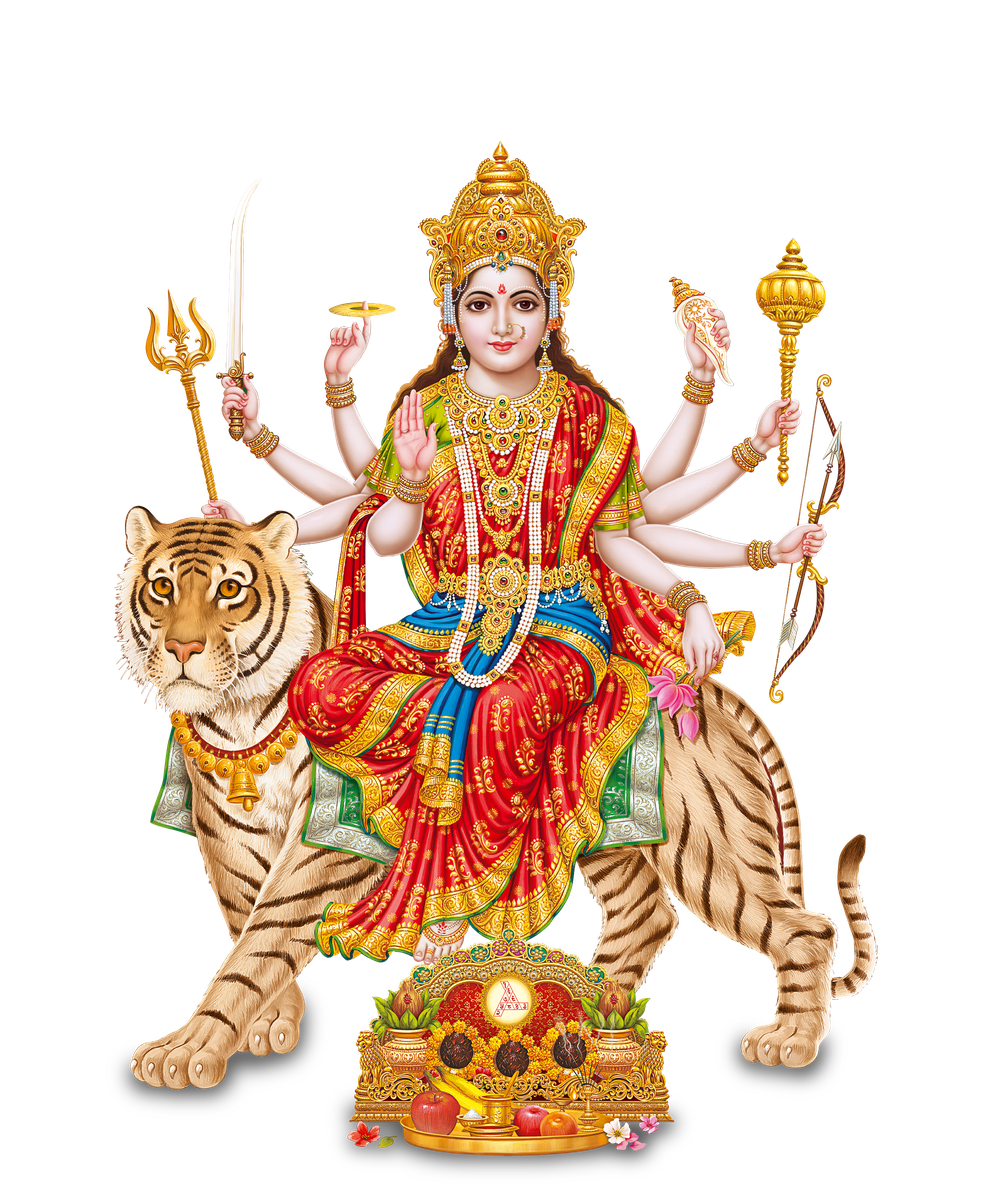
 विद्या, बुद्धि व कला की अधिष्ठात्री देवी
The complete Saraswati Chalisa in Devanagari with meaning, vidhi and benefits for students, artists and seekers of true knowledge.
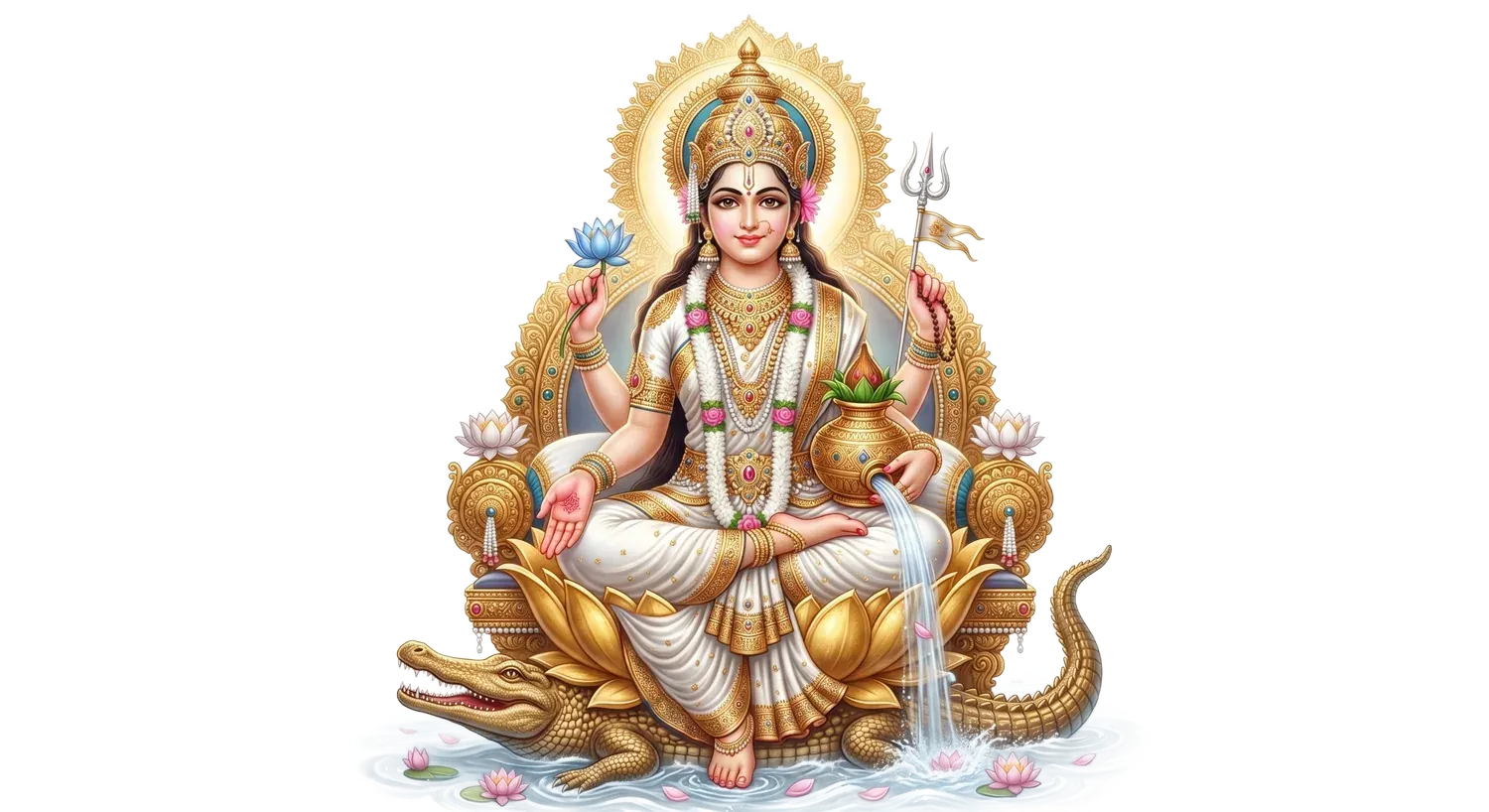
Goddess Saraswati, the four-armed deity seated on a swan with a veena in her hands, is worshipped as the source of knowledge, speech, wisdom and the arts. The Saraswati Chalisa, composed by the devotee Ramsagar, recounts her role in inspiring great sages and poets, her manifestation as Durga to protect dharma, and her power to remove ignorance from the mind of every sincere devotee.
Complete Saraswati Chalisa (Devanagari)
जनक जननि पद कमल रज, निज मस्तक पर धारि। बन्दौं मातु सरस्वती, बुद्धि बल दे दातारि॥ पूर्ण जगत में व्याप्त तव, महिमा अमित अनंतु। रामसागर के पाप को, मातु तुही अब हन्तु॥
जय श्री सकल बुद्धि बलरासी। जय सर्वज्ञ अमर अविनासी॥ जय जय जय वीणाकर धारी। करती सदा सुहंस सवारी॥
रूप चतुर्भुजधारी माता। सकल विश्व अन्दर विख्याता॥ जग में पाप बुद्धि जब होती। जबहि धर्म की फीकी ज्योती॥
तबहि मातु ले निज अवतारा। पाप हीन करती महि तारा॥ बाल्मीकि जी थे बहम ग्यानी। तव प्रसाद जानै संसारा॥
रामायण जो रचे बनाई। आदि कवी की पदवी पाई॥ कालिदास जो भये विख्याता। तेरी कृपा दृष्टि से माता॥
तुलसी सूर आदि विद्धाना। भये और जो ज्ञानी नाना॥ तिन्हहिं न और रहेउ अवलम्बा। केवल कृपा आपकी अम्बा॥
करहु कृपा सोइ मातु भवानी। दुखित दीन निज दासहि जानी॥ पुत्र करै अपराध बहूता। तेहि न धरइ चित सुन्दर माता॥
राखु लाज जननी अब मेरी। विनय करूं बहु भांति घनेरी॥ मैं अनाथ तेरी अवलंबा। कृपा करउ जय जय जगदंबा॥
मधु कैटभ जो अति बलवाना। बाहुयुद्ध विष्णू ते ठाना॥ समर हजार पांच में घोरा। फिर भी मुख उनसे नहिं मोरा॥
मातु सहाय भई तेहि काला। बुद्धि विपरीत करी खलहाला॥ तेहि ते मृत्यु भई खल केरी। पुरवहु मातु मनोरथ मेरी॥
चंड मुण्ड जो थे विख्याता। छण महुं संहारेउ तेहि माता॥ रक्तबीज से समरथ पापी। सुर-मुनि हृदय धरा सब कांपी॥
काटेउ सिर जिम कदली खम्बा। बार बार बिनवउं जगदंबा॥ जग प्रसिद्ध जो शुंभ निशुंभा। छिन में बधे ताहि तू अम्बा॥
भरत-मातु बुधि फेरेउ जाई। रामचंद्र बनवास कराई॥ एहि विधि रावन वध तुम कीन्हा। सुर नर मुनि सब कहुं सुख दीन्हा॥
को समरथ तव यश गुन गाना। निगम अनादि अनंत बखाना॥ विष्णु रूद्र अज सकहिं न मारी। जिनकी हो तुम रक्षाकारी॥
रक्त दन्तिका और शताक्षी। नाम अपार है दानव भक्षी॥ दुर्गम काज धरा पर कीन्हा। दुर्गा नाम सकल जग लीन्हा॥
दुर्ग आदि हरनी तू माता। कृपा करहु जब जब सुखदाता॥ नृप कोपित जो मारन चाहै। कानन में घेरे मृग नाहै॥
सागर मध्य पोत के भंगे। अति तूफान नहिं कोऊ संगे॥ भूत प्रेत बाधा या दुःख में। हो दरिद्र अथवा संकट में॥
नाम जपे मंगल सब होई। संशय इसमें करइ न कोई॥ पुत्रहीन जो आतुर भाई। सबै छांड़ि पूजें एहि माई॥
करै पाठ नित यह चालीसा। होय पुत्र सुन्दर गुण ईसा॥ धूपादिक नैवेद्य चढावै। संकट रहित अवश्य हो जावै॥
भक्ति मातु की करै हमेशा। निकट न आवै ताहि कलेशा॥ बंदी पाठ करें शत बारा। बंदी पाश दूर हो सारा॥
करहु कृपा भवमुक्ति भवानी। मो कहं दास सदा निज जानी॥
माता सूरज कान्ति तव, अंधकार मम रूप। डूबन ते रक्षा करहु, परूं न मैं भव-कूप॥ बल बुद्धि विद्या देहुं मोहि, सुनहु सरस्वति मातु। अधम रामसागरहिं तुम, आश्रय देउ पुनातु॥
Meaning
Opening Doha: The devotee places the dust of his parents' feet upon his head and bows to Mother Saraswati, praying for strength and wisdom, acknowledging her boundless glory pervading the entire universe, and asking her to remove the poet Ramsagar's sins.
Verses 1-5: Saraswati is saluted as the treasure-house of all intellect and strength, all-knowing and imperishable, seated gracefully upon her swan with veena in hand. In her four-armed form she is celebrated throughout the universe. Whenever sinful thinking spreads on earth and dharma's light dims, she takes a divine form to purify the world — as with Sage Valmiki, who by her grace attained the status of the first poet and composed the Ramayana. Kalidasa too became renowned only through her gracious gaze, as did Tulsidas, Surdas and other wise poets, all of whom relied solely on her compassion.
Verses 6-9: The devotee, considering himself an erring child under his mother's care, appeals to her mercy and asks her to protect his honour. He recalls how the powerful demons Madhu and Kaitabha fought Vishnu in a fierce battle lasting five thousand years, until Mother Saraswati clouded their judgement, leading to their destruction — an act that fulfilled the devotee's own prayer for divine help against darkness.
Verses 10-14: The chalisa recounts her form as Durga destroying the demons Chanda-Munda and Raktabija, and Shumbha-Nishumbha, whose might made even sages tremble. It recalls how she inspired Kaikeyi's mind (an episode from the Ramayana) leading eventually to Ravana's destruction and the joy of gods, men and sages alike. No one — not even Vishnu, Rudra or Brahma — can overcome those whom she protects. As Raktadantika and Shatakshi she vanquished countless demons, and by defeating great evil on earth she earned the name Durga, worshipped throughout the world.
Significance and Benefits
The Saraswati Chalisa is especially cherished by students, teachers, writers, musicians and anyone engaged in learning or creative work. Sincere recitation is believed to:
Sharpen memory, concentration and clarity of expression before exams, interviews or important presentations.
Remove confusion, self-doubt and mental fog, replacing them with steady focus.
Bless artistic and musical pursuits, since Saraswati is the patron of veena, voice and all fine arts.
Instil humility and discipline in the pursuit of knowledge, reminding the devotee that true wisdom flows from grace, not ego.
How and When to Chant (Vidhi)
Best day: Basant Panchami is the most significant day for Saraswati worship; the chalisa is also chanted daily by students, especially before exams, and on any Wednesday or Friday morning.
Best time: Early morning after a bath, ideally facing east, in a quiet study or puja space.
Preparation: Place a picture or small murti of Ma Saraswati, offer white or yellow flowers, a few grains of akshat, and if possible keep books, a pen or musical instrument nearby for her blessing.
Method: Recite the chalisa once or a few times with full attention; students may recite it daily for 21 or 40 days before an important exam, keeping the mind calm rather than anxious.
Conclude by bowing with folded hands and dedicating your effort and learning to her grace.
Dos and Don'ts
Do keep books, notebooks and the study space clean and organised — Saraswati is said to favour order and discipline.
Do combine daily recitation with consistent, honest study; the chalisa supports effort, it does not replace it.
Do chant with a calm, unhurried mind rather than rushing through the verses out of exam anxiety.
Avoid chanting while distracted by devices or in a noisy environment when possible.
Avoid treating the practice as a shortcut to success without genuine preparation.
Mahatmya (Glory of the Chalisa)
Tradition holds that even great poets and scholars such as Valmiki, Kalidasa, Tulsidas and Surdas attained their extraordinary gifts only through Saraswati's grace, not merely their own effort — a reminder that true learning is a blessing to be received humbly. Families across India encourage children to begin their study of the alphabet (Akshar Abhyas) on Basant Panchami with a simple prayer to her, a tradition believed to bless a lifetime of learning.
Frequently Asked Questions
Who composed the Saraswati Chalisa? Traditional sources attribute the Saraswati Chalisa to the devotee-poet Ramsagar, whose name appears in the closing doha.
Which day is best to start chanting the Saraswati Chalisa? Basant Panchami is considered the most auspicious day, though students commonly begin on any Wednesday or before an important exam.
Can non-students also chant it? Yes. Writers, musicians, teachers, and anyone seeking clarity of thought or expression in their work may chant it with equal devotion.
Is a mala necessary? No mala is mandatory. Reciting the chalisa once daily with sincerity is considered sufficient by most devotees; a mala-based count is a matter of personal practice.
Quick guide
Before you begin
Mantra
Saraswati mantra
Om Aim Saraswatyai Namah
Chant before study, writing, music, or any work that needs clarity.
Bhav
Benefits devotees pray for
FAQ
Common questions
Who composed the Saraswati Chalisa?
Traditional sources attribute it to the devotee-poet Ramsagar, named in the closing doha.
Which day is best to chant?
Basant Panchami is considered most auspicious, along with Wednesdays and before exams.
Can non-students chant it too?
Yes, writers, musicians, teachers and all seekers of clarity may chant it with equal devotion.
Is a mala necessary?
No, daily sincere recitation once is sufficient; mala-based counting is a personal practice.
Invite Ma Saraswati's Grace With a Sacred Puja
Have our pandits perform a traditional Saraswati Puja with sankalp in your name, ideal before exams, new learning or artistic beginnings.