

 Shani Dev ki Nyay Yatra
A comprehensive, grounded explanation of Shani Sade Sati - its three phases, effects, who it touches and gentle dharmic remedies to move through it with strength.
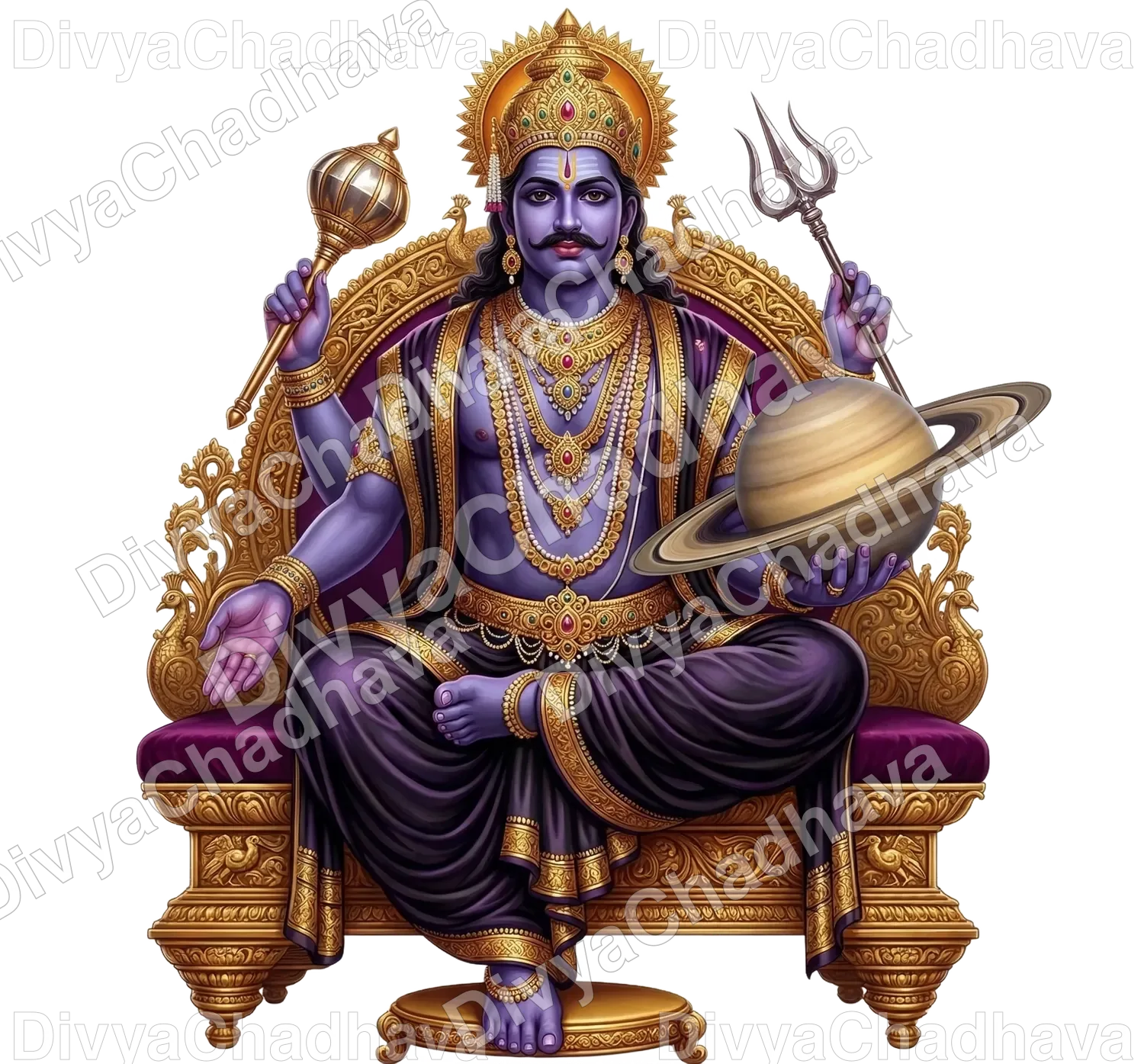
Few terms in Vedic astrology stir as much curiosity, and sometimes anxiety, as Shani Sade Sati. Often mistranslated in popular culture as a period of unavoidable misfortune, Sade Sati is in truth a profound karmic and spiritual cycle governed by Shani Dev, the planet and deity of justice, discipline, patience and karma. Understanding it correctly, without fear, helps a devotee move through this period with resilience, humility and dharmic strength rather than dread.
This guide explains what Sade Sati actually is, its three distinct phases, who experiences it, its general effects, and the gentle, time-tested remedies that Sanatan Dharma offers to navigate it gracefully.
What is Shani Sade Sati
Sade Sati literally means seven and a half in Hindi, referring to the approximately seven and a half years during which the slow-moving planet Saturn (Shani) transits through the zodiac sign before the natal Moon sign, the sign of the natal Moon itself, and the sign after it. Since Saturn takes roughly two and a half years to pass through each zodiac sign, this three-sign transit adds up to about seven and a half years in total, hence the name.
Sade Sati is calculated based on the Moon sign (Rashi) in a person's birth chart, not the Sun sign as in Western astrology. This is why an accurate birth time and place are important for correctly identifying when a person's Sade Sati begins and ends.
The Three Phases of Sade Sati
First Phase (Rising Phase): This begins when Shani enters the sign immediately before the natal Moon sign. This phase is often associated with effects on family, domestic matters, finances and emotional stability. It gently begins to test a person's patience and grounding.
Second Phase (Peak Phase): This is when Shani transits directly over the natal Moon sign. Considered the most intense of the three phases, it is traditionally associated with challenges to mental peace, health, career stability and significant life decisions. This phase asks for the greatest patience, humility and self-discipline.
Third Phase (Setting Phase): This occurs when Shani moves into the sign after the natal Moon sign. This phase often relates to challenges around social standing, relationships, expenses and unexpected obstacles, but is also frequently a period where the lessons of the previous two phases begin to bear fruit as maturity and resilience.
After Shani completes its transit through all three signs, the individual's Sade Sati concludes, generally marking a period of relief, stabilisation and often visible positive transformation in life circumstances.
Who Experiences Sade Sati and How Often
Every individual experiences Sade Sati roughly once every 30 years, since this is approximately how long Saturn takes to complete one full orbit around the zodiac. Most people go through two to three Sade Sati cycles in an average lifetime, typically once in youth or early adulthood, and again in mid-life or later years.
It is worth noting that not everyone experiences Sade Sati with the same intensity. The overall strength of Saturn and the Moon in a person's individual birth chart, the specific house placements involved, and the presence of other supportive or challenging planetary combinations all influence how a person experiences this period. Some devotees pass through Sade Sati with relatively mild effects, especially when Shani is well-placed or well-aspected in their chart, while others may feel it more intensely.
General Effects of Sade Sati
While effects vary greatly from person to person, Sade Sati is traditionally associated with a period of significant life restructuring, testing patience, encouraging discipline, and often bringing important life lessons around responsibility, humility and detachment from material outcomes. Commonly discussed themes include career changes or challenges, shifts in relationships and family dynamics, health matters that call for greater self-care, and financial fluctuations that encourage more careful planning.
It is essential to understand that Sade Sati is not a period of guaranteed misfortune. Many individuals experience significant career growth, important milestones like marriage, or valuable personal transformation during this time. Shani Dev is revered not as a punisher but as a just teacher, rewarding disciplined effort, honesty and patience, while gently correcting complacency, dishonesty or avoidance of responsibility. The nature of one's experience during Sade Sati is deeply connected to one's own karma, conduct and how consciously one responds to the period's lessons.
Dharmic Remedies for Sade Sati
Recite the Shani Chalisa or Shani Stotra regularly, ideally on Saturdays, to invoke Shani Dev's blessings of patience, discipline and protection.
Chant this widely revered Shani mantra, ideally 108 times using a Rudraksha mala:
ॐ प्रां प्रीं प्रौं सः शनैश्चराय नमः
Offer oil (til ka tel or sarson ka tel) to Shani Dev's idol at a Shani temple on Saturdays, along with black til (sesame seeds) and black urad dal, as these are traditional offerings associated with pleasing Shani.
On Saturdays, offer daan of black items such as black clothes, black urad dal, iron items, or a black umbrella to those in need, as charitable giving is considered one of the most powerful ways to ease Shani's challenging effects.
Serve and feed crows, as they are traditionally considered to be associated with Shani Dev, and offering them food, especially on Saturdays, is a gentle act of remembrance and respect.
Recite the Hanuman Chalisa daily, since Lord Hanuman's devotion is widely believed to offer protection and grace during difficult Shani periods, and Hanuman ji is considered someone Shani Dev himself respects deeply.
Fast on Saturdays if it suits your health, or simply eat a simple, sattvic meal, avoiding non-vegetarian food and alcohol on this day as a mark of discipline and devotion.
Practice humility, patience and honesty in daily conduct, since these very qualities are what Shani Dev is believed to value and reward most.
Lifestyle and Conduct During Sade Sati
Avoid taking major impulsive decisions during this period, whether financial, relational or career-related; instead, take time to reflect, seek trusted counsel, and act with careful deliberation.
Maintain regular routines around sleep, diet and self-care, since Sade Sati often tests physical and emotional resilience, and a stable lifestyle provides a strong foundation to face challenges.
Avoid disrespecting elders, workers, the underprivileged or those in service roles, as Shani Dev is particularly associated with justice for the marginalised and hardworking.
Continue your dharmic duties, family responsibilities and honest work with sincerity, understanding that consistent, disciplined effort during this period often bears the sweetest fruit once Sade Sati concludes.
A Gentle and Important Disclaimer
Sade Sati is a general astrological principle meant to offer insight and encourage dharmic conduct, patience and spiritual growth. It is not a fixed, deterministic sentence of suffering, and its actual effects vary significantly based on an individual's complete birth chart, karma and how they respond to life's circumstances. This guidance is offered as a matter of faith and Vedic tradition, and is not a substitute for professional medical, legal, financial or psychological advice. If you are going through a genuinely difficult period, please also seek appropriate professional support alongside your spiritual practice.
Frequently Asked Questions
Does Sade Sati always bring bad luck and suffering? No, this is a common misconception. Sade Sati is a period of significant testing and transformation, but many people experience meaningful growth, important achievements and positive life changes during this time. The actual experience depends greatly on the individual's complete birth chart and their own conduct and karma.
How can I find out if I am currently going through Sade Sati? Sade Sati is calculated based on your Moon sign (Rashi) and the current transit position of Saturn. A qualified Vedic astrologer can accurately determine your Moon sign from your birth details and tell you which phase of Sade Sati, if any, you are currently experiencing.
Which phase of Sade Sati is considered the most challenging? The second phase, when Shani transits directly over the natal Moon sign, is traditionally considered the most intense of the three phases, as it directly affects the Moon, the significator of the mind and emotions.
Are there specific remedies I should do every single day during Sade Sati? Daily recitation of the Hanuman Chalisa and simple prayers to Shani Dev are gentle, sustainable daily practices. More elaborate rituals like specific Saturday offerings and daan can be done weekly, and together these form a steady, supportive spiritual routine through the Sade Sati period.
Quick guide
Before you begin
Mantra
Shani mantra
Om Sham Shanaishcharaya Namah
Chant on Saturday with patience, honesty, and a commitment to right action.
Bhav
Benefits devotees pray for
FAQ
Common questions
Does Sade Sati always bring bad luck and suffering?
No, this is a common misconception. Many people experience meaningful growth and positive change during Sade Sati; the actual experience depends on the individual's full birth chart and conduct.
How can I find out if I am currently going through Sade Sati?
Sade Sati is calculated from your Moon sign and Saturn's current transit; a qualified Vedic astrologer can determine your Moon sign and current phase from your birth details.
Which phase of Sade Sati is considered the most challenging?
The second phase, when Shani transits directly over the natal Moon sign, is traditionally considered the most intense of the three.
Are there specific remedies I should do every single day during Sade Sati?
Daily Hanuman Chalisa recitation and simple prayers to Shani Dev are sustainable daily practices, alongside weekly Saturday offerings and daan.
Seek Shani Dev's Blessings and Guidance
Book a puja dedicated to Shani Dev for strength, patience and grace through your Sade Sati journey.