
 ॐ भ्रां भ्रीं भ्रौं सः राहवे नमः
The Rahu Beej Mantra is chanted to pacify the shadow planet Rahu, ease sudden confusion, career obstacles and unexplained anxiety, and bring clarity, focus and steady progress.
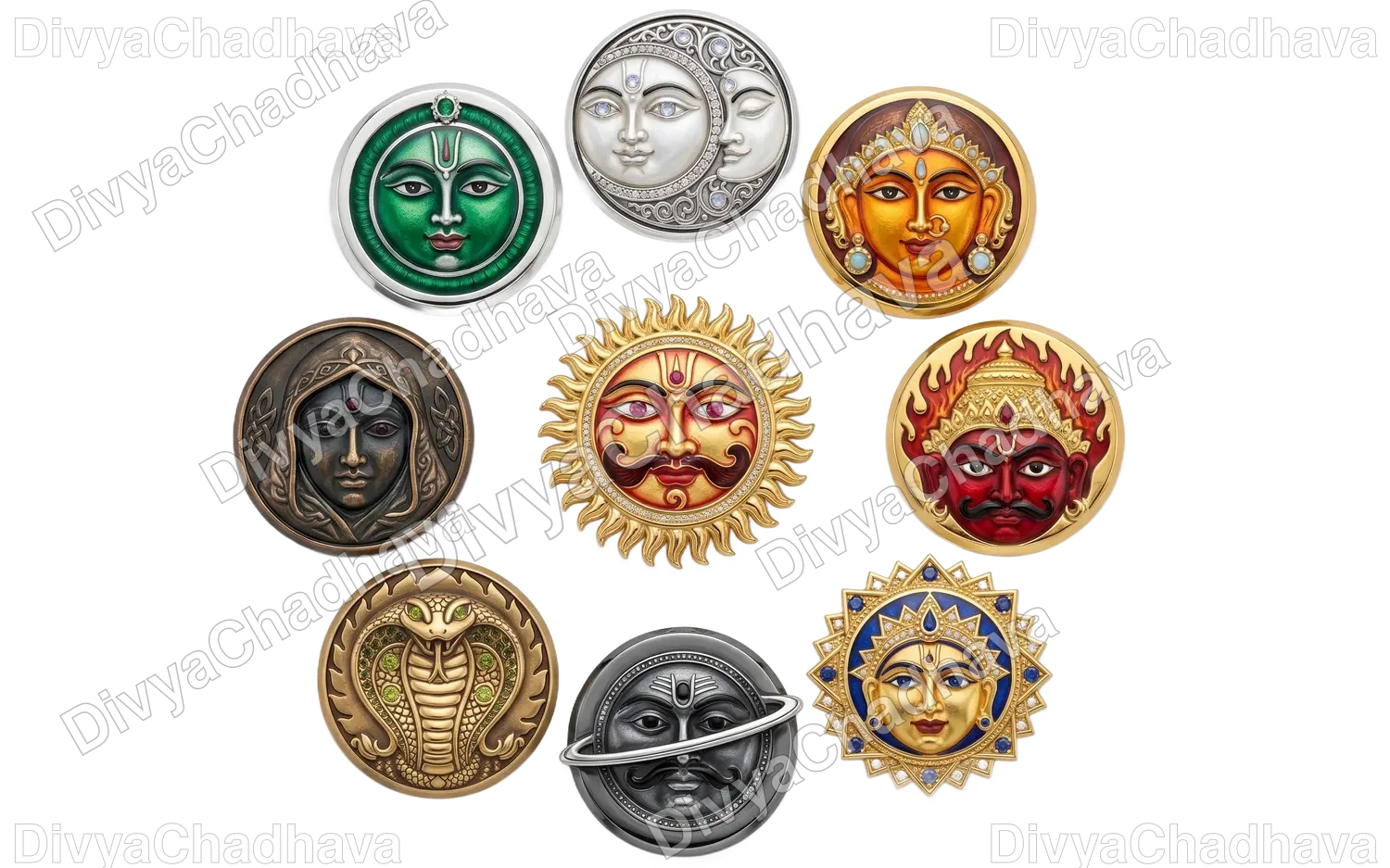
Rahu is one of the nine grahas (Navgrah) in Vedic astrology, though it is not a physical planet but a shadow point — the north lunar node, the point where the Moon's orbit crosses the Sun's path. Mythologically, Rahu is described as the severed head of the asura Swarbhanu, who drank a few drops of amrit (divine nectar) during the Samudra Manthan before being beheaded by Lord Vishnu's Sudarshan Chakra; the head became Rahu and the body became Ketu. Because Rahu drank the nectar but has no body, it is associated with insatiable desire, illusion (maya), sudden unexpected events, obsession, foreign connections, technology, and unconventional paths in life.
A well-placed Rahu can give sudden success, foreign opportunities, sharp intellect and unconventional brilliance, while an afflicted Rahu is often linked with confusion, anxiety, career instability, addiction tendencies, deception, and a persistent feeling of dissatisfaction despite outward success. The Rahu Beej Mantra is chanted to calm this restless, shadowy energy and redirect it toward clarity, focus and steady progress.
Complete Rahu Beej Mantra (Devanagari)
ॐ भ्रां भ्रीं भ्रौं सः राहवे नमः
Transliteration
Om Bhraam Bhreem Bhraum Sah Rahave Namah
Meaning of Each Syllable
Om: the primal cosmic sound, the seed of all mantras and all existence.
Bhraam, Bhreem, Bhraum: Rahu's core bija sounds, which are chanted to pacify Rahu's illusory, restless energy and channel it toward clarity and steadiness rather than confusion.
Sah: an invocatory seed sound that directs the deity's grace and calming influence toward the one who chants.
Rahave: "to Rahu", offering the mantra's energy in devotion and supplication to the shadow graha.
Namah: "I bow" — an offering of humility, seeking Rahu's mercy rather than resisting or fearing his influence.
Together, the mantra is a request for protection from illusion, sudden setbacks and confusion, and an invitation for Rahu's more auspicious qualities — sharp intellect, courage to walk an unconventional path, and unexpected opportunity — to manifest instead.
Why Chant the Rahu Beej Mantra
This mantra is especially chanted by those going through Rahu Mahadasha or Antardasha, or facing sudden and unexplained obstacles in career, frequent confusion or indecision, anxiety without a clear cause, disputes or deception from others, or a persistent feeling that things are not progressing despite hard work. It is also chanted by those working in foreign lands, technology, aviation, or unconventional careers, as Rahu governs these domains, to seek smoother progress and protection from Rahu's more disruptive tendencies.
How and When to Chant
Best day: Saturday is commonly used for Rahu worship (along with Shani, since they are considered allied in certain traditions), though some also chant on Wednesdays; check with your family purohit for the tradition you follow.
Best time: Evening, particularly during Rahu Kaal (a specific inauspicious time window that shifts daily and can be checked in a panchang) is traditionally used by some for focused Rahu remedies, though many prefer a calm time free of the household's daily rush.
Preparation: Wear dark or smoky grey, blue or black clothing if performing a dedicated puja. Some traditions recommend lighting a mustard oil lamp and offering blue or black flowers, or simply sitting quietly with a calm, focused mind before beginning.
Mala: A mala of Gomed (hessonite garnet, Rahu's gemstone) is traditionally used by those who have been advised to wear it; otherwise, a Rudraksha or Sphatik mala serves well for general chanting.
Count: 108 chants (one mala) is a standard daily or weekly practice; some undertake an 18,000-count sadhana over time under the guidance of a knowledgeable elder or purohit, particularly during Rahu Mahadasha.
Posture: Sit in a quiet, calm place, spine straight, and chant with a settled mind — since Rahu governs restlessness and illusion, a scattered, anxious mind while chanting works against the very purpose of the practice.
Do's and Don'ts
Do chant with a calm and focused mind, since steadiness itself is the antidote to Rahu's restless, illusory influence.
Do practise honesty and avoid shortcuts, manipulation or deception in your dealings, as these tendencies are associated with an unchecked, unbalanced Rahu.
Do consider simple sattvic disciplines alongside the mantra — reducing screen time before sleep, avoiding excessive speculation or gambling, and maintaining a regular routine — as these help calm Rahu's chaotic energy.
Don't chant while distracted, anxious or in a rush; the mantra's benefit lies significantly in the calm, focused state it is meant to cultivate.
Don't pursue shortcuts, black-magic-adjacent practices or manipulative tactics in the name of "pleasing Rahu" — genuine remedies are always dharmic, gentle and protective in nature.
Don't lose patience if results feel gradual; Rahu's lessons often involve learning to trust a slower, steadier path rather than chasing sudden, unstable gains.
Benefits of the Rahu Beej Mantra
Regular, sincere chanting is believed to reduce confusion, anxiety and sudden career setbacks linked to an afflicted Rahu; bring clarity of thought and steadier decision-making; support smoother progress in foreign travel, technology, and unconventional career paths; and offer protection from deception, manipulation and unexpected disruptions in life.
Mahatmya (Significance)
Rahu, though a shadow graha without a physical form, is given full status among the Navgrah in Vedic astrology and is worshipped in dedicated temples, most famously at Rahu-Ketu temples such as Sri Rahu Kala Sarpa Dosha Nivarana Sthala at Kalahasti in Andhra Pradesh, and within Navagraha temple complexes across India. The scriptures describe Rahu not as purely evil, but as a powerful cosmic force that tests the seeker's ability to see through illusion (maya) and find steady clarity amidst confusion — a lesson deeply relevant to modern life.
Frequently Asked Questions
Who should chant the Rahu Beej Mantra: Anyone going through Rahu Mahadasha or Antardasha, facing sudden career obstacles, confusion or unexplained anxiety, or working in foreign, technology or unconventional fields, can chant this mantra with sincerity.
Is Rahu always harmful in a birth chart: No. Rahu can also give sudden success, sharp intellect, and unconventional achievements when well-placed and balanced through disciplined living; the mantra helps channel its energy toward these more auspicious outcomes.
Can I chant this mantra without knowing my exact Rahu placement: Yes, this mantra can be chanted by anyone seeking clarity, focus and protection from confusion, without needing detailed chart analysis, though those with specific concerns may benefit from consulting a knowledgeable astrologer.
Is this mantra a substitute for professional astrological or medical advice: No. This is a devotional and spiritual practice rooted in faith and tradition, and should be combined with, not used in place of, professional guidance where needed.
Quick guide
Before you begin
Mantra
Rahu mantra
Om Bhram Bhreem Bhraum Sah Rahave Namah
Chant 108 times with discipline, especially when praying for relief from hidden obstacles.
Bhav
Benefits devotees pray for
FAQ
Common questions
Who should chant the Rahu Beej Mantra?
Anyone in Rahu Mahadasha or Antardasha, facing sudden career obstacles, confusion or unexplained anxiety, or working in foreign, technology or unconventional fields.
Is Rahu always harmful in a birth chart?
No. Well-placed and balanced by disciplined living, Rahu can give sudden success, sharp intellect and unconventional achievements; the mantra helps channel it toward these outcomes.
Can I chant this without knowing my exact Rahu placement?
Yes, anyone seeking clarity and protection from confusion can chant it; those with specific concerns may also consult a knowledgeable astrologer.
Is this mantra a substitute for professional advice?
No. It is a devotional practice that should be combined with, not used in place of, professional astrological or medical guidance.
Seeking Relief from Rahu's Influence?
Book a heartfelt puja and let our pandits offer your sankalp for clarity, focus and protection from Rahu-related obstacles.