

 जय श्री हरि
The complete Nirjala Ekadashi katha of Bhimsen and Sage Vyasa, the strict waterless fasting vidhi, and why this Jyeshtha month Ekadashi is said to equal the merit of all twenty-four Ekadashis.
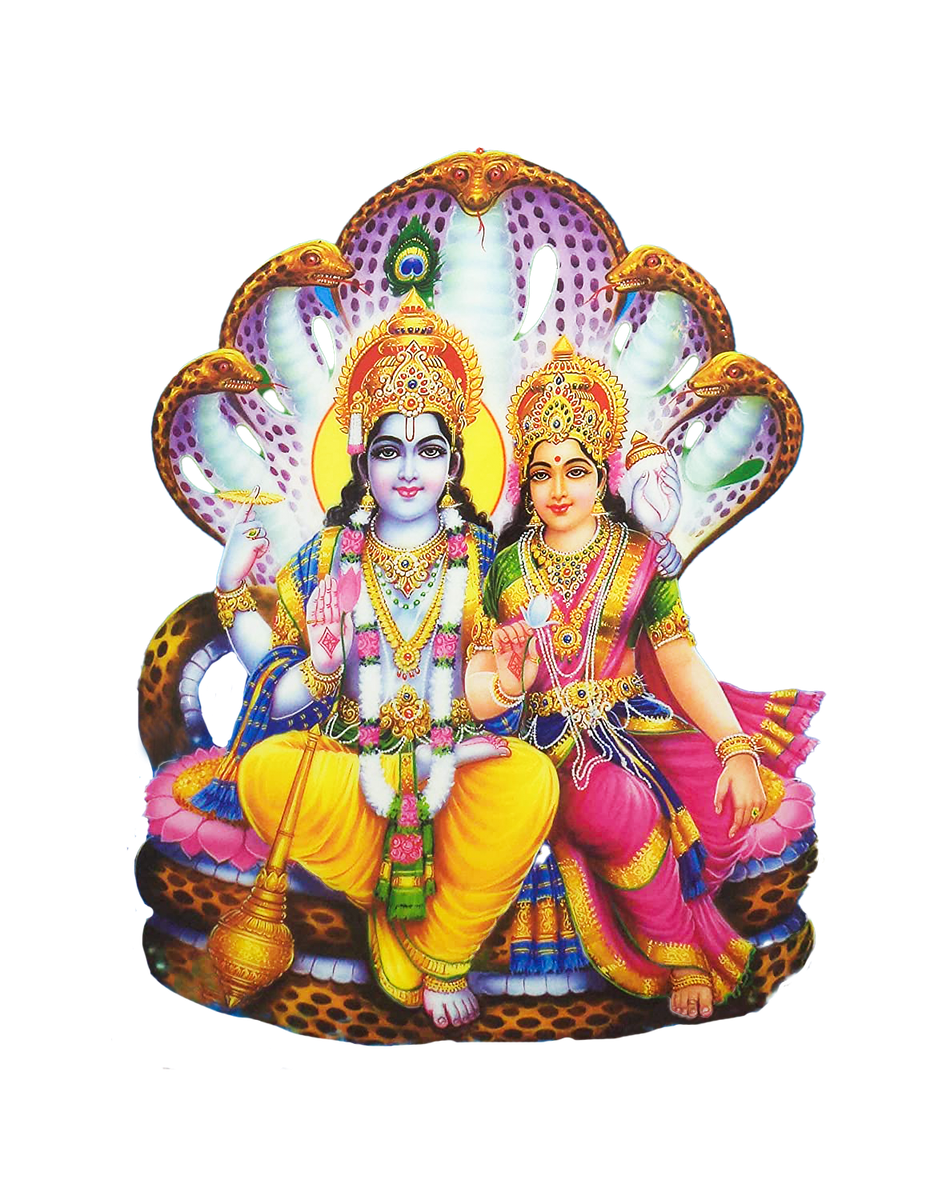
Nirjala Ekadashi, also known as Bhimseni Ekadashi or Pandava Ekadashi, is observed on the Ekadashi tithi (eleventh day) of the Shukla Paksha of the Jyeshtha month, which usually falls in the peak of the Indian summer, in May or June. As the name suggests, this is the most rigorous of all Ekadashi fasts, observed strictly without a drop of water for the entire day and night, and it is dedicated to Lord Vishnu. It is believed that observing this single Ekadashi with complete devotion and discipline bestows the combined merit of observing all twenty-four Ekadashis that occur through the year.
The Vrat Katha of Nirjala Ekadashi
Among the five Pandava brothers, Bhimsen was known for his immense strength but also for being unable to control his hunger; he could not bear to fast even for a few hours, let alone a full day. While his brothers Yudhishthira, Arjuna, Nakula and Sahadeva, along with their mother Kunti and wife Draupadi, faithfully observed the Ekadashi vrat every fortnight throughout the year, Bhimsen alone could never manage to keep any of these fasts, and this troubled him greatly, for he too wished to earn the same spiritual merit as the rest of his family.
One day, unable to bear this any longer, Bhimsen went to the great sage Vedavyasa, who was also his grandfather, and confessed his difficulty. He said that his hunger was so overpowering that he simply could not fast on any Ekadashi throughout the year, yet he deeply desired the punya (merit) that his family gained from observing all twenty-four Ekadashis, and he asked whether there was any way for him to attain the same benefit without having to fast twenty-four times.
Sage Vyasa, understanding Bhimsen's sincere devotion despite his physical limitation, told him about a single, singularly powerful Ekadashi that falls in the Jyeshtha month, known as Nirjala Ekadashi, explaining that if he observed this one Ekadashi with a complete nirjala (waterless) fast, without consuming even a single drop of water for the entire day and night, he would receive the same merit as observing all the Ekadashis of the year combined. However, Vyasa warned him that this fast was extraordinarily difficult, since it required abstaining not just from food but from water as well, through the heat of the Jyeshtha month.
Bhimsen, determined and resolute despite his weakness for food, decided he would observe this one Ekadashi with full sincerity, even if it meant enduring great physical hardship, since his strength as a warrior gave him confidence that he could bear the difficulty of a single day, unlike the repeated fasts throughout the year. He observed the vrat exactly as instructed, taking not even a sip of water from sunrise on Ekadashi until sunrise the next day, Dwadashi, remaining devoted to Lord Vishnu in thought and prayer throughout.
Pleased by Bhimsen's determination and sincere devotion despite his known weakness, Lord Vishnu granted him the boon that this single Ekadashi observance would indeed grant him the combined merit of all twenty-four Ekadashis of the year. From this day, the vrat came to be known as Bhimseni Ekadashi or Pandava Ekadashi, and it became established that even those unable to observe every Ekadashi through the year could gain equivalent spiritual merit by observing this one supremely powerful, waterless fast with full devotion.
Puja Vidhi (Method of Worship)
The observance of Nirjala Ekadashi begins from the Dashami (tenth) tithi itself, the day before Ekadashi, when devotees eat a simple, satvik meal in the evening and avoid onion, garlic and heavy foods, preparing the body and mind for the fast ahead.
On the day of Ekadashi, devotees wake before sunrise, bathe, and take a sankalp to observe a complete nirjala vrat, abstaining from food and water entirely for the whole day and night.
A puja is performed for Lord Vishnu, offering yellow flowers, tulsi leaves, akshat and a diya of ghee, along with the chanting of the Vishnu Sahasranama, Vishnu mantras, or reading of the Nirjala Ekadashi katha.
Charity (daan) of water-filled clay pots (ghade), fans, umbrellas, fruits, or food is considered especially meritorious on this day, since it is the peak of summer and providing relief from heat to others is seen as a sacred offering aligned with the spirit of the vrat.
The fast is broken the next morning, on Dwadashi, at the designated parana time, generally after sunrise, first with water, followed by a simple satvik meal; breaking the fast within the correct parana window is considered essential to receive the full benefit of the vrat.
Those who are unable to keep a completely waterless fast due to health conditions, pregnancy, or old age may take a small amount of water or fruit, though the ideal and most meritorious observance remains entirely nirjala.
Significance and Benefits
Nirjala Ekadashi is regarded as the king among all Ekadashi vrats because of its exceptional difficulty and correspondingly exceptional spiritual reward. It is believed to cleanse the mind and body, build extraordinary willpower and self-discipline, and grant the devotee the combined merit of all Ekadashi vrats of the year in a single day. Because it falls during the hottest part of the Indian summer, it also carries a strong tradition of seva (selfless service) through the distribution of water and cool items to travelers, animals and the needy, linking personal austerity with compassion for others.
Do's and Don'ts
Devotees should avoid rice, grains, onion, garlic and non-vegetarian food from Dashami itself, and maintain complete silence about complaints of hunger or thirst, keeping the mind fixed on Lord Vishnu instead. Anger, arguments, gossip and negative thoughts should be avoided through the fast. Sleeping excessively during the day is discouraged, as the day should be spent in prayer, chanting and charitable acts. The fast should not be broken before the correct parana time, and food should not be consumed at night on Ekadashi itself even by those observing a lighter version of the vrat.
Frequently Asked Questions
Why is Nirjala Ekadashi considered equal to all other Ekadashis combined? According to the katha, Sage Vyasa told Bhimsen that observing this one supremely difficult, completely waterless Ekadashi with devotion grants the same merit as observing all twenty-four Ekadashis of the year.
Can pregnant women or the elderly observe this fast? Those who are pregnant, elderly, unwell, or otherwise physically unable to endure a completely waterless fast may take a small amount of water or fruit, since health and safety should never be compromised; sincere devotion matters more than rigid physical austerity.
What is the correct time to break the Nirjala Ekadashi fast? The fast is broken the next morning on Dwadashi at the designated parana muhurat, generally shortly after sunrise, and it should not be delayed beyond the prescribed window according to Panchang timing.
Why is charity of water especially important on this day? Since Nirjala Ekadashi falls in the peak summer heat of Jyeshtha month, donating water, fans and cool items to the thirsty is considered a deeply meritorious act that complements the spirit of self-denial practiced through the fast.
Quick guide
Before you begin
Mantra
Vishnu mantra
Om Namo Bhagavate Vasudevaya
Chant before katha or aarti while praying for protection, dharma, and peace.
Bhav
Benefits devotees pray for
FAQ
Common questions
Why is Nirjala Ekadashi equal to all other Ekadashis?
Per the katha, Sage Vyasa told Bhimsen this one waterless Ekadashi grants the merit of all twenty-four in the year.
Can pregnant women or the elderly observe this fast?
They may take small amounts of water or fruit; health should never be compromised.
When should the fast be broken?
The next morning on Dwadashi at the designated parana muhurat, shortly after sunrise.
Why is water charity important on this day?
Since it falls in peak summer, donating water and cool items is considered deeply meritorious.
Observe Nirjala Ekadashi with Lord Vishnu's Blessings
Book a Vishnu Puja performed with complete vidhi to support your Nirjala Ekadashi vrat and seek prosperity and protection for your family.