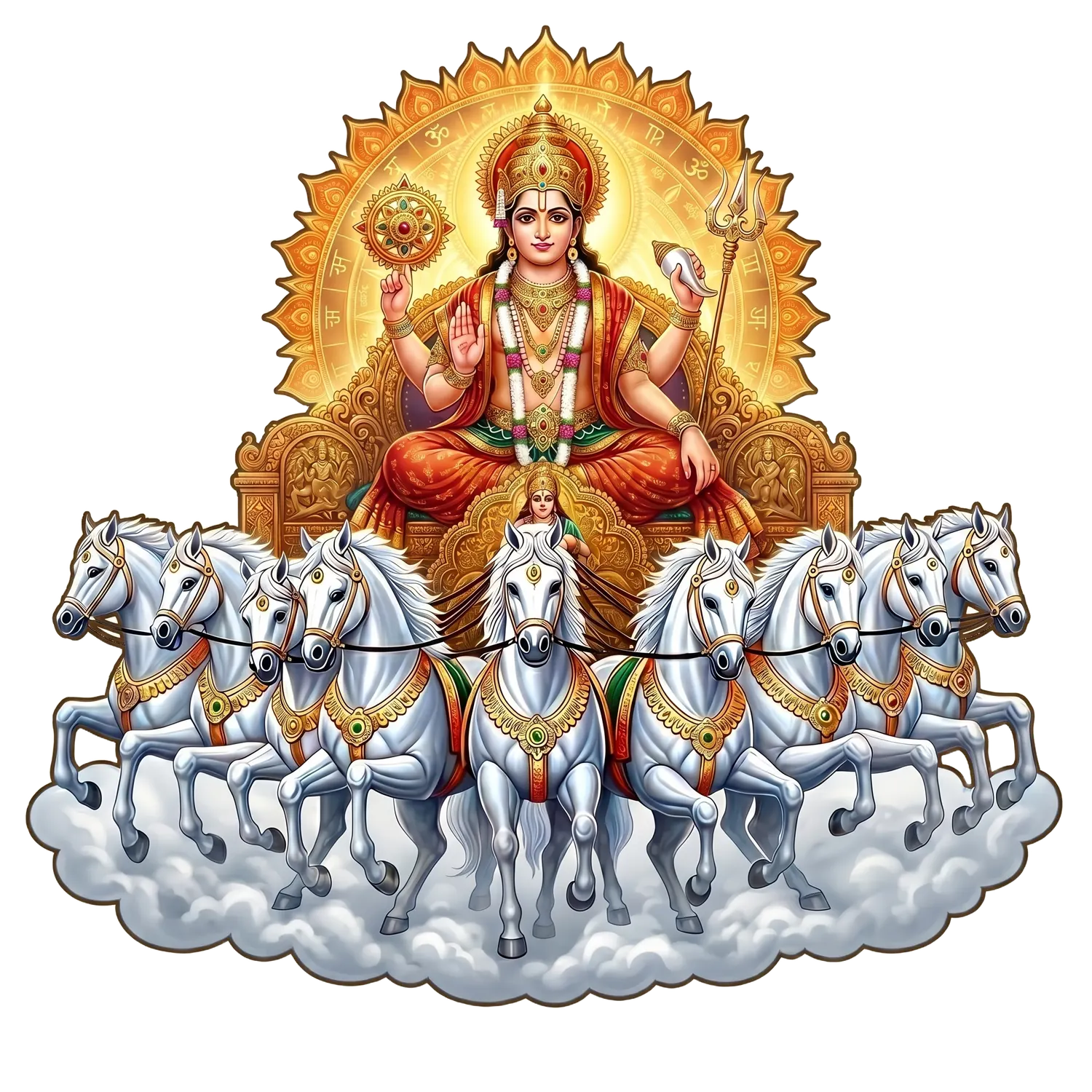


 अंगारकाय नमः
Dharmic Mangal Dosh (Manglik) upay — Kumbh Vivah, Hanuman worship, mantra and daan — to bring harmony to marriage and calm an afflicted Mars in the chart.
Mangal Dosh, popularly known as Manglik Dosh, occurs when Mars (Mangal) is placed in the 1st, 2nd, 4th, 7th, 8th or 12th house of the birth chart. Mars is the karaka (significator) of energy, courage, action and conflict, and its placement in these houses is traditionally believed to bring intensity, friction or delay into marriage and close relationships if not balanced. It is important to understand that Mangal Dosh is extremely common — a very large share of charts show some form of it — and its actual strength depends on the sign, aspects and overall chart, not on the house placement alone. Many traditional systems also cancel or reduce the dosh under specific conditions (Mangal Dosh Bhang), so a full chart reading by a knowledgeable astrologer is always more reliable than a general rule.
Who Is Affected and Why
Anyone with Mars in the 1st, 2nd, 4th, 7th, 8th or 12th house from the Ascendant (and, in some traditions, from the Moon and Venus as well) may be considered Manglik to varying degrees. The dosh is traditionally discussed most in the context of marriage compatibility (Kundali Milan), where it is checked to anticipate and gently manage friction between partners rather than to create fear.
Effects Commonly Seen
When unaddressed or unbalanced, Mangal Dosh is traditionally associated with disagreements, impatience, or a tendency toward heated arguments between spouses, delays in marriage, or health concerns related to accidents, cuts and burns. On the positive side, Mars also grants courage, protective instinct, leadership and the drive to overcome obstacles — Manglik individuals are often natural achievers, and the same fiery energy, well-channeled, brings strength to a marriage rather than harm.
Dharmic Remedies (Upay)
Kumbh Vivah: One of the most well-known traditional remedies, where the Manglik individual is first "married" symbolically to a peepal tree, a banana tree, or a clay/silver Vishnu idol (Kumbh) before the actual wedding, symbolically transferring the dosh away from the human spouse. This is performed with a qualified priest's guidance.
Mantra Jaap: Chant the Mangal Beej Mantra "Om Kraam Kreem Kraum Sah Bhaumaya Namah" or "Om Angarakaya Namah" 108 times on Tuesdays, using a red coral (moonga) or rudraksha mala.
Hanuman Worship: Hanuman Ji, being an embodiment of Mars-like courage channeled into devotion, is considered the most powerful pacifier of Mangal Dosh. Reciting the Hanuman Chalisa daily, especially on Tuesdays, and visiting a Hanuman temple with a red flower or sindoor offering is a widely recommended remedy.
Daan (Charitable Giving): On Tuesdays, donate red lentils (masoor dal), red clothing, jaggery, copper items, or red flowers to the needy. Feeding red cows (if available) or contributing to blood donation and health-related causes is also considered auspicious given Mars's connection to blood and vitality.
Mangal Puja and Fasting: Observing a fast on Tuesdays, offering red flowers and sindoor at a Hanuman or Mangal temple, and lighting a mustard-oil or ghee diya strengthens Mars's benefic qualities.
Mangal Dosh Nivaran Puja: A dedicated puja, often performed before marriage, invoking Mars alongside Lord Shiva and Hanuman for harmony, can be arranged with a qualified pandit.
Dos and Don'ts
Do cultivate patience and calm communication in the relationship, channel Mars's energy into physical activity, sport or purposeful action, and practice restraint during conflicts. Avoid impulsive anger, reckless driving or physical risk-taking, and avoid making major relationship decisions in a moment of heated emotion.
When to Begin
Tuesdays (Mangalvar) are the most auspicious day for any Mangal Dosh remedy. Many families also consult a priest to time the Kumbh Vivah or Nivaran Puja before an upcoming wedding.
A Gentle Note
Mangal Dosh is extremely common and, with balanced conduct and these dharmic remedies, need not be a source of fear. It should never be treated as a deterministic prediction against a happy marriage — countless successful, loving marriages include one or both partners with Mangal Dosh, especially when compatibility is read holistically. For serious relationship or mental health concerns, please also consult a qualified counsellor alongside your spiritual practice.
Frequently Asked Questions
See below for common questions about Mangal Dosh upay.
Quick guide
Before you begin
Mantra
Devi mantra
Om Dum Durgaye Namah
Chant 11, 21, or 108 times according to your time and capacity.
Bhav
Benefits devotees pray for
FAQ
Common questions
Does Mangal Dosh mean my marriage will fail?
No. Mangal Dosh is extremely common and does not predict marital failure. Many charts also show Mangal Dosh Bhang (cancellation) under specific conditions, and countless Manglik individuals have long, happy marriages, especially with balanced conduct and remedies.
Is Kumbh Vivah necessary for every Manglik person?
Not always. Its need depends on the strength of the dosh, whether cancellation conditions apply, and family or astrologer guidance. It should be performed only under a qualified priest's direction, not as a blanket rule.
Can two Manglik people marry each other?
Yes, traditional belief holds that when both partners are Manglik, the doshas may balance or neutralize each other, though a full compatibility (Kundali Milan) reading is still recommended.
How soon can Hanuman Chalisa recitation help?
Sincere daily recitation over weeks and months brings gradual patience and calm; it is a long-term practice of devotion rather than an instant fix, and works best alongside grounded, respectful communication in the relationship.
Bring Harmony with Mangal Dosh Puja
Book a dedicated Mangal Dosh Nivaran puja performed with full vidhi by our pandits for peace and harmony in marriage.