

 अष्टलक्ष्मी कृपा
The Lakshmi Mantra invokes the Goddess of wealth, fortune and grace, chanted by devotees to invite prosperity, abundance and auspiciousness into the home.
Who is Maa Lakshmi?
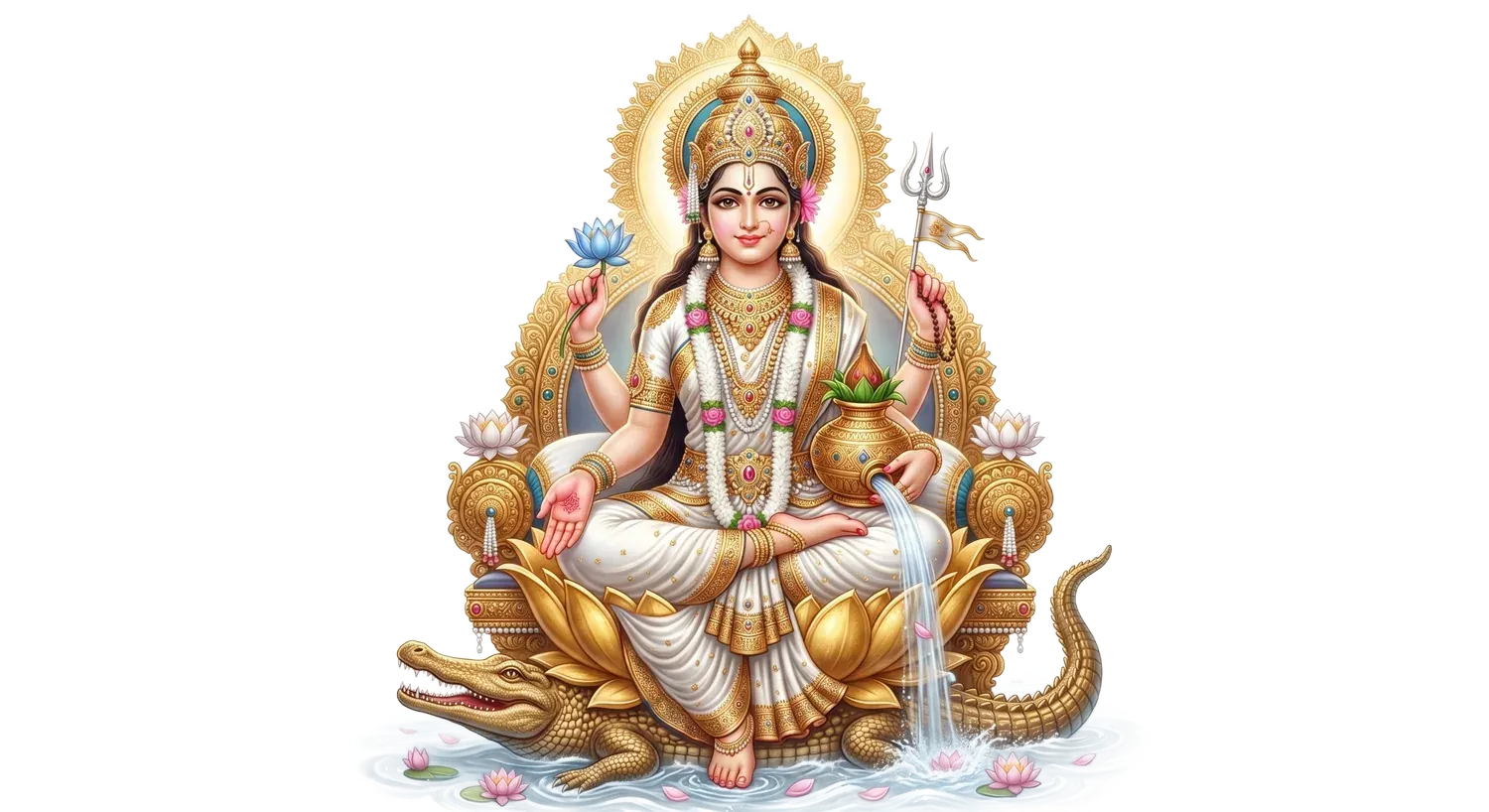
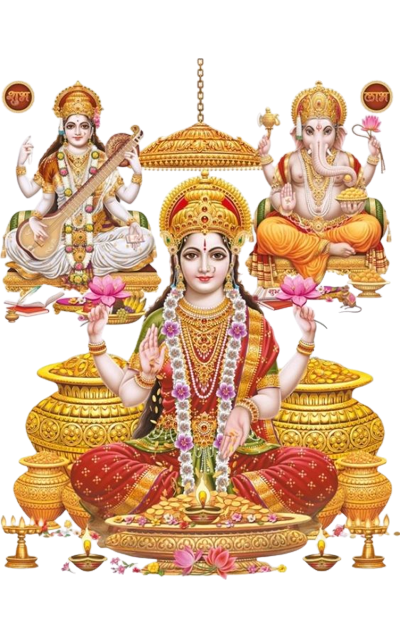
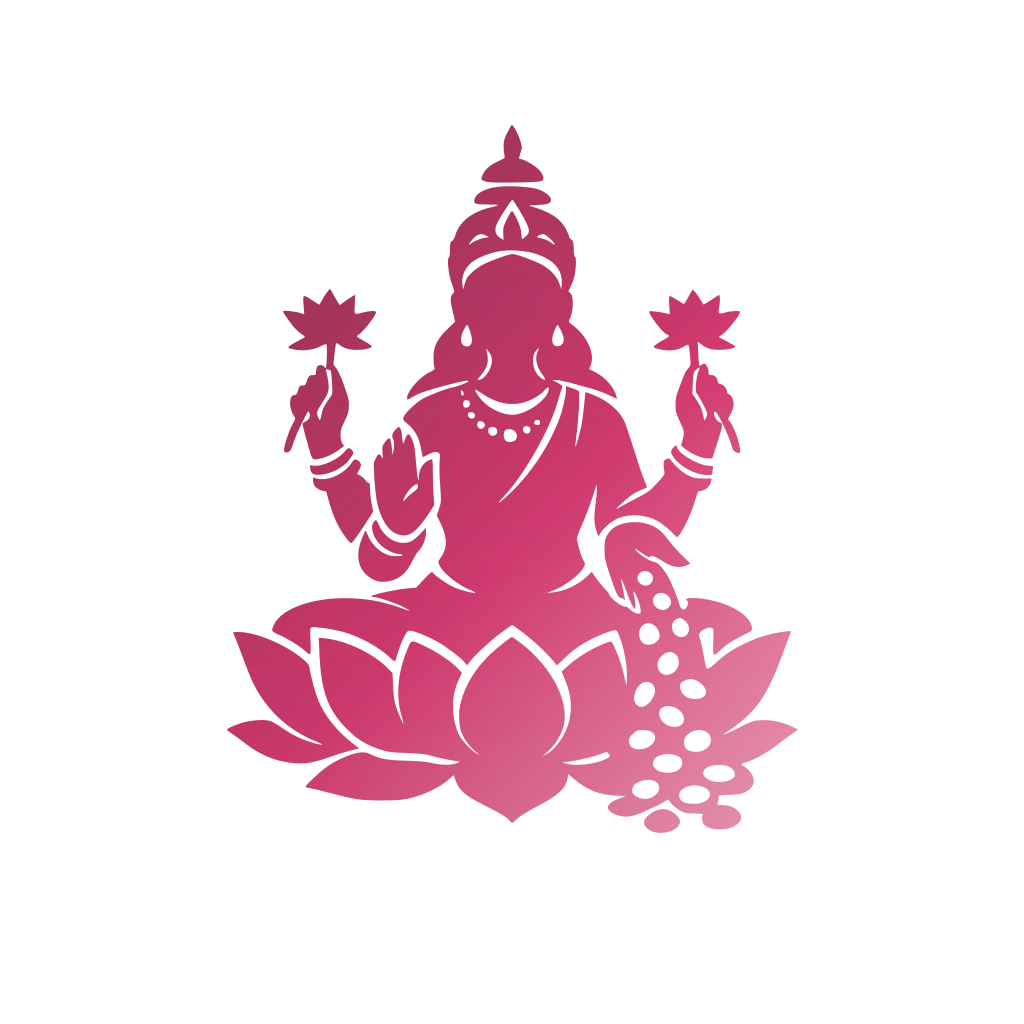
Maa Lakshmi is the goddess of wealth, fortune, beauty, fertility and auspiciousness in Sanatan Dharma, the eternal consort of Lord Vishnu. She is described in the Puranas as having emerged during the Samudra Manthan (churning of the cosmic ocean), seated upon a lotus, radiant and holding lotus flowers, showering gold coins from her palm as a symbol of boundless abundance. She is worshipped in eight forms, the Ashtalakshmi, each governing a different aspect of prosperity: wealth, grain, courage, progeny, victory, patience, knowledge and good fortune.
Lakshmi is central to household worship across India, especially during Diwali, Fridays, and the Sharad Purnima night, when she is believed to visit homes that are clean, lit with diyas, and filled with devotion, blessing them with sthir (stable) wealth that does not depart quickly.
Complete Lakshmi Mantras (Devanagari)
The most widely chanted classical Lakshmi mantra, the Ashta-Lakshmi beej mantra:
ॐ श्रीं ह्रीं श्रीं कमले कमलालये प्रसीद प्रसीद ॐ श्रीं ह्रीं श्रीं महालक्ष्म्यै नमः॥
The traditional Vedic invocation, part of the Sri Suktam, chanted in temples and homes:
ॐ महालक्ष्म्यै च विद्महे विष्णुपत्न्यै च धीमहि। तन्नो लक्ष्मीः प्रचोदयात्॥
A simple, powerful daily chant used by devotees seeking wealth:
ॐ श्रीं महालक्ष्म्यै नमः॥
And a longer traditional shloka often recited during Lakshmi Puja:
नमस्तेऽस्तु महामाये श्रीपीठे सुरपूजिते। शंखचक्रगदाहस्ते महालक्ष्मि नमोऽस्तु ते॥
Meaning of the Mantras
Ashta-Lakshmi beej mantra: Om, salutations to she who dwells in the lotus, seated in the lotus abode; be pleased, be pleased, O Mahalakshmi.
Gayatri-style invocation: We meditate upon the great Goddess of wealth, we contemplate the consort of Vishnu; may that Lakshmi inspire and guide us.
Simple daily chant: Om, salutations to the great Goddess Lakshmi.
Longer shloka: Salutations to you, O great illusion, seated on the throne of Shri, worshipped by the gods; O Mahalakshmi, who holds the conch, discus and mace, salutations to you.
Each of these mantras is a heartfelt invocation of the Goddess's grace, humility and devotion combined, rather than a mechanical demand for riches.
Why Chant the Lakshmi Mantra
Devotees chant Lakshmi mantras to overcome financial hardship, attract new sources of income, remove obstacles in business, bring stability to household finances, and to cultivate an inner sense of abundance and gratitude. Because Lakshmi represents not only money but also grace, beauty, health and auspiciousness, her mantras are also chanted for overall wellbeing and harmony in the home, not wealth alone.
How and When to Chant
Best time: Early morning after bathing, or during Pradosh Kaal on Fridays, which are sacred to Lakshmi; Diwali night and Sharad Purnima are especially powerful for this sadhana.
Direction: Face east or north while chanting.
Seat: Sit on a red or pink aasan, avoiding direct contact with the bare floor.
Mala: Use a lotus-seed (Kamalgatta) mala or a red Hakik mala, both traditionally associated with Lakshmi.
Count: Chant 108 times daily (one mala); many devotees observe 11, 21 or 41 days of continuous chanting, especially leading up to Diwali, for heightened results.
Offering: Light a ghee lamp, offer fresh red or pink flowers (especially lotus if available), a few grains of rice, and keep the worship space and home entrance clean and well-lit, as Lakshmi is said to avoid untidy or dark homes.
Do's and Don'ts
Do keep the home and worship area clean, well-lit and free from clutter, as cleanliness is considered essential to inviting Lakshmi's presence.
Do chant with gratitude for what one already has, alongside the prayer for more, as an attitude of scarcity is believed to repel abundance.
Do not chant with greed, comparison to others' wealth, or an intention to accumulate at the cost of others; this contradicts the Goddess's dharmic nature.
Avoid chanting in an unclean state or immediately after non-vegetarian meals or alcohol consumption on the day of dedicated sadhana.
Mahatmya (Glory) of Lakshmi Worship
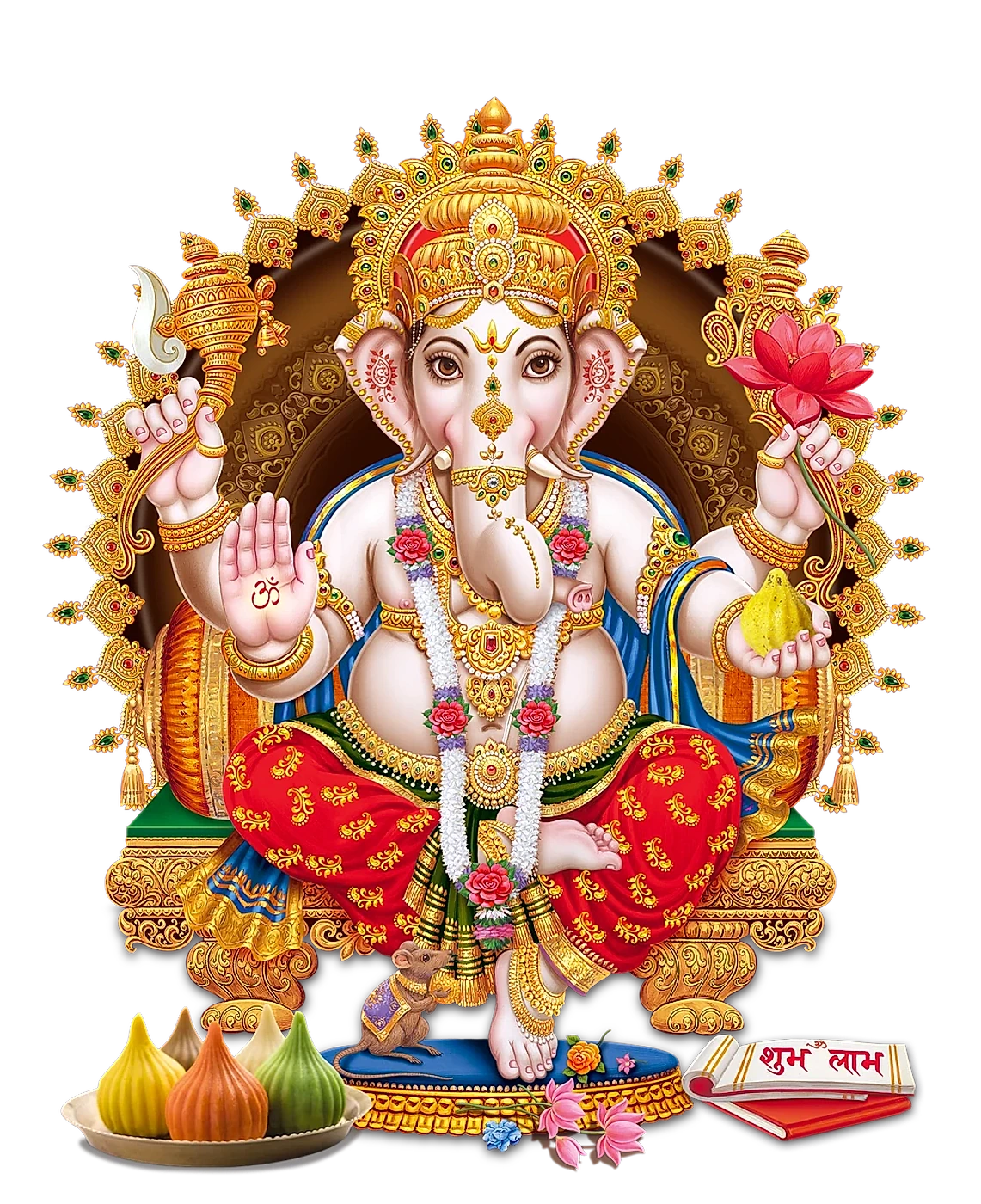
The Puranas narrate that Lakshmi emerged from the ocean during the Samudra Manthan, radiant beyond compare, and chose Lord Vishnu as her eternal consort, symbolising the union of wealth (Lakshmi) with righteousness and preservation (Vishnu) — teaching that true, lasting prosperity flourishes only alongside dharma. It is said that wherever Vishnu is worshipped with devotion, Lakshmi resides in abundance, which is why household worship traditionally honours both together, especially during Diwali when Lakshmi Puja is performed with Ganesh for wisdom and Kuber for the safekeeping of wealth.
Frequently Asked Questions
Which Lakshmi mantra should a beginner start with?
The simple daily chant, Om Shreem Mahalakshmyai Namah, is easy to remember and highly effective for beginners; more elaborate shlokas can be added as one's practice deepens.
Can this mantra be chanted by anyone, regardless of financial situation?
Yes, the mantra is open to all sincere devotees, whether seeking to overcome hardship or to sustain and grow existing prosperity with gratitude.
Is Friday the only day to chant the Lakshmi Mantra?
Friday is considered especially auspicious, but the mantra may be chanted daily; Diwali night and Sharad Purnima are additionally powerful occasions.
How does cleanliness affect the mantra's effectiveness?
Traditional belief strongly links Lakshmi's presence with cleanliness and order; a cluttered, dark or dirty home is believed to be inhospitable to her energy regardless of how devotedly the mantra is chanted.
Quick guide
Before you begin
Mantra
Lakshmi mantra
Om Shreem Mahalakshmyai Namah
Chant on Friday or during Lakshmi puja for prosperity, grace, and sattvic abundance.
Bhav
Benefits devotees pray for
FAQ
Common questions
Which Lakshmi mantra should a beginner start with?
Om Shreem Mahalakshmyai Namah is simple, easy to remember and highly effective for beginners.
Can this mantra be chanted by anyone regardless of financial situation?
Yes, it is open to all sincere devotees, whether facing hardship or growing existing prosperity with gratitude.
Is Friday the only day to chant?
Friday is especially auspicious, but the mantra may be chanted daily, with Diwali and Sharad Purnima being additionally powerful.
How does cleanliness affect effectiveness?
Lakshmi's presence is traditionally linked with cleanliness; a cluttered or dark home is believed inhospitable to her energy.
Invite Maa Lakshmi's Blessings Through Puja
Let our pandits perform a dedicated Lakshmi Puja with full vidhi to bring lasting wealth and prosperity to your home.