


 Griha Shanti evam Parivarik Sukh
Gentle, dharmic upay rooted in daily worship, cleanliness and family conduct that devotees follow to reduce household conflict and bring back harmony.
A home filled with constant arguments, misunderstanding and tension takes a toll not only on relationships but also on the peace of mind of every family member. Sanatan Dharma teaches that Griha Kalesh (household discord) often reflects an imbalance in the home's energy, in daily conduct, or in unresolved planetary and ancestral influences. While honest communication, patience and, where needed, professional counselling remain essential, dharmic upay involving Devi Lakshmi, Tulsi Mata and simple daily practices are widely followed to gently restore harmony and calm within the household.
These remedies work slowly and steadily, nurturing an atmosphere of respect and warmth rather than offering an instant fix, and they are best practised together by the family with sincerity.
Understanding Griha Kalesh in Sanatan Tradition
Our elders have long observed that a home's atmosphere is shaped by the energy we bring into it, through cleanliness, the way we speak to one another, and the sincerity of our daily worship. Vastu imbalance, an unclean or cluttered puja space, neglect of ancestors (Pitru), or an afflicted Moon and Venus in family members' charts are traditionally associated with recurring tension at home. The upay below are meant to gently correct this energy while family members also work on communication and understanding.
Daily Puja and Tulsi Worship
Light a diya of ghee every evening at dusk in front of your household deity and near the Tulsi plant if you have one at home. This is one of the most important and simple daily practices for inviting Devi Lakshmi's peaceful presence.
Water the Tulsi plant every morning and light a diya near it every evening, since Tulsi Mata is deeply associated with household purity, peace and the presence of Lakshmi ji.
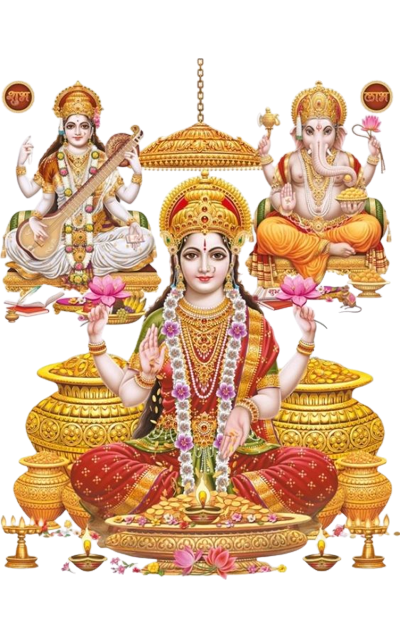
On Friday evenings, offer a diya, kumkum and fresh flowers to Devi Lakshmi, and recite the Lakshmi Chalisa or simply chant:
ॐ श्रीं ह्रीं क्लीं महालक्ष्म्यै नमः
Keep a small idol or picture of Lakshmi-Narayan or Radha-Krishna in the main living area, as their union is considered a symbol of domestic harmony and balance.
Vastu and Household Cleanliness
Keep the main entrance (mukhya dwar) of the house clean and well-lit every evening, as a dark or cluttered entrance is believed to invite stagnant, heavy energy.
Avoid keeping broken items, cracked mirrors, dead plants or non-functional clocks anywhere in the house, since these are traditionally believed to disturb the flow of positive energy.
Regularly declutter, especially under beds and in storage corners, and clean the kitchen thoroughly, since a clean kitchen is associated with nourishment and family well-being.
Place a small bowl of rock salt in the corners of rooms where arguments most often happen, and change it every 15 days, as rock salt is traditionally believed to absorb negative energy.
Mantra Jaap and Pitru Shanti
Chant the Maha Mrityunjaya Mantra together as a family, or individually, especially during periods of unusual conflict:
ॐ त्र्यम्बकं यजामहे सुगन्धिं पुष्टिवर्धनम् उर्वारुकमिव बन्धनान्मृत्योर्मुक्षीय मामृतात्
On Amavasya, offer water (jal) and til (sesame seeds) to your ancestors facing south, and if possible, feed a cow or a needy person in their memory, since neglected Pitru energy is traditionally linked to unexplained household tension.
Family Conduct That Supports These Upay
Eat meals together as a family whenever possible, without phones or distractions, as shared meals are considered sacred moments that build warmth and understanding.
Avoid raising your voice or arguing near the puja ghar or the kitchen, since these are considered spaces of sanctity in the home.
Practice speaking with respect even during disagreements; a simple pause before responding in anger, taken with awareness, is itself considered a powerful upay.
Do's and Don'ts
Do keep the home well-lit, clean and fragrant with incense or dhoop daily, especially during sandhya (dusk).
Do involve the whole family in the Friday Lakshmi puja so that everyone shares in the intention of peace.
Don't perform any upay out of anger or as a way to blame another family member; the intention behind these practices should always be collective peace.
Don't ignore genuinely serious issues such as abuse, addiction or mental health struggles by relying only on upay; these situations need direct, honest action and, where necessary, professional support alongside faith.
A Gentle Reminder
These upay are offered as a matter of faith and tradition to support a peaceful home atmosphere, and are not a substitute for honest communication, family counselling, or medical, legal and psychological professional advice where genuinely needed. Approached with patience, humility and sincerity, they can be a meaningful part of restoring warmth to your household.
Frequently Asked Questions
How long does it take for these upay to show effect on household peace? Since household harmony grows gradually through consistent practice and genuine effort from all family members, most devotees notice a gentle but steady improvement in the home's atmosphere over several weeks of sincere daily practice.
Can a single family member perform these upay, or does the whole family need to participate? Even one sincere family member performing these upay regularly can positively influence the home's atmosphere, though it is more powerful when the whole family joins in, especially during the Friday Lakshmi puja.
What if the household conflict involves a serious issue like addiction or financial crisis? Upay can offer emotional and spiritual support, but serious issues such as addiction, abuse or financial crisis require direct, honest conversations and appropriate professional help alongside any spiritual practice.
Is it necessary to have a Tulsi plant at home to do these upay? While a Tulsi plant is a beautiful and traditional addition, it is not strictly necessary; the diya, Lakshmi puja and mantra jaap can still be performed sincerely without one, and their blessing remains the same.
Quick guide
Before you begin
Mantra
Lakshmi mantra
Om Shreem Mahalakshmyai Namah
Chant on Friday or during Lakshmi puja for prosperity, grace, and sattvic abundance.
Bhav
Benefits devotees pray for
FAQ
Common questions
How long does it take for these upay to show effect on household peace?
Most devotees notice a gentle but steady improvement over several weeks of sincere daily practice, since harmony grows gradually through consistent effort.
Can a single family member perform these upay, or does the whole family need to participate?
Even one sincere member can positively influence the home, though it is more powerful when the whole family joins, especially the Friday Lakshmi puja.
What if the household conflict involves a serious issue like addiction or financial crisis?
Upay offer spiritual support, but serious issues require direct conversations and appropriate professional help alongside any spiritual practice.
Is it necessary to have a Tulsi plant at home to do these upay?
No, it is not strictly necessary; the diya, Lakshmi puja and mantra jaap can still be performed sincerely without one.
Invite Peace and Prosperity Into Your Home
Book a puja dedicated to Devi Lakshmi and household harmony to restore calm and warmth in your family.