
 श्री गणेशाय नमः
The Ganesh Yantra is a sacred geometric diagram of Lord Ganesh's energy that removes obstacles, brings clarity of mind, and blesses every new beginning.
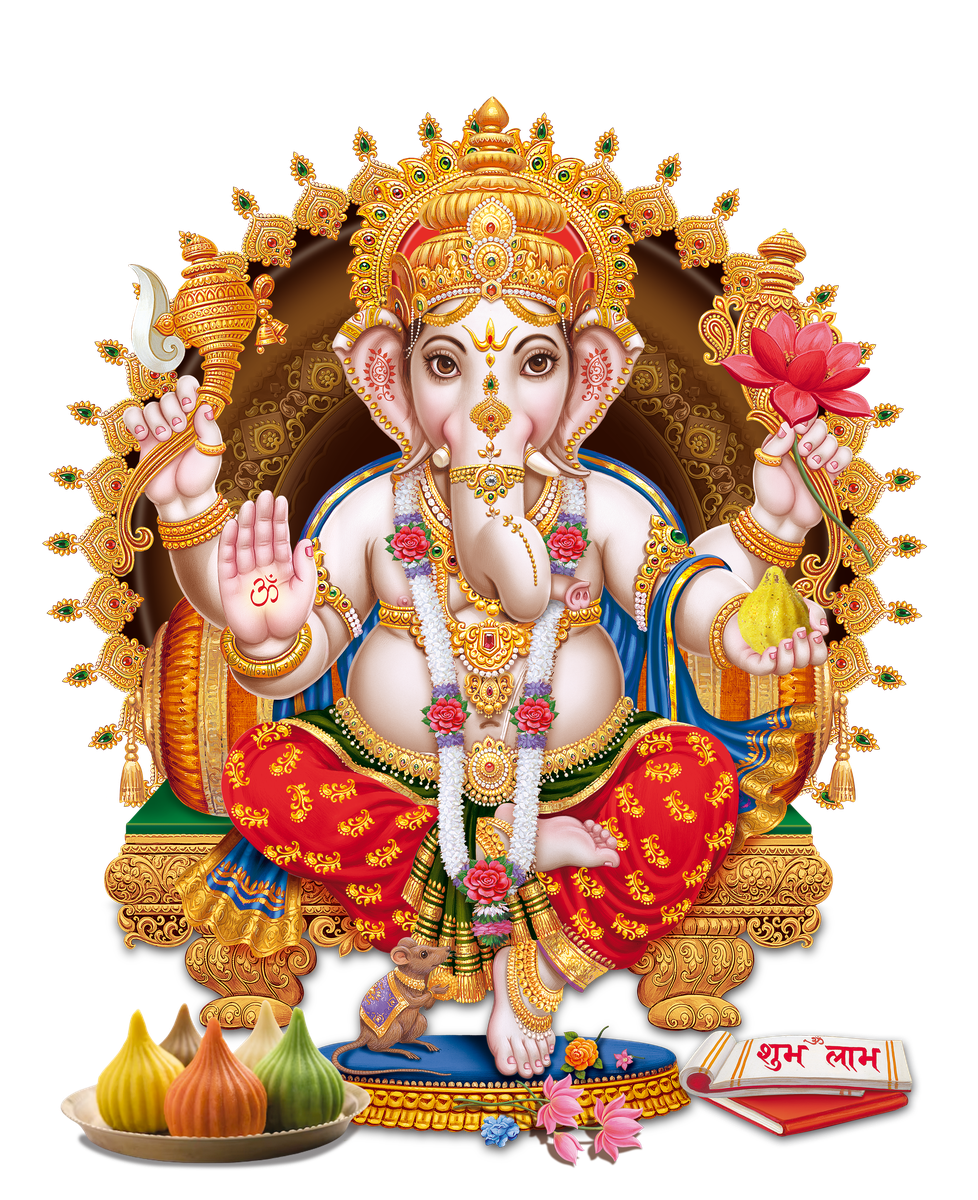
Among the countless sacred instruments of Sanatan tantra, the Ganesh Yantra holds a place of special reverence. It is not merely a drawing or an object — it is considered a living form of Lord Ganesh himself, encoded in geometry and Sanskrit syllables (bija mantras). Wherever this yantra is established with faith and proper vidhi, devotees believe that the energy of Vighnaharta, the Remover of Obstacles, begins to actively work in that space.
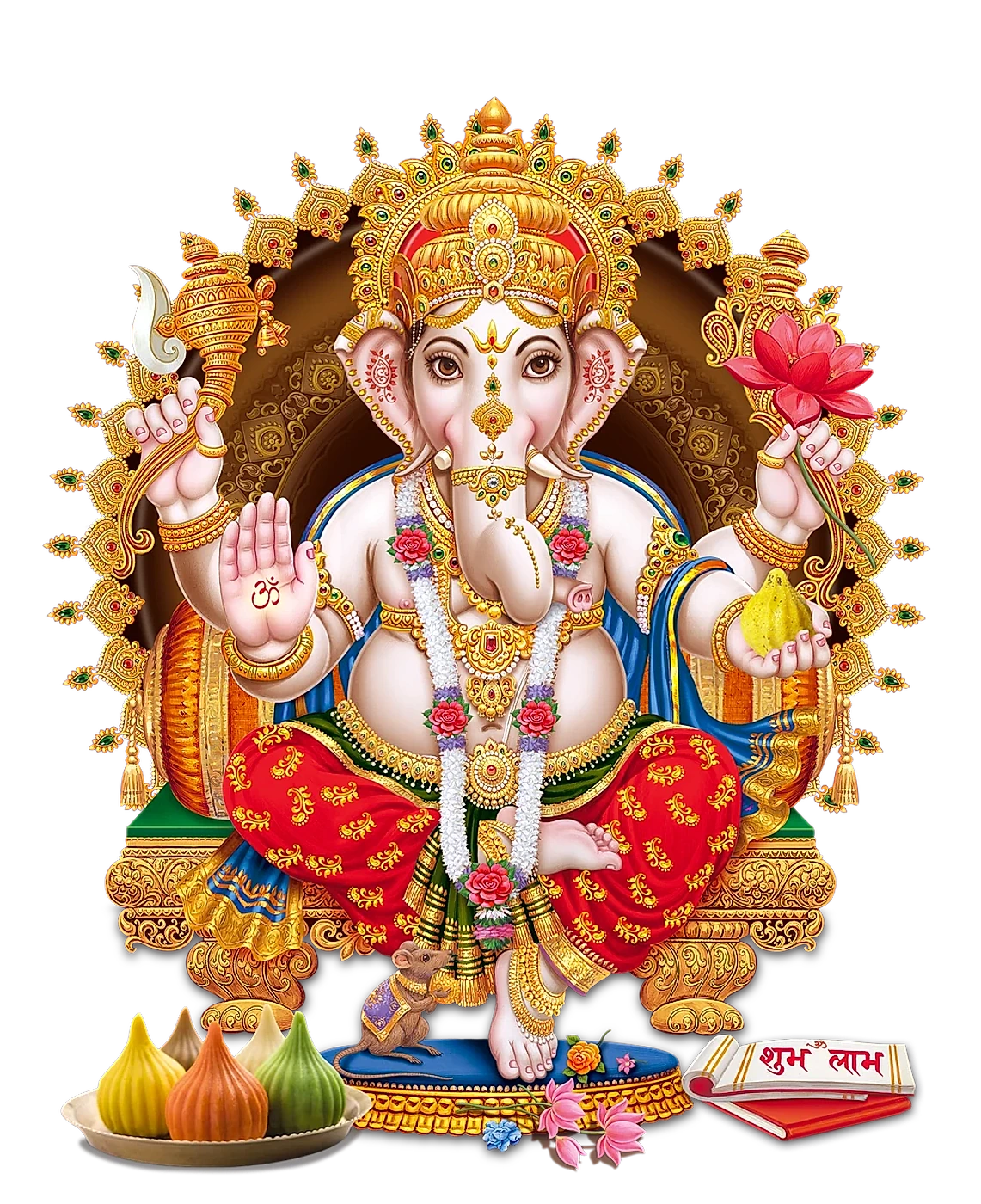
Ganesh is worshipped first before any ritual, journey, business venture or life event in Hindu tradition, because he is Pratham Pujya — the one who must be honoured before all else. The Ganesh Yantra extends this same principle into daily life: instead of invoking him only occasionally, the yantra keeps his blessing continuously present at home, in the shop, in the office, or wherever it is placed.
What Is the Ganesh Yantra
A yantra is a geometric diagram — usually made of copper, silver, gold, bhojpatra (birch bark) or engraved on a metal plate — that represents a deity's cosmic energy in visual form. The Ganesh Yantra typically consists of a central point (bindu) representing Ganesh's consciousness, surrounded by triangles, a lotus of petals, and an outer square boundary (bhupura) with gates on all four sides. Sanskrit bija mantras, especially the seed sound Gam, are inscribed around the design.
This is not decorative art. Each line, angle and syllable is believed to correspond to a subtle vibration. When the yantra is energised (pran-pratishthit) through proper mantra and puja, that vibration is said to align with the energy of Ganesh, turning the physical object into a working spiritual instrument.
How the Ganesh Yantra Removes Obstacles
Ganesh's two primary roles in the Puranas are Vighnaharta — remover of obstacles for his devotees — and Vighnakarta — the one who places obstacles before those on a wrong or unrighteous path. The yantra's energy is believed to work in both directions: it clears the hurdles that are blocking a devotee's genuine, honest effort, while also helping to dissolve confusion, indecision and the tendency to abandon good work midway.
Many devotees keep the Ganesh Yantra for very specific life situations: before starting a new business, before an important exam or interview, when a project is repeatedly getting delayed for unclear reasons, when there is friction in family relationships, or simply to bring a sense of steady confidence into daily decisions. Because Ganesh also governs buddhi (intellect) and siddhi (accomplishment), the yantra is associated not just with removing negative blocks but with sharpening clarity of thought.
Where and How to Place the Ganesh Yantra
Direction: The Ganesh Yantra is best placed in the North, North-East, or East direction of the home, temple corner, or shop — these directions are considered most receptive to positive energy in Vastu tradition.
Height: Keep it at a respectable height, ideally at or above chest level, never on the floor or in a place where it may be stepped over.
Surface: Place it on a clean wooden platform (chowki) covered with a red or yellow cloth, never directly on bare ground or a cluttered shelf.
Orientation: The yantra should generally face the person worshipping it, so its energy is received directly during puja.
Companion items: It is traditionally placed alongside or near a small Ganesh idol or picture, without crowding the space with unrelated objects.
Puja Vidhi for the Ganesh Yantra
Day: Wednesday (Buddhwar) is considered especially auspicious for beginning Ganesh Yantra worship, as is Ganesh Chaturthi. Daily worship, once begun, can continue on any day.
Time: Early morning, after bathing, during Brahma Muhurta or shortly after sunrise, is the ideal time.
Steps: Begin by cleaning the space and the yantra with a soft cloth. Light a ghee lamp (diya) and incense (agarbatti or dhoop) before the yantra. Offer a few drops of water (jal), then unbroken rice (akshat), red flowers, and durva grass, which is especially dear to Ganesh. Apply a tilak of sindoor or chandan at the centre of the yantra. Offer modak or laddu as bhog if available; otherwise any sweet offering is acceptable. Sit facing the yantra and chant the mantra given below with a clear, sincere mind, ideally 11, 21 or 108 times using a rudraksha or tulsi mala. Conclude with a short prayer expressing gratitude and the specific intention (obstacle you wish removed, or beginning you wish blessed).
Ganesh Yantra Mantra
Om Gam Ganapataye Namah
This is the primary bija mantra for the Ganesh Yantra and can be chanted daily. For deeper worship, the following mantra may also be used
Vakratunda Mahakaya Suryakoti Samaprabha Nirvighnam Kuru Me Deva Sarva Karyeshu Sarvada
Meaning: O Lord with the curved trunk and mighty form, radiant as a million suns, kindly make all my endeavours free of obstacles, always.
Benefits of Worshipping the Ganesh Yantra
Devotees who worship the Ganesh Yantra with sincerity and consistency describe several benefits over time: a gradual reduction in recurring, unexplained hurdles in work or family matters; greater mental clarity and confidence before important decisions; a sense of steadiness when starting new ventures, homes, or relationships; and an overall feeling of protection and auspiciousness in the household. These are experienced gradually through devotion and right effort — the yantra supports and blesses sincere action, it does not replace it.
Dos and Don'ts
Do keep the yantra clean and undisturbed by other people's touch as far as possible. Do light a lamp before it regularly, even if full puja is not always possible. Do not place it in the kitchen, bathroom, or near footwear. Do not worship it with a distracted or angry mind — approach it with humility and patience. Do not discard an old or damaged yantra carelessly; immerse it respectfully in a river or return it to a temple.
A Gentle Note
The Ganesh Yantra is a beautiful support for sincere devotion, patience and right effort — it works alongside your own honest actions, not instead of them. It is a matter of faith and tradition, and should never be seen as a substitute for practical planning, professional advice, or hard work in worldly matters.
Frequently Asked Questions
Quick guide
Before you begin
Mantra
Ganesh mantra
Om Gam Ganapataye Namah
Chant before beginning the puja, aarti, study, business, or any new work.
Bhav
Benefits devotees pray for
FAQ
Common questions
Can the Ganesh Yantra be worn as a locket?
Yes, a small Ganesh Yantra can be worn as a locket after it has been properly energised. It is worn close to the heart and treated with the same respect as a home yantra.
How soon can benefits be felt?
Experiences vary by individual and depend on sincerity, regularity of worship, and continued honest effort in one's own work. Many devotees report a gradual sense of clarity and reduced friction over weeks of consistent practice.
Can anyone worship the Ganesh Yantra, regardless of tradition?
Yes, Ganesh worship is welcoming to all sincere devotees. No complex initiation is required — simple daily devotion with a clean heart is sufficient.
What if I miss a day of puja?
Do not worry. Simply light a lamp and offer a silent prayer when you resume. Consistency matters more than perfection, and Ganesh, the compassionate one, understands human limitations.
Invite Ganesh's Blessing Into Your Home
Book a sacred Ganesh puja performed with full vidhi and let Vighnaharta's grace guide your new beginnings.