


 जय जय जय गणपति गणराजू
The complete Ganesh Chalisa in Devanagari with meaning, benefits and the correct method of chanting before new beginnings.
Complete Ganesh Chalisa (Devanagari)
Doha
Jai Ganpati sadgun sadan, kavivar badan kripal. Vighna haran mangal karan, jai jai Girija lal.
Jai jai jai Ganpati Ganraju. Mangal bharan karan shubh kaju.
Jai gajbadan sadan sukhdata. Vishva vinayak buddhi vidhata.
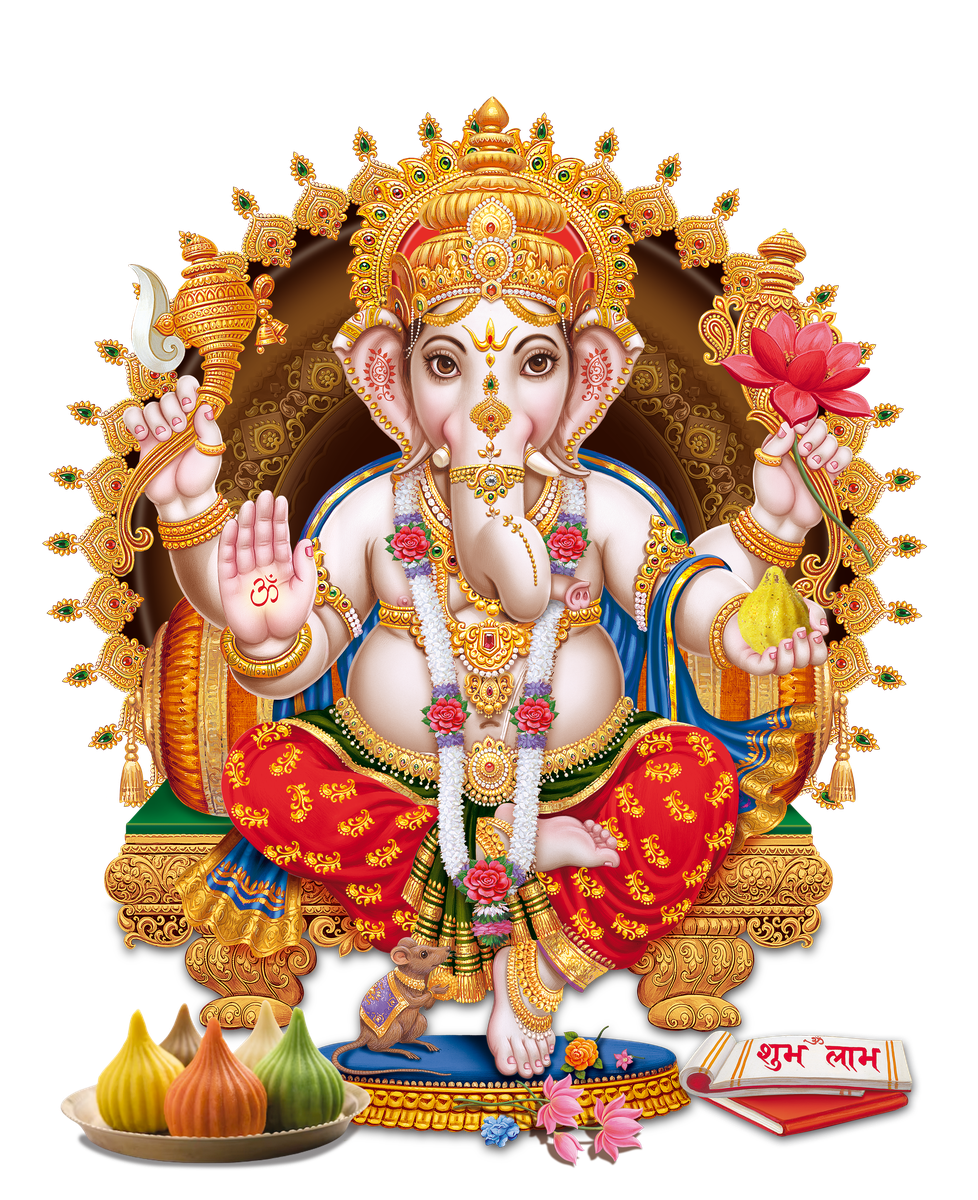
Vakra tund shuchi shund suhavan. Tilak tripund bhal man bhavan.
Rajat mani muktan ur mala. Swarna mukut shir nayan vishala.
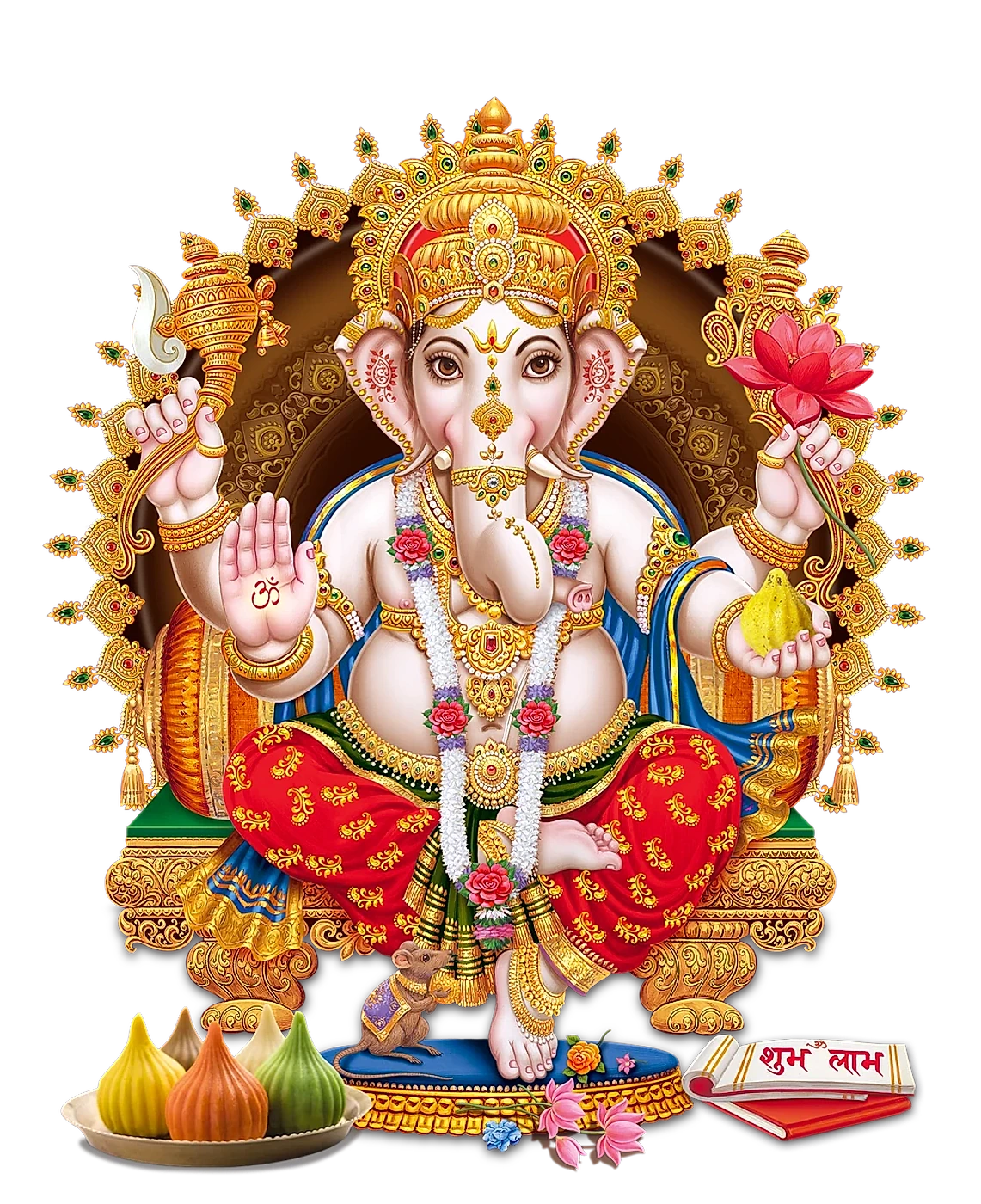
Pustak pani kuthar trishoolam. Modak bhog sugandhit phoolam.
Sundar pitambar tan sajit. Charan paduka muni man rajit.
Dhani Shiv suvan shadanan bhrata. Gauri lalan vishva vikhyata.
Riddhi Siddhi tav chanwar sudhare. Mushak vahan sohat dware.
Kahau janam shubh katha tumhari. Ati shuchi pavan mangalkari.
Ek samay Girirajkumari. Putra hetu tap keenho bhari.
Bhayo yagya jab pooran avana. Pragat bhaye tab shadanan nandan.
Roop chaturbhuj tanu ati sohat. Dev suran sab man ati mohat.
Dekhat aanand bhayo bhari. Goonji uthi saari mahatari.
Aadi puja tav pratham Ganesha. Pratham poojya pratham suresha.
Tumhare sheesh pari shubh dhara. Liyo chaturthi ko avatara.
Riddhi Siddhi dou chavar dhurave. Mushak vahan sohat pave.
Kahau Ganesh vidit sab loka. Prati har hot sakal sanshoka.
Narad rishi pahunche us kala. Kahat bhaye ati deen dayala.
Lakhi mahima tumhari jag saji. Bhai mudit sur munijan raji.
Surpati jabahin mahal chhavi chhai. Astuti kari Narad muni gai.
Astuti suni prabhu ati sukh mana. Sunahu Narad nij katha bakhana.
Dhoomravarn kahun ati dukhdai. Suni Ganraj bahut harshai.
Tumharo naam let main bhai. Siddh hoy sab karaj mai.
Mushak vahan sohat yah aana. Siddhi Riddhi karat tav gaana.
Jai jai jai Ganpati gun gyata. Tribhuvan mein jinki vikhyata.
Ekdant dayavant chaturbhuj. Bhaktan ke tum man ke bhavan.
Paan chadhe phal meva bhoga. Laddun ko bhog lage suyoga.
Suryavarn Gajanan joi. Ichchhit phal de sakal na koi.
Nirakar hai jyoti tumhari. Tihun lok mein jyoti ujiyari.
Tark vitark karat jo prani. Bhramahin sada dukhi bahu dhani.
Charan kamal par bhakti jo hoi. Lakhat use tum aatur soi.
Jo tumhare sheesh dhare dhyana. Ta ko hoy siddhi nidana.
Nirakar hai jyoti tumhari. Gun gan naam bhav sab nyari.
Lakh chaturbhuj paramanand swarupa. Shakti bhakti dayak shubh bhupa.
Jo Ganesh Chalisa gave. So nishchay buddhi pave.
Ganesh Chalisa jo nar padhai. Tehi par hot sakal vidhi badai.
Nitya nem kar path karave. So nishchay Ganpati man lave.
Astuti kari das tumhari. Harahu sakal peeda dukhkari.
Nitya nem prataha kaal dikhave. Sukh sampatti ta ke grah aave.
Are pratap Ganpati gao. Ati shuchi pavan dukh nashao.
Doha
Gajanan Ganesh gun gaven, so jan kabahu na paven dukh. Mushak vahan jai Ganesh gun, den sukh shanti abhay anugrah.
Meaning
The opening doha salutes Ganpati as the abode of all virtues, whose form delights the finest poets, the remover of obstacles and bestower of auspiciousness — victory to Girija's beloved son. The chaupais that follow describe him as Ganraj (lord of the ganas), the source of all auspicious beginnings and success in every task, the elephant-faced one who dwells in every home bringing happiness, the universal Vinayak and lord of wisdom.
His curved trunk and graceful form are described lovingly — the sacred tripund mark upon his radiant forehead, a garland of gems and pearls upon his chest, a golden crown, large eyes, a book and axe and trident in his hands, offerings of modak and fragrant flowers, a fine yellow silk garment, and sandals that even sages hold dear in their meditation. He is called the son of Shiva, brother of Shadanan (Kartikeya), and the world-renowned beloved child of Gauri. Riddhi and Siddhi wave chamars (fly-whisks) beside him, and his mouse (mushak) vahan graces his doorway.
The Chalisa then recounts his sacred birth story: once Parvati, daughter of the mountain king, performed intense penance for a son. When the yagna was completed, Shadanan's brother appeared — a four-armed form so radiant that it enthralled all the gods and celestial beings, and the joy at his sight resounded through the heavens. He was worshipped first among all deities from that very moment — the first to be honoured before any other, taking his sacred avatar on the day of Chaturthi. Riddhi and Siddhi both wave their chamars beside him and his mouse vahan graces his presence.
Benefits of Reciting Ganesh Chalisa
Removes obstacles from new beginnings, work and travel. Brings wisdom, focus and success in studies and career. Grants peace of mind and protection from difficulties. Blesses the home with prosperity (Riddhi-Siddhi) and harmony.
How and When to Chant
Sit before an image or idol of Lord Ganesha, ideally on a Wednesday (Ganesh ji's day) or before starting any new task, journey or venture. Offer a red flower, durva grass or a modak if available, and light a diya. Recite the doha, all the chaupais, and the closing doha with a calm, focused mind. It is especially auspicious to recite it during Ganesh Chaturthi and before beginning any important work, as Ganesh is invoked first in all Hindu rituals as Vighnaharta, the remover of obstacles.
Dos and Don'ts
Begin any recitation with a clean body and pure mind. Offer only sattvic items such as modak, durva and flowers. Avoid rushing through the verses; recite with clarity and devotion. This Chalisa may be recited by anyone, of any age, before starting an important task for blessings of success.
Mahatmya (Glory)
The Ganesh Chalisa recounts Lord Ganesha's divine birth, his status as the first deity to be worshipped in every ritual, and his role as remover of obstacles and giver of wisdom. It is recited widely across India, especially during Ganesh Chaturthi and before undertaking any new venture, as Ganesh's blessing is considered essential for success.
Frequently Asked Questions
Question: When should the Ganesh Chalisa be recited? Answer: It can be recited daily, and is especially auspicious on Wednesdays, during Ganesh Chaturthi, and before starting any new work or journey.
Question: Why is Ganesh worshipped first in Hindu rituals? Answer: Ganesh is known as Vighnaharta, the remover of obstacles, so he is invoked first to ensure any undertaking proceeds smoothly.
Question: What offerings are best while reciting the Ganesh Chalisa? Answer: Modak, durva grass, and red flowers are traditionally offered along with the recitation.
Question: What are the benefits of reciting the Ganesh Chalisa? Answer: It removes obstacles, brings wisdom and success, and blesses the home with prosperity and peace.
Quick guide
Before you begin
Mantra
Ganesh mantra
Om Gam Ganapataye Namah
Chant before beginning the puja, aarti, study, business, or any new work.
Bhav
Benefits devotees pray for
FAQ
Common questions
When should the Ganesh Chalisa be recited?
It can be recited daily, and is especially auspicious on Wednesdays, during Ganesh Chaturthi, and before starting any new work or journey.
Why is Ganesh worshipped first in Hindu rituals?
Ganesh is known as Vighnaharta, the remover of obstacles, so he is invoked first to ensure any undertaking proceeds smoothly.
What offerings are best while reciting the Ganesh Chalisa?
Modak, durva grass, and red flowers are traditionally offered along with the recitation.
What are the benefits of reciting the Ganesh Chalisa?
It removes obstacles, brings wisdom and success, and blesses the home with prosperity and peace.
Begin new work with Ganpati's blessings
Book an authentic Ganesh puja with our verified pandits before your next important beginning, with a video of your sankalp.