 Book Puja
 Special Puja
 Sanatan SahityaMy Account
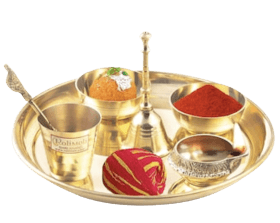
Each offering is carried in your name-gotra as part of the same ritual at the temple.
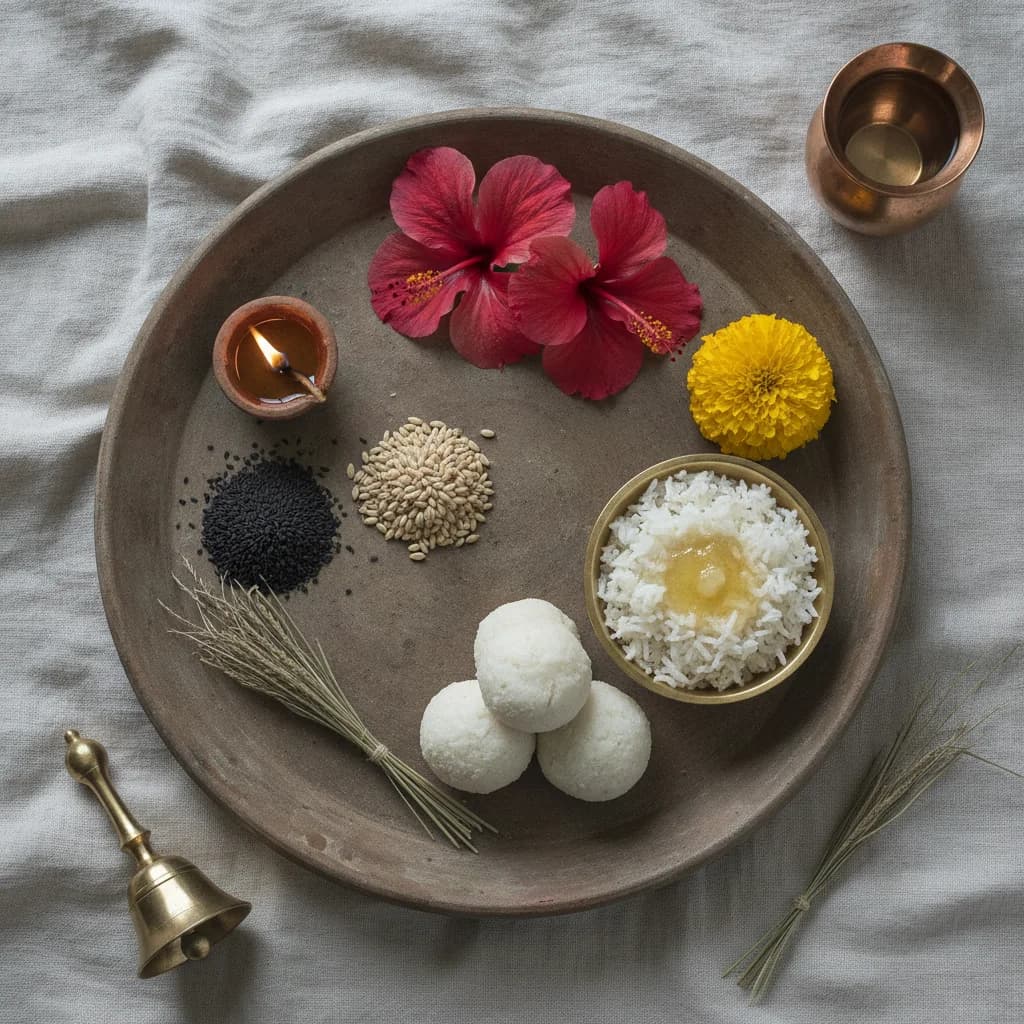
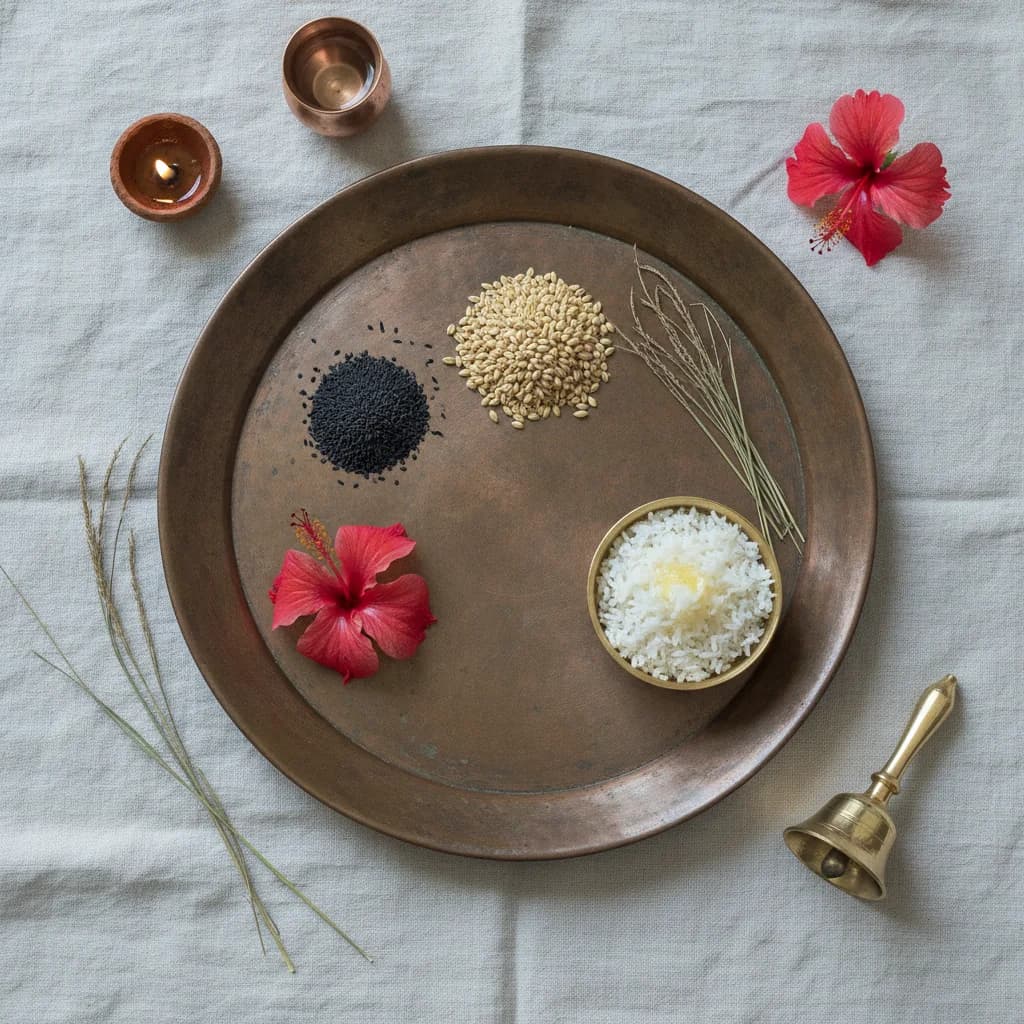
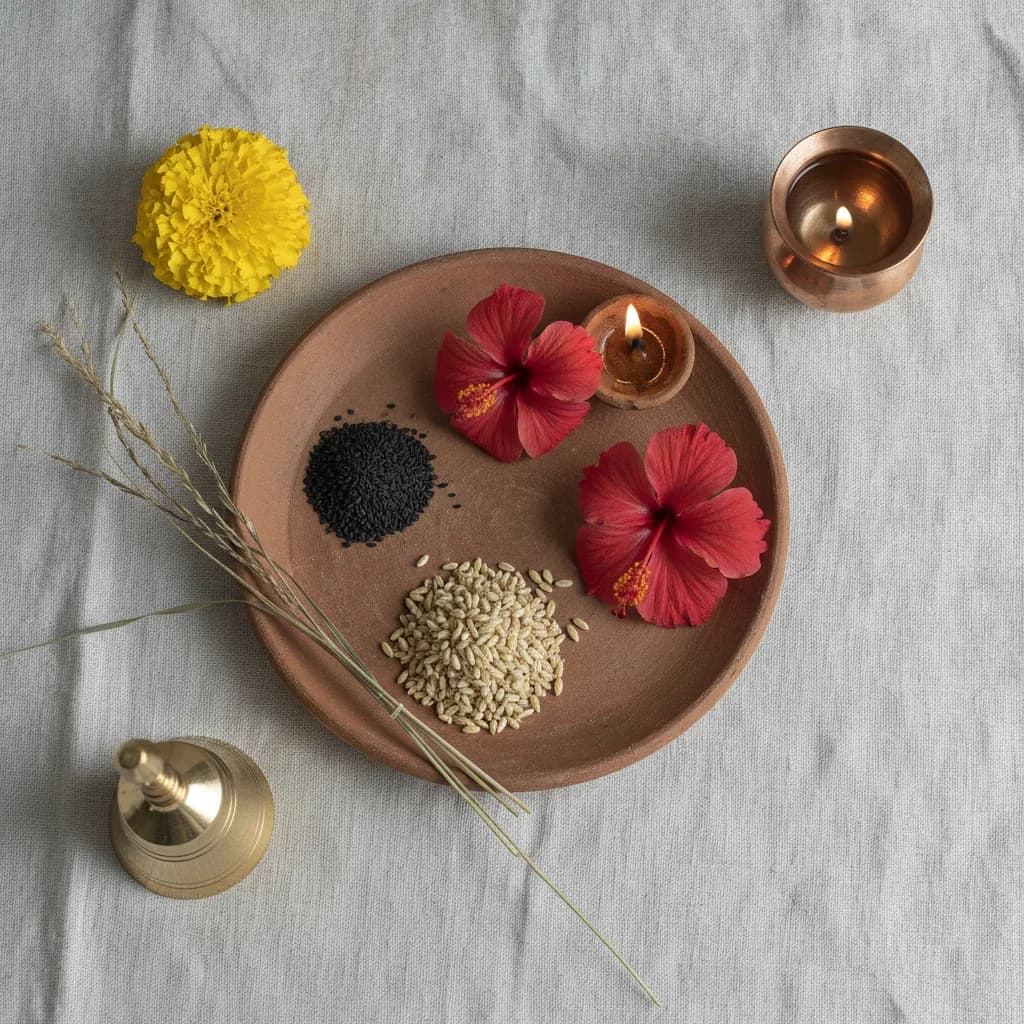
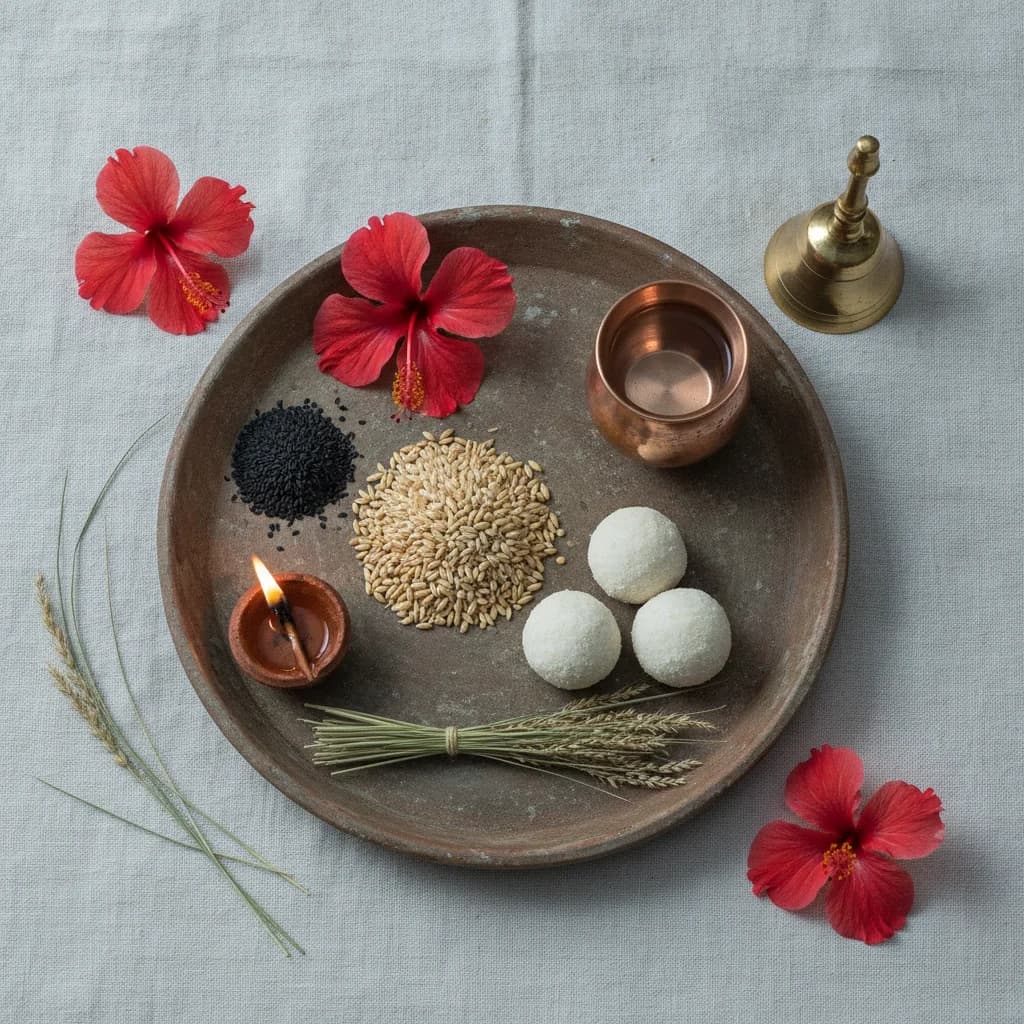
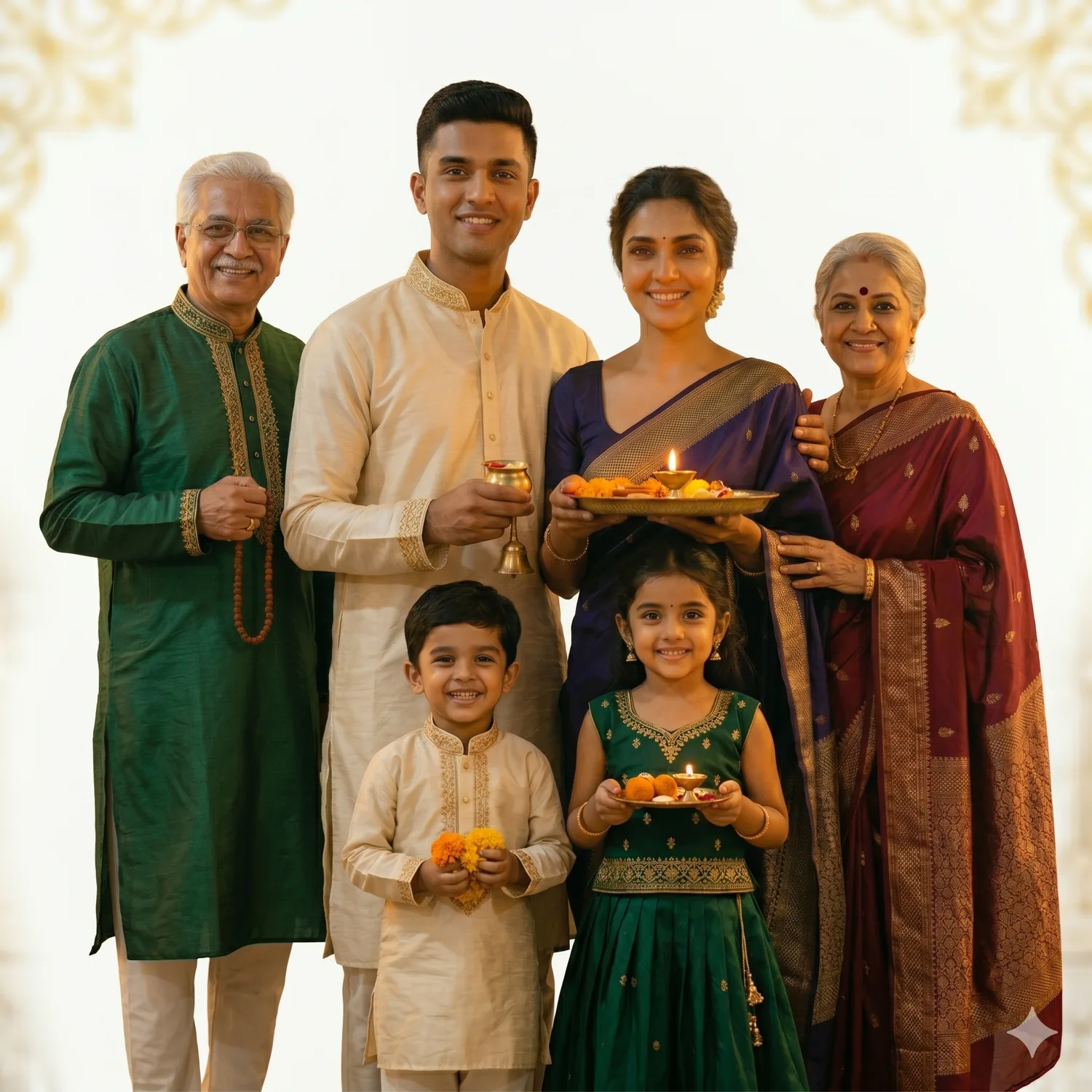
Every name you add is spoken in the tarpan and the yagya sankalp. Choose how many of your family it is taken for.



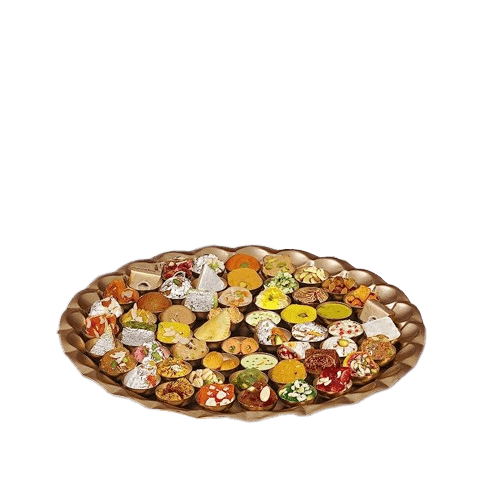
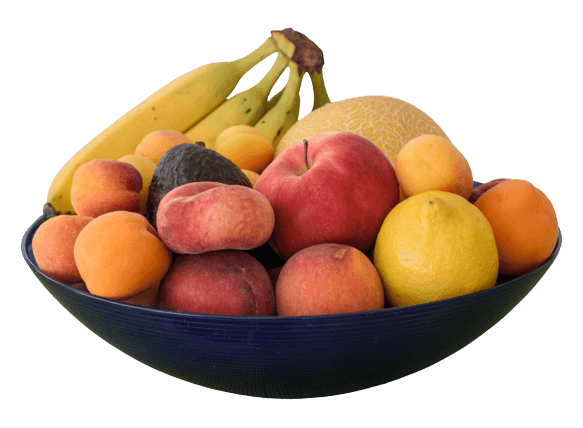
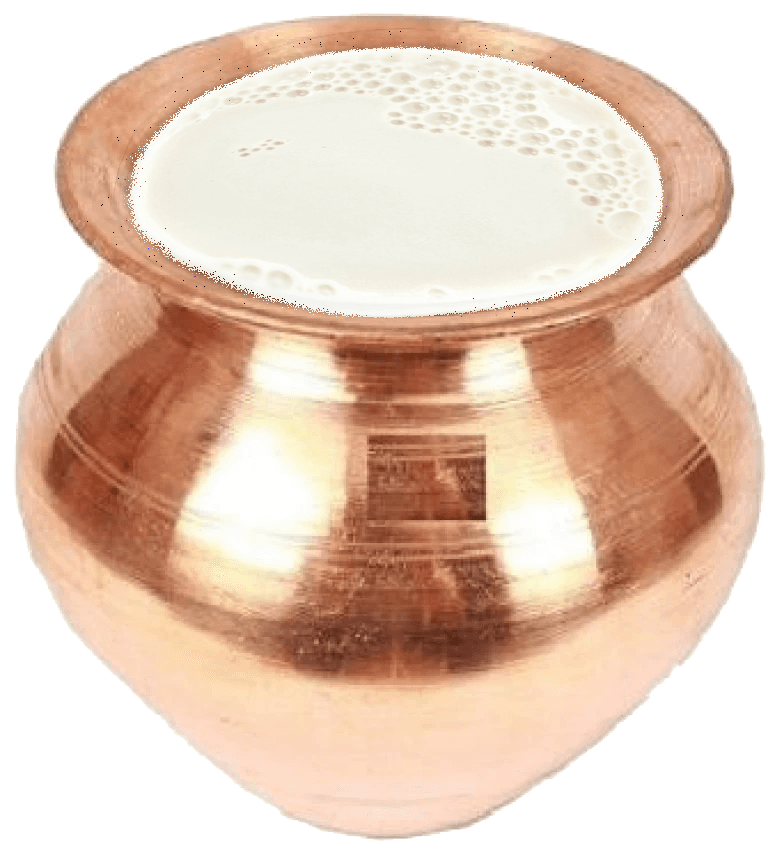
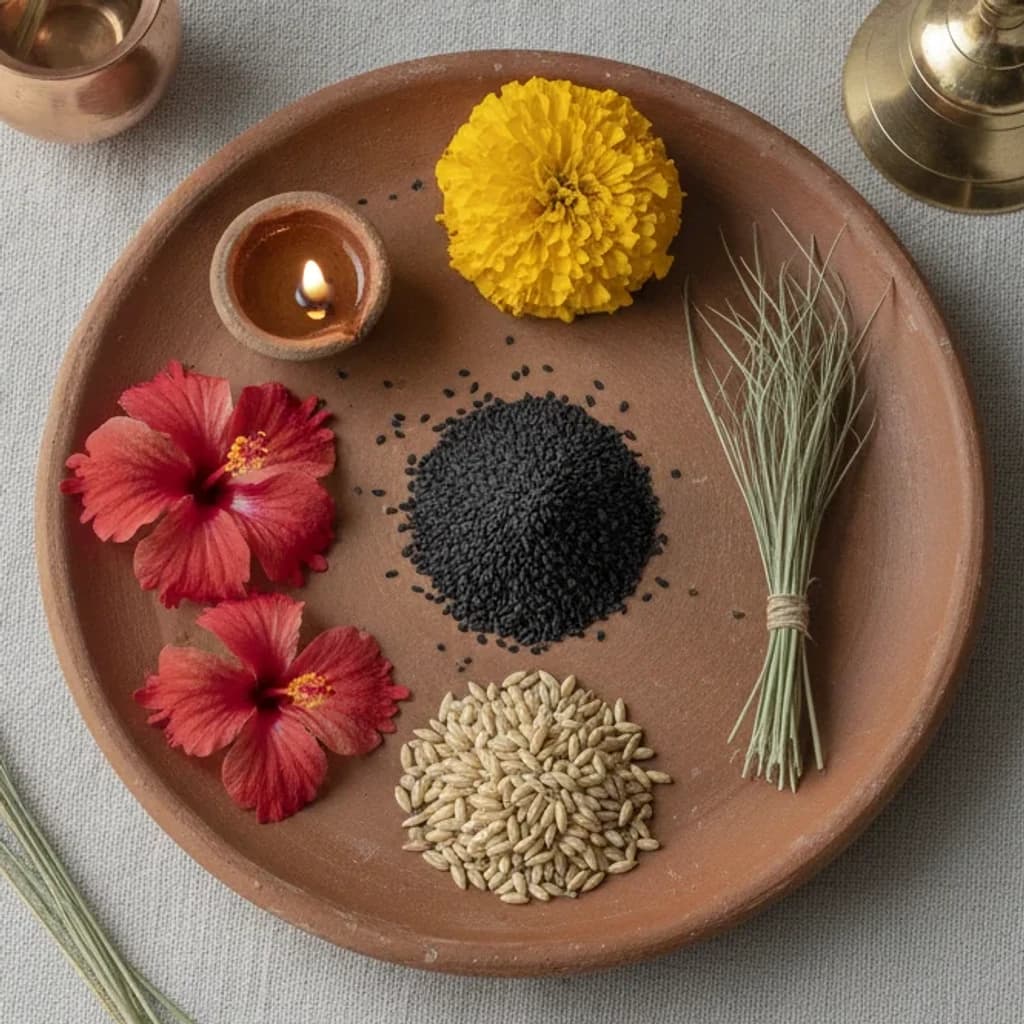
Many devotees add one of these alongside the puja, for gratitude, ancestral remembrance, or a simple act of giving.
Real moments from the sankalps, abhisheks and hawans our pandits have performed at the temples, taken from the puja videos.
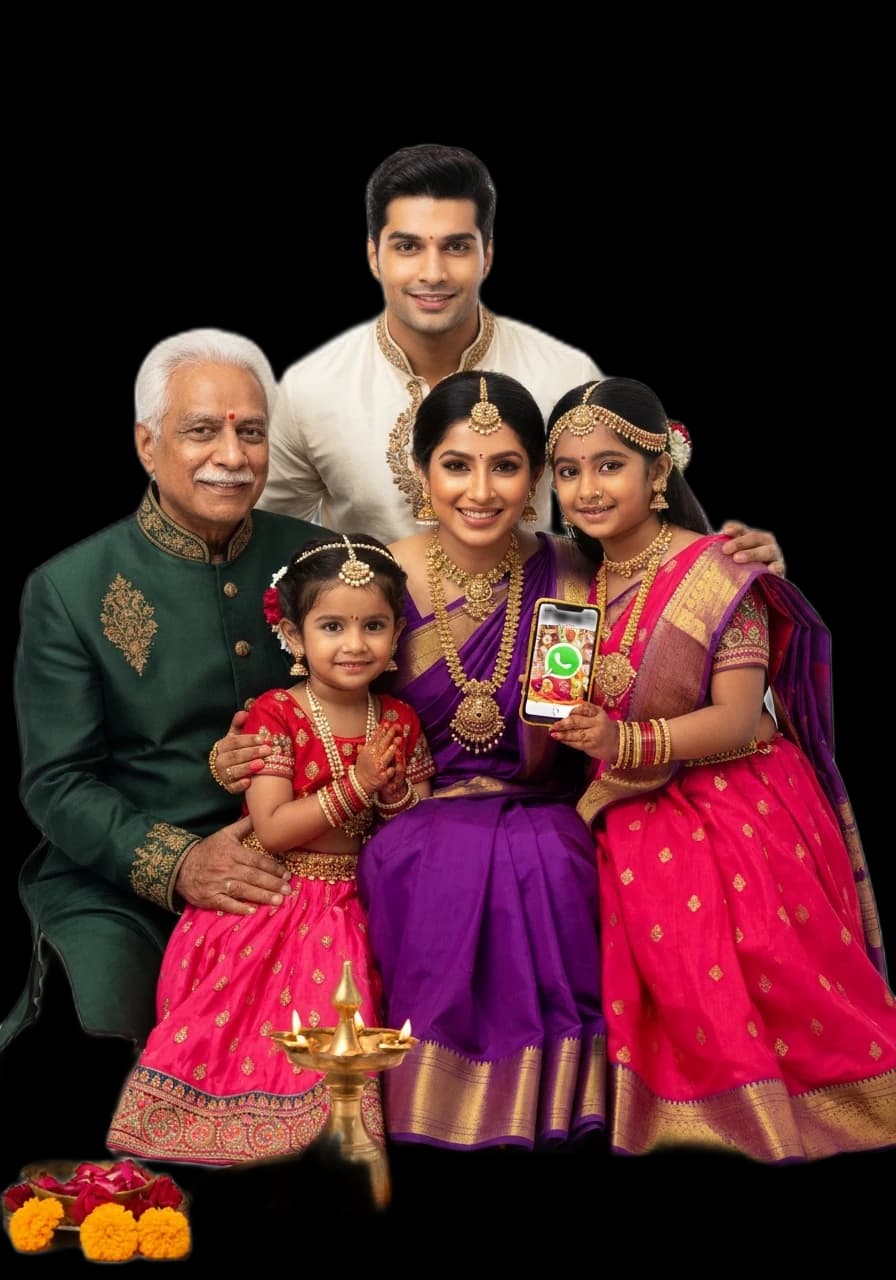
Watch real puja & chadhava deliveries, sent to devotees on WhatsApp after completion.
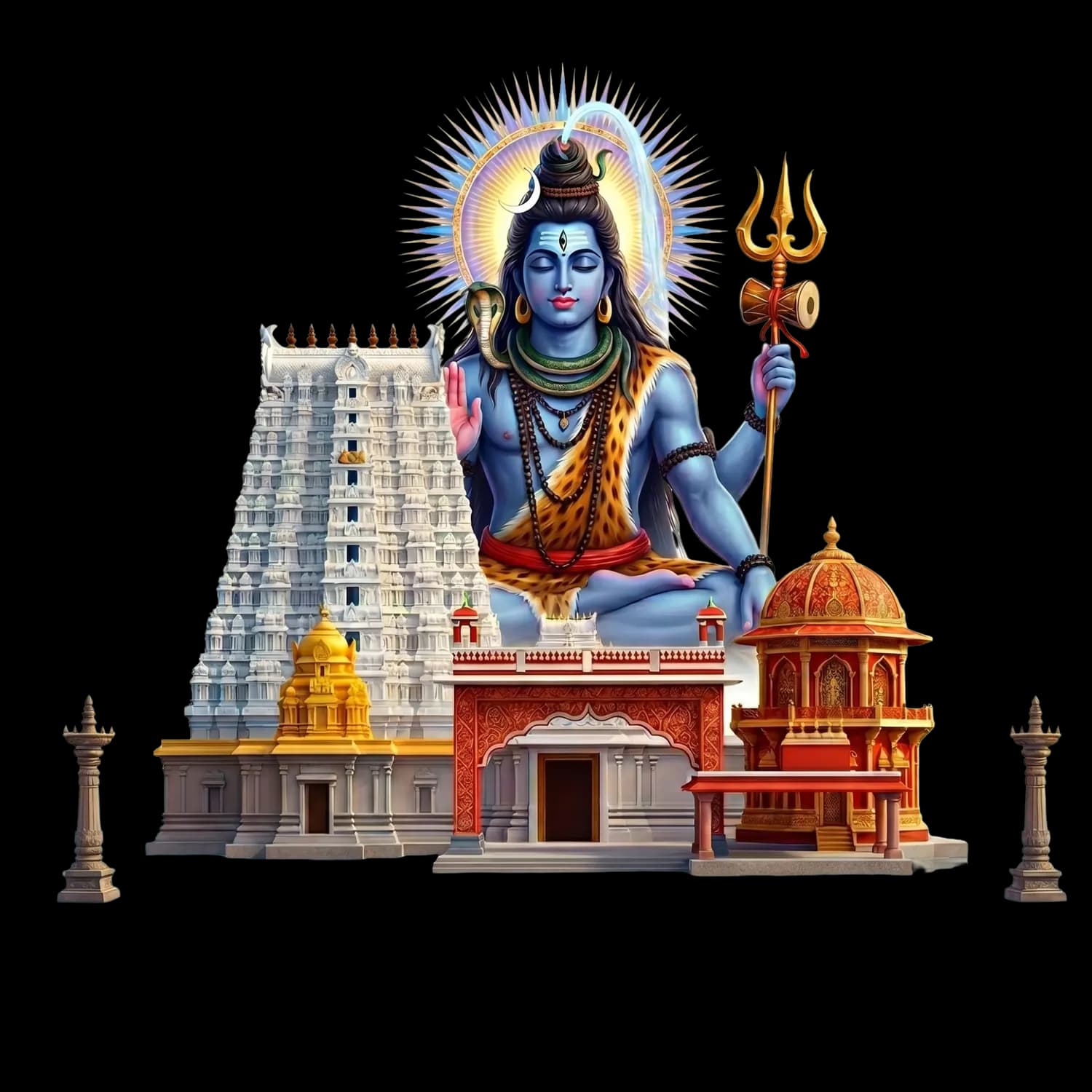
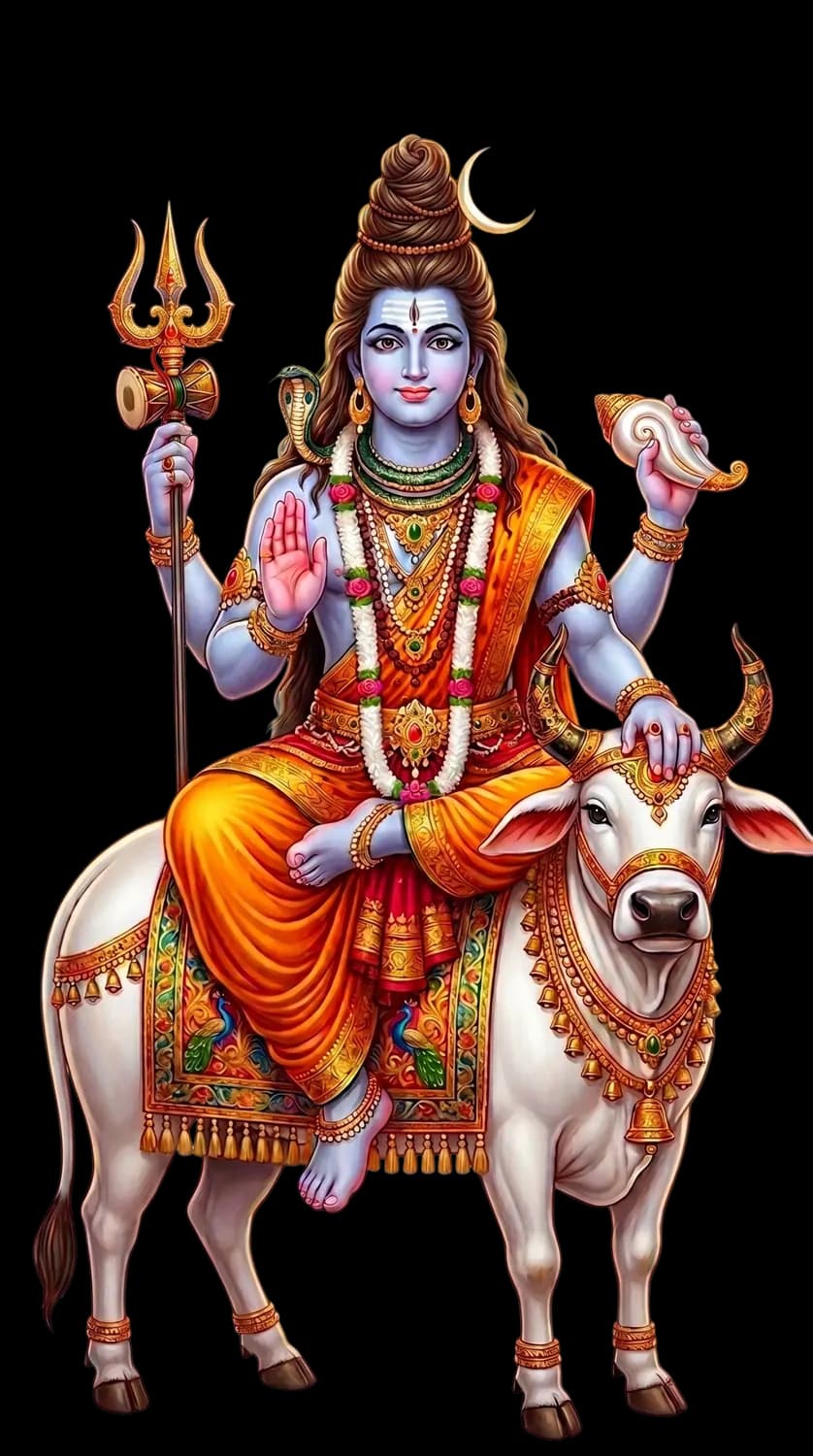
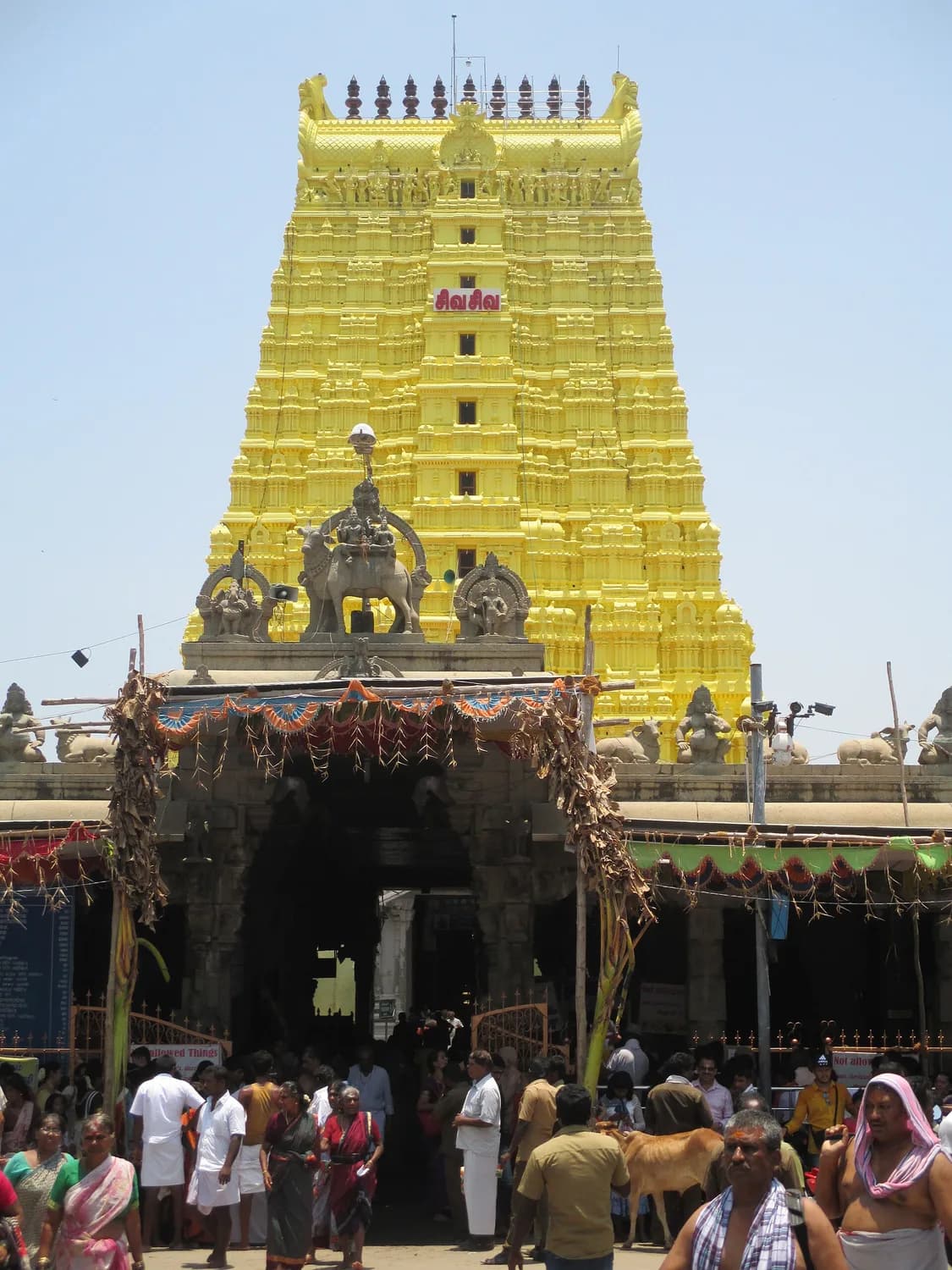
About Shri Ramanathaswamy JyotirlingaShri Ramanathaswamy at Rameshwaram is one of the twelve Jyotirlingas and the southern seat of the Char Dham, the temple where Ram worshipped Shiva after the war. Inside its long corridors are twenty-two wells, each with its own name and water, and pilgrims bathe at all twenty-two before they stand before the linga. Ram is remembered here not only as a king but as a son who kept every debt of the heart: he gave even the vulture Jatayu, who died defending Sita, the last rites a son gives a father. On Mahalaya Amavasya, the day every ancestor is honoured together, families bring the names they know and the ones they have lost, and give them water at Ram’s own tirtha before the pitru leave for their world.
 How the ritual is performed
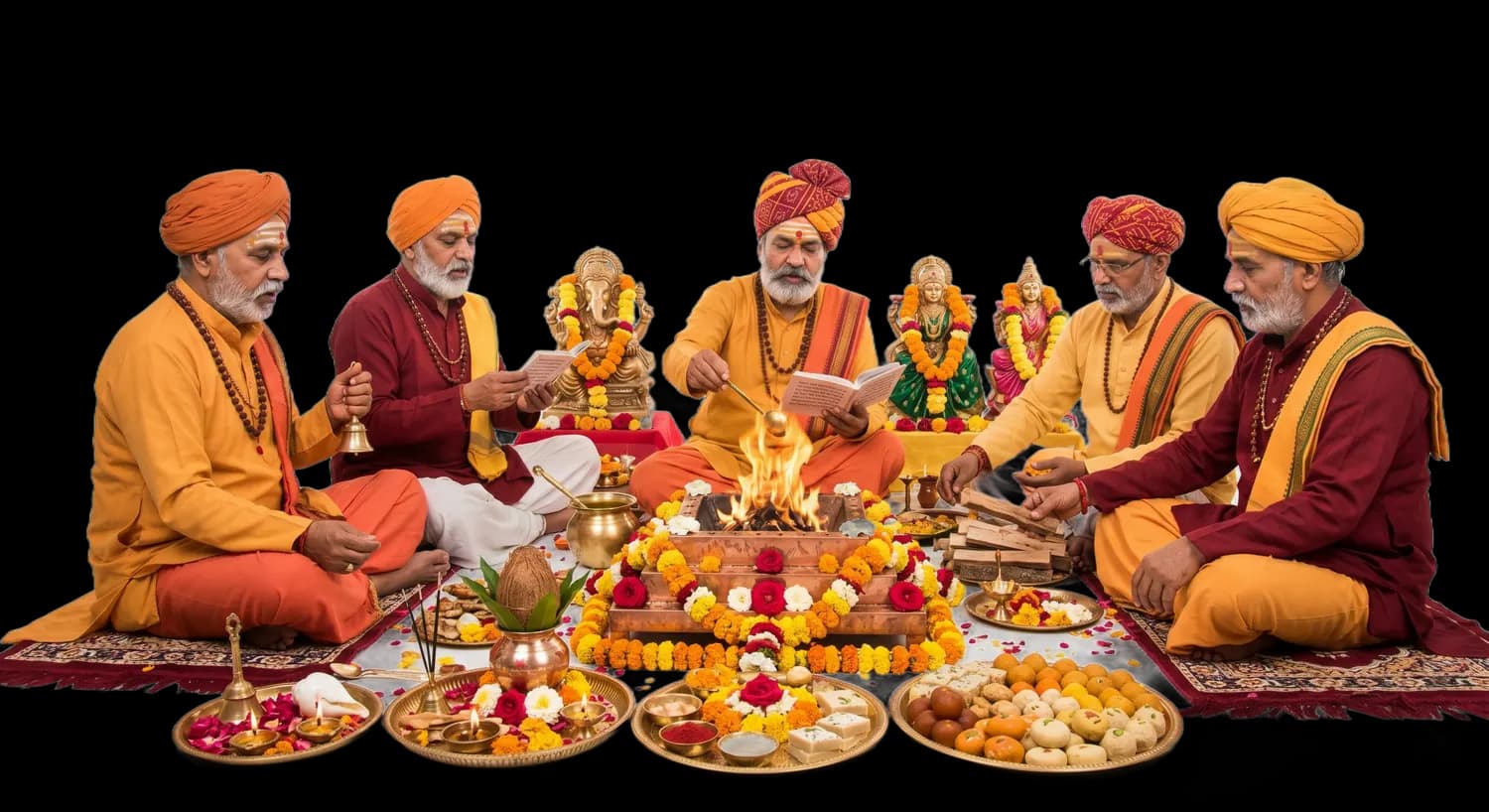
On Mahalaya Amavasya the tarpan and the Sarva Pitru Moksha Yagya are carried at Rameshwaram in your naam-gotra, for every ancestor of your line.

 Why Divyachadhava
Families want every name they know spoken aloud, the unknown ones included in the sankalp, and the rite done on Mahalaya Amavasya itself.


When the old vulture Jatayu died defending Sita, Ram cremated him and gave him water as a son would. Mahalaya Amavasya, once a year, is kept in that spirit, for every ancestor, named or not, even those whose date is lost. At Rameshwaram, Ram’s own tirtha, water and til are offered in your naam-gotra for all of them.