 Book Puja
 Special Puja
 Sanatan SahityaMy Account
Each offering is carried in your name-gotra as part of the same ritual at the temple.
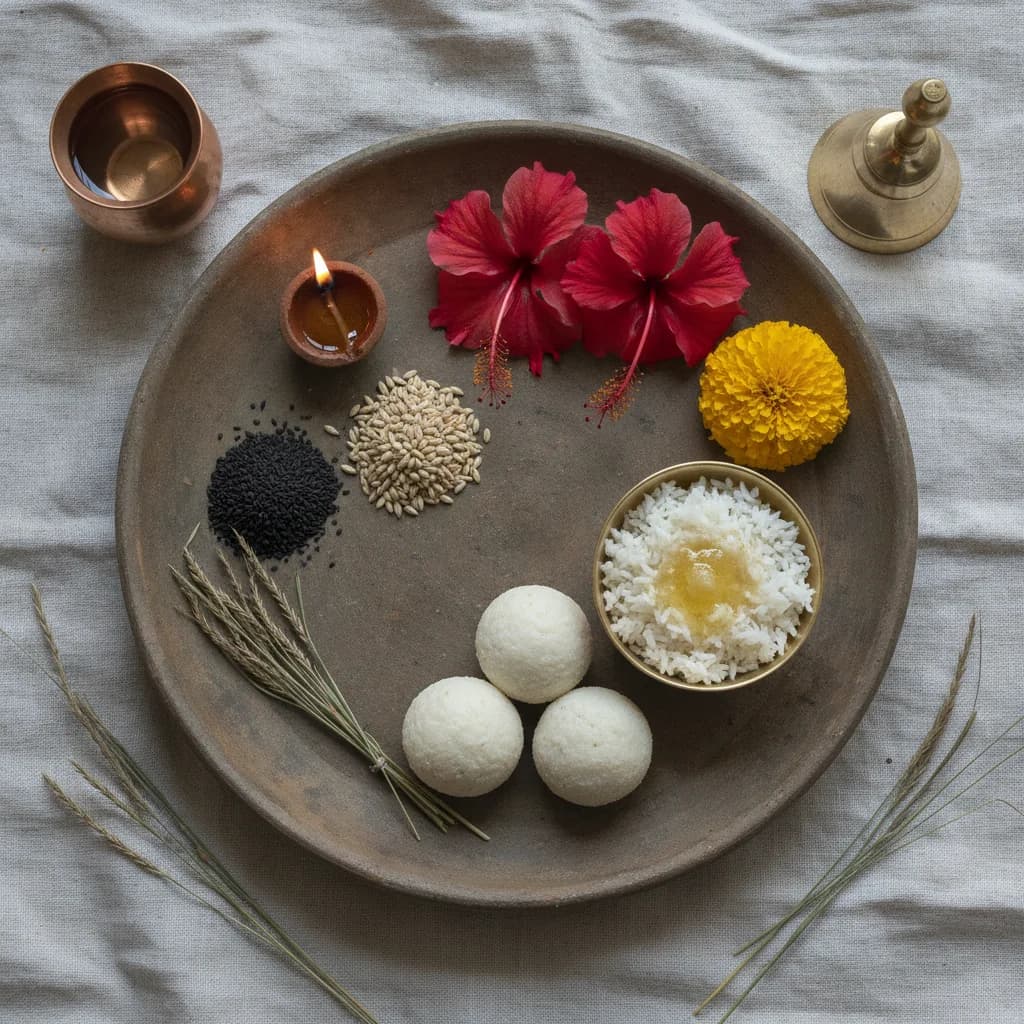
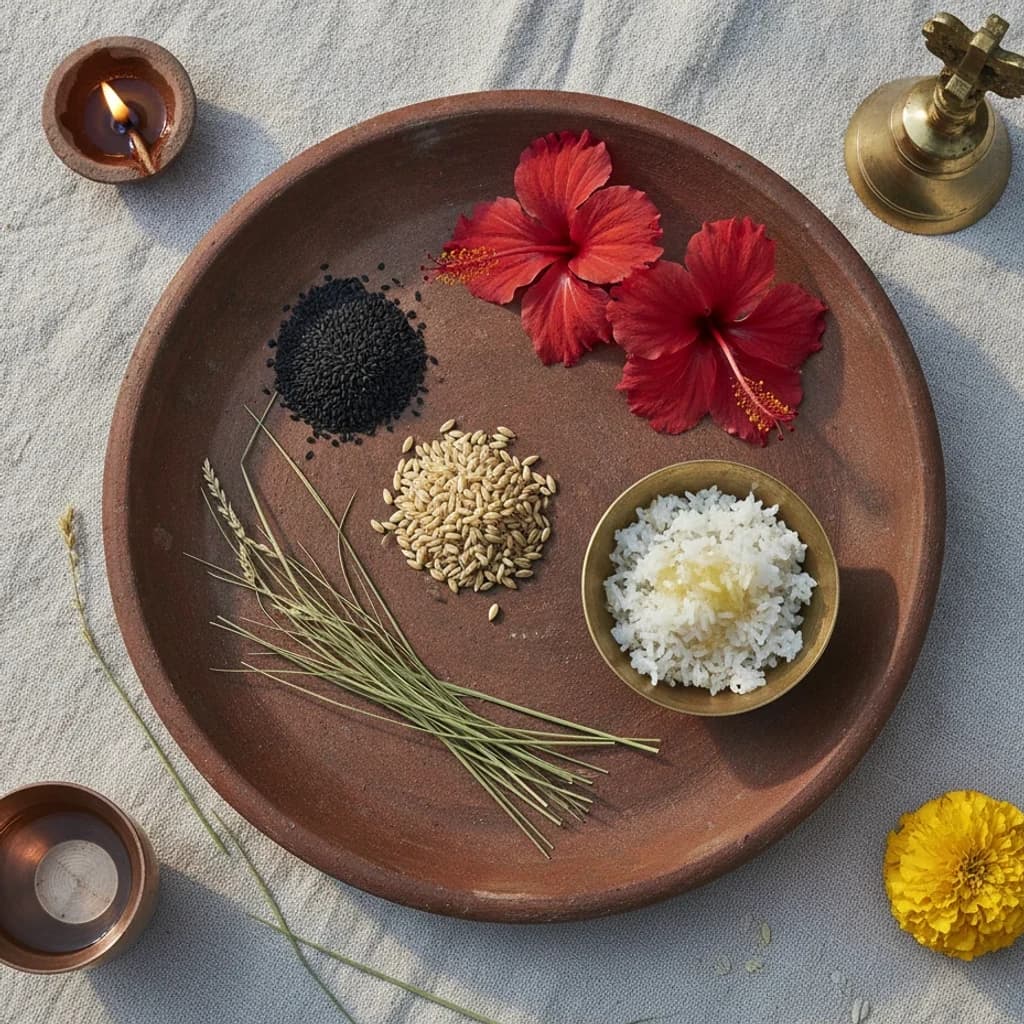
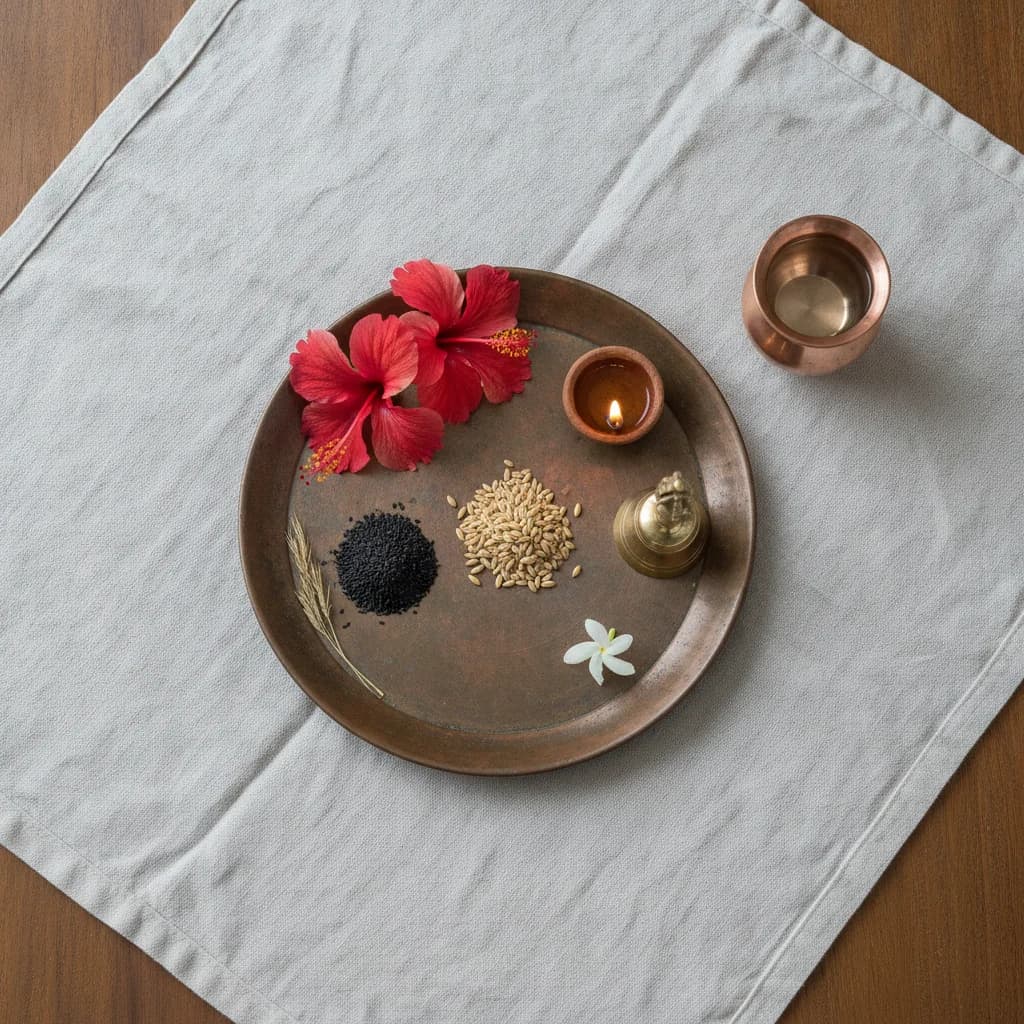
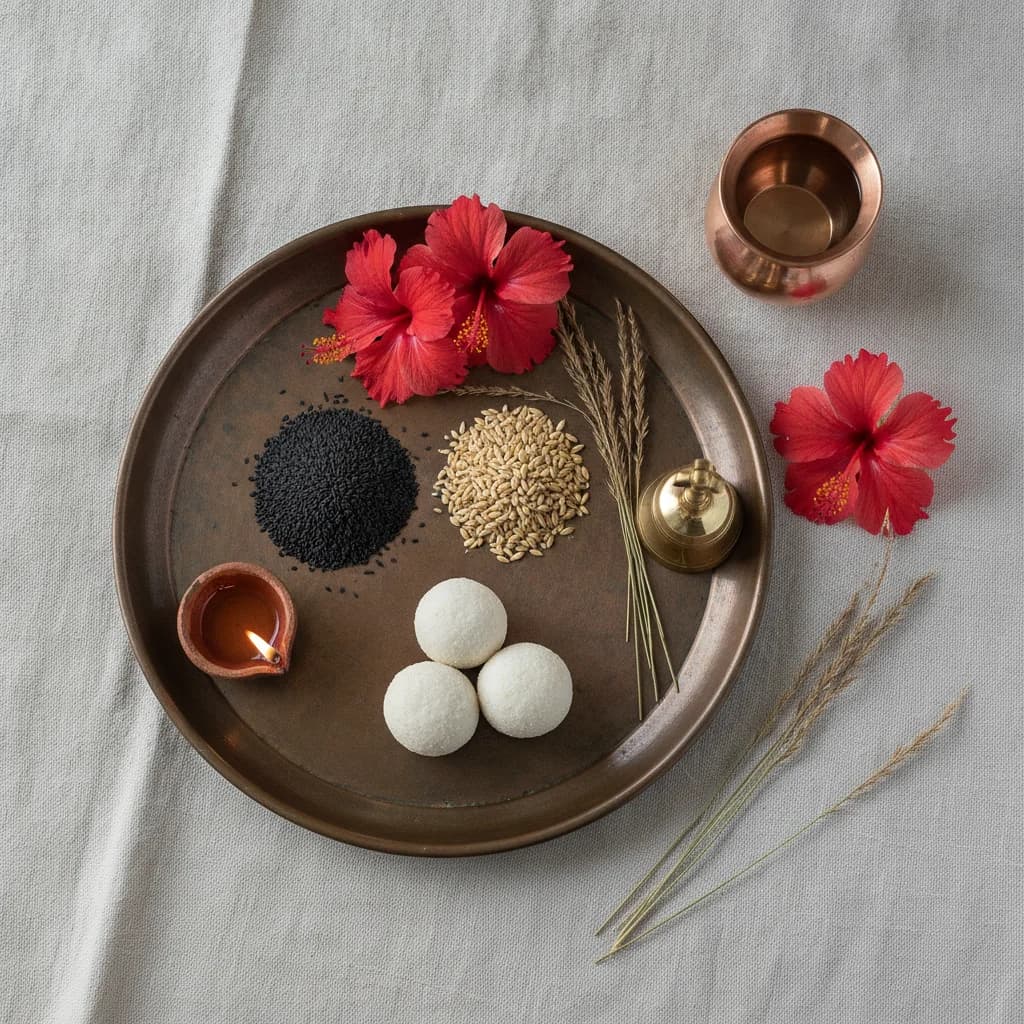
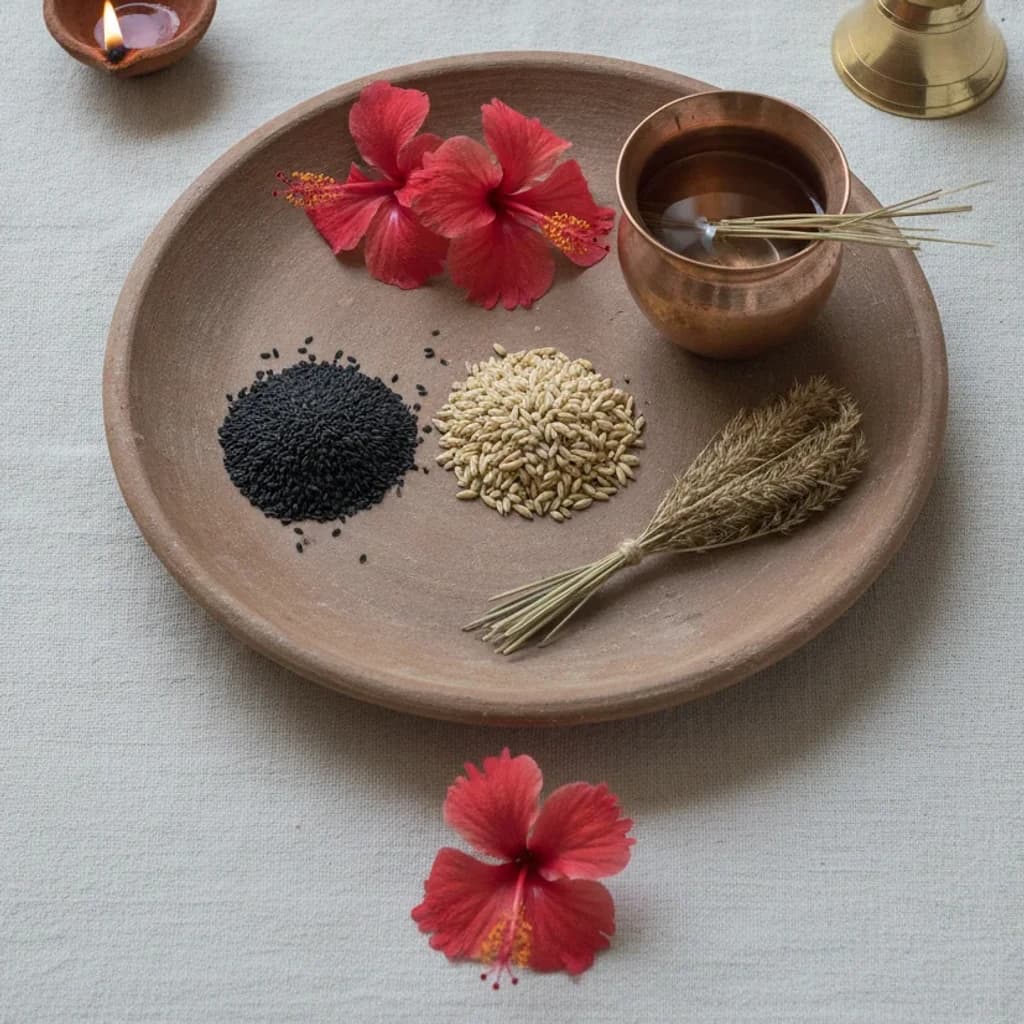
Every name you add is spoken in the tarpan and the yagya sankalp. Choose how many of your family it is taken for.
Many devotees add one of these alongside the puja, for gratitude, ancestral remembrance, or a simple act of giving.
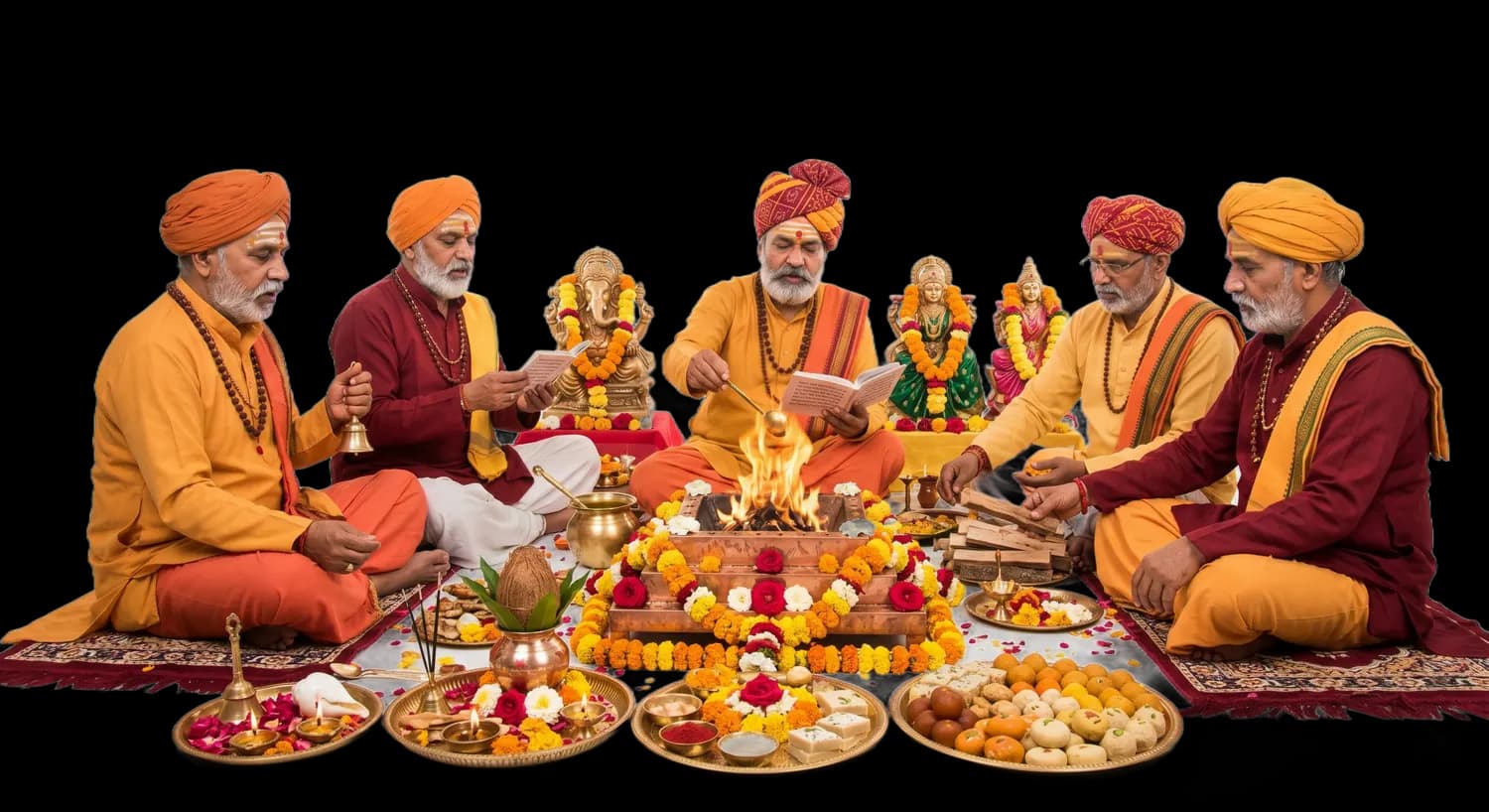
Real moments from the sankalps, abhisheks and hawans our pandits have performed at the temples, taken from the puja videos.
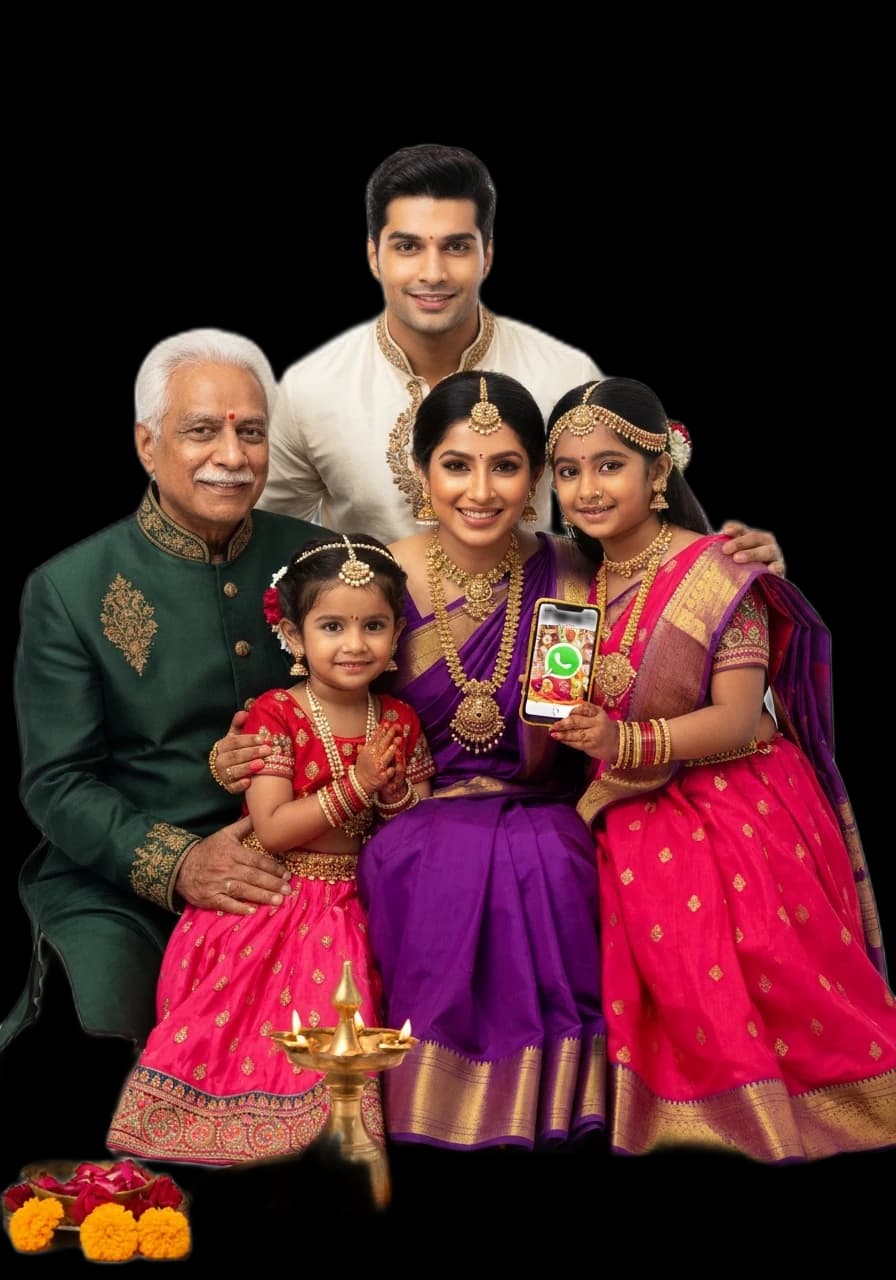
Watch real puja & chadhava deliveries, sent to devotees on WhatsApp after completion.
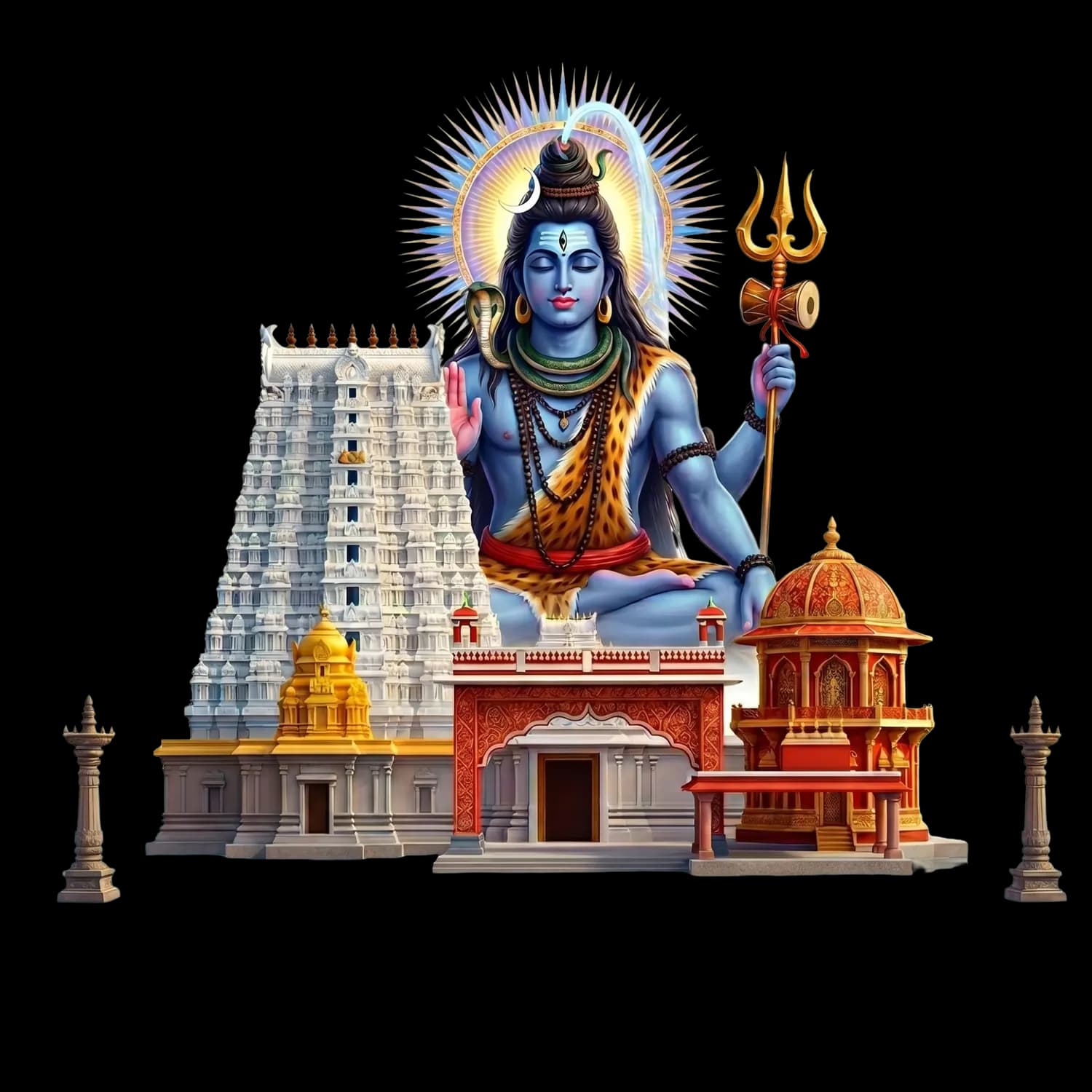
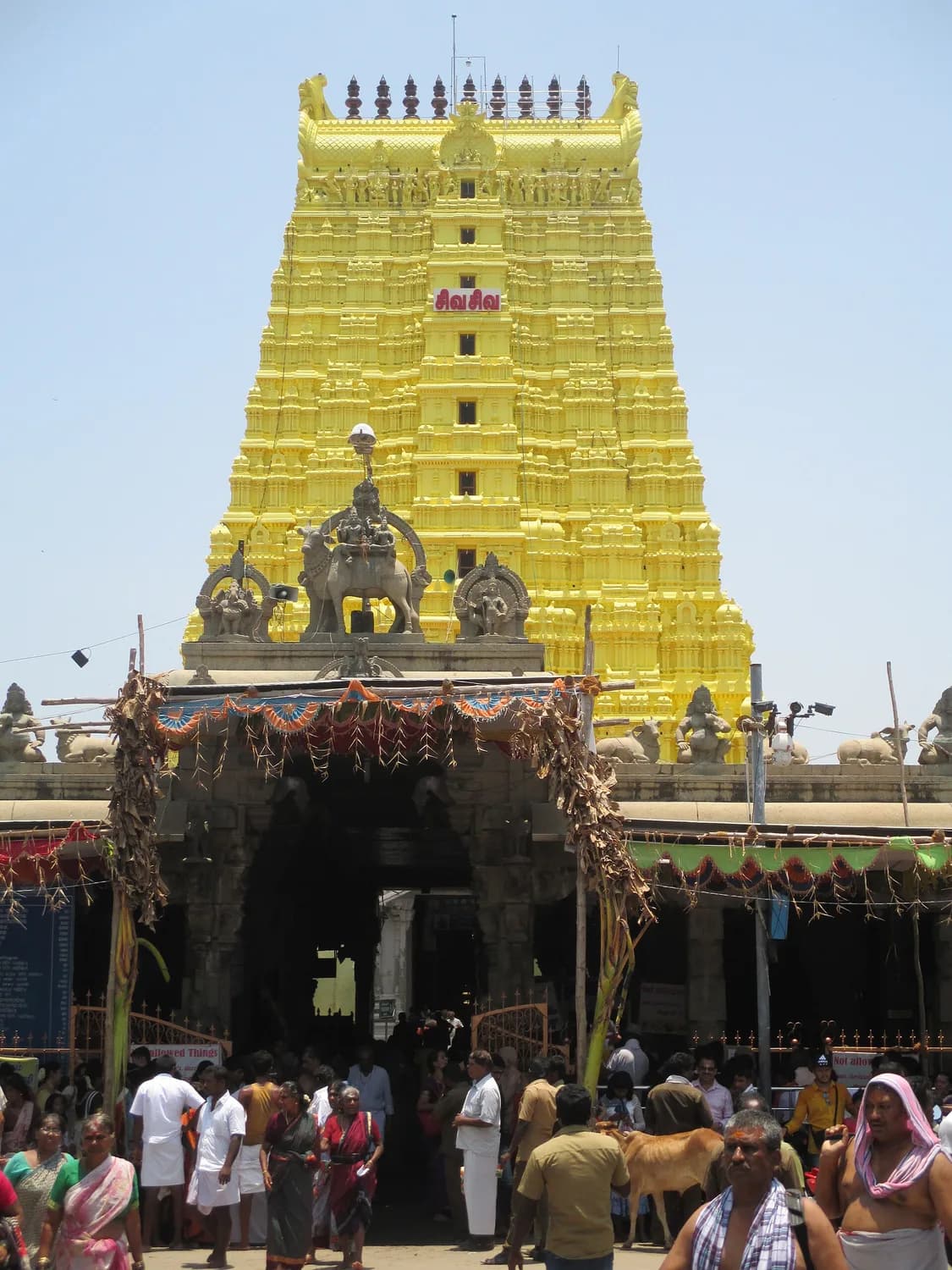
About Shri Ramanathaswamy JyotirlingaShri Ramanathaswamy stands on the island where Ram’s setu to Lanka began. At Dhanushkodi, its tip, the Bay of Bengal meets the Indian Ocean, and here, the story goes, Ram broke the bridge with the end of his bow. Returning from the war, he sent Hanuman to Kailash for a linga; Hanuman was late, so Sita shaped one from sand, and Ram worshipped it to be freed of the karma of killing. That sand linga is the Ramanathaswamy worshipped today, and the Vishwalinga Hanuman brought still receives the first worship of the morning, as Ram promised him. Pilgrims say a Kashi yatra is not complete until they bathe at Dhanushkodi and pour Ganga jal on Ramanathaswamy. It is the tirtha where a family comes to lay down what it owes its pitru.
 How the ritual is performed
On Shradh Purnima the tarpan and the Pitru Shanti Yagya are carried at Rameshwaram in your naam-gotra, for your pitru on the father’s side and the mother’s side.

 Why Divyachadhava
Families want to hear their own pitru named aloud, see the water poured, and know the tarpan was done on Shradh Purnima itself.

When Karna reached swarga, the food he touched turned to gold. He had given gold all his life but never food or water to his ancestors, and was allowed back to earth to offer it. That fortnight opens on Shradh Purnima, once a year. At Rameshwaram, where Ram sought release from the karma of war, water and til go to your pitru in your naam-gotra.