 Book Puja
 Special Puja
 Sanatan SahityaMy Account
Each offering is carried in your name-gotra as part of the same ritual at the temple.
Choose the package that fits you.




Many devotees add one of these alongside the puja, for gratitude, ancestral remembrance, or a simple act of giving.
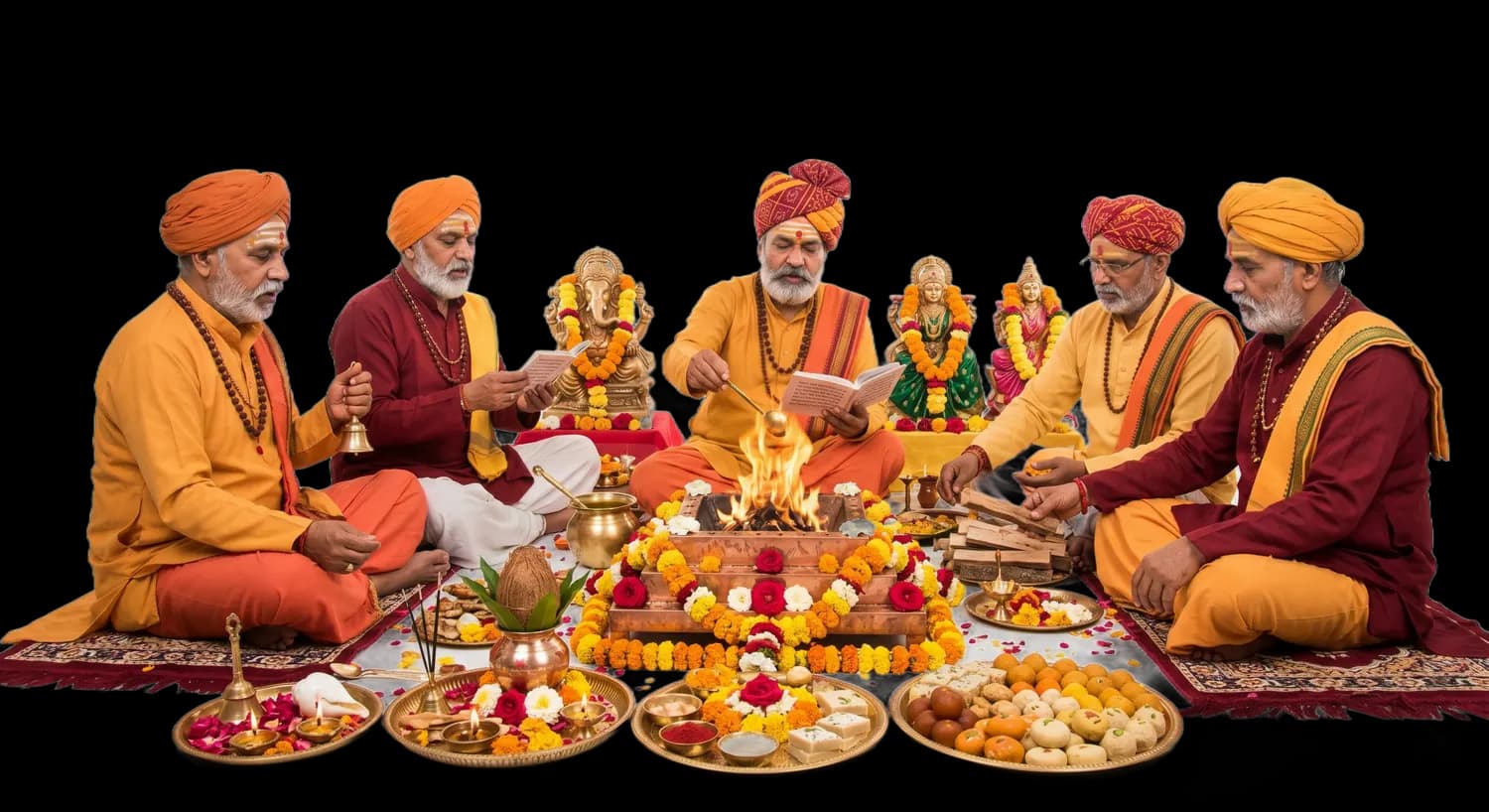
Real moments from the sankalps, abhisheks and hawans our pandits have performed at the temples, taken from the puja videos.
Watch real puja & chadhava deliveries, sent to devotees on WhatsApp after completion.
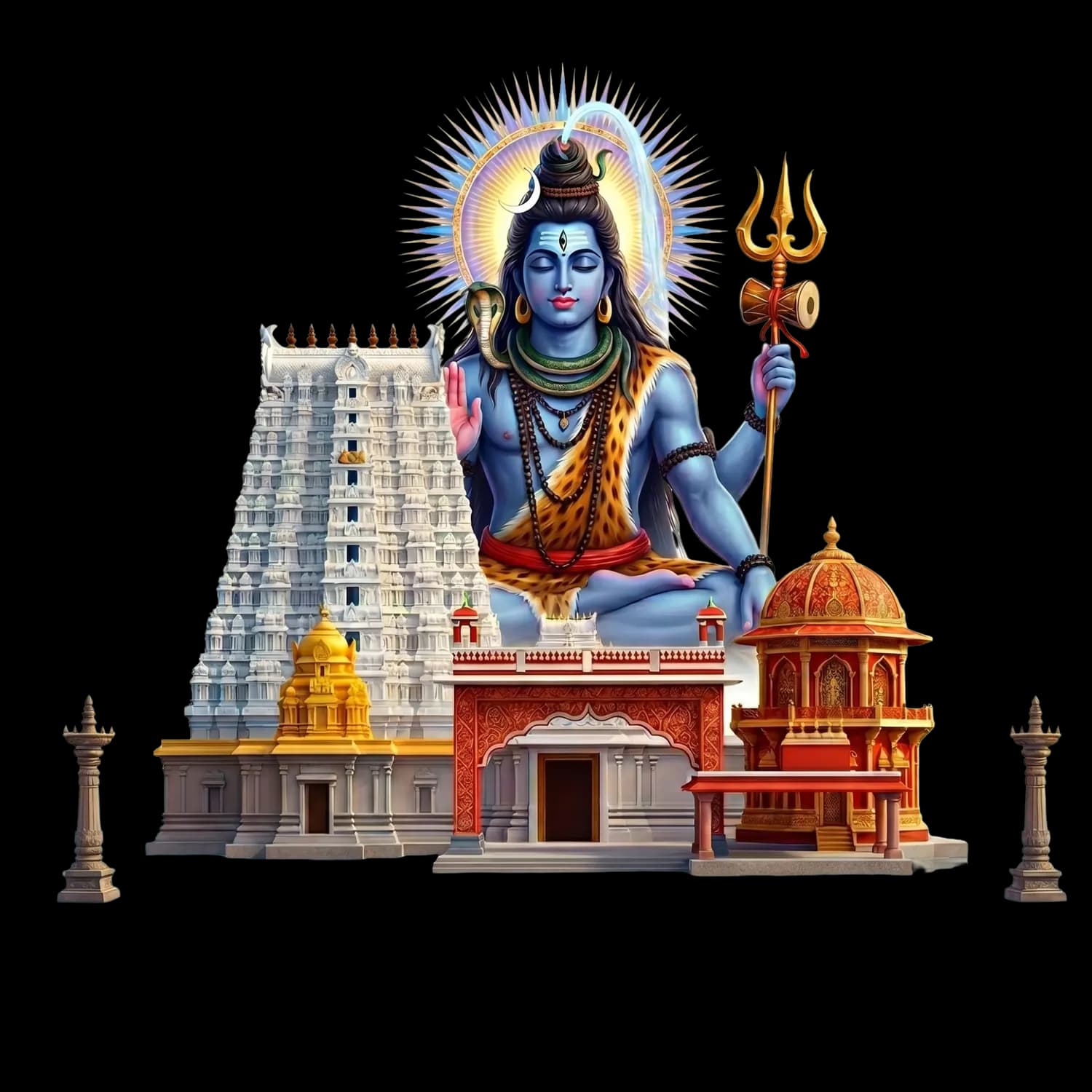
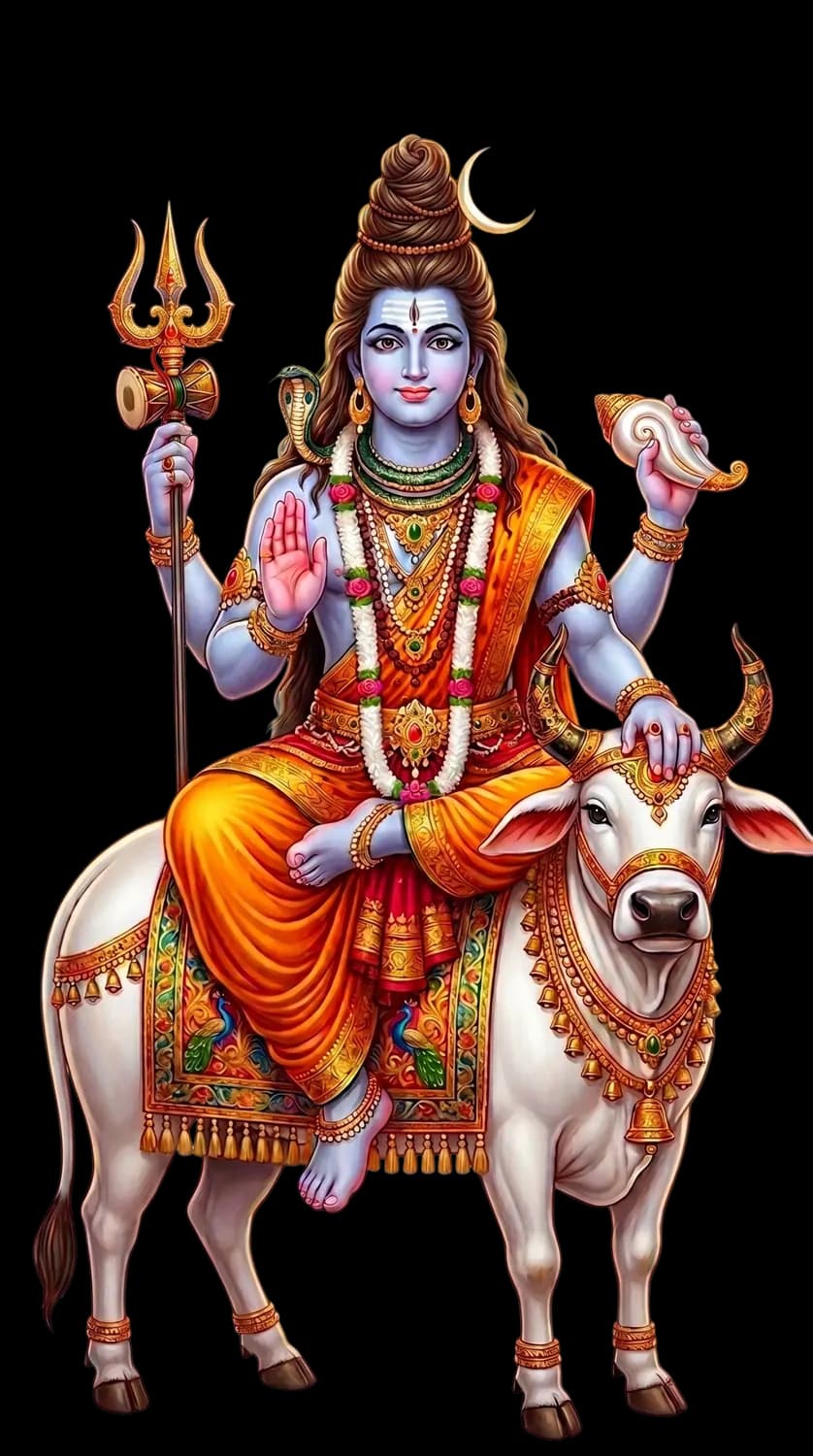
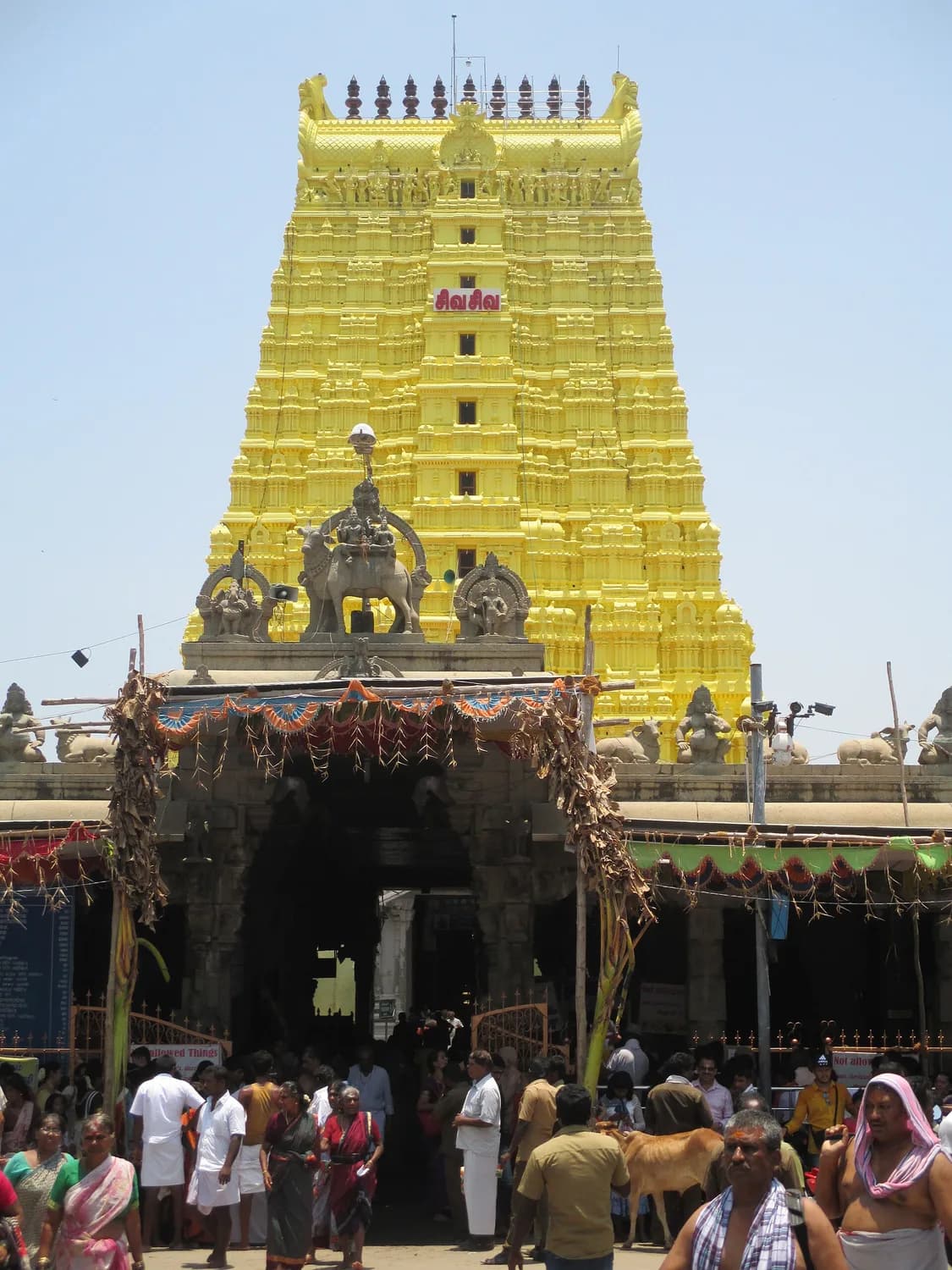
About Shri Ramanathaswamy JyotirlingaRameshwaram, the kshetra of Shri Ramanathaswamy, one of the twelve Jyotirlingas and a great Char Dham, is where Bhagwan Ram is held to have performed tarpan for the departed before crossing the setu to Lanka, and is counted among the foremost tirthas of the land for pitru-shanti. Mauni Amavasya, the silent new-moon of Magh, is the pitru’s tithi and the greatest tarpan day of the year, kept in maun — sacred silence. On this tithi a tarpan is offered in your naam-gotra in that same silence, so the pitru are brought to deep peace, an unfinished goodbye is completed, and a grieving heart settles. A pitru-tarpan is a solemn act of remembrance and love for the departed; it is offered as faith and tradition, and if grief for a loss runs deep or lasting, it is never a substitute for the comfort of loved ones or the care of a qualified professional.


 How the ritual is performed
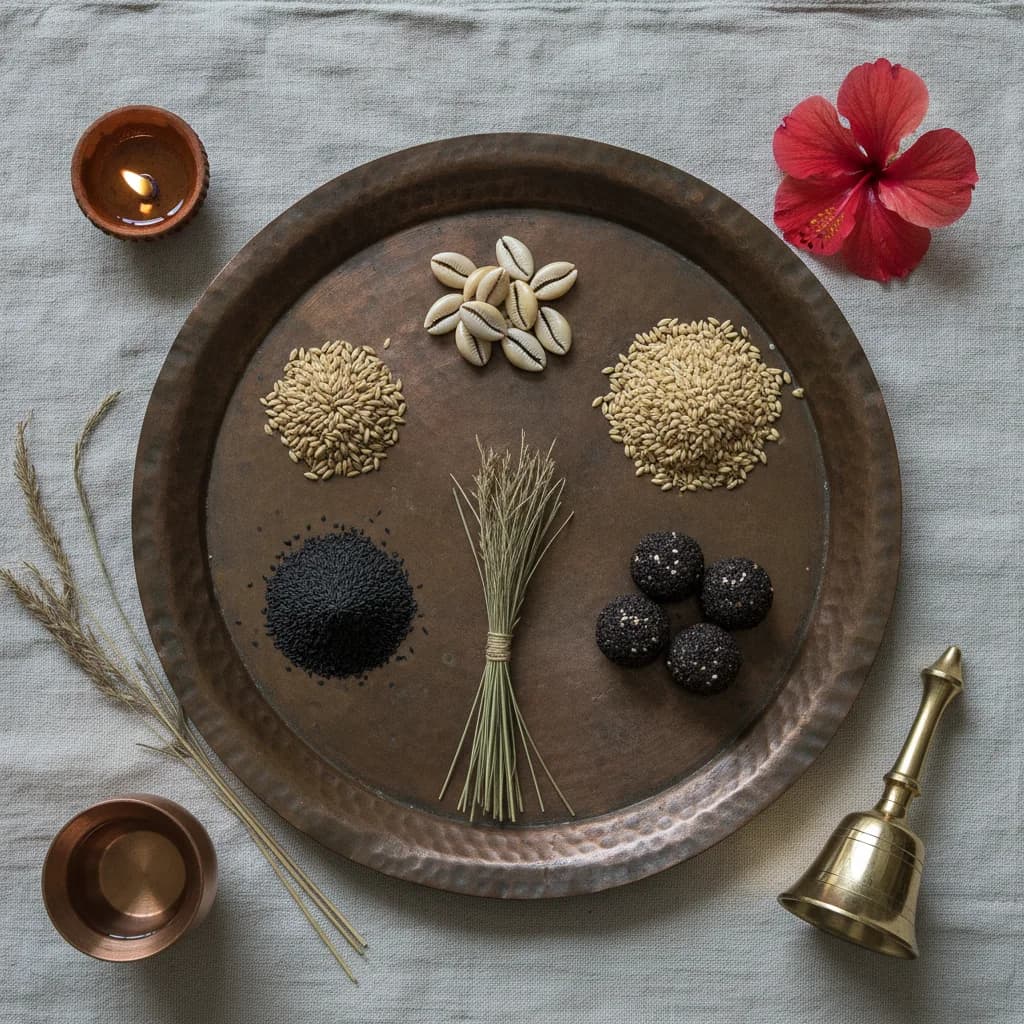
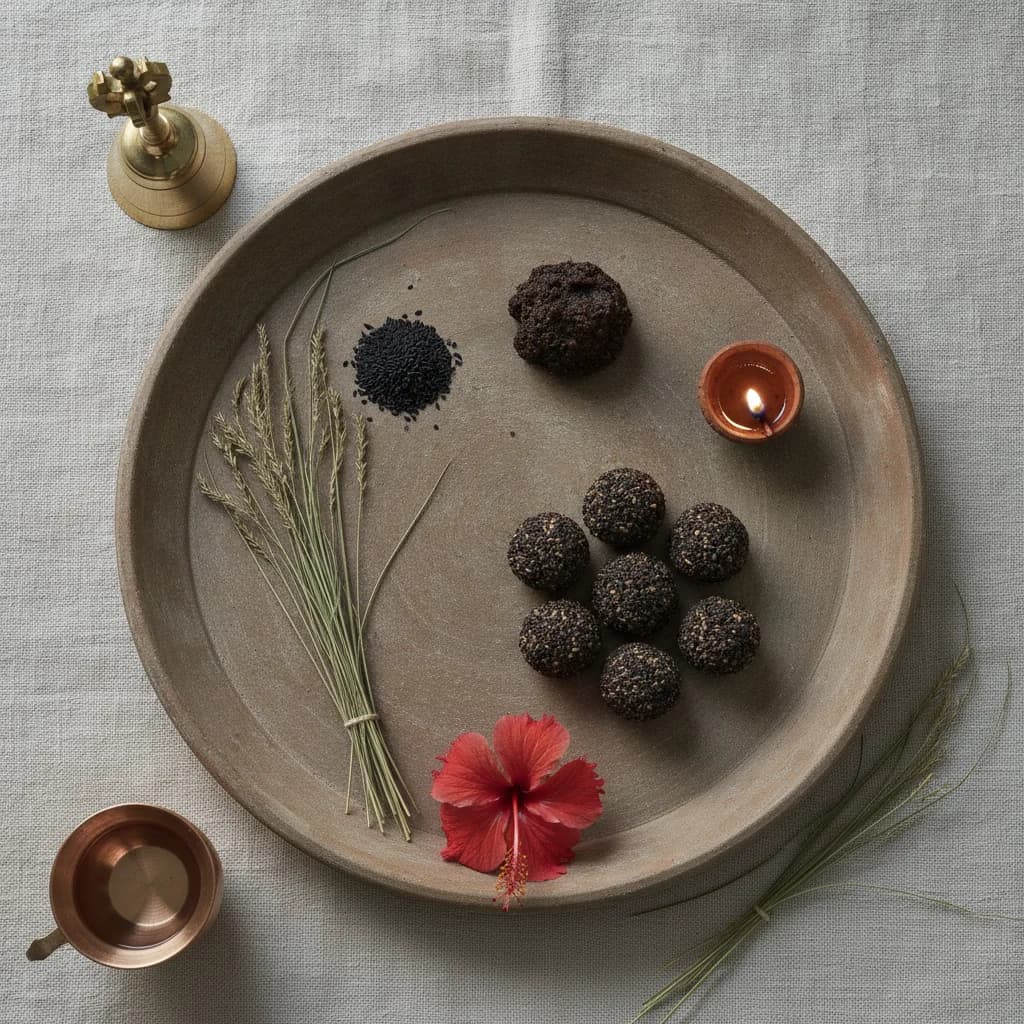
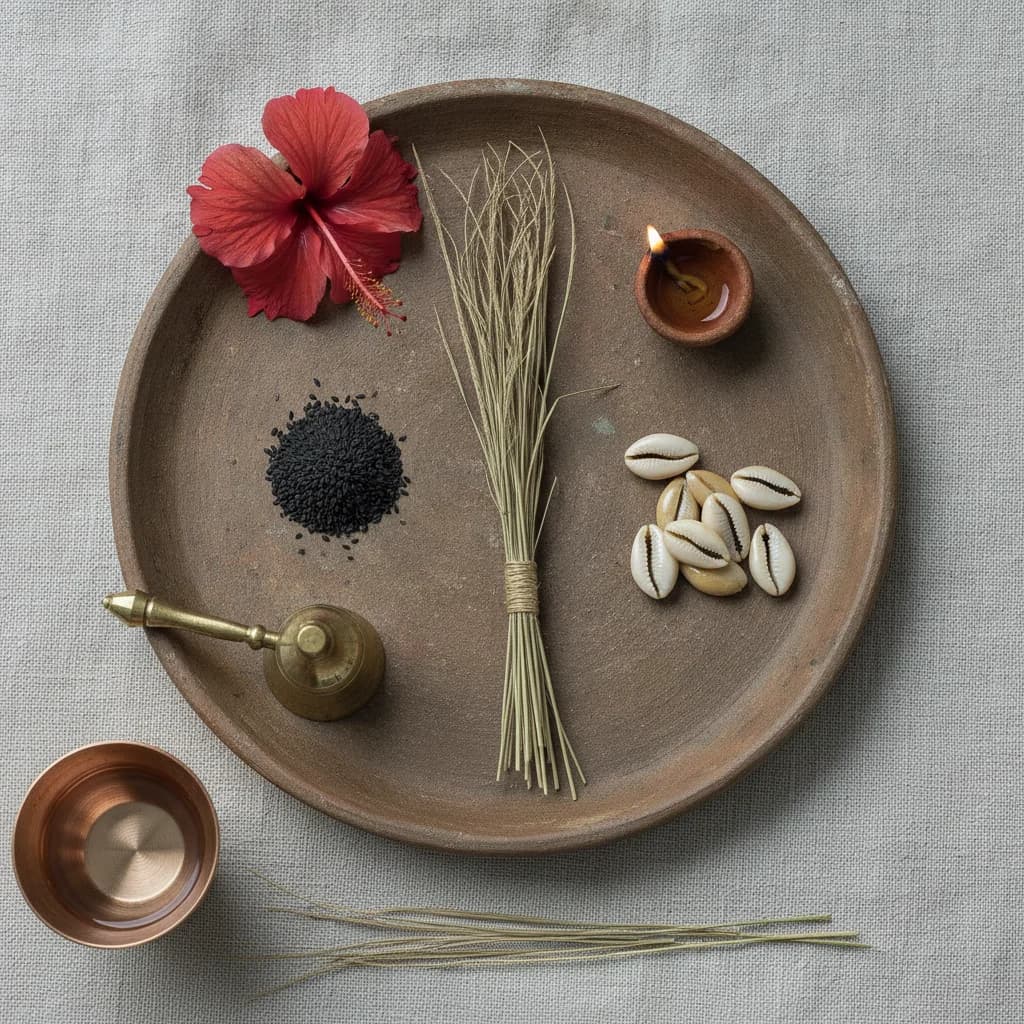
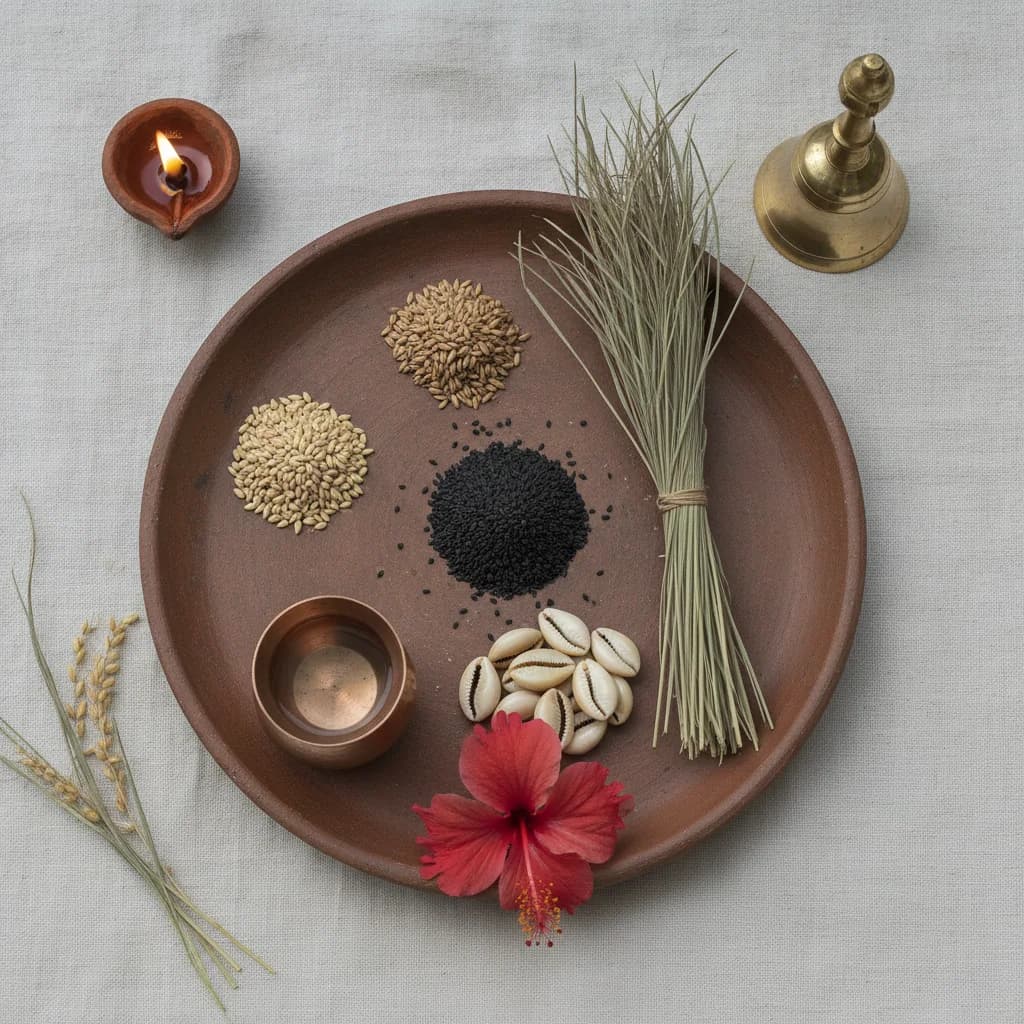
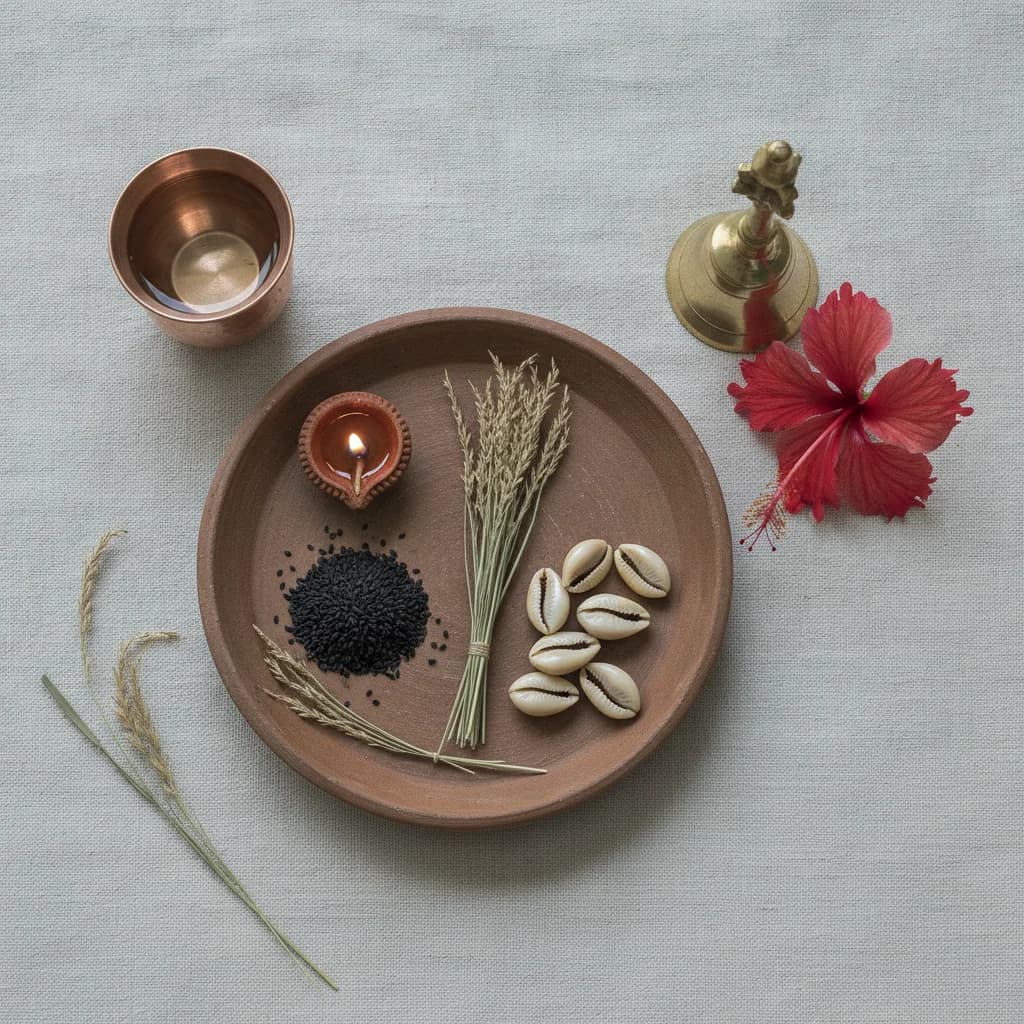
The Mauni Amavasya maun pitru-tarpan is carried at Shri Ramanathaswamy, Rameshwaram, in your naam-gotra, on the silent new-moon, with til, kusha and a deep for the pitru, offered in maun.

 Why Divyachadhava
Devotees want the tarpan carried with care and reverence, a clear ritual, a clear video, and a clear naam-gotra spoken for the pitru at Rameshwaram.


Rameshwaram is the kshetra where Bhagwan Ram performed tarpan for the departed, one of the great tirthas of pitru-shanti. Mauni Amavasya is the silent new-moon, the pitru’s tithi and the greatest tarpan day. On this Mauni Amavasya of 6 February 2027, a maun-tarpan is offered in your naam-gotra for the pitru brought to deep peace and an unfinished goodbye completed in silence.