 Book Puja
 Special Puja
 Sanatan SahityaMy Account
Each offering is carried in your name-gotra as part of the same ritual at the temple.

Choose the package that fits you.




Many devotees add one of these alongside the puja, for gratitude, ancestral remembrance, or a simple act of giving.
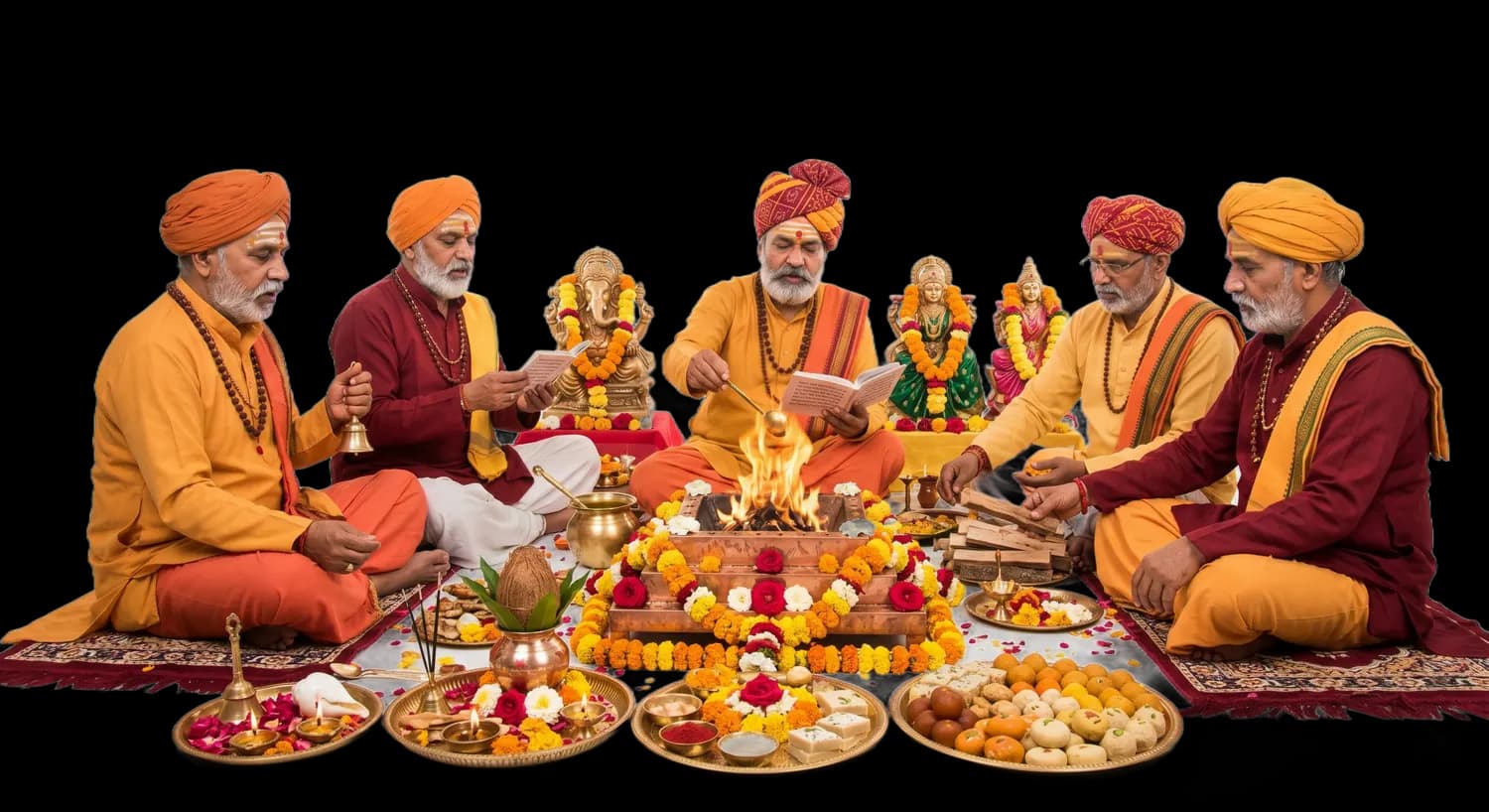
Real moments from the sankalps, abhisheks and hawans our pandits have performed at the temples, taken from the puja videos.
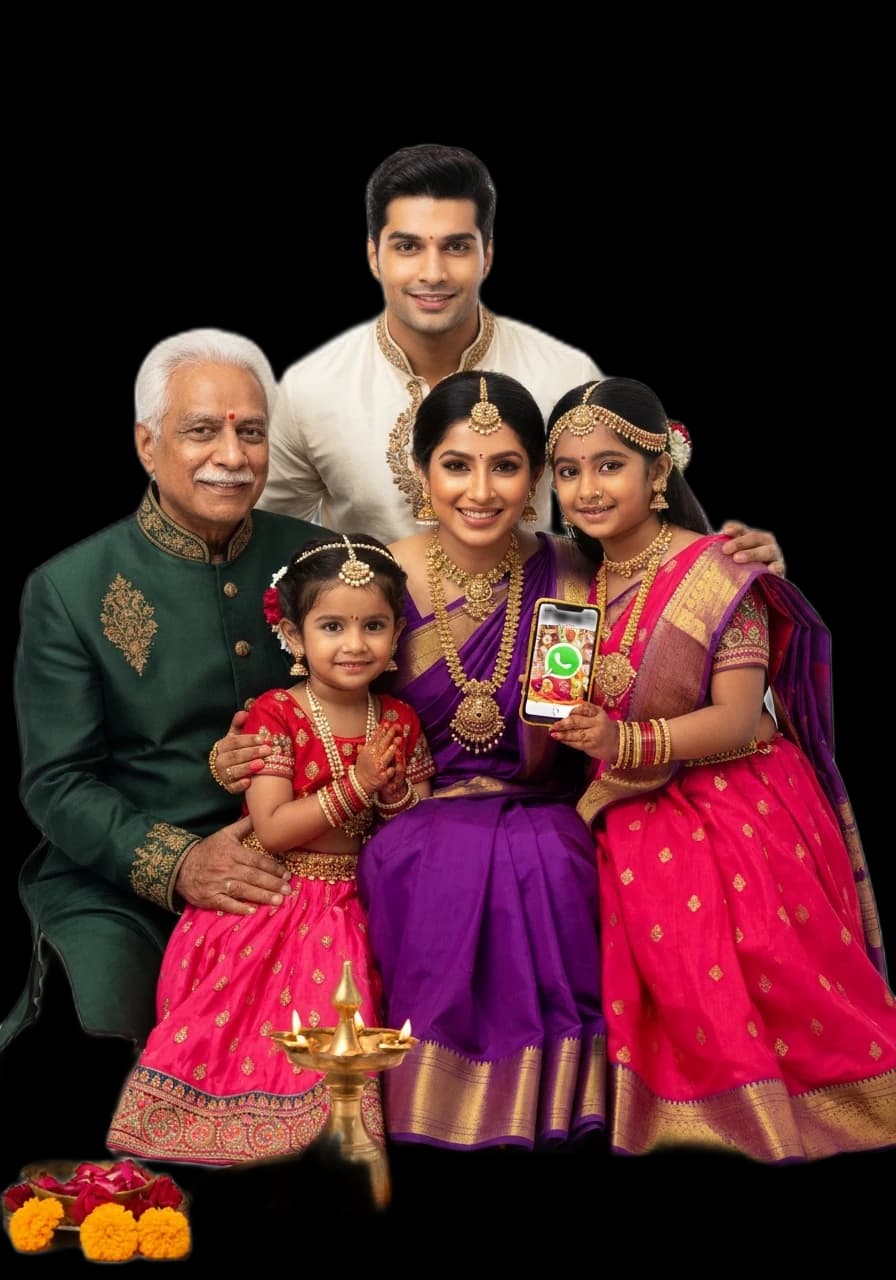
Watch real puja & chadhava deliveries, sent to devotees on WhatsApp after completion.
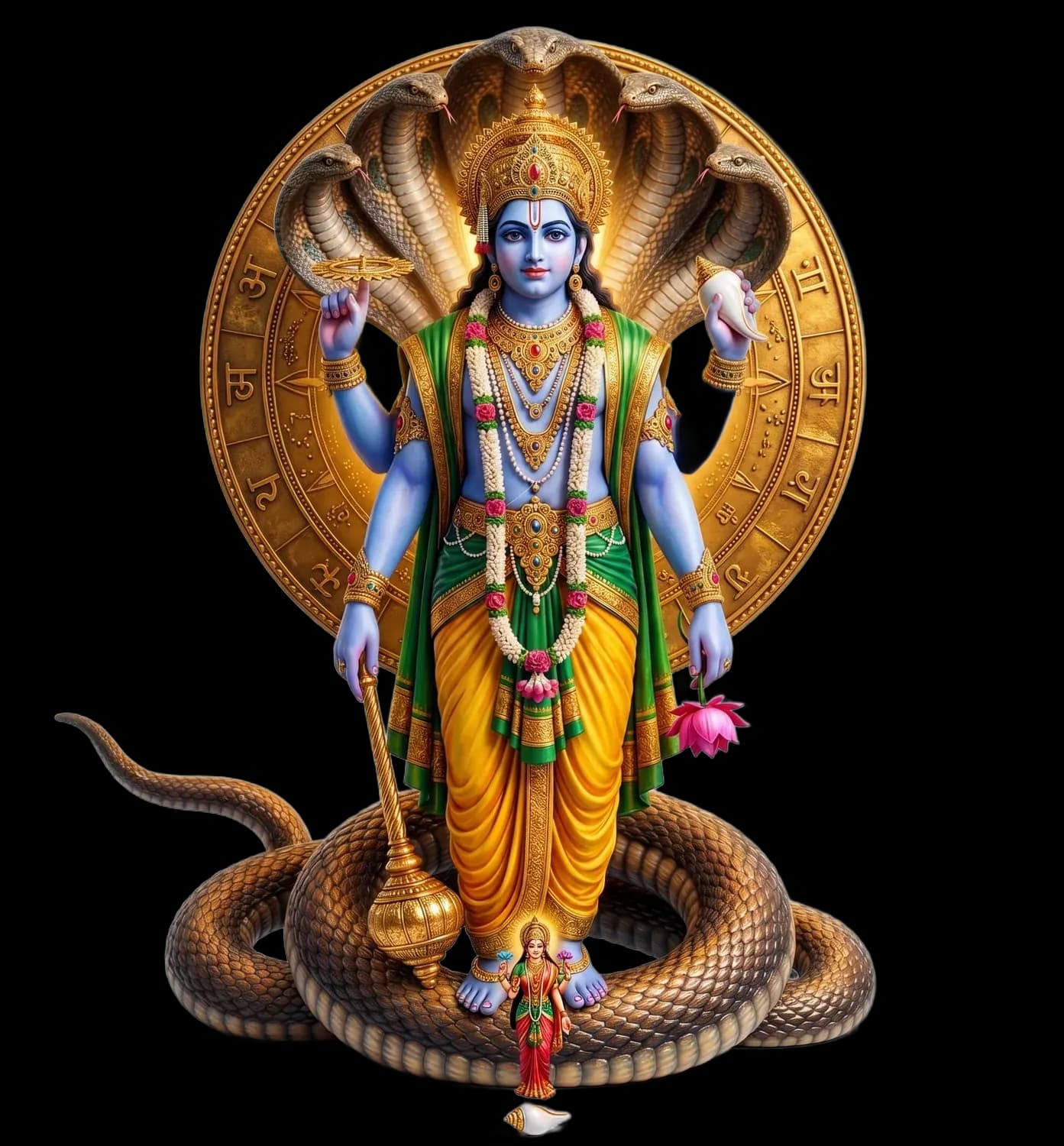
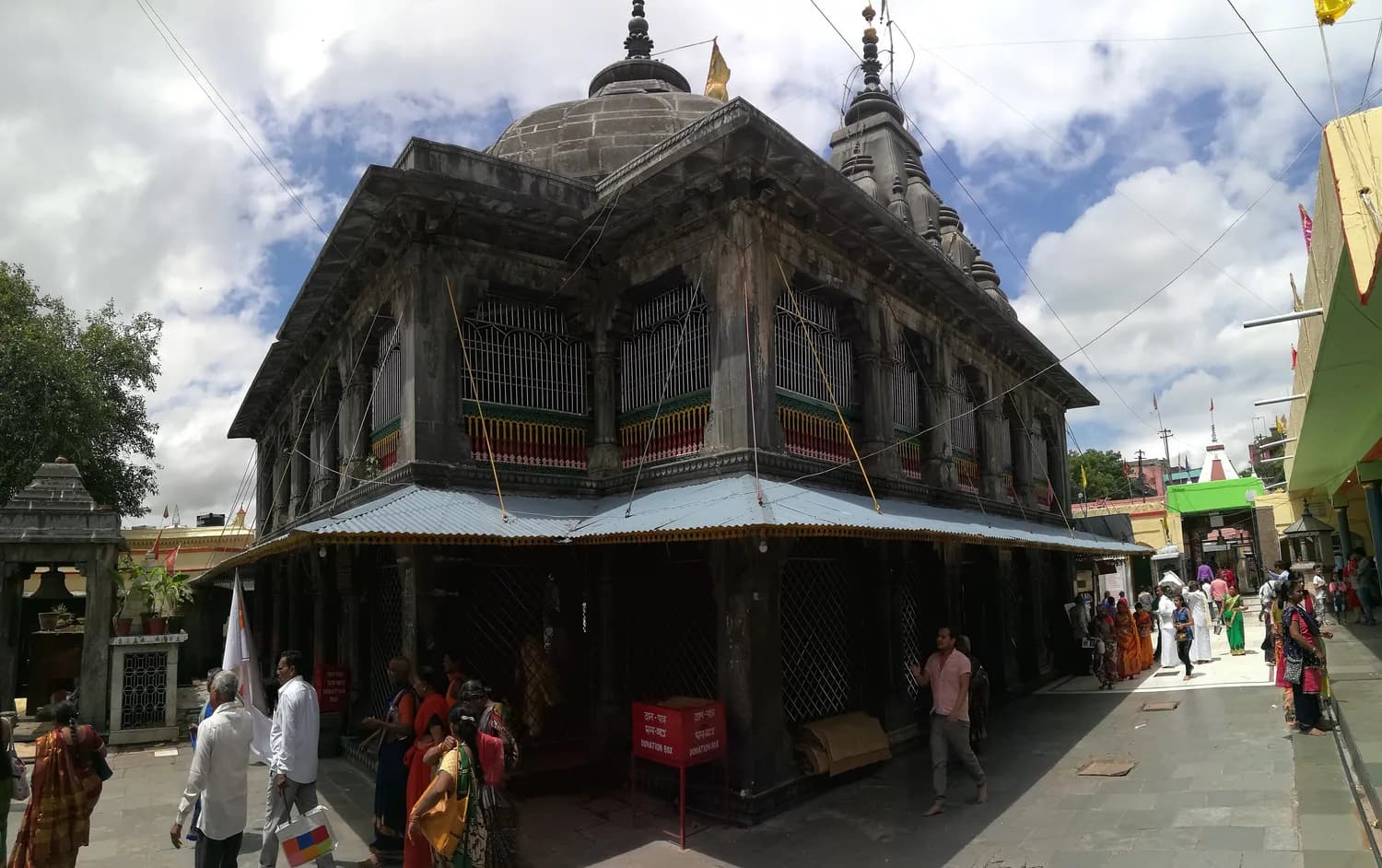
About Shri Vishnupad MandirShri Vishnupad Mandir at Gaya, on the bank of the Falgu, enshrines the charan — the very footprint of Bhagwan Vishnu — pressed into the rock, one of the holiest Vishnu kshetras of Bharat. Amalaki Ekadashi, the Phalguna Shukla Ekadashi, is unlike any other Ekadashi, for it is kept by worshipping the amalaki tree, the amla, in which both Bhagwan Vishnu and Maa Lakshmi are held to dwell; the amla is called dhatri, the nurse of mankind, the fruit of arogya and long life in the Ayurveda. On this day a sankalp is offered in your naam-gotra to Bhagwan Vishnu so that strength returns to a worn body, vitality flows back, health steadies, and arogya and long life are blessed. This is offered as faith and tradition for arogya and to strengthen the resolve to get well; it is never a substitute for medical care, it does not replace any treatment, and if you or a loved one is unwell, please continue your treatment and consult a doctor.


 How the ritual is performed
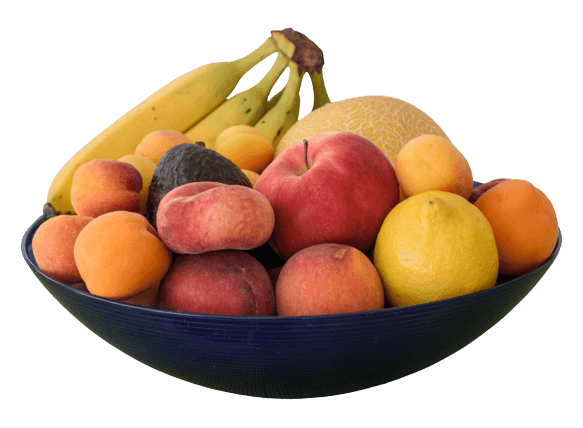
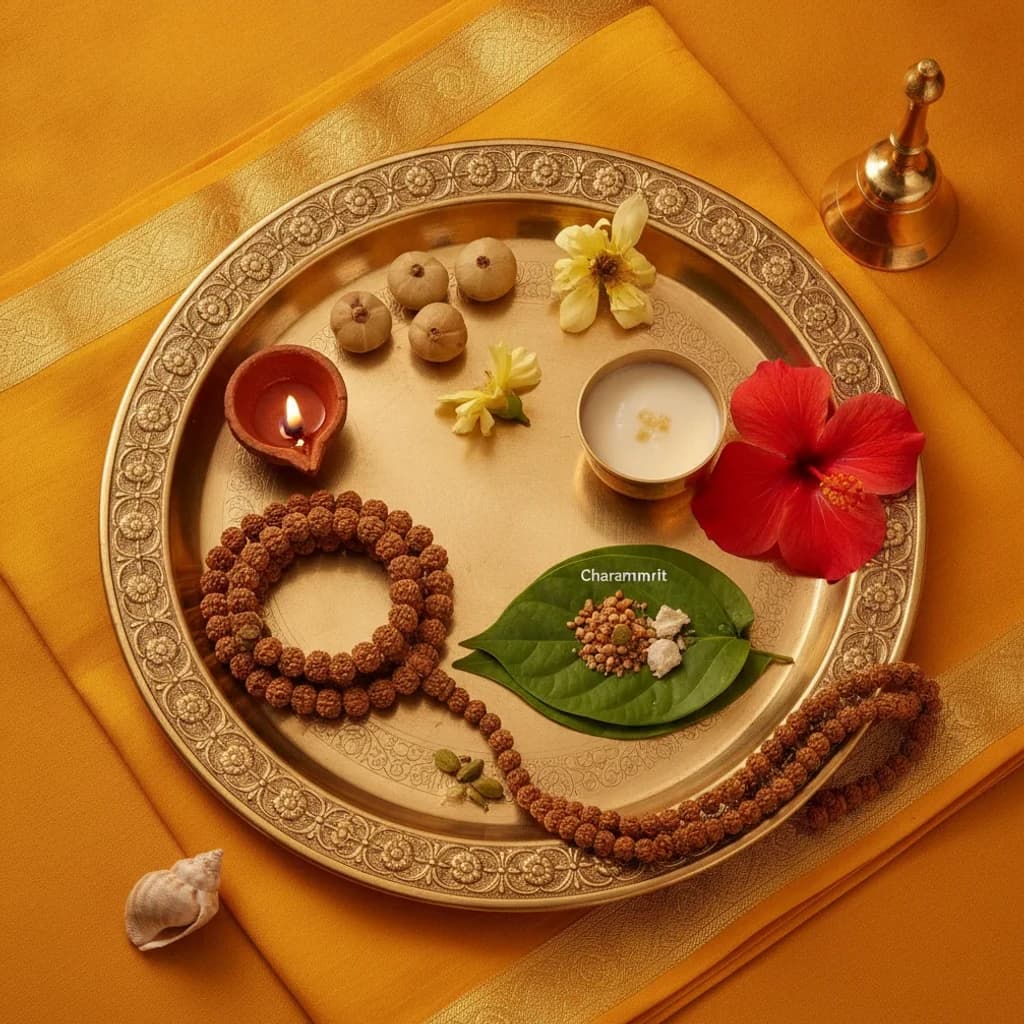
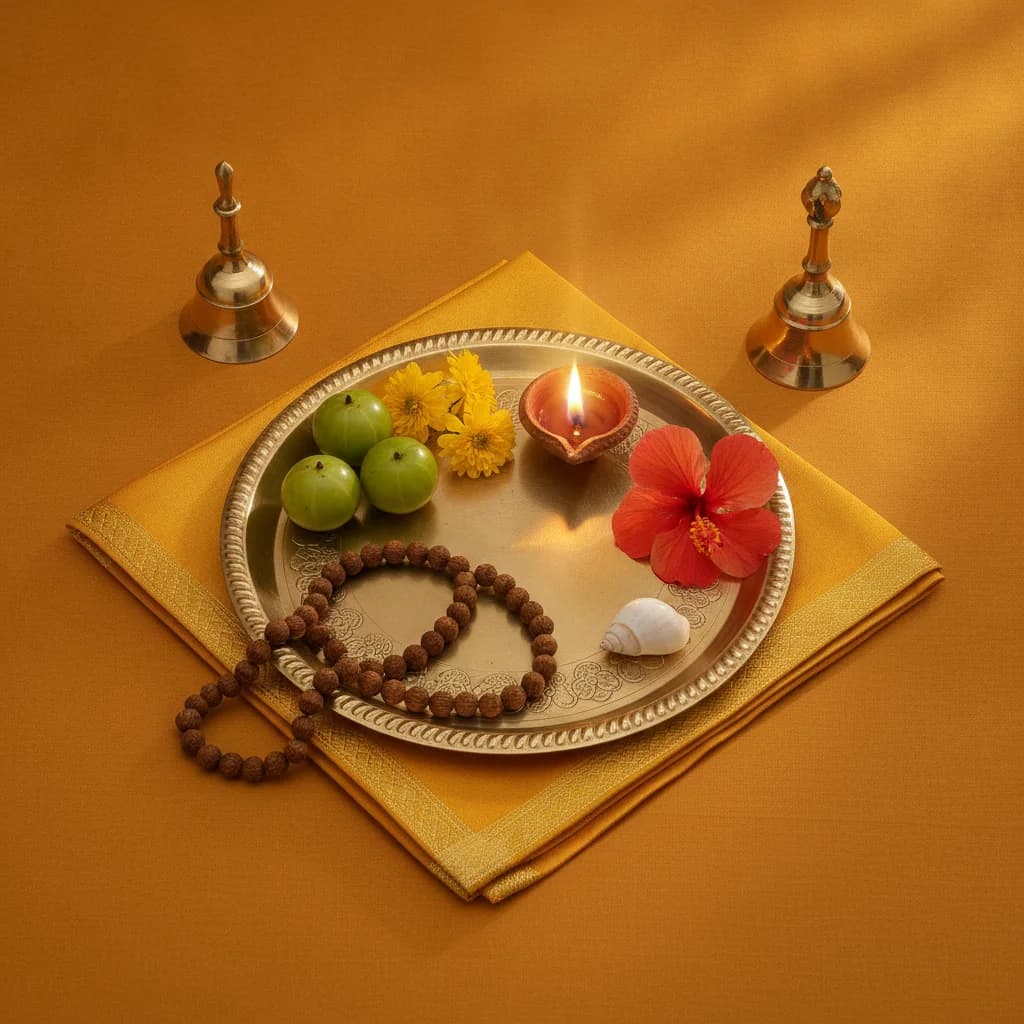
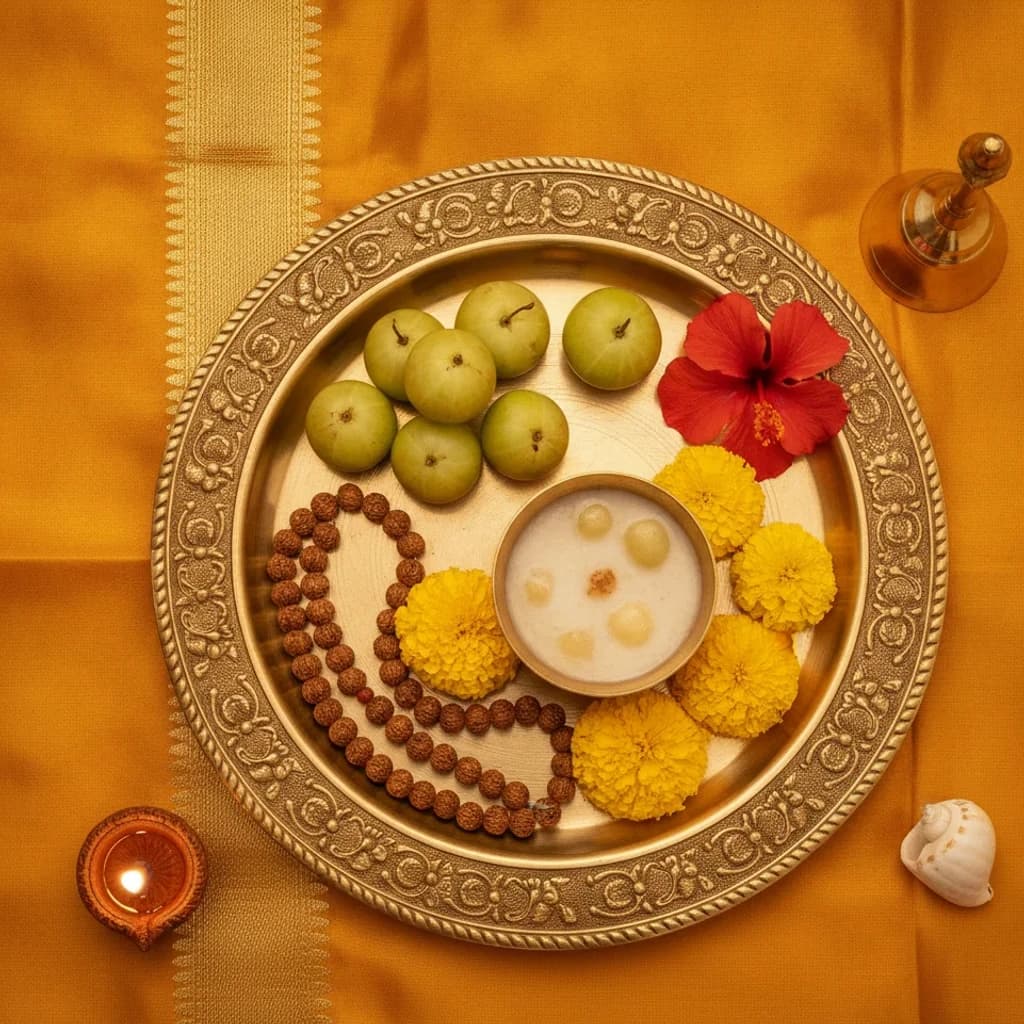
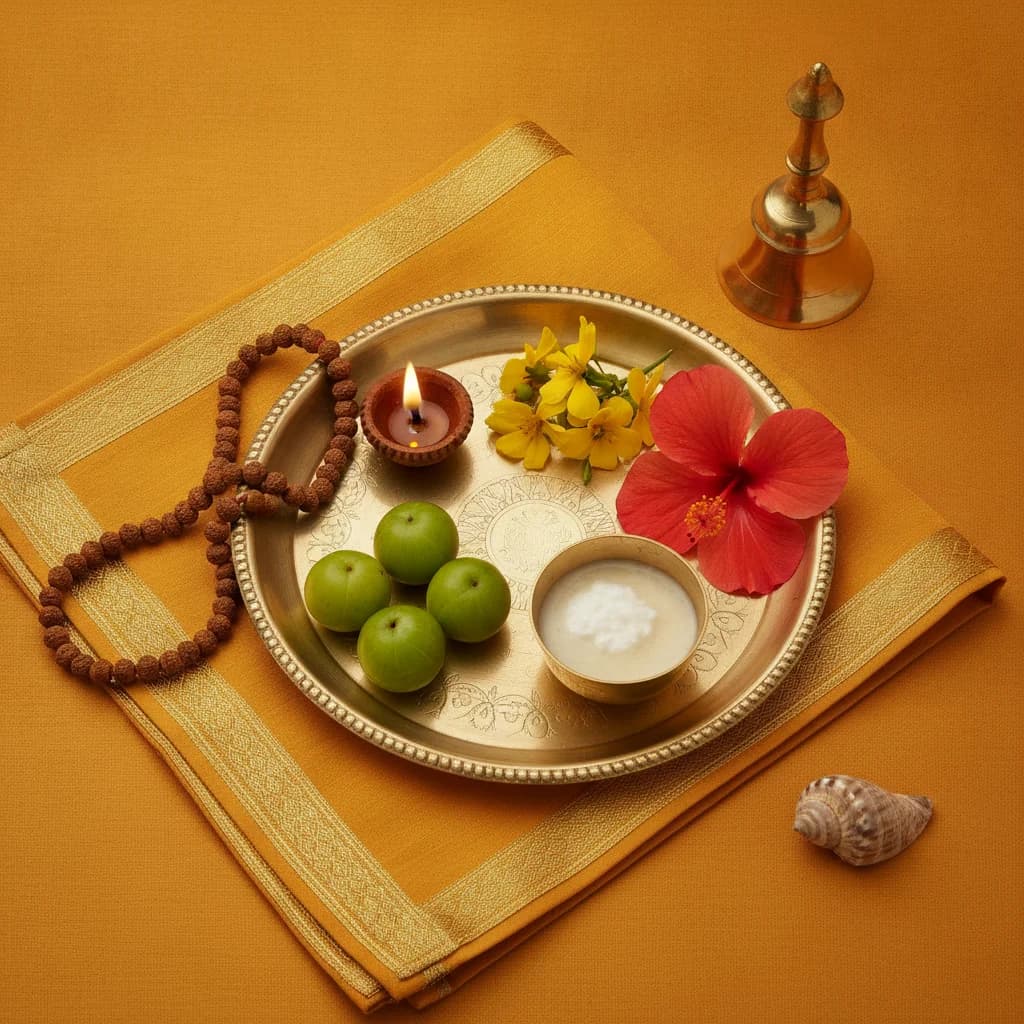
The Amalaki Ekadashi arogya sankalp is carried at Shri Vishnupad Mandir, Gaya, in your naam-gotra, on the Ekadashi tithi, with amla, tulsi mala and pitambar pushp before Bhagwan Vishnu.

 Why Divyachadhava
Devotees want the sankalp carried with care and reverence, a clear ritual, a clear video, and a clear naam-gotra spoken before Bhagwan Vishnu at Gaya.


Shri Vishnupad Mandir at Gaya enshrines the charan of Bhagwan Vishnu on the sacred rock. Amalaki Ekadashi is the one Ekadashi kept by worshipping the amalaki tree, in which Vishnu and Lakshmi are held to dwell. On this Amalaki Ekadashi of 18 March 2027, a sankalp is offered in your naam-gotra to Bhagwan Vishnu for strength returning, vitality flowing back, and arogya.