

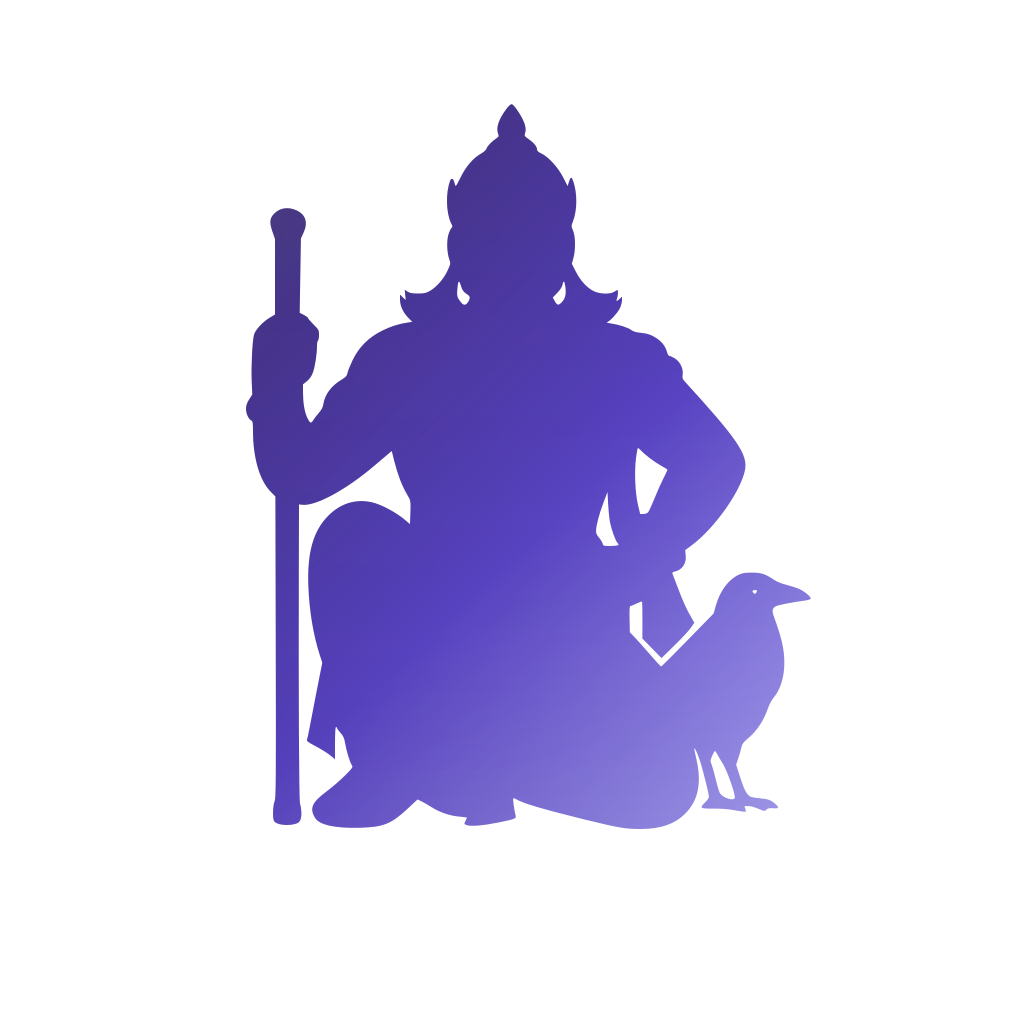
 ॐ भं भैरवाय नमः
Kaal Bhairav is the fierce, protective form of Lord Shiva who guards dharma, removes fear and grants swift justice to sincere devotees.
Among the most powerful and revered forms of Lord Shiva is Kaal Bhairav, the fierce guardian deity who governs time, death and dharma. Worshipped widely across North India, especially in Kashi (Varanasi) and Ujjain, Kaal Bhairav is known as a swift, uncompromising protector who removes fear, punishes wrongdoing and grants justice to those who approach him with a pure heart.
Who Is Kaal Bhairav
Kaal Bhairav is considered an ugra, or fierce, manifestation of Lord Shiva, born to punish arrogance and uphold cosmic order. His name itself carries deep meaning: Kaal refers to time and death, while Bhairav comes from the root bhi, meaning fear, combined with the idea of one who removes or destroys fear. Thus, Kaal Bhairav is understood as the lord who is beyond time and who liberates his devotees from fear itself.
In Kashi, Kaal Bhairav is honoured as the Kotwal, the chief guardian and magistrate of the sacred city. It is believed that no pilgrim's visit to Varanasi is considered spiritually complete without first seeking his permission and blessings, since he holds the keys to the city's protection.
The Puranic Origin of Kaal Bhairav
The most well-known story of Kaal Bhairav's origin is found in the Shiva Purana. Once, an argument arose between Lord Brahma and Lord Vishnu over who among the Trimurti was supreme. When the matter was brought before Lord Shiva, Brahma spoke to him with excessive pride and, in some versions of the story, insulted Shiva with his fifth head, which was originally said to symbolise arrogance and falsehood.
Enraged by this disrespect, a fierce form emerged from Lord Shiva, and with a mere fingernail, this form severed Brahma's fifth head. This form was Kaal Bhairav. However, the act of severing a head, even that of an arrogant Brahma, was considered a grave sin, and the skull became stuck to Kaal Bhairav's hand as Brahmahatya, the sin of killing a Brahmin.
To atone for this sin, Kaal Bhairav wandered the earth as a mendicant, carrying the skull as a begging bowl, until he reached Kashi. There, upon bathing in the sacred waters, his sin was finally absolved, and the skull fell away. This is why Kaal Bhairav is eternally associated with Kashi and is honoured as its protector, since the city itself granted him liberation from sin.
Symbolism of Kaal Bhairav's Form
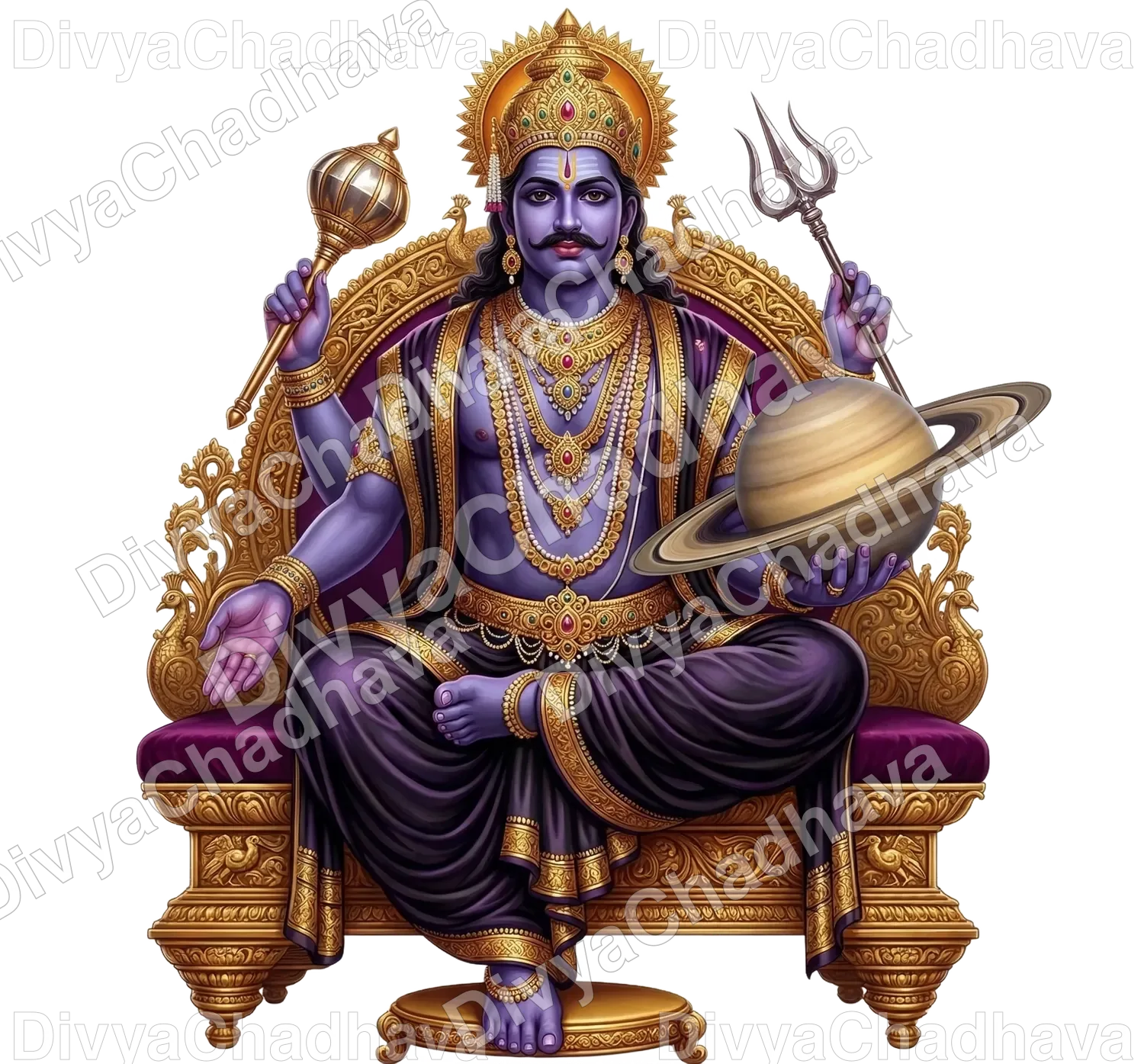
Kaal Bhairav is typically depicted with a fierce countenance, dark or blue complexion, garlands of skulls, and accompanied by a dog, his vahana or vehicle. The dog symbolises loyalty, humility and the breaking down of caste and social boundaries, since Kaal Bhairav is considered a deity who is equally accessible to all, regardless of birth or status.
He is often shown holding a trishul, damaru, sword, and a bowl, sometimes a skull bowl, representing his power over both creation and destruction, sound and silence, and his role as an ascetic wanderer who has renounced worldly attachment while still actively protecting dharma.
Forms of Bhairav: Kaal Bhairav and Batuk Bhairav
Bhairav is worshipped in two broad forms. Kaal Bhairav is the fierce, dark form associated with justice, protection and the destruction of ego and evil, typically worshipped by those seeking removal of obstacles, enemies or injustice. Batuk Bhairav, by contrast, is the youthful, gentler form, often worshipped for protection of home and family, and is considered more approachable for regular household worship. Ashta Bhairav refers to the eight forms of Bhairav associated with different directions and cosmic functions, each governing specific aspects of protection.
Famous Temples of Kaal Bhairav
The Kaal Bhairav Temple in Varanasi is among the most sacred sites dedicated to him, where he is worshipped as the Kotwal of Kashi. Devotees traditionally offer alcohol as prasad here, a practice rooted in Tantric tradition symbolising the offering of one's intoxicating ego and desires to the deity.
The Kaal Bhairav Temple in Ujjain, Madhya Pradesh, is equally revered and is one of the most visited shrines in the city, closely associated with the nearby Mahakaleshwar Jyotirlinga. Here too, devotees offer liquor as an act of surrender, and the temple draws pilgrims seeking protection from evil, black magic, and unjust circumstances.
How Devotees Worship Kaal Bhairav
Kaal Bhairav is worshipped especially on Kaal Bhairav Ashtami, which falls on the Ashtami of Krishna Paksha in the month of Margashirsha (Agrahayana). Devotees observe fasts, visit his temples, and chant his mantras seeking protection, justice and removal of fear.
His most popular mantra is Om Kaal Bhairavaya Namah, chanted to invoke courage and protection from evil forces, unjust enemies and misfortune. Devotees also recite the Bhairav Chalisa and Bhairav Ashtakam, and many keep a small idol or image of Bhairav with his dog as a symbol of vigilant protection over the household.
Why Kaal Bhairav Is Worshipped for Protection
Unlike many deities approached primarily for blessings of prosperity, Kaal Bhairav is sought specifically for swift justice and fearless protection. Devotees believe that sincere worship of Kaal Bhairav removes obstacles created by enemies, wards off black magic and negative energies, and grants courage to face life's difficulties without fear. As the guardian who watches over Kashi itself, Kaal Bhairav remains one of the most powerful and trusted protector deities in the Sanatan Dharma tradition.
Quick guide
Before you begin
Mantra
Kaal Bhairav mantra
Om Kaal Bhairavaya Namah
Chant with a clean sankalp, especially on the advised remedy day and time.
Bhav
Benefits devotees pray for
FAQ
Common questions
Why is Kaal Bhairav's vehicle a dog?
The dog symbolises loyalty, humility and equality, as Kaal Bhairav is considered accessible to all devotees regardless of caste or status. It also represents guardianship and vigilance.
Why is liquor offered to Kaal Bhairav?
This is a traditional Tantric offering symbolising the surrender of one's ego, intoxication and worldly desires to the deity, not an endorsement of alcohol consumption itself.
What is the difference between Kaal Bhairav and Batuk Bhairav?
Kaal Bhairav is the fierce, mature form associated with justice and protection from serious threats, while Batuk Bhairav is the gentler, youthful form typically worshipped for everyday household protection.
When is Kaal Bhairav Ashtami celebrated?
It falls on the Ashtami tithi of Krishna Paksha in the Hindu month of Margashirsha, usually in November or December, and is his most important annual worship day.
Seek Kaal Bhairav's Protection
Invoke fearless protection and justice through an authentic puja performed with complete Vedic vidhi.