Book Puja

 Special Puja
 Sanatan SahityaMy Account
Each offering is carried in your name-gotra as part of the same ritual at the temple.
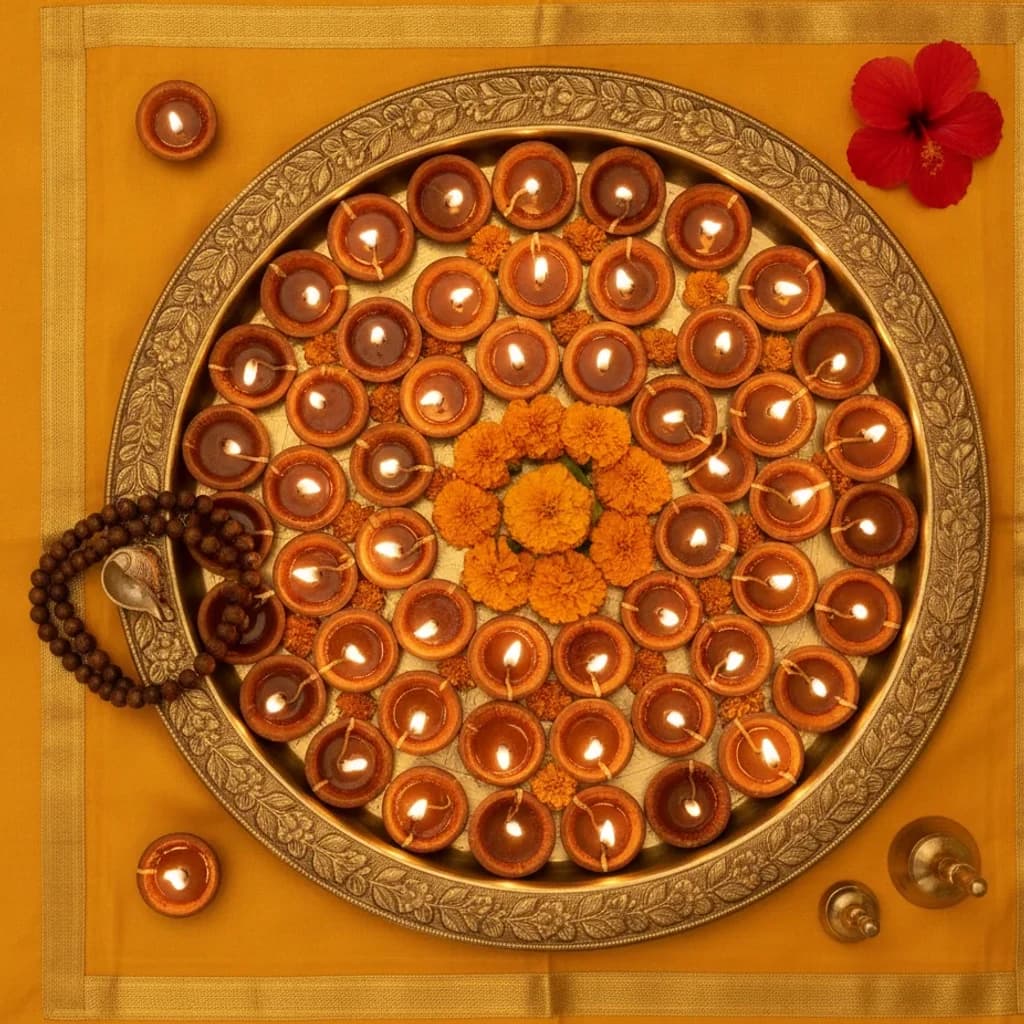
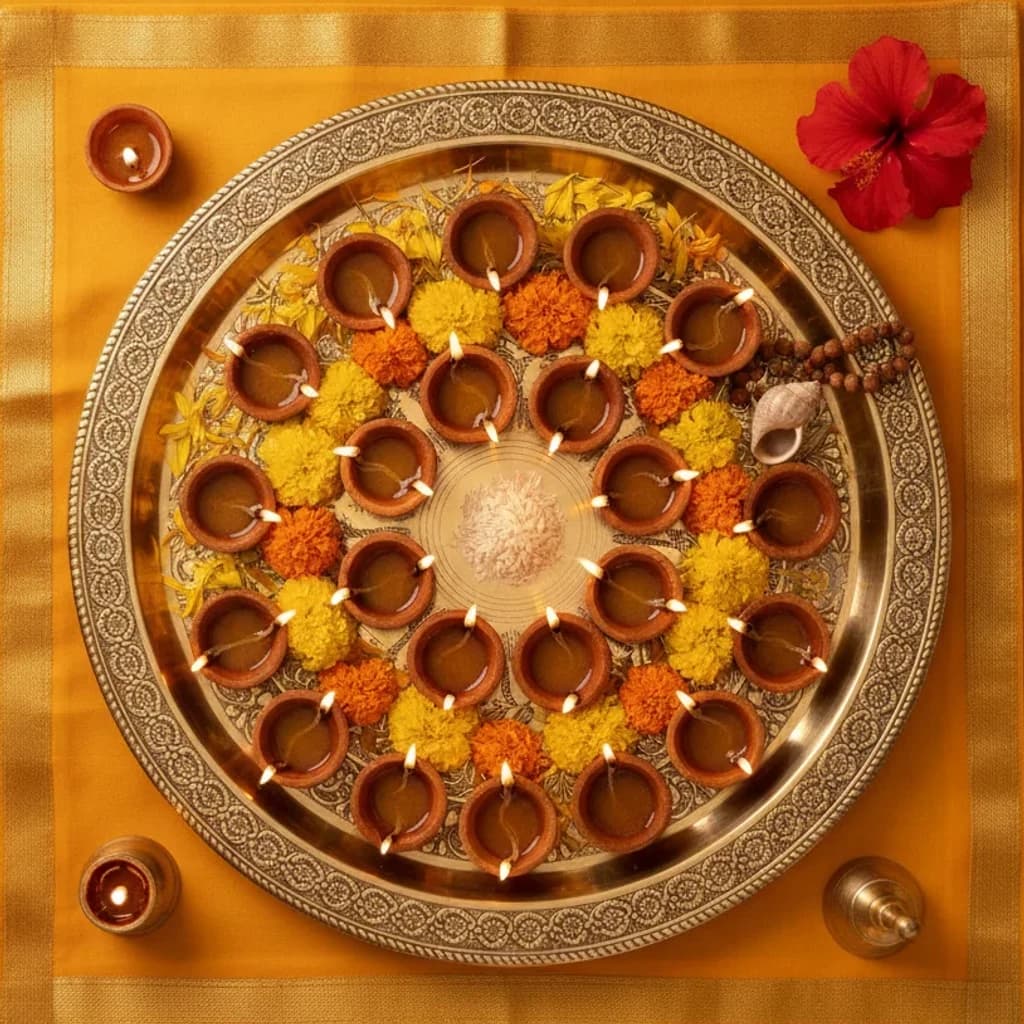
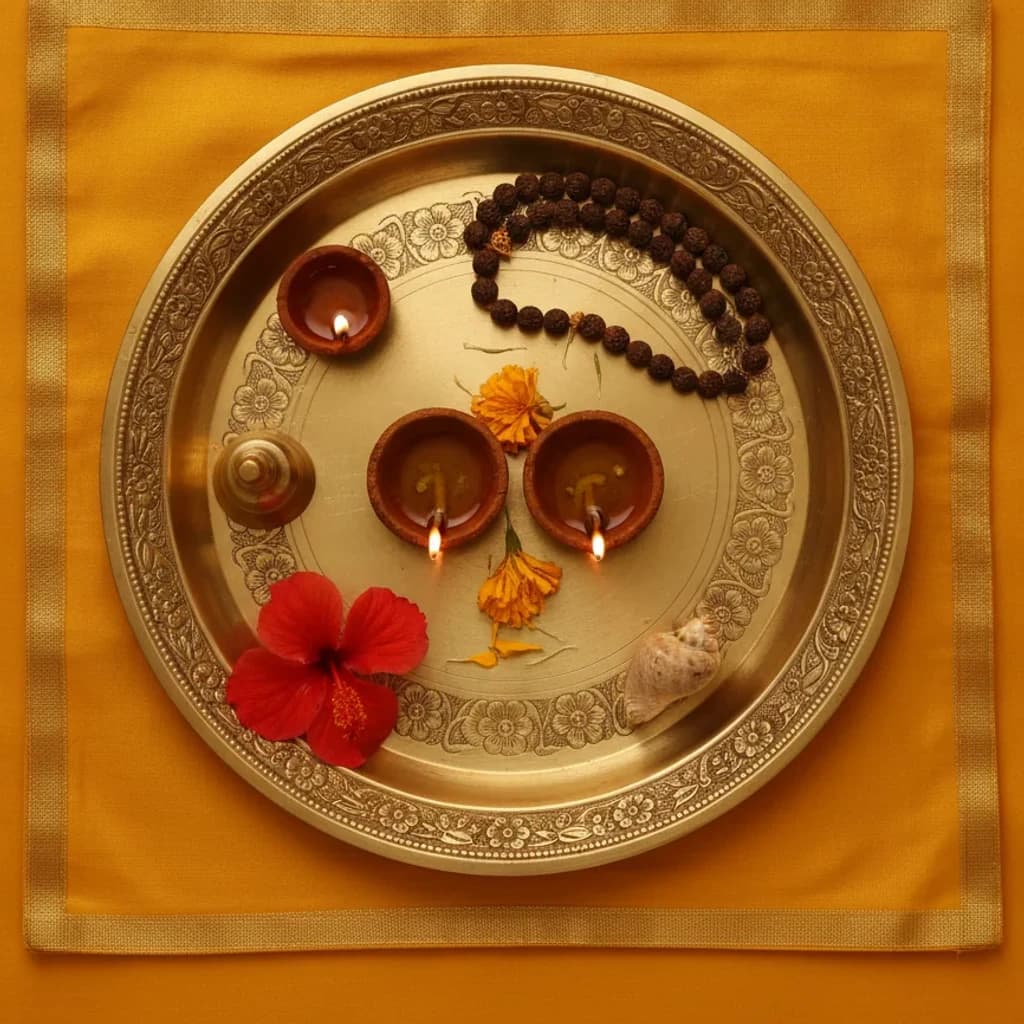
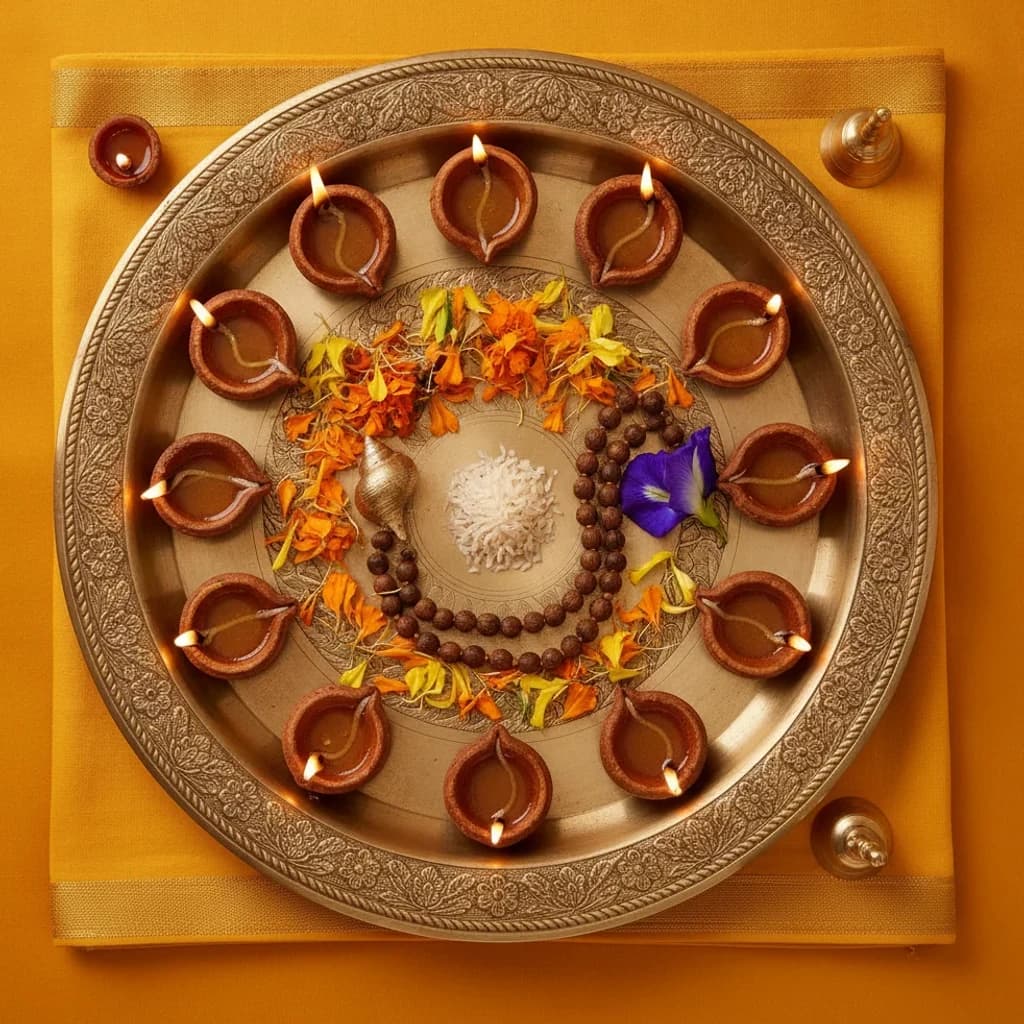
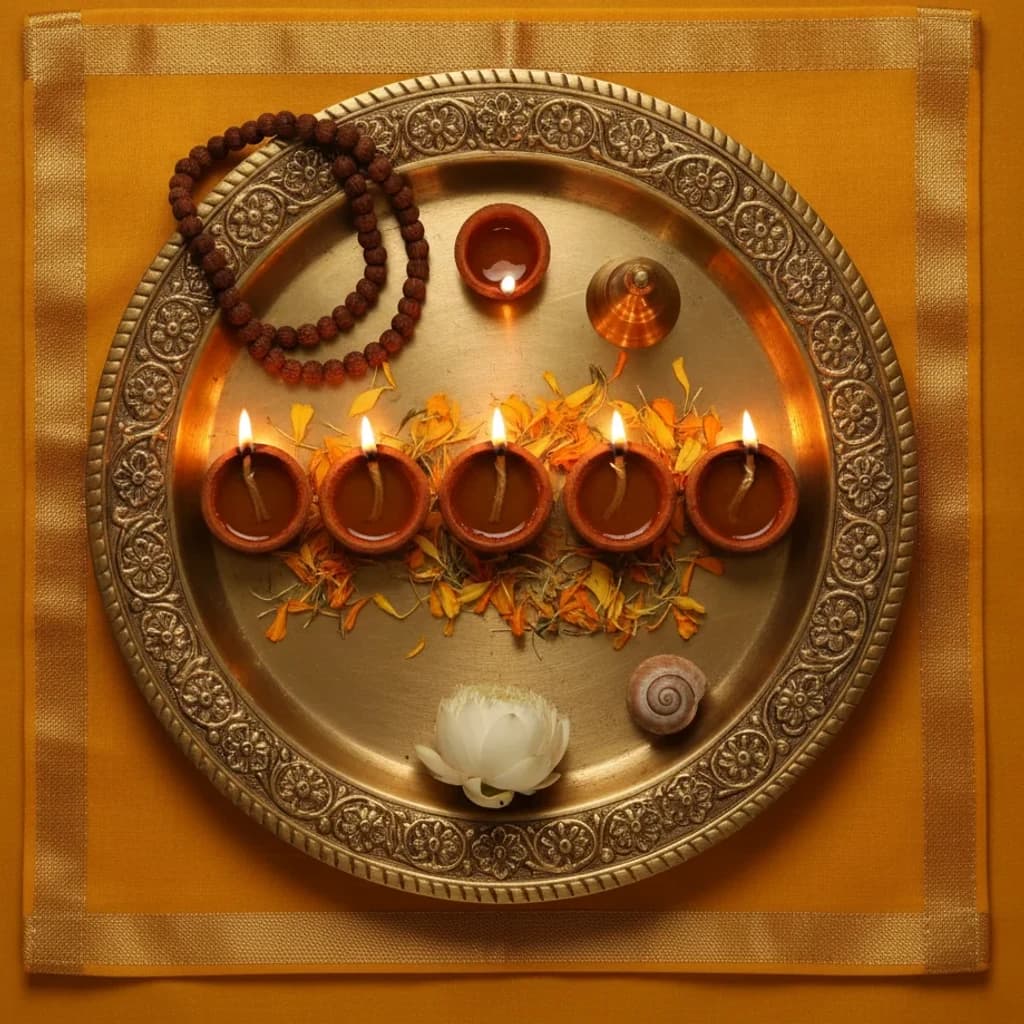
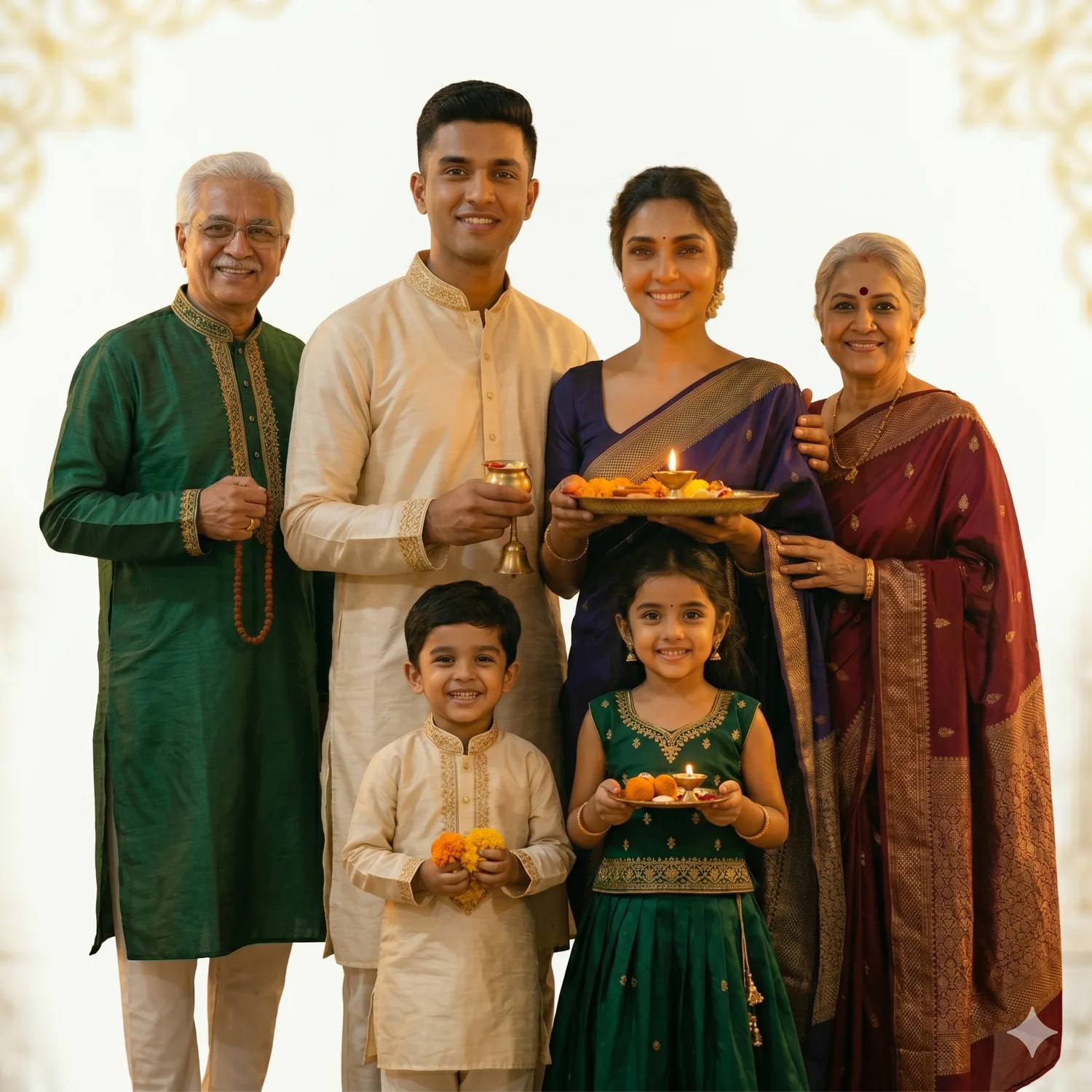
Every name you add is spoken in the puja sankalp at Ayodhya. Choose how many of your family it is taken for.

Many devotees add one of these alongside the puja, for gratitude, ancestral remembrance, or a simple act of giving.
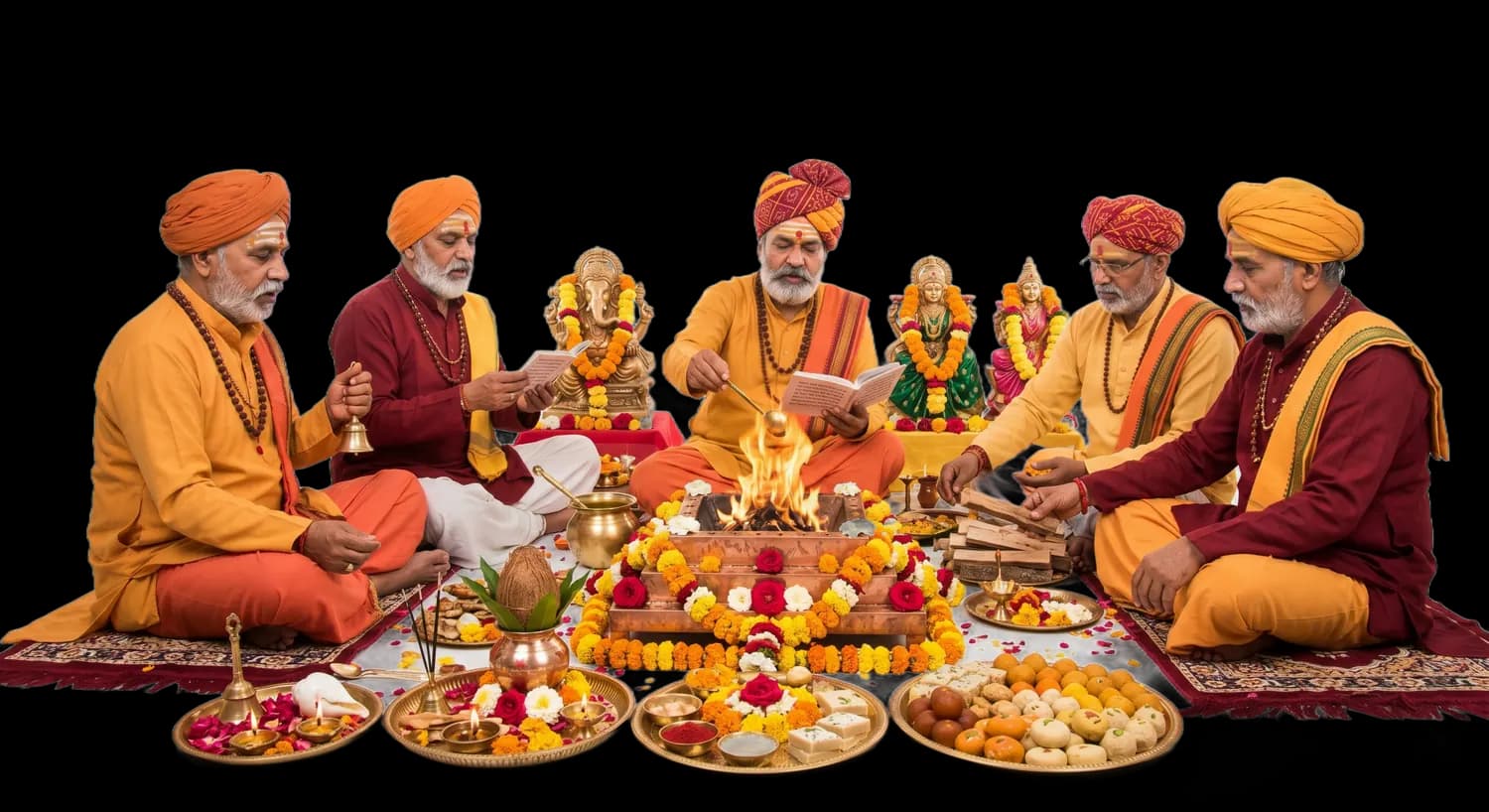
Real moments from the sankalps, abhisheks and hawans our pandits have performed at the temples, taken from the puja videos.
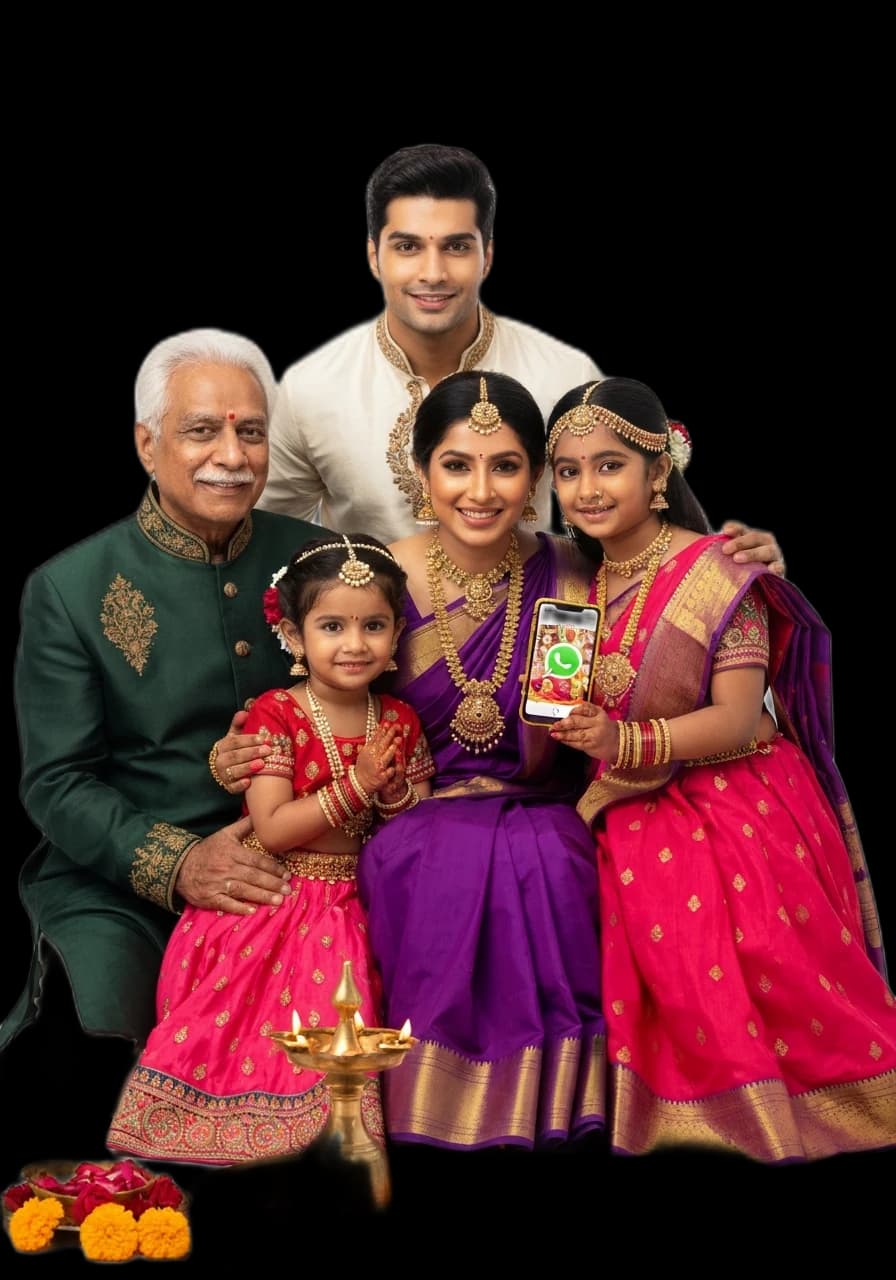
Watch real puja & chadhava deliveries, sent to devotees on WhatsApp after completion.
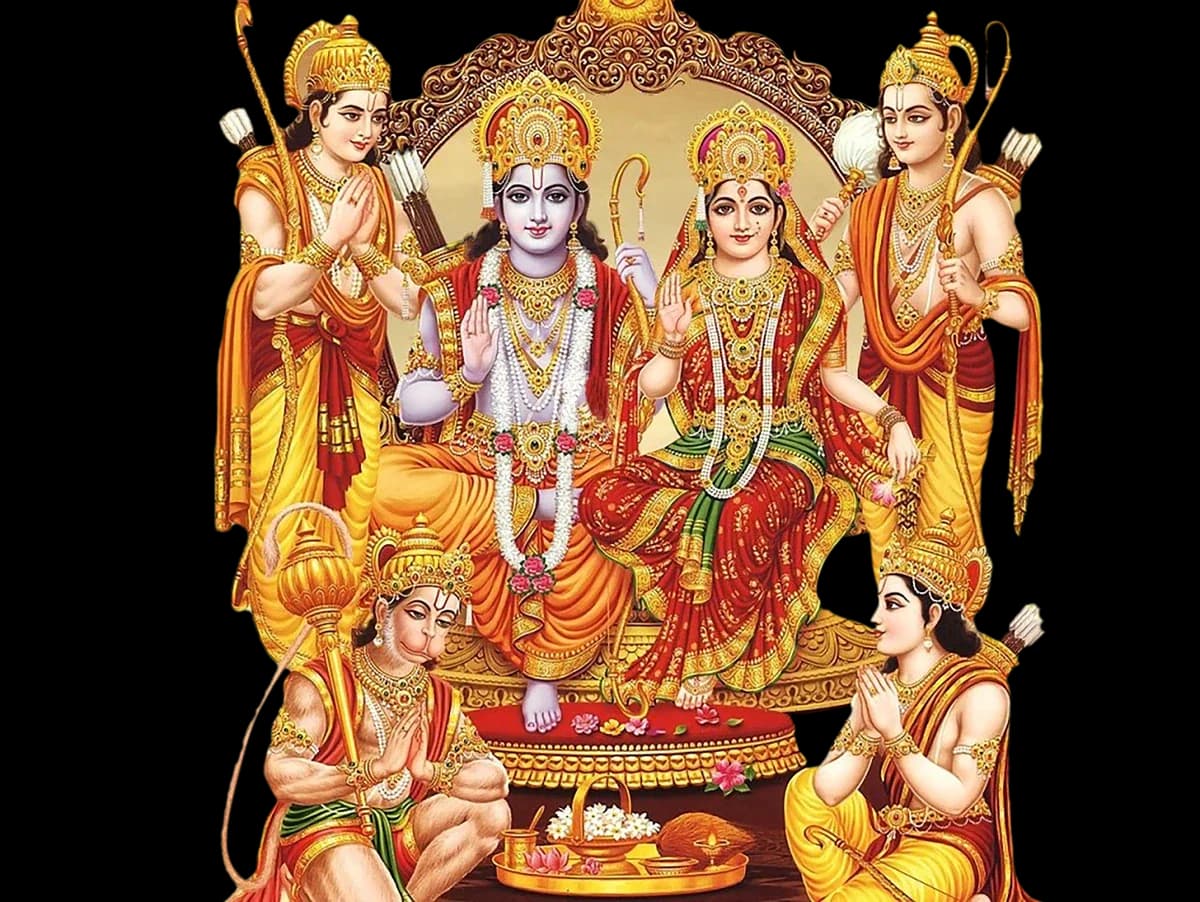
About Saryu GhatAyodhya sits on the banks of the Saryu, the city of Shri Ram, named first among the seven cities that grant moksha. By the Ramayana, when Ram left for fourteen years in the forest, Bharat refused the throne, placed Ram’s padukas on it and ruled from Nandigram as his brother’s servant. On the Kartik Amavasya night Ram came back with Sita and Lakshman, and Ayodhya lit every lamp it had to welcome him; Diwali is kept in memory of that homecoming. In the week of Diwali the city lights its Saryu ghats with lakhs of diyas in the Deepotsav, and on Diwali night families light diyas on the Saryu in their own name, asking Maa Lakshmi into the home and Ram Parivar’s blessing on the family.


 How the ritual is performed
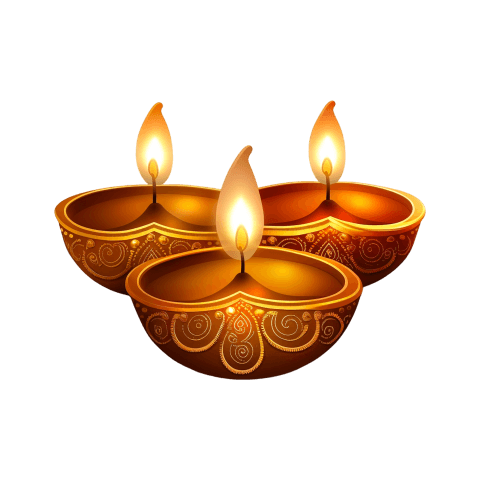
On Diwali night the diyas are lit on the Saryu at Ayodhya in your naam-gotra, with a prayer to Ram Parivar and Maa Lakshmi.


 Why Divyachadhava
Families want their own name spoken, their own diyas lit, and the deep-daan done on Diwali night itself at Ayodhya.


For fourteen years Ayodhya lived without Ram, and Bharat ruled with only his brother’s padukas on the throne. On the Kartik Amavasya night Ram came home, and the city lit every lamp it had. This Diwali, once a year, diyas are lit on the Saryu in your naam-gotra at Ayodhya, for Lakshmi in the home and the family together.