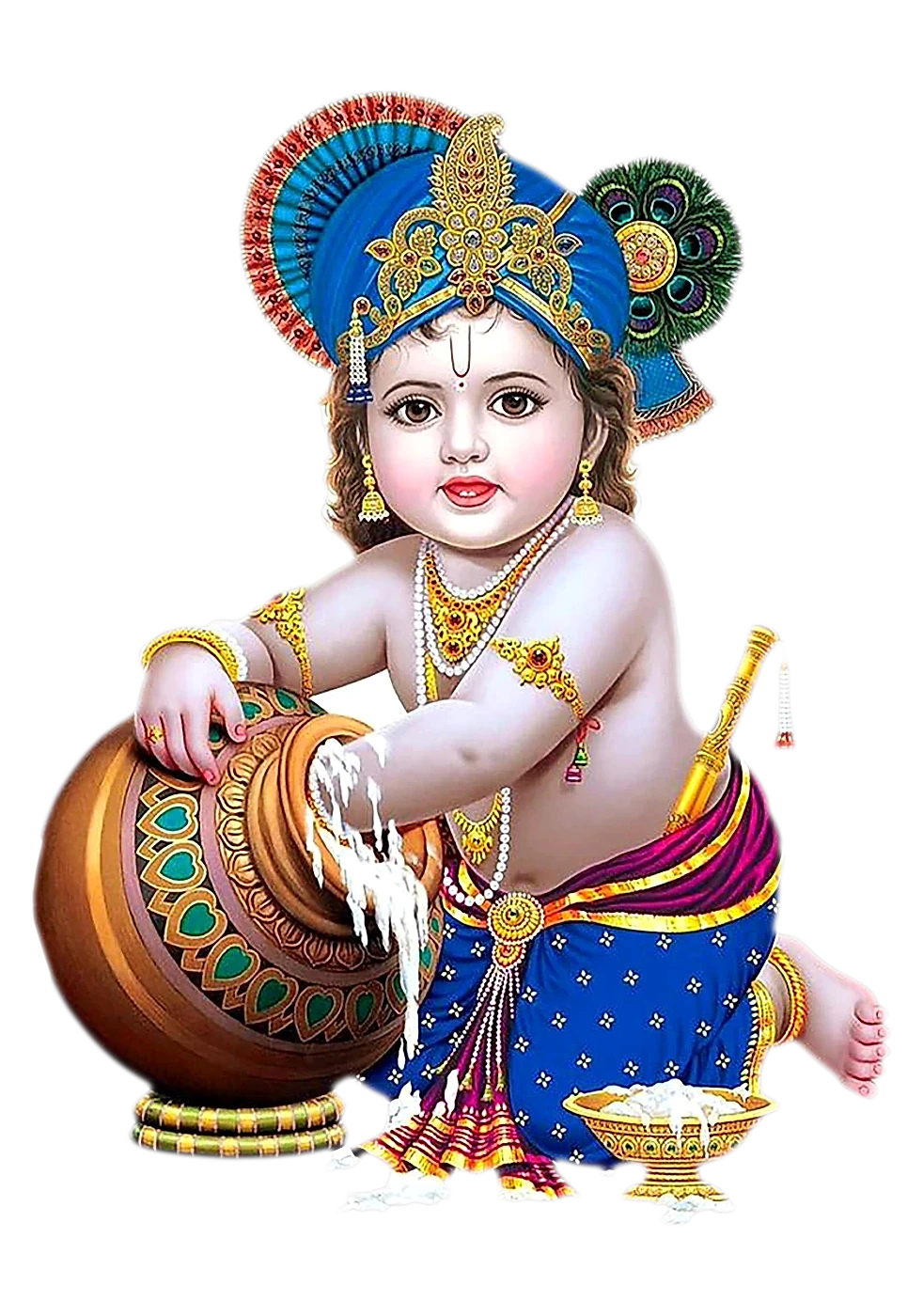





 शिल्प देवता विश्वकर्मा
The complete Vishwakarma Chalisa in Devanagari with meaning, benefits and the correct method of chanting to invoke Lord Vishwakarma's grace over craft and industry.
Lord Vishwakarma is revered in Sanatan Dharma as the divine architect and craftsman of the universe — the deity of engineering, construction, machinery and every form of skilled craft. Scriptures credit him with building the celestial abodes of the gods, Lanka's golden palaces, Dwarka, the Pandavas' Indraprastha, and forging divine weapons such as Vishnu's Sudarshan Chakra and Shiva's Trishul. He is worshipped by craftsmen, engineers, factory workers, mechanics and anyone whose livelihood depends on tools and machinery, especially on Vishwakarma Puja day. The Vishwakarma Chalisa is a forty-verse hymn glorifying his creative genius and invoking his protection over workplaces, tools and industry.
Complete Vishwakarma Chalisa (Devanagari)
दोहा जय जय जय विश्वकर्मा प्रभु, सृष्टि रचना आधार। शिल्प कला के देवता, वंदन बारंबार।।
चौपाई जय जय जय विश्वकर्मा देवा। सृष्टि रचना करत सुमेवा।। ब्रह्मा के तुम पुत्र कहाए। शिल्पकार जग में कहलाए।। देवलोक की रचना कीन्ही। स्वर्ग महल शिल्पकला दीन्ही।। इंद्रपुरी तुमने ही बनाई। सुरपति के मन भावन आई।। लंका नगरी स्वर्ण जड़ाई। तुमने ही शिल्प कला दिखाई।। द्वारका नगरी तुम रचाई। श्री कृष्ण हित शोभा बढ़ाई।। पांडवन का इंद्रप्रस्थ रचाया। शिल्प चमत्कार सबको दिखाया।। पुष्पक विमान तुम्हीं बनाया। राम रावण संग्राम सजाया।। शिव जी का त्रिशूल बनाया। विष्णु सुदर्शन चक्र रचाया।। यमराज का दंड बनाया। कुबेर का पुष्पक विमान सजाया।। अस्त्र शस्त्र सब तुमने रचे। देवन के संकट सब हरे।। शिल्प कला के तुम अवतारी। कारीगर सब करें पुकारी।। वास्तु शास्त्र के तुम हो ज्ञाता। भवन निर्माण कला के दाता।। मूर्तिकार शिल्पी सब ध्यावें। तुमसे विद्या कला वे पावें।। लोहार बढ़ई राज मिस्त्री। तुमको पूजें सभी शिल्पी।। यंत्र औजार सभी तुम्हारे। तुमने रचे जगत के सारे।। कल कारखाने तुमसे चलते। इंजीनियर तुमको हैं भजते।। सृष्टि रचना के तुम आधारा। तुमसे सजा जगत यह सारा।। पंचमुखी तुम रूप दिखाओ। भक्तन के सब कष्ट मिटाओ।। अवतार अनेक तुम्हारे कहाए। हर युग में तुम शिल्प दिखाए।। चतुर्भुज तुम रूप सुहावा। हाथ शिल्प उपकरण सजावा।। मुकुट धारण शीश तुम्हारे। तेज प्रताप अमित है सारे।। सृष्टि के तुम प्रथम शिल्पी। तुमसे रचे भवन अरु मूर्ति।। विश्वकर्मा पूजा जो करते। यंत्र औजार सभी वे पूजते।। माघ शुक्ल में जन्म तुम्हारा। कन्या संक्रांति पर्व है प्यारा।। उस दिन पूजा जो नर करते। कारखाने में सुख वे भरते।। दुर्घटना से रक्षा होई। जो पूजा श्रद्धा से होई।। औजारों की पूजा कीजे। विश्वकर्मा आशीष लीजे।। कल कारखाने बंद जो रखते। भक्ति भाव से पूजा करते।। उन्नति उद्योग की होवे। जब विश्वकर्मा कृपा वह होवे।। नवीन यंत्र जो कोई बनावे। विश्वकर्मा जी को सुमिरावे।। वाहन यंत्र सुरक्षित रहते। जब विश्वकर्मा कृपा वे लहते।। शिल्प विद्या जो सीखन चाहे। विश्वकर्मा जी का शरण वह चाहे।। भवन बनाए जो शुभ मुहूर्ते। विश्वकर्मा जी का ध्यान वह धरते।। वास्तु दोष सब दूर भगावें। जो विश्वकर्मा चरण मन लावें।। उद्योग व्यापार बढ़े तुम्हारे। जो विश्वकर्मा शरण संभारे।। दुख दरिद्र सब दूर भगावें। जो जन विश्वकर्मा गुण गावें।। यह चालीसा जो नित गावे। सुख समृद्धि अखंड वह पावे।। कल कारखाना सदा फले-फूले। जो विश्वकर्मा कृपा न भूले।। अंत समय शुभ गति को पावे। विश्वकर्मा धाम को जावे।।
दोहा जय जय जय विश्वकर्मा देवा, शिल्प कला के दाता। कृपा करो अपने भक्तन पर, सुख सम्पत्ति के दाता।।
Meaning
Opening doha: Salutations to Lord Vishwakarma, the foundation of all creation and the deity of craft and skill.
Verses 1-8 describe him as the son of Brahma who built the celestial abodes, Indra's palace, the golden city of Lanka, Dwarka for Lord Krishna, and Indraprastha for the Pandavas.
Verses 9-16 recount his forging of divine weapons — Shiva's Trishul, Vishnu's Sudarshan Chakra, Yama's danda, and Kubera's Pushpak Viman — and honour him as the master craftsman worshipped by sculptors, blacksmiths, carpenters and every artisan.
Verses 17-24 speak of his mastery of Vastu Shastra, his blessing over tools, machinery and factories, his multiple divine forms (panchmukhi, chaturbhuj), and his role as the first architect of creation from whom all buildings and idols take form.
Verses 25-32 describe the observance of Vishwakarma Puja on the day after Kanya Sankranti in the month of Bhadrapada, the worship of tools and machinery on that day, protection from workplace accidents, and blessings for growth in industry and business for those who honour him.
Verses 33-40 assure that whoever sings this Chalisa regularly attains prosperity and safety in their workplace, and prays for auspicious progress and, at the end of life, attainment of his divine abode.
Closing doha: Victory to Lord Vishwakarma, giver of skill and craft; bestow your grace upon your devotees, O giver of happiness and prosperity.
Why Chant the Vishwakarma Chalisa
Chanting the Vishwakarma Chalisa is believed to invoke protection over one's tools, machinery, vehicles and workplace, prevent accidents, and bring growth and prosperity in one's craft, trade, engineering or industrial work. It is especially meaningful for artisans, engineers, factory owners and workers.
How and When to Chant
Chant the Vishwakarma Chalisa especially on Vishwakarma Puja day (observed the day after Kanya Sankranti, usually around 17 September), before beginning work with new tools or machinery, or when starting a new workshop, factory or construction project. Clean and decorate the tools or machines, offer flowers and a lamp, and recite the Chalisa with devotion before resuming work.
Dos and Don'ts
Keep tools, machines and the workplace clean and well-maintained as a mark of respect to Vishwakarma. Do not operate heavy machinery carelessly or without safety precautions even after worship — the puja complements diligence, it does not replace it. Avoid intoxicants at the workplace, especially on the day of puja. Approach the recitation with gratitude for one's craft and livelihood rather than as mere ritual.
Mahatmya (Glory)
Vishwakarma is celebrated across India, particularly in industrial and artisan communities, as the divine source of all engineering and craft skill. His puja on Vishwakarma Jayanti is observed in factories, workshops, construction sites and IT offices alike, where machines and tools are worshipped in gratitude — a reminder that all human skill and creation ultimately draws upon the divine gift of craftsmanship.
Quick guide
Before you begin
Mantra
Vishnu mantra
Om Namo Bhagavate Vasudevaya
Chant before katha or aarti while praying for protection, dharma, and peace.
Bhav
Benefits devotees pray for
FAQ
Common questions
When is Vishwakarma Puja celebrated?
Vishwakarma Puja is typically observed on 17 September (the day after Kanya Sankranti), when tools, machines and workplaces are worshipped.
Who should chant the Vishwakarma Chalisa?
Artisans, engineers, factory workers, mechanics, architects and anyone whose livelihood depends on tools, machinery or craftsmanship can chant it for protection and prosperity.
Does worship replace safety precautions at work?
No. The puja is a mark of devotion and gratitude; it complements, not replaces, careful and safe practices while operating machinery.
What items are used in Vishwakarma Puja?
Tools, machines, vehicles and equipment are cleaned, decorated with flowers, and worshipped with a lamp and offerings, followed by the Chalisa recitation.
Seek Lord Vishwakarma's Blessings
Offer a sankalp-based puja in Lord Vishwakarma's name for the safety and prosperity of your workplace, tools and craft.