

 जगत पालनहार भगवान विष्णु
The Vishnu Mantras invoke the preserver of the universe to bless devotees with peace, protection from adversity, prosperity and spiritual liberation.
Lord Vishnu is the preserver of the universe in the Hindu trinity, the compassionate protector who incarnates in every age to restore dharma and shield devotees from adversity. Worship of Vishnu through mantra japa is one of the oldest and most trusted spiritual practices in Sanatan Dharma, believed to bring inner peace, protection from difficulties, material prosperity, and ultimately moksha - liberation from the cycle of birth and death. This article presents the most widely chanted and authentic Vishnu mantras with their complete meaning and method of practice.
The Vishnu Mool Mantra
ॐ नमो नारायणाय
Transliteration: Om Namo Narayanaya
This is the ashtakshari (eight-syllable) mantra, one of the most sacred and simplest mantras dedicated to Vishnu in his form as Narayana, the resting deity of the cosmic ocean.
The Vishnu Dwadashakshari Mantra
ॐ नमो भगवते वासुदेवाय
Transliteration: Om Namo Bhagavate Vasudevaya
This twelve-syllable mantra is one of the most revered Vaishnav mantras, addressing Vishnu as Vasudeva, the all-pervading, blessed Lord.
The Vishnu Gayatri Mantra
ॐ नारायणाय विद्महे वासुदेवाय धीमहि तन्नो विष्णुः प्रचोदयात्
Transliteration: Om Narayanaya Vidmahe, Vasudevaya Dheemahi, Tanno Vishnuh Prachodayat
Meaning of the Mantras
Om Namo Narayanaya means: I bow to Narayana, the Lord who resides in and pervades all beings and the cosmic waters. It is a complete surrender to Vishnu as the ultimate refuge and shelter for all souls.
Om Namo Bhagavate Vasudevaya means: I bow to the blessed Lord Vasudeva, who dwells within all creation. Vasudeva signifies the all-pervading divine consciousness that is the source and support of the universe, and this mantra is considered a complete path to devotion, protection and liberation.
The Vishnu Gayatri translates as: Let us meditate on Narayana, let us contemplate on Vasudeva, may that Vishnu illuminate and guide our intellect. It is a prayer for wisdom, clarity and divine guidance, in the same format as the revered Gayatri mantras dedicated to other deities.
Why Chant Vishnu Mantras
Vishnu is worshipped as the preserver who protects dharma, sustains life and removes obstacles from the sincere devotee's path. Devotees chant these mantras for inner peace and mental steadiness in times of difficulty, protection from adversity, illness, or negative influences, prosperity and stability in family and career, resolution of doubts and confusion through divine guidance, and ultimately for spiritual growth towards moksha. These mantras are also chanted during illness, before important undertakings, during difficult life transitions, and as a daily practice for general wellbeing and devotion.
How and When to Chant
Best day: Thursday is especially dear to Vishnu, though these mantras may be chanted on any day, particularly on Ekadashi, a day sacred to Vishnu observed twice a month.
Best time: Early morning after bathing, ideally during the Brahma Muhurta, facing east; the evening at dusk is also considered auspicious.
Mala: A tulsi mala (holy basil beads) is the most revered choice for Vishnu mantra japa, as tulsi is Lord Vishnu's most beloved plant; a sandalwood mala is also suitable.
Count: Chant 108 times (one mala) daily as a foundational practice. Devotees seeking deeper connection may chant 11 or 21 malas daily during a 40-day sadhana, or observe consistent daily japa as a lifelong practice.
Preparation: Wear clean, preferably yellow or white clothing. Sit facing east on a clean asana before a Vishnu or Narayana image or picture, light a ghee lamp, and offer tulsi leaves, yellow flowers, and fruits before beginning japa.
Discipline: Maintain a sattvic diet and pure conduct during the sadhana, observe Ekadashi fasting if possible, and chant with full attention on the meaning of the mantra rather than as mechanical repetition.
Benefits
Devotees who practise Vishnu mantra japa with sincerity and consistency often experience a deep sense of inner peace and emotional steadiness, protection from obstacles, negativity and adversity, growth in prosperity, stability and family harmony, clarity of thought and freedom from confusion or doubt, and gradual spiritual purification that draws the soul closer to moksha.
A Short Mahatmya
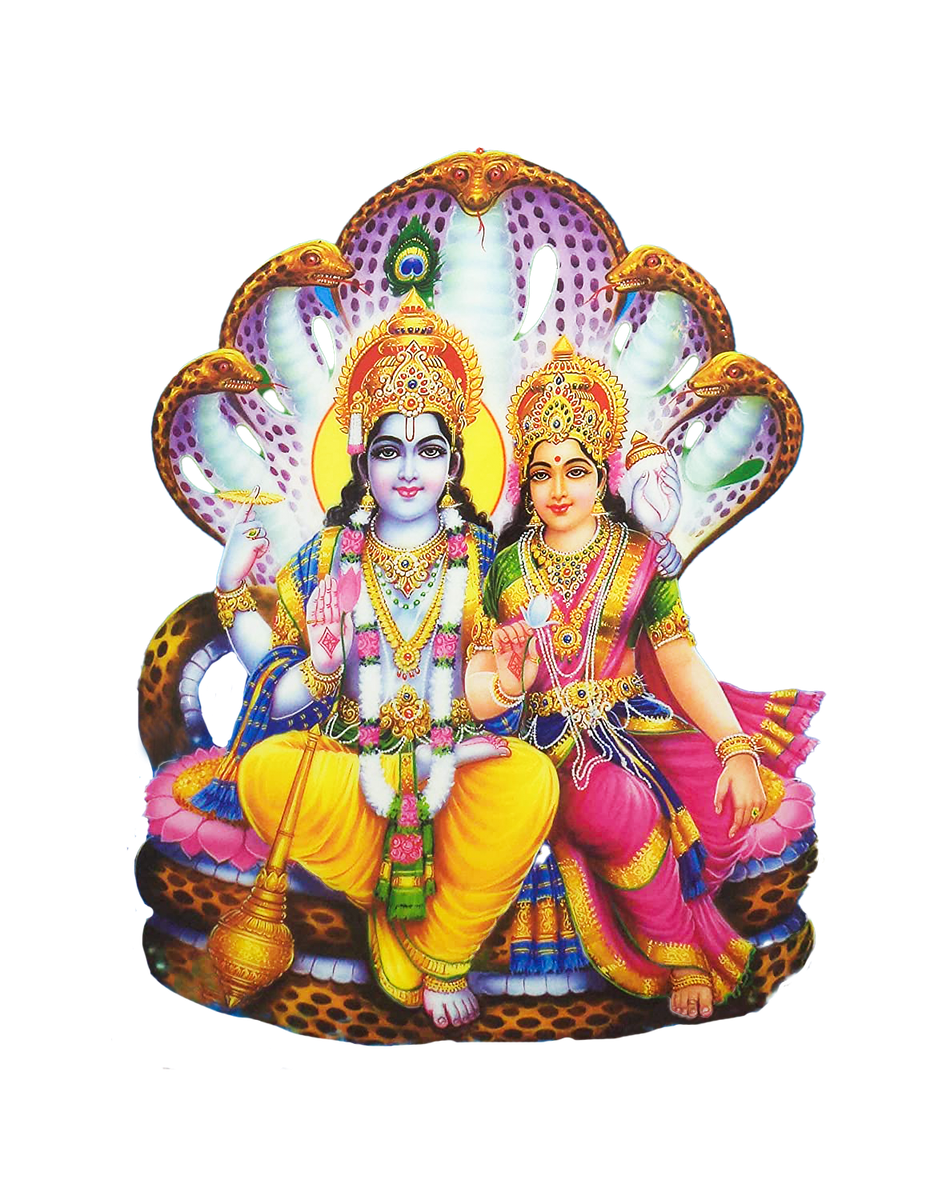
The puranas describe Vishnu as the preserver who reclines upon Sheshnaga in the cosmic ocean of milk, with Goddess Lakshmi at his feet, ever watchful over creation. Whenever adharma threatens the balance of the world, Vishnu incarnates - as Rama, Krishna and in his other avatars - to protect the righteous and restore dharma. His name and mantras are considered so powerful that even a single sincere utterance is said to remove great sin and fear, as illustrated in the story of Ajamila, who attained liberation merely by uttering the name Narayana at the moment of death, even though he was calling his son by that name. This mahatmya illustrates the boundless compassion and protective power carried within Vishnu's name itself.
Dos and Don'ts
Do chant with devotion, humility and full attention to the meaning of the mantra. Do maintain cleanliness of body, mind and surroundings during the practice. Do offer tulsi leaves with reverence, as they are considered most dear to Vishnu.
Avoid chanting in a distracted, hurried or disrespectful manner. Avoid non-vegetarian food and alcohol, especially on Ekadashi and during dedicated sadhana periods. Do not pluck tulsi leaves on Ekadashi, Sunday, or after sunset, as per tradition - collect them beforehand with respect.
Frequently Asked Questions Covered Below
See the FAQ section for guidance on which Vishnu mantra to choose, the ideal duration of practice, and who may chant these mantras.
Quick guide
Before you begin
Mantra
Vishnu mantra
Om Namo Bhagavate Vasudevaya
Chant before katha or aarti while praying for protection, dharma, and peace.
Bhav
Benefits devotees pray for
FAQ
Common questions
Which Vishnu mantra should I chant?
Om Namo Narayanaya is the simplest and most widely chanted, ideal for beginners. Om Namo Bhagavate Vasudevaya is a deeper, twelve-syllable form favoured for dedicated sadhana. The Vishnu Gayatri is often added for wisdom and guidance. All three may be chanted together or individually with equal devotion.
Who should chant Vishnu mantras?
Anyone seeking peace, protection from difficulties, prosperity, spiritual growth or simply devotion to the Lord may chant these mantras. They are suitable for all ages and are especially chanted during illness, before important undertakings, and on Ekadashi.
How long should I continue this practice?
A common approach is a 40-day daily sadhana of one or more malas. Many devotees adopt Vishnu mantra japa as a lifelong daily practice, even if only one mala a day, as a steady anchor of devotion and peace.
Can this mantra replace medical or professional advice in difficult times?
No. Vishnu mantra japa is a devotional and spiritual practice rooted in faith and tradition. For health, legal or financial difficulties, please seek qualified professional advice alongside your spiritual practice.
Seek Vishnu Ji's Blessings Through Puja
Let our pandits perform a dedicated Vishnu Puja with sankalp in your name for peace, protection and prosperity.