



 जगत पालनहार
The complete Vishnu Chalisa with Devanagari lyrics, meaning, and the correct method to chant it for protection, prosperity, and the grace of the preserver of the universe.
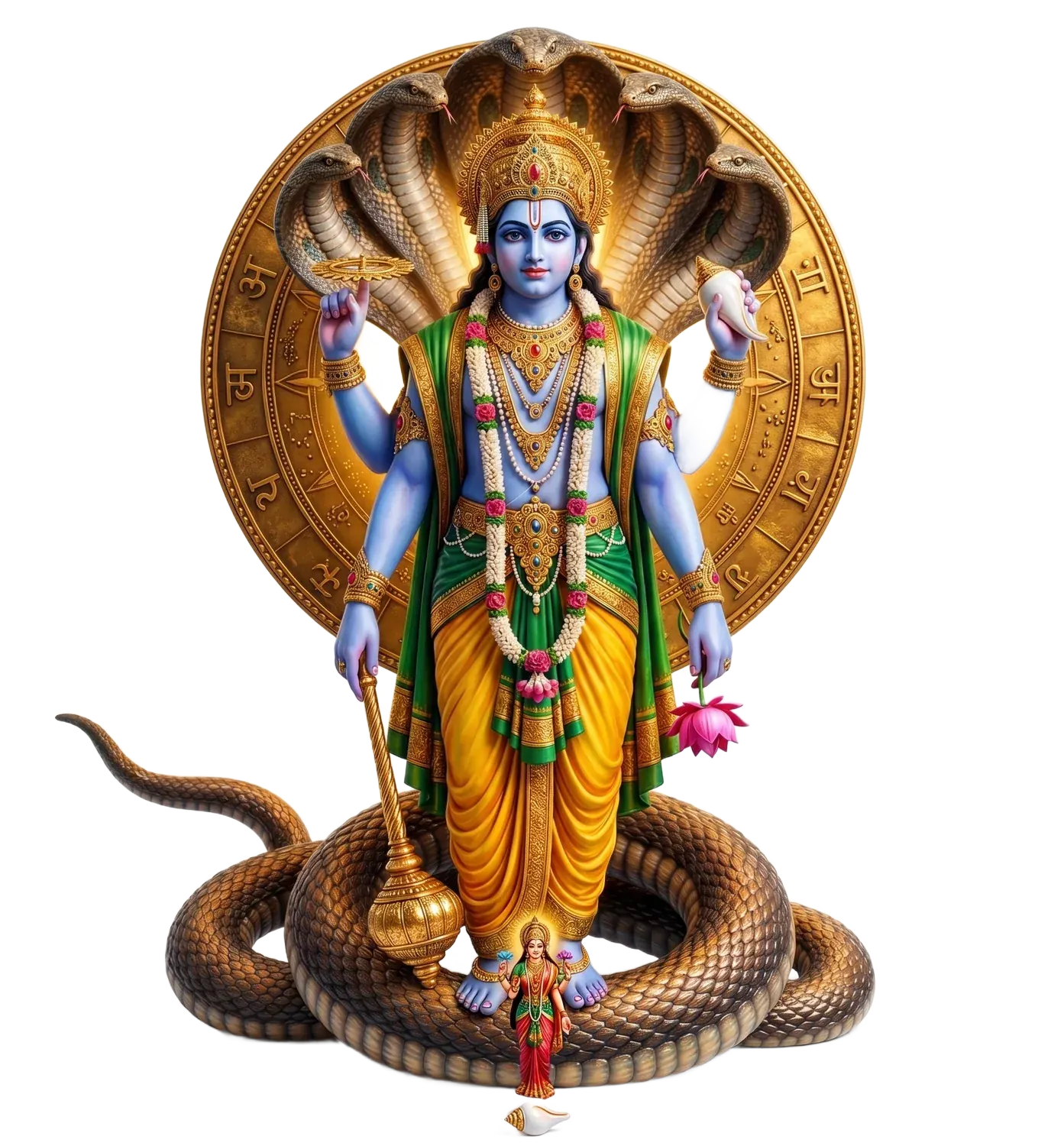
Bhagwan Vishnu is the Palanhaar — the preserver and sustainer of the universe within the Trinity of Brahma, Vishnu, and Mahesh. He reclines upon Sheshnag in the cosmic ocean of Kshirsagar, with Goddess Lakshmi at his feet, holding the shankha (conch), chakra (discus), gada (mace), and padma (lotus) in his four hands. Whenever dharma declines, Vishnu incarnates upon earth — as Matsya, Kurma, Varaha, Narasimha, Vamana, Parashurama, Rama, Krishna, Buddha, and Kalki — to restore righteousness. The Vishnu Chalisa is a devotional hymn that praises his form, his avatars, and his boundless compassion, and prays for peace, protection, and prosperity.
Complete Vishnu Chalisa (Devanagari)
दोहा
विष्णु सुनिए विनय, विश्वेश्वर विश्वेश। भव उतारो भव सिंधु से, प्रभु प्रकटो परमेश।।
चौपाई
नमो विष्णु भगवान खरारी। कष्ट नशावन अखिल बिहारी।। सांवर रूप चतुर्भुज धारी। शंख चक्र गदा शरधारी।।
पीताम्बर तन साज बिराजे। हार मुक्ता उर माहि छाजे।। शीश मुकुट कुण्डल छवि पावे। श्रीवत्स चिन्ह वक्ष सोहावे।।
नाभि कमल ब्रह्मा को धारे। शेषनाग पर शयन तुम्हारे।। लक्ष्मी सहित बैकुण्ठ निवासी। गरुड़ वाहन सेवक अविनासी।।
क्षीरसागर के वासी स्वामी। नाम अनंत अंतर्यामी।। चौदह भुवन तुम्हरे बस माहीं। तुम बिन दूसर कोउ नाहीं।।
मत्स्य रूप धरि सिंधु महं धाए। वेद पुरान सुरक्षित लाए।। कच्छप रूप धरि पीठ लगाई। मंदर पर्वत टेक टिकाई।।
वराह रूप धरि धरती धारी। हिरण्याक्ष कर दीन्ह्यो मारी।। नरहरि रूप धरयो प्रभु आई। हिरण्यकश्यप दीन्ह्यो चिराई।।
वामन रूप धरयो प्रभु प्यारे। बलि को पाताल पठारे।। परशुराम भे क्षत्रिय हंता। भार उतारयो धरा को संता।।
राम रूप धरि सिय हित लीन्हा। रावण मारि विभीषण दीन्हा।। कृष्ण रूप धरि लीला कीन्हा। कंस असुर कर मर्दन कीन्हा।।
गीता ज्ञान सुनायो अर्जुन को। तारयो भव सागर जग जन को।। बौद्ध रूप धरि करुणा फैलाई। कलियुग अंत कल्कि तनु धाई।।
दस अवतार धरे जग तारन। भक्तन के दुःख दारिद्र्य निवारन।। जो तुम्हरे गुण गावत भाई। ता पर करत कृपा तुम स्वामी।।
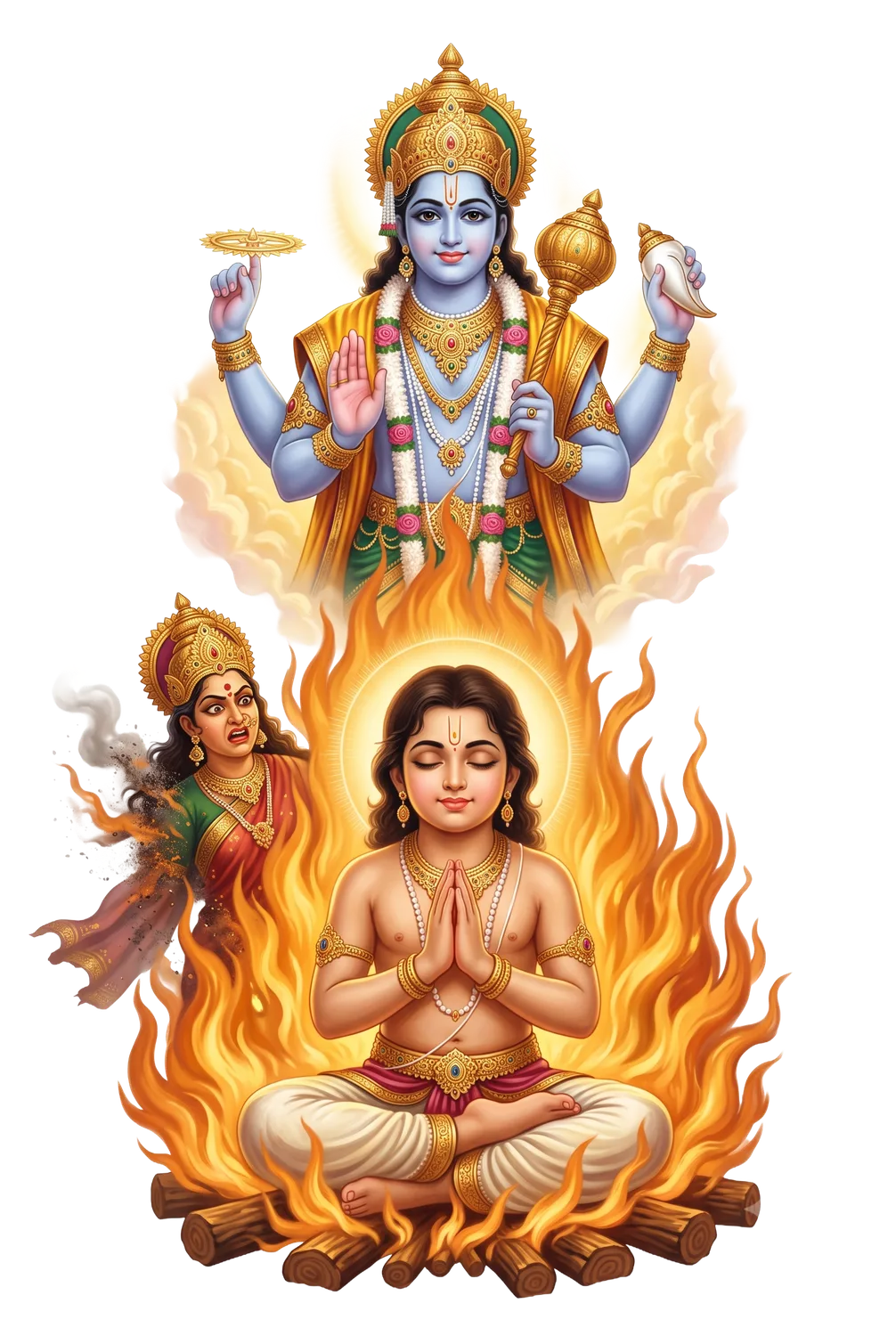
प्रह्लाद भक्त उबारयो प्यारे। खम्भ फारि नरसिंह पधारे।। गजराज को संकट टारा। ग्राह मार्यो चरणन को प्यारा।।
द्रौपदी की लाज बचाई। चीर बढ़ाई साड़ी सिलाई।। सुदामा के तन्दुल खाए। महल बनाय दुःख मिटाए।।
ध्रुव को अटल पद तुम दीन्हा। भक्ति भाव सों कीर्ति कीन्हा।। अजामिल तारे नाम पुकारे। नारायण कहि पाप निवारे।।
तुम बिन जग की गति नहिं कोई। तुम बिन आस करे नहिं जोई।। सुर नर मुनि सब ध्यान लगावें। वेद पुरान सकल गुण गावें।।
चार वेद जिनको यश गावें। षट दर्शन जिनको समझावें।। तुम सम दाता और न कोई। तुम सम त्राता जग में नाही।।
जो यह पाठ करे मन लाई। तेहि पर होत कृपा प्रभु ताई।। सुख सम्पत्ति अरु शांति पावे। संकट मेट परम पद पावे।।
निर्धन को धन सम्पत्ति देहीं। रोगी को हरि निरोगी करहीं।। पुत्रहीन को पुत्र प्रदाता। संकट मोचन दुःख हर त्राता।।
शरणागत को अभय बनावो। जगत पिता प्रभु कृपा दिखावो।। हे भगवन्त कृपा अब कीजै। अपनी भक्ति दान मोहि दीजै।।
जय जय जय हरि विष्णु गोसाईं। कृपा करहु गुरुदेव की नाईं।। जो सत बार पाठ कर कोई। सो नर सुख सम्पत्ति सब पाई होई।।
दोहा
विष्णु चालीसा पाठ जो, करहिं ध्यान लगाय। सुख सम्पत्ति भव भय हरे, हरि चरणन चित लाय।।
Meaning
Opening doha: The devotee bows to Vishnu, Lord of the universe, praying to be ferried across the ocean of worldly existence (bhavsagar).
Verses on his form: Vishnu is described with dark complexion, four arms holding the conch, discus, mace and lotus, wearing yellow silk (pitambar) and a garland of pearls, with the Kaustubh jewel and Shrivatsa mark on his chest, seated upon Sheshnag in Kshirsagar with Goddess Lakshmi, served by Garuda, and worshipped as the antaryami (indweller) of all fourteen realms.
Dashavatar verses: The Chalisa lovingly narrates Vishnu's ten principal incarnations — Matsya who saved the scriptures, Kurma who supported Mount Mandara, Varaha who lifted the earth, Narasimha who protected Prahlad, Vamana who humbled King Bali, Parashurama, Rama who defeated Ravana, Krishna who gave the Gita's wisdom to Arjuna, Buddha, and Kalki who is yet to come — each avatar restoring dharma when it declined.
Verses of grace: The hymn recalls how Vishnu protected Gajendra the elephant king, saved Draupadi's honour, accepted poor Sudama's simple rice offering with love, granted Dhruva an unshakable position among the stars, and redeemed even the sinner Ajamil merely by his uttering the name "Narayana" — showing that Vishnu's compassion knows no bounds and answers even the smallest sincere call.
Closing verses: Whoever recites this Chalisa with a devoted heart receives peace, prosperity, protection from calamity, and ultimately liberation; the poor receive wealth, the sick receive health, and the childless receive the blessing of children — for Vishnu is the universal father and refuge of all beings.
Why Chant the Vishnu Chalisa
Removes fear, obstacles, and worldly suffering through Vishnu's protective grace.
Brings peace of mind, stability, and prosperity to the household.
Strengthens faith and devotion (bhakti) as the surest path to liberation.
Invokes the qualities of Vishnu's avatars — courage, wisdom, humility, and righteousness — in the devotee's own life.
How and When to Chant
Best day: Thursday (Guruvar) is especially dear to Vishnu, along with Ekadashi; daily recitation is also excellent.
Best time: Early morning after bathing, before a Vishnu, Lakshmi-Narayan, or Krishna image, with a diya of ghee lit.
Method: Sit facing east or north, offer tulsi leaves (never offered to most other deities but essential for Vishnu), yellow flowers, and chant with a calm, focused mind.
Mala: For extended japa, use a tulsi-wood mala with the mantra "Om Namo Bhagavate Vasudevaya" for 108 repetitions.
Dos and Don'ts
Do offer tulsi leaves — they are considered most dear to Vishnu.
Do maintain purity of thought and simplicity, as Vishnu blesses humility (seen in his acceptance of Sudama's poor offering).
Avoid non-vegetarian food and alcohol on the day of worship.
Avoid performing the puja in a hurried or careless manner; sincerity matters more than speed.
Mahatmya (Glory)
The Puranas describe Vishnu as Jagatpalak, the sustainer who maintains cosmic balance across ages, descending as an avatar whenever adharma threatens the world. Devotees believe that even uttering his name with true feeling — as Ajamil did in his final moment — is enough to cross the ocean of samsara, making the Vishnu Chalisa a hymn of boundless hope and refuge.
Frequently Asked Questions
Q: On which day is the Vishnu Chalisa most powerful to recite? A: Thursday and Ekadashi are especially auspicious for Vishnu worship, though the Chalisa may be recited daily with equal devotion.
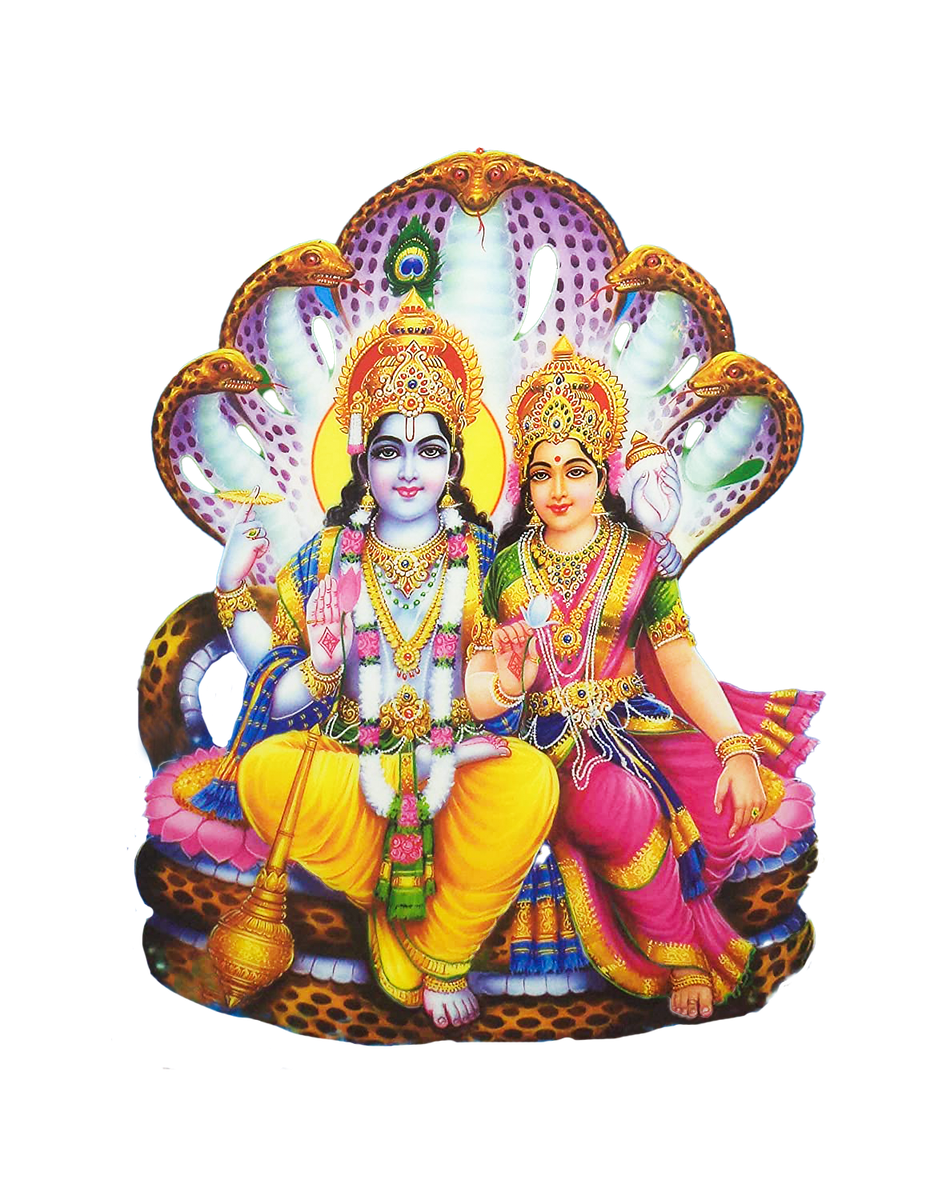
Q: Can this Chalisa be recited along with Lakshmi worship? A: Yes, Vishnu and Lakshmi are worshipped together as Lakshmi-Narayan; reciting the Vishnu Chalisa alongside the Lakshmi Chalisa or Sahastranam brings prosperity and harmony.
Q: What offerings please Vishnu the most? A: Tulsi leaves, yellow flowers, yellow sweets like besan laddoo, and simple, sattvic offerings made with devotion, as shown in the story of Sudama.
Q: Is the Vishnu Chalisa suitable for beginners in devotional practice? A: Yes, it is simple, accessible, and does not require elaborate ritual — sincere recitation with a devoted heart is what matters most.
Quick guide
Before you begin
Mantra
Vishnu mantra
Om Namo Bhagavate Vasudevaya
Chant before katha or aarti while praying for protection, dharma, and peace.
Bhav
Benefits devotees pray for
FAQ
Common questions
On which day is the Vishnu Chalisa most powerful?
Thursday and Ekadashi are especially auspicious, though it may be recited daily.
Can this be recited along with Lakshmi worship?
Yes, Vishnu and Lakshmi are worshipped together as Lakshmi-Narayan; reciting both hymns together brings prosperity and harmony.
What offerings please Vishnu the most?
Tulsi leaves, yellow flowers, and simple sattvic offerings made with devotion.
Is it suitable for beginners?
Yes, it is simple and accessible; sincere recitation with a devoted heart matters most.
Seeking Bhagwan Vishnu's blessings?
Book an authentic Vishnu or Satyanarayan Puja performed with proper vidhi for peace, protection and prosperity.