
 Pooja Ghar evam Murti Sthapana
Complete Vastu guidance on correct direction, height, material and placement of god idols and photos in the home pooja room.
The pooja room, or mandir, is considered the most sacred space within a Hindu home - the point where the household connects directly with the divine each day. Vastu Shastra offers detailed guidance on the direction, placement, height, and material of god idols and photographs so that the energy of this space remains pure, focused and conducive to devotion.
Best Direction for the Pooja Room
The north-east corner of the house, known as Ishan kon, is universally considered the most auspicious location for the pooja room, as this direction is believed to be governed by divine energy itself. If the north-east is not available, the east or north direction is the next best choice. The pooja room should ideally not be placed under a staircase, adjacent to or above a toilet, or in the bedroom directly facing the bed, as these placements are considered to compromise the sanctity of the space.
Direction the Idol Should Face
The guiding principle is that the devotee, when standing in front of the idol to pray, should naturally face east or north, the two directions considered most auspicious for worship. This means an idol kept against the west wall of the pooja room should face east, and an idol kept against the south wall should face north, so that the worshipper standing before it looks east or north respectively. Idols should never be placed facing the main door directly, and idols should not face south, since south is traditionally associated with Yama and is avoided as the deity's own facing direction.
Idol Placement and Distance from the Wall
Idols and photographs should not be placed directly touching the wall - Vastu recommends keeping a small gap, ideally using a wooden platform or shelf (chowki), so that the idol appears to be seated with a little breathing space around it. Idols also should not directly face each other in a way that they appear to be looking eye to eye at one another, particularly avoiding placing two same or conflicting deities directly opposite one another.
Correct Height of the Idol
The idol or photograph should be placed at a height where the devotee's eyes are at or slightly below the level of the deity's face when sitting or standing to pray - not too high that one must strain upward, and never placed directly on the floor. Idols on the floor are traditionally avoided as they are considered disrespectful; a raised platform, marble shelf, or a small temple-style cabinet (mandir unit) at chest-to-eye height is preferred.
Ideal Idol Size and Material
Vastu recommends that idols kept for daily worship at home should be small in size, traditionally no taller than the width of four fingers to about nine inches, as very large idols are considered more appropriate for temples than homes. Idols made of marble, brass, silver, or crystal are considered auspicious for home worship. Idols that are broken, chipped, or cracked should not be kept for daily puja - a broken idol is traditionally immersed respectfully in a river or water body and replaced with a new one, rather than continuing to be worshipped in its damaged state.
Photographs and Framed Images
When using photographs instead of idols, Vastu suggests avoiding images where the deity is shown in a fierce, wrathful, or overly dramatic pose (such as depictions of intense battle or destruction) for the daily prayer space, favouring instead calm, blessing or seated postures. Photographs of deceased ancestors, if kept, should be placed on the south wall of the house, separate from and never mixed directly among the idols of gods in the same shelf.
Deities and Their Traditional Grouping
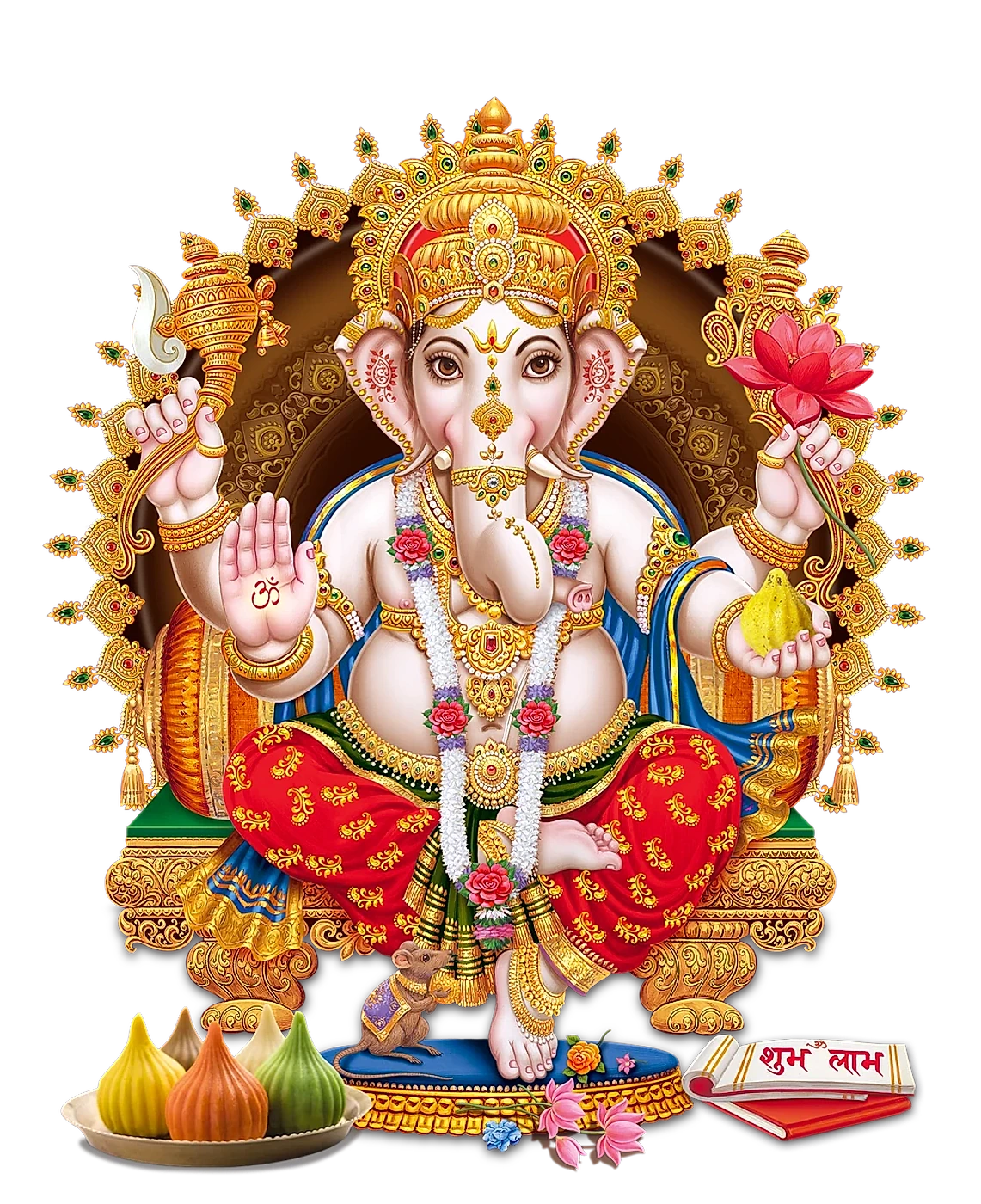
Certain combinations are traditionally avoided - for instance, three idols of the same deity together, or two Ganesha idols placed directly next to each other, are generally not recommended in home worship. A single, well-proportioned idol of each chosen deity is preferred over multiples of the same form.
What Not to Keep in the Pooja Room
The pooja room should ideally be kept free of clutter, storage of unrelated household items, old newspapers, or shoes. A pooja room is also not recommended to double as a bedroom or to be placed directly under a toilet on an upper floor, as this is considered a significant Vastu dosh. Locks should not be permanently used on the pooja room door in most traditions, as this is thought to restrict the free flow of divine energy, though a simple latch for cleanliness is fine.
Lighting the Diya and Incense
The diya (lamp) is traditionally lit facing east or in the south-east corner within the pooja room, using cotton wicks and pure ghee or sesame oil where possible. Regular lighting, incense (dhoop) and fresh flowers are considered essential to keeping the sanctity and positive energy of the space active - a pooja room that is rarely used or left dark is believed to accumulate stagnant energy over time.
When Moving Idols or Renovating
If an idol needs to be shifted during renovation, this is traditionally done with a short prayer seeking the deity's permission, and the idol is temporarily placed respectfully on a clean cloth in an elevated spot rather than left on the ground. Once renovation is complete, a simple re-establishment prayer, sometimes with the help of a pandit, is offered before resuming regular worship.
A Gentle Reminder
These Vastu guidelines for the pooja room come from tradition and are intended to support a focused, reverent atmosphere for daily worship. They are a matter of faith, meant to nurture devotion and peace of mind, not a rigid technical code - sincerity and regularity of worship matter far more than perfect adherence to every rule.
Quick guide
Before you begin
Mantra
Ganesh mantra
Om Gam Ganapataye Namah
Chant before beginning the puja, aarti, study, business, or any new work.
Bhav
Benefits devotees pray for
FAQ
Common questions
Which direction should the pooja room be in?
The north-east corner (Ishan kon) is considered the most auspicious location, followed by east or north if north-east is not available.
Which direction should the idol face?
The idol should be placed so that the worshipper, standing in front of it to pray, faces east or north - the deity's own facing direction is set accordingly.
Can idols be kept on the floor of the pooja room?
No, idols should not be placed directly on the floor. A raised platform, shelf, or mandir unit at chest-to-eye height is preferred as a sign of respect.
What should be done with a broken idol?
A broken or cracked idol is traditionally not kept for daily worship - it is respectfully immersed in a river or water body and replaced with a new one.
Set Up Your Home Mandir the Right Way
For a proper Griha Pravesh or murti sthapana puja performed with correct vidhi, let our pandits guide you through every step.