
 गृह प्रवेश द्वार वास्तु
The main door is the mouth of the house in Vastu Shastra - its direction, colour and design shape the flow of energy, prosperity and peace within the home.
In Vastu Shastra, the main door is called the "mukhya dwar" and is regarded as the mouth of the house through which energy, opportunities and blessings enter the home. Just as we breathe life through our mouth, a house is believed to draw in cosmic energy (prana) through its main entrance. This is why Vastu places such deep importance on the direction, size, design and even the colour of the main door.
Why the Main Door Matters in Vastu
The main door is the primary point of contact between the outer world and the inner sanctum of the home. A well-placed, well-proportioned main door is believed to invite positive energy, prosperity, good health and harmonious relationships, while a poorly placed or obstructed entrance can create stagnation, financial struggle or discord within the household. Vastu treats the entire plot as the body of the Vastu Purush, and the main door corresponds to the mouth - it should be welcoming, proportionate and free of obstruction.
Best Directions for the Main Door
North-facing main door: Considered highly auspicious, associated with Kubera, the deity of wealth, and believed to invite prosperity and financial growth.
East-facing main door: Associated with the rising sun and Surya Dev, considered excellent for health, vitality, knowledge and overall positivity.
North-East (Ishan) main door: Regarded as the most sacred direction, ruled by Lord Shiva and associated with spiritual growth, peace and clarity of mind.
West-facing main door: Considered good for stability, name, fame and steady growth when positioned correctly within the west wall.
South-facing main door: Traditionally considered more challenging in Vastu, but not inauspicious if properly designed with correct proportions, adequate lighting and specific remedies; many South-facing homes thrive when other Vastu elements are balanced.
Directions and Zones to Avoid
Doors placed at the extreme corners of a wall, directly facing a T-junction, a cremation ground, a large tree trunk immediately in front, or a main road cutting straight into the door are generally considered inauspicious in Vastu. A door aligned exactly opposite the back door, allowing energy to pass straight through the house without circulating, is also considered less favourable.
Ideal Design and Proportions
The main door should ideally be the largest door in the house, taller and wider than all other internal doors, symbolising it as the primary source of energy. It should open inward, in a clockwise direction, and should never creak or stick - a smooth-functioning door represents an unobstructed flow of opportunity. The threshold should be free of cracks, and the doorway should be well-lit, clean, and free of clutter, shoes piled untidily, or cobwebs, all of which are believed to block positive energy.
Best Colours for the Main Door
Colour should be chosen based on the direction the door faces. For a north-facing door, light green or blue tones align well with its ruling energies. An east-facing door benefits from white, light blue or silver shades reflecting the freshness of morning light. North-east doors are best kept in light, sattvic colours like white or pale yellow. West-facing doors do well with blue or white. South-facing doors are traditionally paired with warm tones such as maroon, dark brown or deep red rather than very light or very dark colours, to balance the Agni-associated energy of the south direction. Across all directions, avoid black as the dominant door colour, as it is considered to absorb rather than welcome energy.
Vastu Remedies for the Main Door
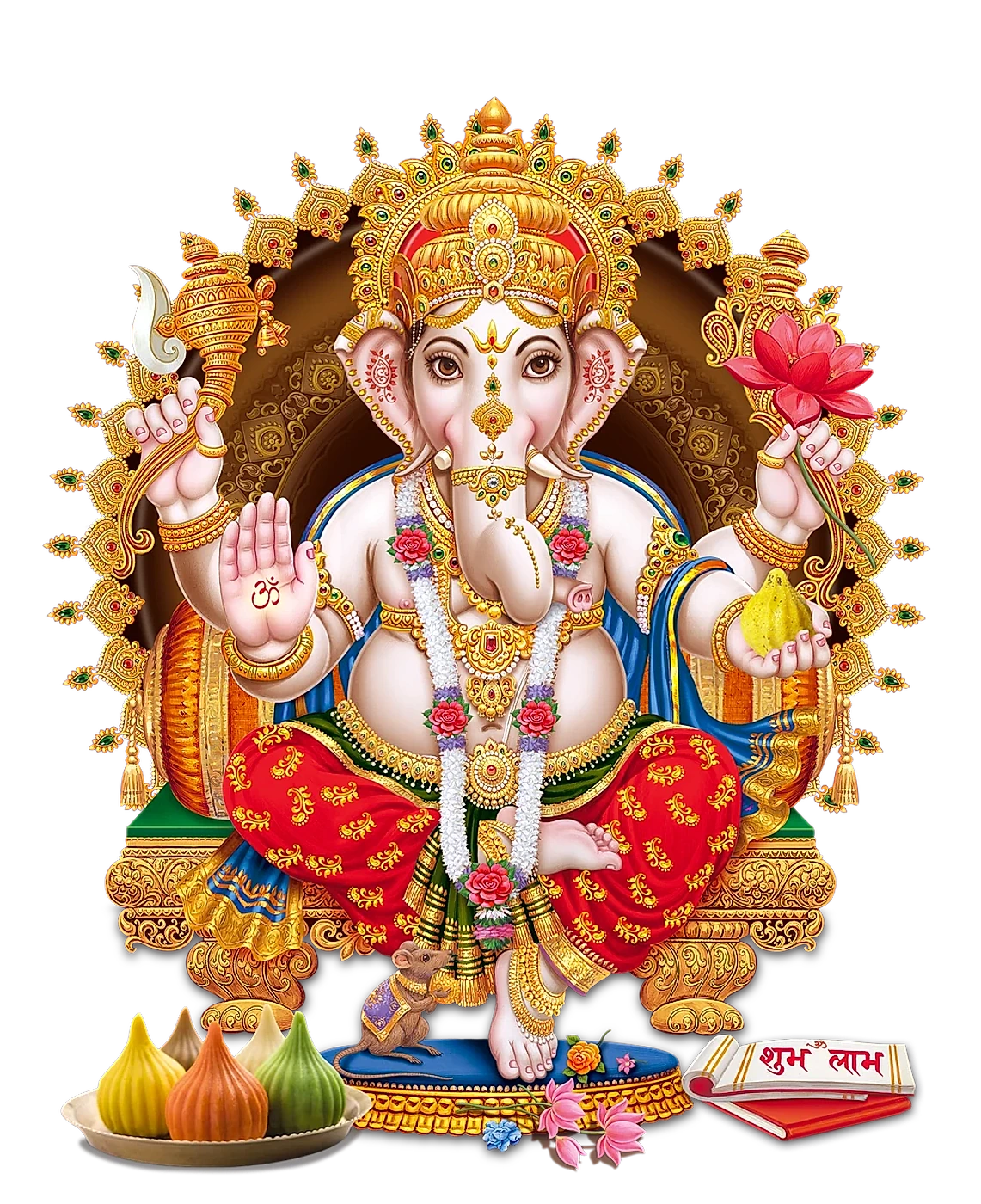
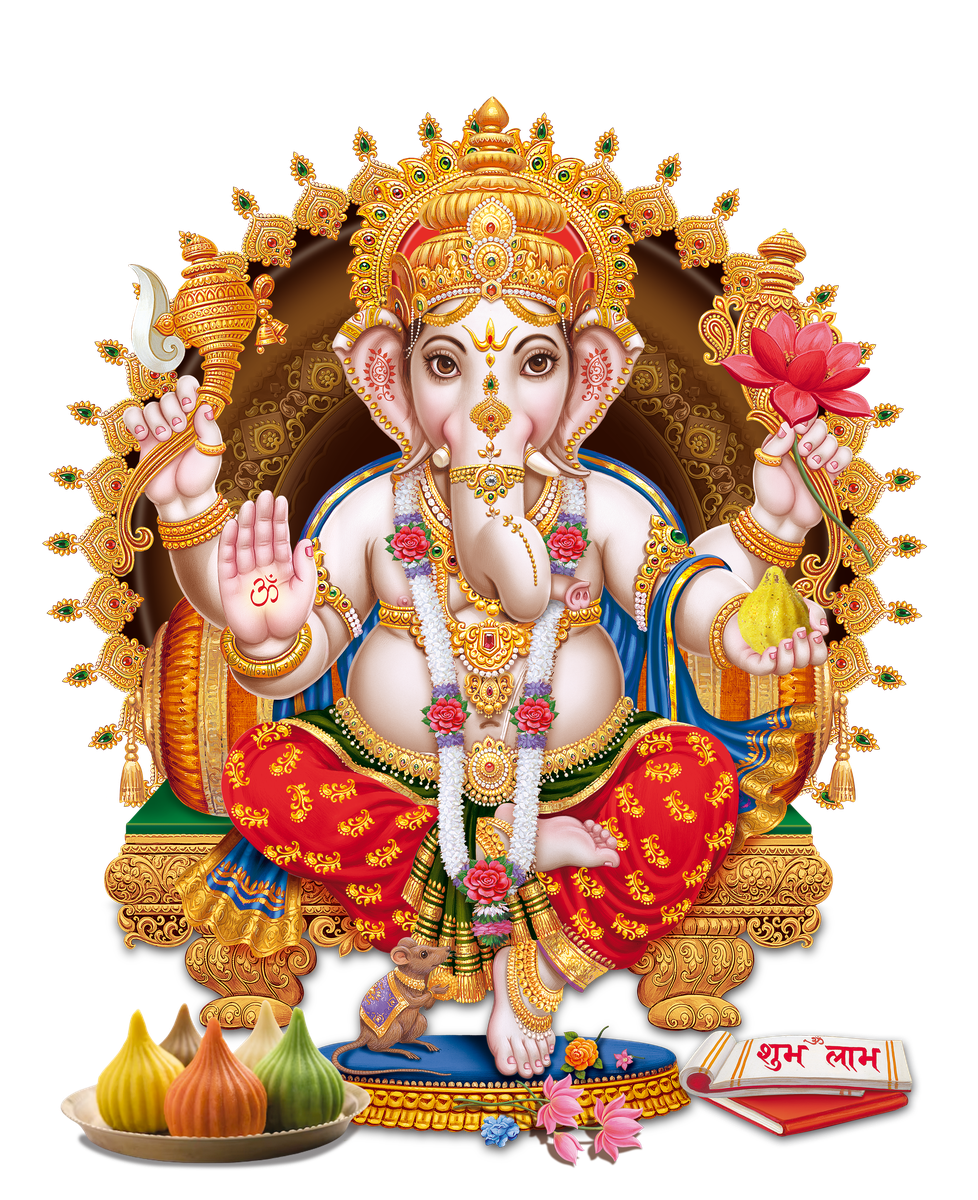
If the main door already exists in a less favourable direction and cannot be structurally altered, several remedies are traditionally followed. Placing a Ganesha idol or a Swastik symbol above or beside the door is believed to remove obstacles and invite auspiciousness. Hanging a fresh mango-leaf and marigold toran (garland) on festive days, or keeping it fresh regularly, is considered to purify the entrance. A small Tulsi plant or fresh flowering plants on either side of the door are believed to bring positive energy. Keeping the entrance well-lit with a lamp or diya lit daily at dusk is a simple and powerful remedy. Applying kumkum and haldi swastik marks near the threshold on auspicious days is also a common household practice. For structurally difficult directions, some households consult a Vastu expert for a copper or brass Vastu yantra to be placed near the entrance.
Dos and Don'ts for the Main Door
Do keep the entrance clean, well-lit and clutter-free at all times. Do ensure the door opens smoothly without any creaking sound. Do place auspicious symbols like Ganesha, Om or Swastik near the entrance. Don't place shoe racks, dustbins or broken items directly in front of or beside the main door. Don't let the main door remain broken, cracked or unpainted for long periods. Don't place a mirror directly facing the main door on the inside, as it is believed to reflect incoming positive energy back outward.
A Gentle Note
Vastu Shastra is a traditional science of harmonising living spaces with natural energies, rooted in ancient wisdom and faith. It offers guidance for creating a peaceful, positive home environment, but it is not a substitute for structural engineering advice, medical treatment, legal counsel or financial planning. Approach these principles with balance, and consult qualified professionals for any major construction or renovation decisions.
Frequently Asked Questions
Which is the most auspicious direction for the main door? North, East and North-East (Ishan) are traditionally considered the most auspicious directions for a main door, associated with wealth, health and spiritual growth respectively.
Is a South-facing main door always inauspicious? No. While traditionally considered more challenging, a South-facing door can work well with correct proportions, adequate lighting, warm colour tones and simple remedies like a Ganesha idol or regular diya.
What colour should I avoid for my main door? Black as a dominant colour is generally avoided across all directions, as it is believed to absorb rather than welcome positive energy.
Can I fix Vastu issues without breaking the wall or changing the door? Yes, many minor Vastu concerns can be addressed with remedies such as a Ganesha idol, Swastik symbol, fresh toran, a lit diya at dusk, and keeping the entrance clean and clutter-free, without any structural changes.
Quick guide
Before you begin
Mantra
Ganesh mantra
Om Gam Ganapataye Namah
Chant before beginning the puja, aarti, study, business, or any new work.
Bhav
Benefits devotees pray for
FAQ
Common questions
Which is the most auspicious direction for the main door?
North, East and North-East (Ishan) are traditionally considered the most auspicious directions, associated with wealth, health and spiritual growth respectively.
Is a South-facing main door always inauspicious?
No. While traditionally considered more challenging, a South-facing door can work well with correct proportions, adequate lighting, warm colour tones and simple remedies.
What colour should I avoid for my main door?
Black as a dominant colour is generally avoided across all directions, as it is believed to absorb rather than welcome positive energy.
Can I fix Vastu issues without breaking the wall or changing the door?
Yes, many minor Vastu concerns can be addressed with remedies such as a Ganesha idol, Swastik symbol, fresh toran and a lit diya, without any structural changes.
Invite Positive Energy Into Your Home
Perform a dedicated Vastu Dosh Nivaran puja to harmonise your home's energies with divine blessings.