


 वैशाख कृष्ण एकादशी
The story of the ascetic Mandhata, mauled by a bear yet saved by Vishnu's grace through this vrat, shows how Varuthini Ekadashi protects and grants merit equal to great tapasya.
What Is Varuthini Ekadashi
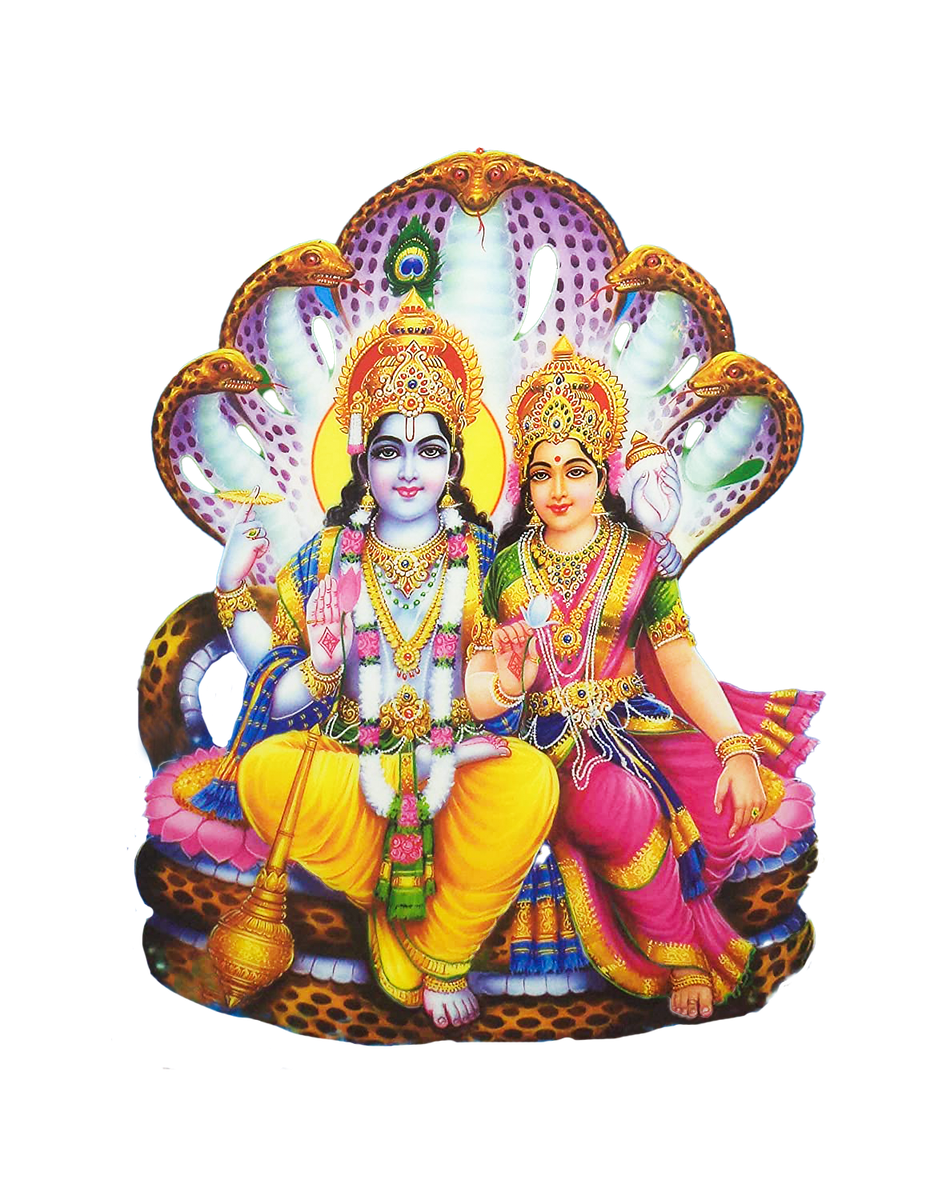
Varuthini Ekadashi falls on the eleventh day (ekadashi tithi) of the waning moon fortnight (Krishna Paksha) in the month of Vaishakh, shortly before the great festival of Akshaya Tritiya. It is dedicated to Bhagwan Vishnu in his Varaha (boar) incarnation, and is described in the Puranas as granting protection, prosperity and merit equal to performing the punya of donating a thousand cows in charity.
The word varuthini itself suggests protection and shelter, and the katha associated with this Ekadashi, narrated by Bhagwan Krishna to King Yudhishthira in the Mahabharata, illustrates precisely this: the vrat's power to shelter and protect a sincere devotee even in the midst of grave physical danger.
The Vrat Katha: The Ascetic Mandhata's Story
In ancient times there lived a virtuous king named Mandhata who, in his later years, renounced his kingdom and retired to the forest to perform deep austerities (tapasya) on the banks of the Narmada river, seeking spiritual liberation through penance.
One day, as Mandhata sat absorbed in meditation, a large, ferocious bear suddenly attacked him, seizing his leg in its powerful jaws and beginning to drag him away and devour him alive. The pain was excruciating, yet Mandhata, deep in his meditative resolve and unwilling to break his tapasya even in agony, did not cry out for ordinary help. Instead, with unwavering faith, he called out to Bhagwan Vishnu, praying fervently for protection and surrendering himself completely to the Lord's will, ready even to give up his body rather than abandon his devotion.
Bhagwan Vishnu, moved by his devotee's steadfast faith even in the jaws of death, appeared instantly, wielding his divine Sudarshan Chakra, and drove the bear away, saving Mandhata's life. However, the bear had already grievously mauled his leg, leaving him crippled and in constant pain, unable to continue his tapasya as before.
Distressed at being unable to complete his austerities in his now-disabled state, Mandhata prayed to Vishnu for guidance. Bhagwan Vishnu, compassionate to his devotee's plight, told him about the vrat of Varuthini Ekadashi, explaining that it fell in the Krishna Paksha of Vaishakh and was extremely dear to him. He told Mandhata that observing this one fast with sincere devotion would grant him merit equal to the tapasya of many lifetimes, and would restore both his physical wellbeing and his spiritual progress toward liberation.
Mandhata, filled with gratitude, observed the Varuthini Ekadashi vrat exactly as Vishnu instructed, fasting with full faith, worshipping the Lord in his Varaha form. Through the boundless grace of this vrat, his body was healed, his suffering ended, and he attained both worldly wellbeing and, in time, liberation, all through the power of this single Ekadashi observed with true devotion.
Puja Vidhi (How to Observe the Vrat)
The vrat begins a day earlier, on Dashami, with a single simple meal and abstention from certain foods to prepare for the fast.
On Ekadashi morning, devotees bathe early, take the sankalp of the vrat, and worship Bhagwan Vishnu in his Varaha (boar) incarnation, offering diya, incense, tulsi leaves, yellow flowers and fruits. The story of King Mandhata is recited or listened to, and the mantra Om Namo Bhagwate Vasudevaya is chanted through the day.
The fast may be kept as nirjal or phalahar according to one's capacity, and the night is spent in jagran, singing bhajans in praise of Vishnu. The fast is broken the next morning, Dwadashi, after feeding Brahmins or the needy.
Significance and Benefits
Varuthini Ekadashi is believed to offer protection from danger and untimely death, grant merit equal to great tapasya or the donation of a thousand cows, and bring both material prosperity and spiritual progress. It is especially observed by those seeking Vishnu's shelter and protection during difficult or dangerous circumstances in life.
Frequently Asked Questions
What is the story behind Varuthini Ekadashi. Ascetic King Mandhata was attacked by a bear during his tapasya and, though grievously injured, called out to Vishnu instead of abandoning his faith. Vishnu saved him and later taught him this vrat to heal his body and complete his spiritual journey.
Which incarnation of Vishnu is worshipped on this Ekadashi. Bhagwan Vishnu in his Varaha (boar) avatar is worshipped on Varuthini Ekadashi.
What merit does this vrat grant. It is said to grant merit equal to donating a thousand cows in charity or performing many lifetimes of tapasya.
When is Varuthini Ekadashi observed. It falls on the ekadashi tithi of Krishna Paksha in the month of Vaishakh, just before Akshaya Tritiya.
Quick guide
Before you begin
Mantra
Vishnu mantra
Om Namo Bhagavate Vasudevaya
Chant before katha or aarti while praying for protection, dharma, and peace.
Bhav
Benefits devotees pray for
FAQ
Common questions
What is the story behind Varuthini Ekadashi?
Ascetic King Mandhata was mauled by a bear during tapasya but kept his faith and called out to Vishnu, who saved him and later taught him this vrat to heal his body and spirit.
Which Vishnu incarnation is worshipped on this Ekadashi?
Bhagwan Vishnu's Varaha (boar) avatar is worshipped on Varuthini Ekadashi.
What merit does this vrat grant?
It is said to equal the merit of donating a thousand cows or performing many lifetimes of tapasya.
When is Varuthini Ekadashi observed?
On the ekadashi tithi of Krishna Paksha in Vaishakh, just before Akshaya Tritiya.
Seek Vishnu's Protection This Ekadashi
Let our pandits perform a Vishnu puja on your behalf for protection, prosperity and peace of mind.