



 या दृष्ट्वा हरते पापं
Tulsi, the holy basil, is worshipped as a living goddess in Hindu homes across India, revered as an incarnation of Vrinda and dear to Lord Vishnu, believed to purify the home and bring health and prosperity.
Few plants occupy as sacred a place in Hindu life as Tulsi, the holy basil. Found in the courtyard of nearly every traditional Hindu home, often raised on a special pedestal called a Tulsi Vrindavan or Tulsi Chaura, Tulsi is not regarded merely as a medicinal herb but as a living goddess, worshipped daily with water, a diya, and words of reverence.
The legend of Vrinda
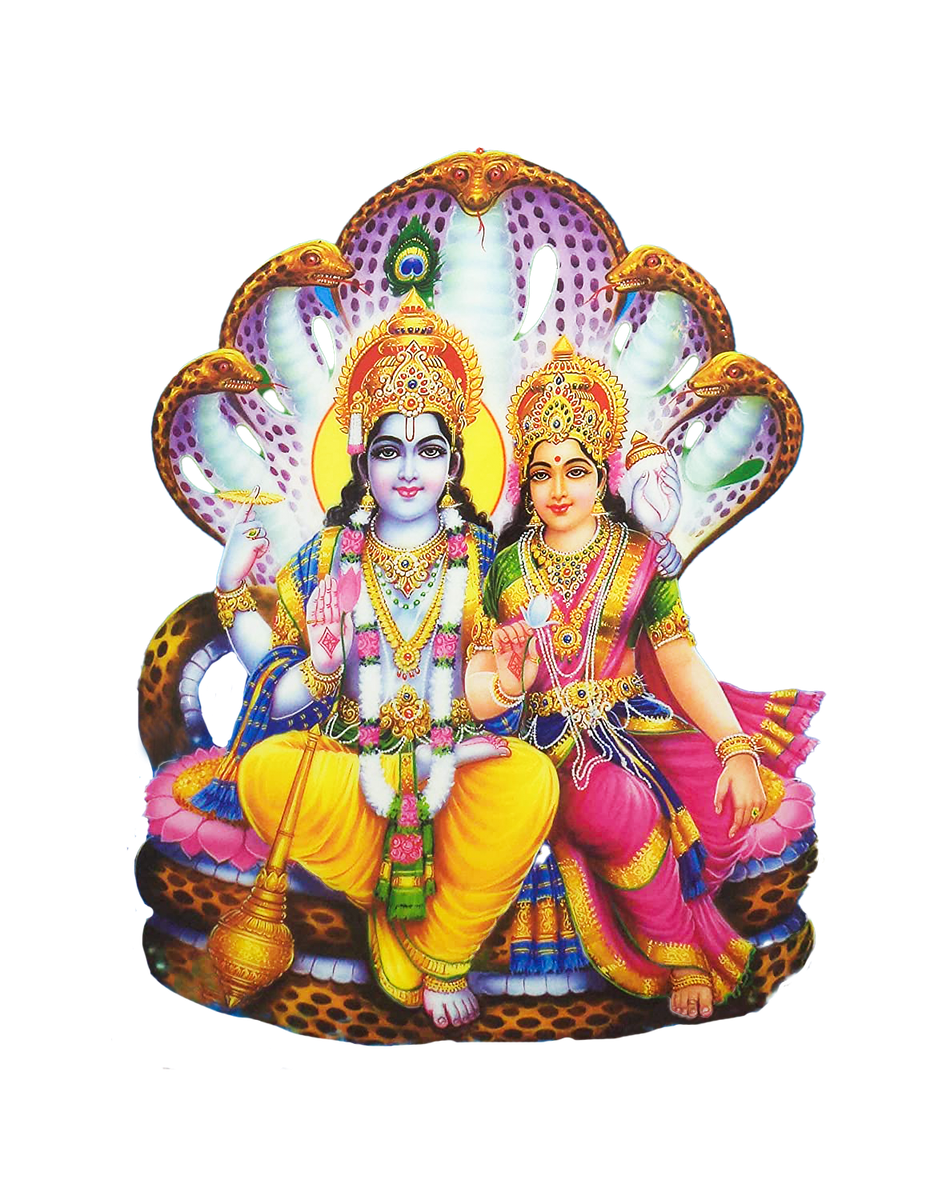
The most widely known legend behind Tulsi's sanctity is the story of Vrinda, a supremely devoted and chaste wife of the asura king Jalandhar. Because of her unwavering chastity and devotion, Jalandhar could not be defeated in battle, since her virtue protected him. To end the tyranny of Jalandhar, Lord Vishnu took the form of her husband and, through this deception, broke Vrinda's chastity, which in turn led to Jalandhar's defeat and death. On learning of the deception, the grief-stricken and furious Vrinda cursed Vishnu to turn to stone, which he accepted, becoming the Shaligram. Vrinda then gave up her own life, and from her ashes grew the Tulsi plant. Moved by her devotion and the injustice of the events, Vishnu blessed her, declaring that he would forever remain by her side in the form of the Shaligram stone, and that Tulsi would become the most cherished of all offerings to him, without which his worship would remain incomplete.
This is why in Vaishnav households, no puja to Vishnu, Krishna, or any of his avatars is considered complete without offering Tulsi leaves, and why the Shaligram and Tulsi are often kept and worshipped together, symbolising this eternal union.
Tulsi Vivah
This sacred bond is also formally celebrated each year during Tulsi Vivah, held on Prabodhini Ekadashi (the eleventh day of the bright fortnight of Kartik month), when the ceremonial marriage of Tulsi to Lord Vishnu (often in his form as Shaligram or Krishna) is performed with the same rituals as a human wedding, marking the beginning of the auspicious wedding season in North India.
Daily worship of Tulsi
In most Hindu homes, especially among women, the day begins with watering the Tulsi plant and offering it a lit diya at dusk, along with a simple prayer of reverence. Sundays and Ekadashi are traditionally observed as days when Tulsi leaves should not be plucked, as the plant is believed to observe a fast on these days, along with certain other days such as during a solar or lunar eclipse. Leaves for worship or for use in prasad are typically gathered a day in advance for these days.
Health and household significance
Beyond its spiritual role, Tulsi has long been valued in Ayurveda for its medicinal properties, believed to purify the air around the home, ward off insects, and support respiratory and digestive health when consumed as tea or chewed fresh. This is one reason it was traditionally planted at the very centre of the household courtyard, believed to keep the air of the entire home pure and to bring positive energy into the household. This is a matter of tradition and Ayurvedic belief, and any specific health concern should always be discussed with a qualified medical professional.
Conclusion
Whether seen through the lens of legend, of devotion to Vishnu, or of household well-being, Tulsi holds a place in Hindu life unlike any other plant — at once a goddess, a beloved of the divine, and a quiet daily reminder of purity and devotion in the heart of the home.
Quick guide
Before you begin
Mantra
Tulsi Mata mantra
Om Tulasyai Namah
Chant near the Tulsi plant with a lamp, water offering, and sincere devotion.
Bhav
Benefits devotees pray for
FAQ
Common questions
Why is Tulsi considered so sacred in Hinduism?
Tulsi is believed to be the earthly form of Vrinda, whose devotion and sacrifice led Lord Vishnu to bless her as his most cherished offering, so no Vishnu puja is considered complete without Tulsi leaves.
Why should Tulsi leaves not be plucked on Sundays or Ekadashi?
Tradition holds that the Tulsi plant observes a fast on these days, along with eclipse days, so leaves needed for puja or prasad on those days are gathered in advance.
What is Tulsi Vivah?
Tulsi Vivah is the annual ceremonial wedding of Tulsi to Lord Vishnu, performed on Prabodhini Ekadashi in Kartik month, marking the start of the auspicious wedding season.
Is it true Tulsi has health benefits?
Ayurvedic tradition regards Tulsi as beneficial for respiratory and digestive wellness and for purifying the surrounding air; this is a matter of tradition and belief, not a substitute for professional medical advice.
Seek Vishnu's Blessings
Offer devotion to Lord Vishnu with a puja performed on your behalf with complete vidhi-vidhan.