 Srishti, Sthiti, Samhara
Understand the Trimurti of Brahma, Vishnu and Mahesh, the three divine forces of Sanatan Dharma responsible for creation, preservation and dissolution of the universe.
In Sanatan Dharma, the cosmos is understood to function through three great divine forces, together known as the Trimurti - the "three forms" of the Supreme Being. These are Brahma, the creator; Vishnu, the preserver; and Mahesh (Shiva), the destroyer or transformer. Rather than three separate or competing gods, the Trimurti represents three essential functions of a single cosmic order: creation, sustenance and dissolution, an eternal cycle that governs everything from the birth of galaxies to the changing of seasons to the arc of a single human life.
Brahma: The Creator
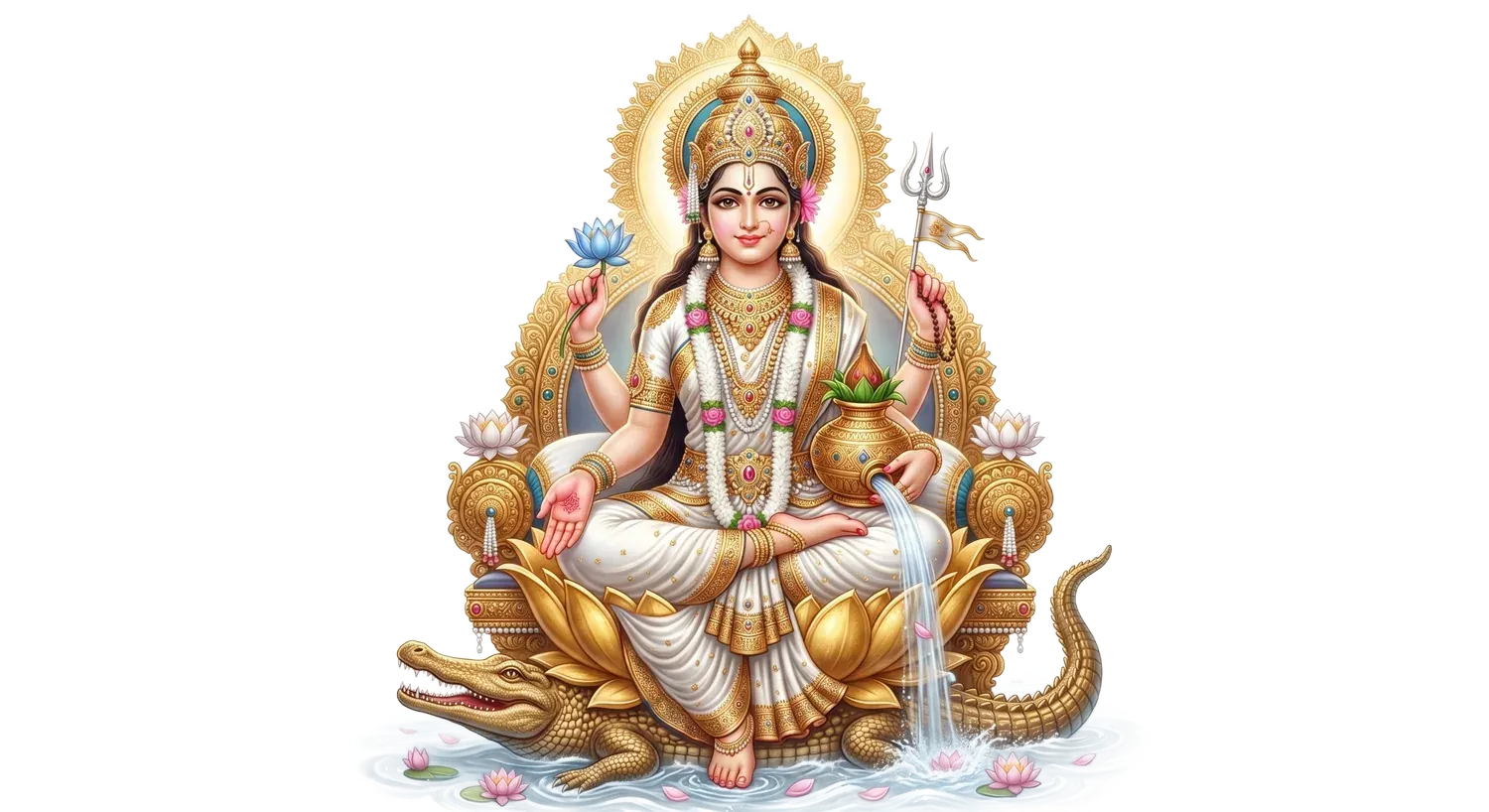
Brahma is the deity of creation, said to have brought forth the universe, the Vedas and all living beings. He is depicted with four heads, representing the four Vedas and the four directions, and is often shown seated on a lotus that emerges from Lord Vishnu's navel, symbolizing that creation itself arises from the preserving, sustaining energy of the cosmos. His consort is Goddess Saraswati, the goddess of knowledge, wisdom and the arts, reflecting that creation is inseparable from knowledge.
Despite being one of the three supreme deities, Brahma is rarely worshipped in dedicated temples today. The most famous exception is the Brahma Temple at Pushkar in Rajasthan, one of the very few temples in India dedicated solely to him. Various puranic stories explain this rarity of worship - most point to a curse or a lesson about the completion of his creative role, after which his active worship diminished while Vishnu and Shiva became the primary focus of ongoing devotion, temple rituals and daily puja across the subcontinent.
Vishnu: The Preserver
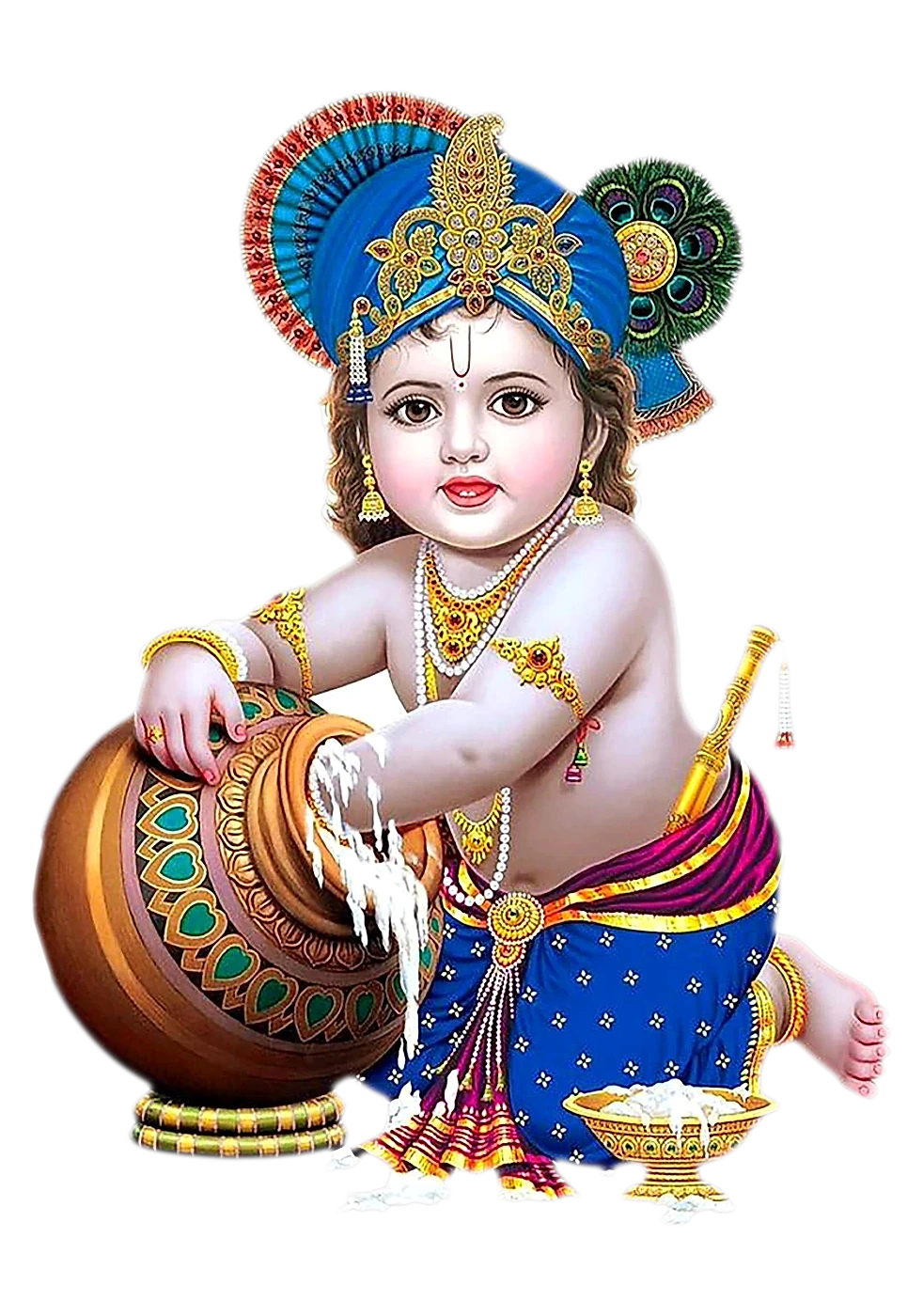
Vishnu is the sustainer of the universe, the deity who maintains cosmic and moral order (dharma). Whenever the world tips dangerously toward chaos or adharma, Vishnu is believed to descend in an avatar to restore balance - his most celebrated incarnations being Rama and Krishna, alongside Varaha, Narasimha, Vamana, Parashurama, Buddha and the future Kalki. He is depicted with four arms holding a conch (shankha), discus (chakra), mace (gada) and lotus (padma), reclining on the serpent Shesha in the cosmic ocean, with his consort Goddess Lakshmi at his feet.
Vishnu is one of the most widely worshipped deities in Hinduism, with major temples such as Tirupati Balaji, Badrinath, Jagannath Puri and countless Vaishnava shrines across India devoted to his various forms.
Mahesh (Shiva): The Destroyer and Transformer
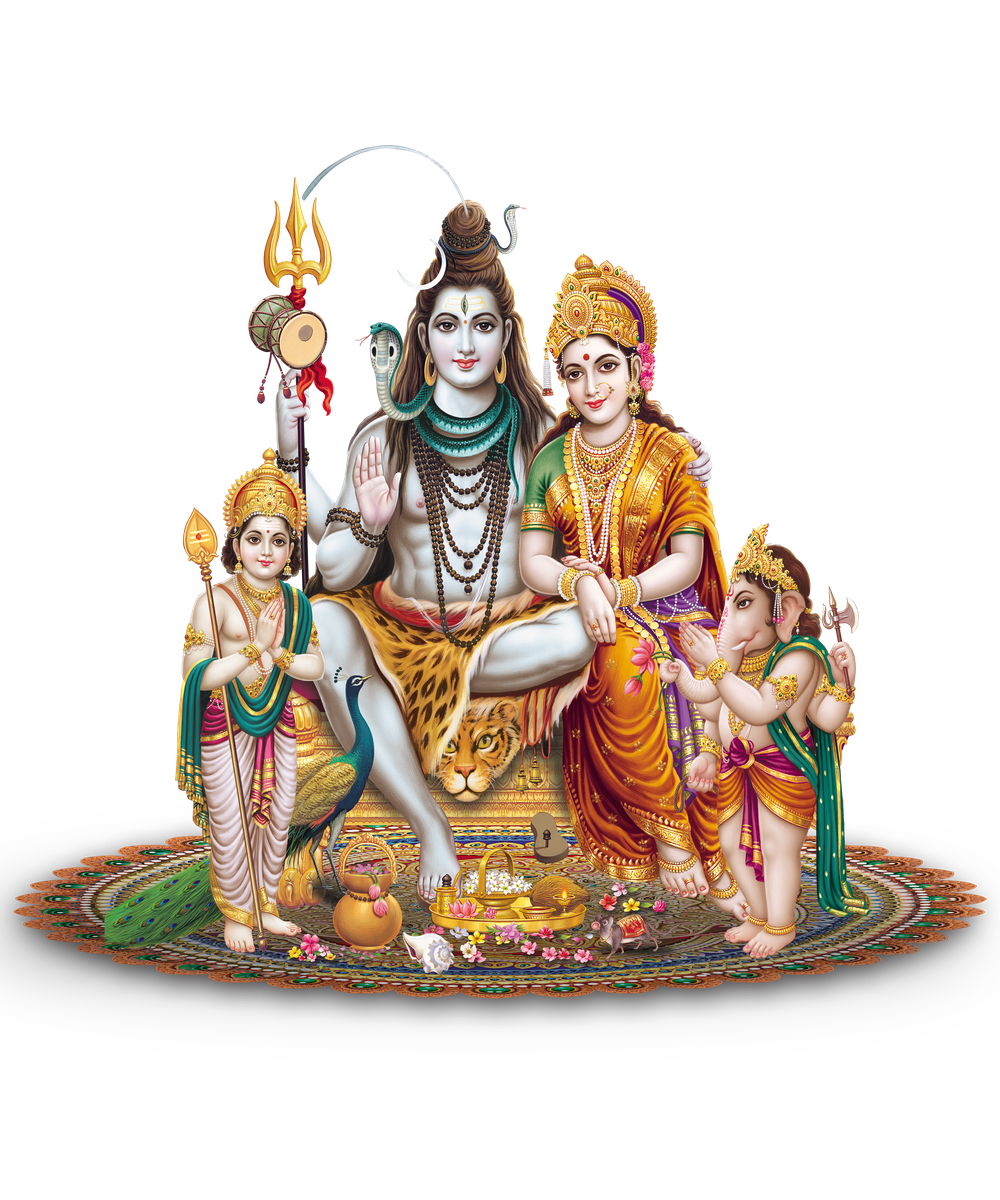
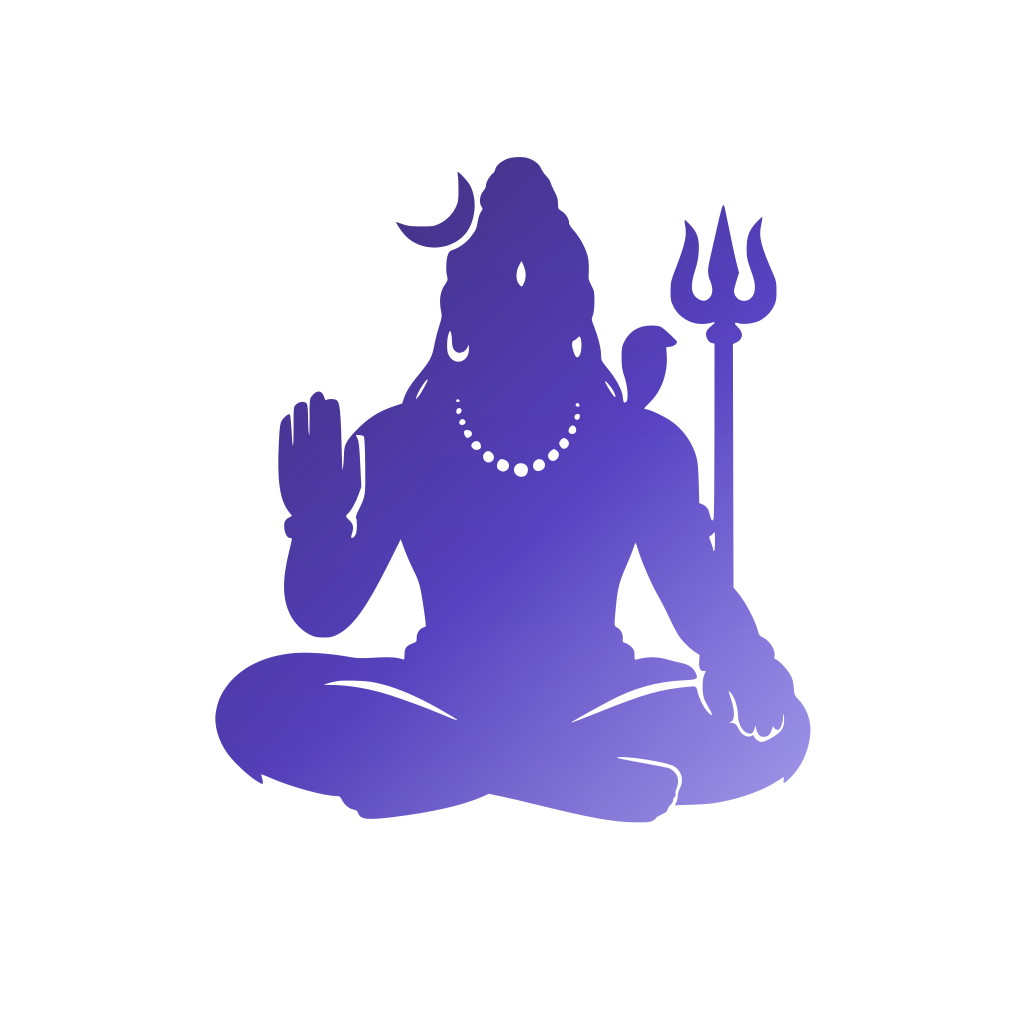
Mahesh, more commonly known as Shiva, represents the force of dissolution - not destruction for its own sake, but the necessary clearing away of what is old, stagnant or completed, so that new creation can begin. He is the great ascetic, meditating atop Mount Kailash, adorned with a crescent moon, a serpent around his neck, and the sacred Ganga flowing from his matted locks. His consort is Goddess Parvati, and together with their sons Ganesh and Kartikeya, they represent the ideal cosmic family.
Shiva is worshipped throughout India in the form of the Shivling in the twelve Jyotirlingas - including Kashi Vishwanath, Somnath, Mahakaleshwar and Kedarnath - as well as in countless village and household shrines. His dance, the Tandava, symbolizes the eternal rhythm of creation and destruction that keeps the universe in motion.
Why Three Deities, Not One?
A common question devotees ask is why Sanatan Dharma speaks of three deities instead of one supreme God. The philosophical answer found in the Vedanta and puranic traditions is that Brahman, the ultimate formless reality, is one and undivided - the Trimurti represents three functional aspects of that single divine consciousness, much as a single person may be a parent, a worker and a friend simultaneously without being three different people. Creation, preservation and dissolution are not separate from each other but are phases of one continuous, eternal cycle, and Brahma, Vishnu and Mahesh are the accessible, worshippable forms through which devotees can relate to that vast, formless truth.
The Cycle of Srishti, Sthiti and Samhara
This threefold cycle - srishti (creation), sthiti (preservation) and samhara (dissolution) - is visible not only at the cosmic scale but in everyday life. A new idea is born (creation), it is nurtured and grows (preservation), and eventually it must end or transform to make way for something new (dissolution). Understanding the Trimurti helps devotees see that endings are not to be feared, but honored as a necessary part of the same sacred cycle that also brings new beginnings.
Worship and Significance Today
While temples dedicated jointly to all three deities are rare, some notable ones exist, such as certain Trimurti shrines depicting the three heads or forms together, symbolizing their unity. Most devotees instead worship Vishnu and Shiva as their primary ishta devata (chosen deity), while honoring Brahma's role as creator through reverence for Goddess Saraswati, knowledge and the Vedas, which remain deeply woven into daily ritual and education.
Frequently Asked Questions
Why is Lord Brahma not worshipped as widely as Vishnu and Shiva? Various puranic legends describe a curse or a symbolic understanding that his creative role, once fulfilled, does not require ongoing ritual worship the way sustaining and transforming forces do. His most famous temple is at Pushkar, Rajasthan.
Are Brahma, Vishnu and Mahesh considered equal in power? Yes, in Sanatan Dharma philosophy they are understood as equal aspects of the one supreme, formless Brahman, simply representing different cosmic functions rather than a hierarchy of power.
Is the Trimurti the same as the Hindu Trinity mentioned in Western comparisons? The term "Hindu Trinity" is sometimes used by Western scholars for easy comparison, but the Trimurti concept is distinct - it represents functional aspects of one divine reality rather than three separate persons of one godhead.
Can a devotee worship all three equally? Absolutely. Many households and temples honor all three, along with the divine feminine (Shakti), recognizing that creation, preservation and transformation are all essential and worthy of reverence.
Quick guide
Before you begin
Mantra
Vishnu mantra
Om Namo Bhagavate Vasudevaya
Chant before katha or aarti while praying for protection, dharma, and peace.
Bhav
Benefits devotees pray for
FAQ
Common questions
Why is Lord Brahma not worshipped as widely as Vishnu and Shiva?
Puranic legends describe a curse or symbolic understanding that his creative role, once fulfilled, needs less ongoing ritual worship. His famous temple is at Pushkar, Rajasthan.
Are Brahma, Vishnu and Mahesh equal in power?
Yes, they are understood as equal aspects of the one supreme, formless Brahman, representing different cosmic functions.
Is the Trimurti the same as the Western 'Hindu Trinity'?
The term is used for easy comparison, but Trimurti represents functional aspects of one divine reality, not three separate persons.
Can a devotee worship all three equally?
Yes, many households and temples honor all three along with the divine feminine, recognizing all functions as essential.
Explore More Sacred Wisdom
Book a puja dedicated to Brahma, Vishnu or Mahesh, or explore more sacred texts and deity guides.