

 अग्निमीळे पुरोहितं यज्ञस्य देवमृत्विजम्
Yagna and havan are sacred Vedic fire rituals that purify the environment, invoke divine blessings and connect the devotee to the cosmic order.
Among the oldest and most sacred practices in Sanatan Dharma is the tradition of Yagna and Havan, the ritual offering of oblations into a consecrated fire. Rooted in the Vedas, these fire ceremonies form the very foundation of Vedic worship and continue to be performed today at weddings, housewarmings, festivals and daily household worship across India.
What Is Yagna
The word Yagna comes from the Sanskrit root yaj, meaning to worship, to offer, or to sacrifice with devotion. A Yagna is a structured Vedic ritual in which offerings, typically ghee, grains, herbs and sacred wood, are offered into a consecrated fire while Vedic mantras are chanted, invoking specific deities and cosmic forces. The Rigveda itself opens with a hymn to Agni, the fire god, describing him as the divine priest who carries offerings from the human realm to the celestial realm.
Yagnas range from the simple daily household fire offering to elaborate, multi-day community Yagnas such as the Ashwamedha and Rajasuya described in ancient texts, performed for the welfare of an entire kingdom. Regardless of scale, the underlying purpose remains the same: to purify the atmosphere, invoke divine grace, and align human life with cosmic and dharmic order, known as Rita.
What Is Havan
Havan, sometimes called Homa, refers more specifically to the fire ritual itself, the actual act of offering substances into the sacred fire. In common usage, Havan and Yagna are often used interchangeably, though technically Havan can be understood as a smaller-scale or simpler version of a Yagna, commonly performed at home, in a temple, or as part of a larger ceremony such as a wedding, naming ceremony or housewarming.
The Symbolism and Role of Agni
In Vedic thought, Agni, the fire deity, occupies a central role as the divine messenger between humans and the gods. When offerings are placed into the fire while chanting mantras, it is believed that Agni carries these offerings, along with the devotee's prayers and intentions, directly to the deities being invoked. This is why the fire in a Yagna is treated with the utmost reverence, consecrated with specific rituals before any offerings are made.
The act of offering into fire also carries deep symbolism of surrender and transformation. Just as the fire transforms solid offerings into subtle smoke that rises upward, the ritual represents the devotee's own ego, desires and impurities being offered up and transformed into something higher and purer.
How Yagna and Havan Are Performed
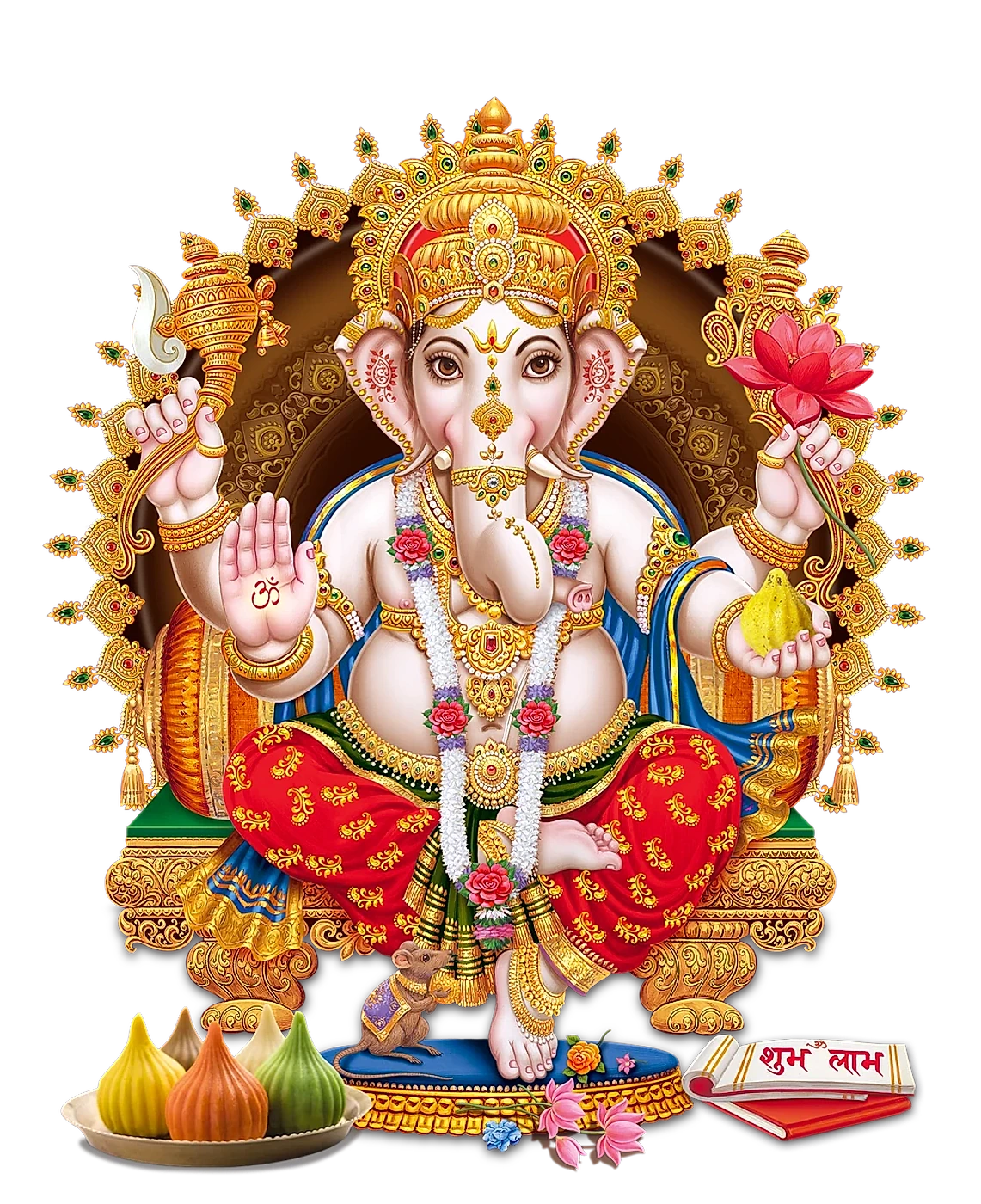
A Yagna typically begins with the preparation of a Kund, a specially constructed fire pit, often square or another sacred geometric shape, which is purified and consecrated. The presiding priest, or purohit, invokes Ganesha for auspicious beginnings, followed by invocations to Agni and the specific deities relevant to the purpose of the Yagna.
Offerings called Ahuti are then made into the fire, typically consisting of ghee, til (sesame seeds), rice, barley, herbs, and sacred wood such as mango or peepal, accompanied by the chanting of mantras ending in the word Swaha, meaning the offering is made with full sincerity and surrender. Common mantras include the Gayatri Mantra, Mahamrityunjaya Mantra, and specific beej mantras depending on the deity being honoured.
The number of Ahutis offered often follows sacred numerology, such as 108 or multiples thereof, and the ritual concludes with a Purnahuti, the final, complete offering, followed by aarti and the distribution of prasad among participants.
Types and Occasions for Yagna and Havan
Havans are performed for numerous purposes across the Hindu tradition. Griha Pravesh Havan is performed when entering a new home, seeking blessings for peace and prosperity. Vivah Havan forms the central ritual of a Hindu wedding, sanctifying the union before Agni as witness. Navratri Havan is performed at the culmination of Navratri to conclude the nine days of worship. Rudra Yagna and Maha Mrityunjaya Havan are performed for health, protection and overcoming difficult obstacles or planetary afflictions. Ayushya Havan and Namkaran ceremonies invoke blessings for a newborn's health and long life.
Spiritual and Practical Benefits
Beyond their deep spiritual significance, Yagna and Havan are also believed to carry tangible environmental and physical benefits. The burning of ghee, herbs and specific sacred woods is said to purify the surrounding air, and many of the herbs traditionally used in Havan samagri, such as camphor, sandalwood and various medicinal herbs, are known to have antiseptic and air-purifying properties when burned.
Spiritually, participating in or witnessing a Yagna is believed to cultivate a sense of gratitude, discipline and connection to the divine. The rhythmic chanting of mantras combined with the visual and sensory experience of the sacred fire is considered deeply calming and centering, helping practitioners feel a renewed sense of purpose and peace.
Why Yagna and Havan Remain Central to Hindu Worship
From ancient Vedic times to modern households, the tradition of Yagna and Havan endures because it embodies the essence of Sanatan Dharma: the understanding that the material and spiritual worlds are deeply connected, and that sincere offerings made with devotion can align human life with divine grace. Whether performed as an elaborate community ceremony or a simple daily household ritual, Yagna and Havan continue to be among the most sacred and meaningful expressions of Hindu worship.
Quick guide
Before you begin
Mantra
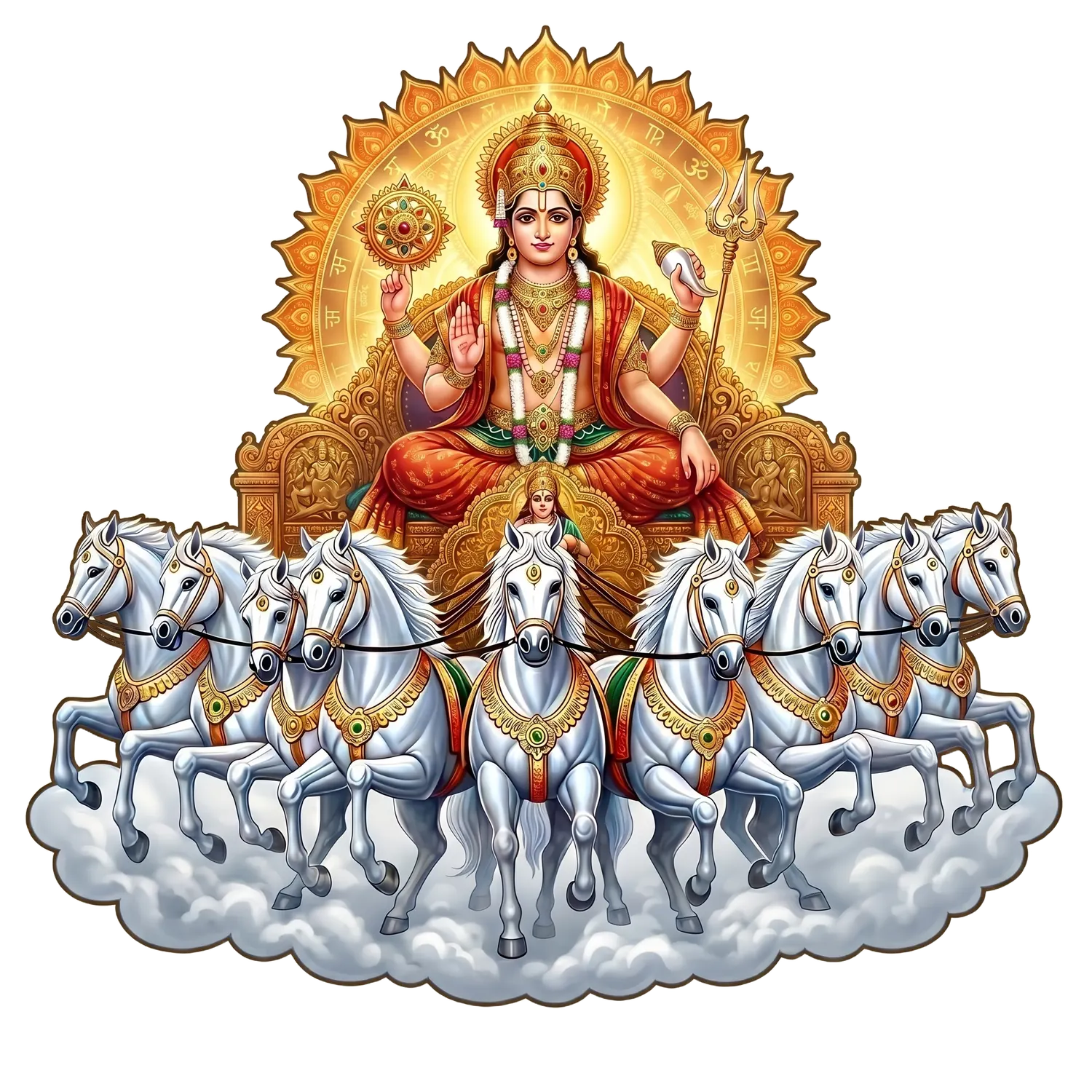
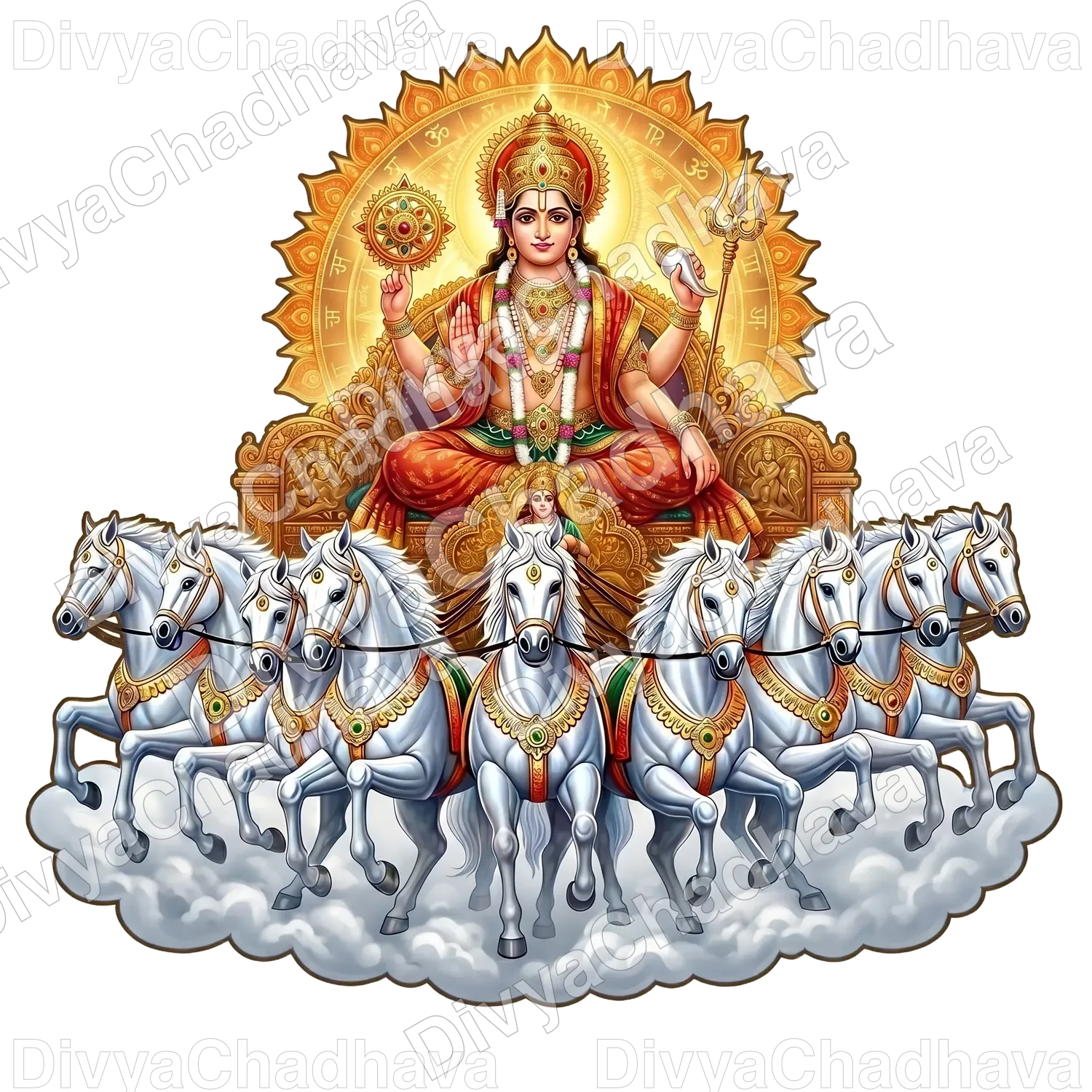
Surya mantra
Om Ghrinih Suryaya Namah
Chant at sunrise or during Surya arghya for energy, clarity, and discipline.
Bhav
Benefits devotees pray for
FAQ
Common questions
What is the difference between Yagna and Havan?
Yagna is the broader Vedic ritual tradition of fire worship, which can be elaborate and multi-day, while Havan usually refers to the specific act or smaller-scale ceremony of offering into the sacred fire, often as part of a larger occasion.
What does Swaha mean in Havan mantras?
Swaha is a sacred exclamation chanted at the end of each mantra while making an offering, signifying that the offering is made with complete sincerity, faith and surrender to the deity being invoked.
Are there scientific benefits of performing Havan?
Many of the herbs and substances traditionally burned in Havan, such as camphor, sandalwood and medicinal herbs, are believed to have air-purifying and antiseptic properties, in addition to the ritual's spiritual significance.
Who can perform a Havan at home?
A simple Havan can be performed by any devotee with proper guidance, sacred materials and mantras, though for elaborate or occasion-specific Yagnas, it is customary to invite a qualified priest to conduct the ritual correctly.
Book an Authentic Yagna or Havan
Invite divine blessings into your home and life with a Vedic fire ritual performed by experienced pandits.