 पांचजन्य शंख महिमा
The conch shell, or Shankh, held by Lord Vishnu is one of Hinduism's most revered symbols, blowing sound believed to purify the atmosphere and destroy negativity.
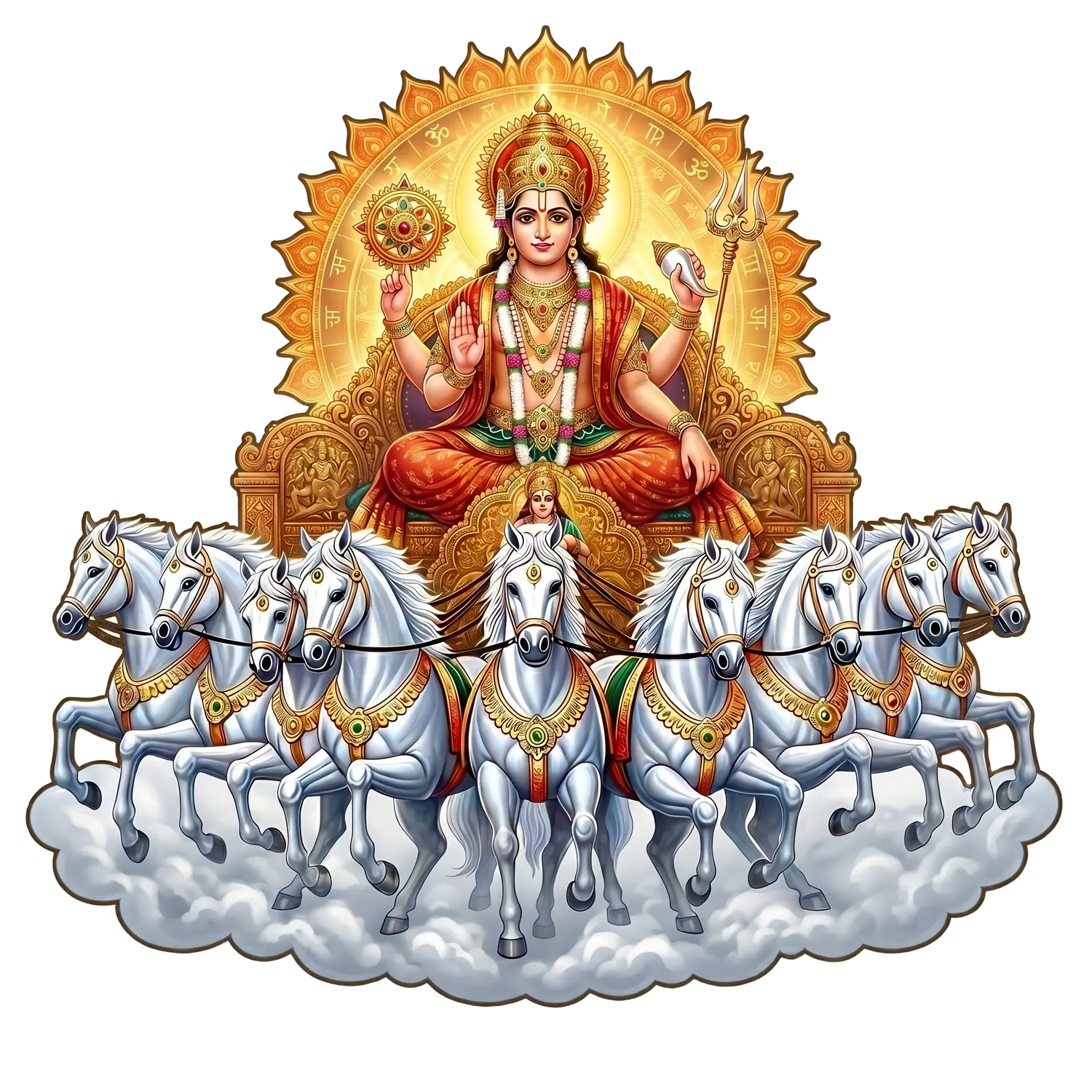
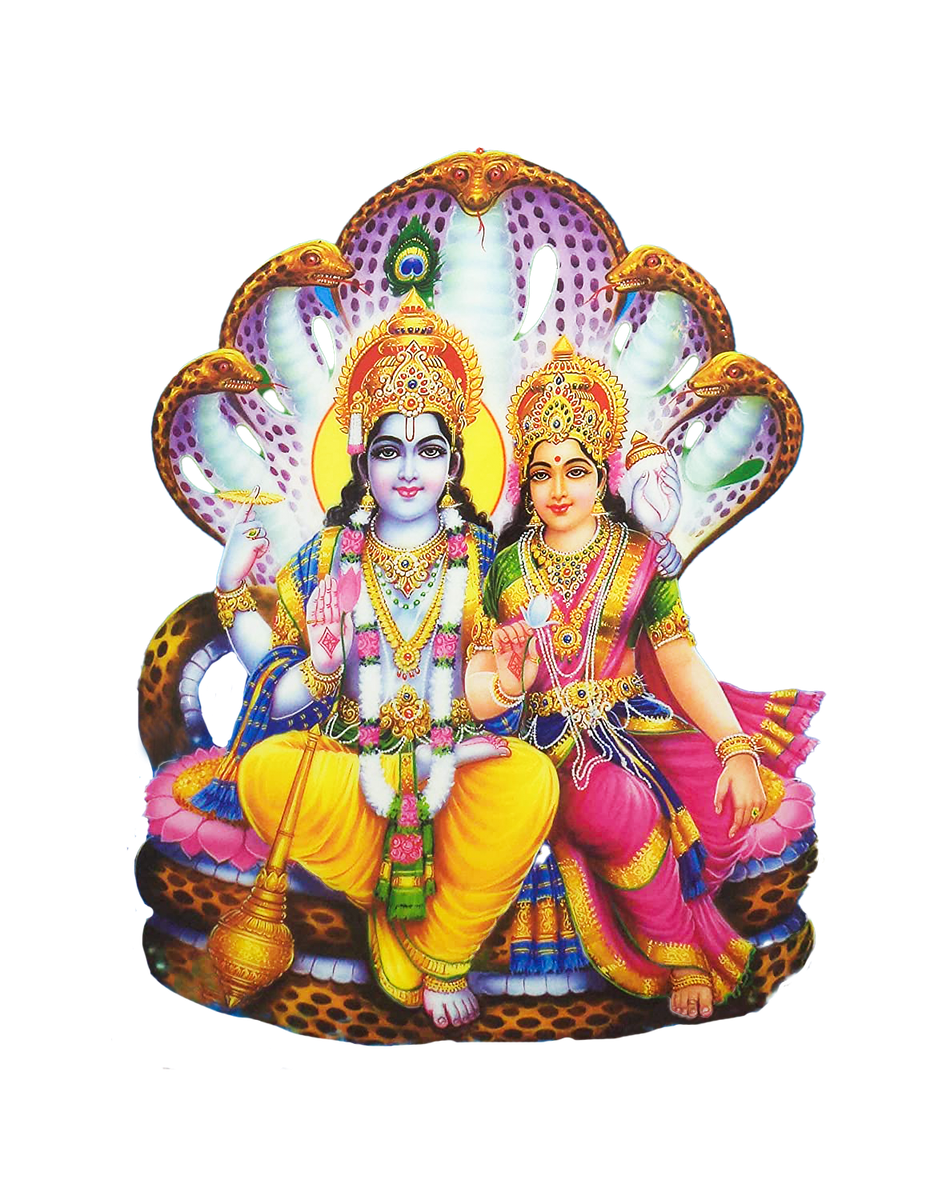
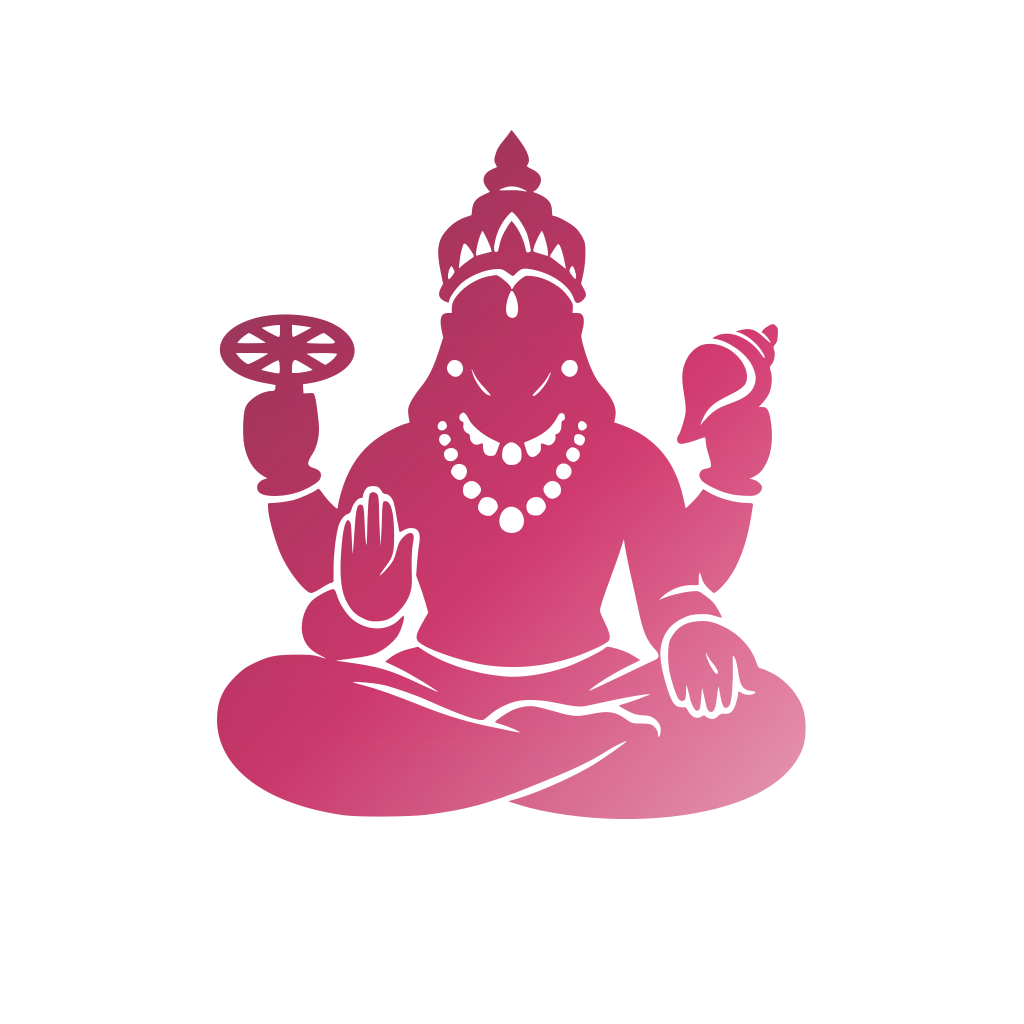
Among the most instantly recognisable symbols of Sanatan Dharma is the Shankh, the conch shell, held eternally in the upper left hand of Lord Vishnu, the preserver of the universe. Its resonant sound, deep and far reaching, is said to have echoed at the very dawn of creation, and to this day, no major Hindu ritual, temple aarti, wedding or auspicious ceremony is considered complete without the blowing of the Shankh. It is simultaneously a musical instrument, a ritual vessel, a symbol of victory, and according to scripture, the very origin of the sacred syllable Om.
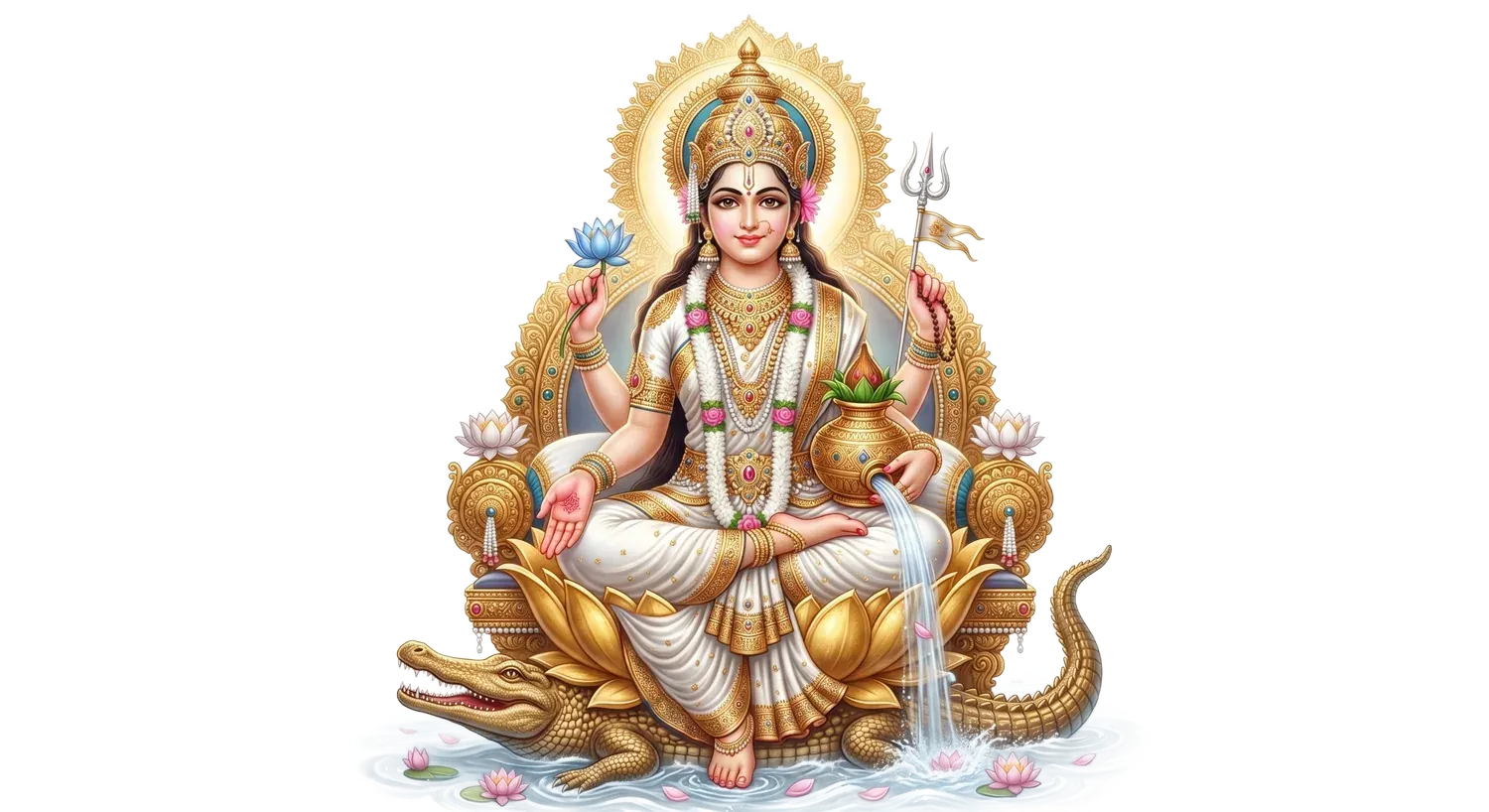
According to the Puranas, the Shankh emerged during the great churning of the ocean, Samudra Manthan, when the Devas and Asuras together churned the cosmic ocean of milk in search of Amrit, the nectar of immortality. Among the many treasures that arose from this churning, alongside Goddess Lakshmi, the divine physician Dhanvantari, and the wish fulfilling cow Kamadhenu, emerged the Shankh, sometimes personified as a form of Lakshmi herself, or associated with her presence, since prosperity and the conch are deeply linked in Hindu tradition. Lord Vishnu took the conch and made it his own, and it has since been called Panchajanya, named after the demon Panchajan whom Vishnu is said to have vanquished, taking the conch from his body.
The Mahabharata gives the conch shell a particularly dramatic role. At the start of the great war at Kurukshetra, each major warrior blew a named conch to signal the beginning of battle, and their combined sound is described as thunderous enough to shake the hearts of the opposing army. Lord Krishna blew Panchajanya, Arjuna blew Devadatta, and Bhima blew Paundra, among others. This episode illustrates how the conch's sound was believed to carry immense spiritual and even psychological power, capable of instilling courage in the righteous and striking fear into the unrighteous.
Spiritually, the sound of the Shankh, called Shankhnaad, is considered a direct manifestation of the primordial sound Om, the vibration from which the entire universe is said to have emerged. Blowing the conch at the start of puja or aarti is understood to purify the surrounding atmosphere, driving away negative energies, evil spirits and inauspicious influences, and inviting the presence of the divine into the sacred space. This is why temples across India, regardless of which deity they are dedicated to, almost universally sound the Shankh at the opening of the daily aarti.
Beyond the spiritual dimension, there is also a well recognised physiological benefit to blowing the conch, a practice sometimes called Shankh Pranayama. The deep, controlled breath required to produce sound from the conch strengthens the lungs, improves respiratory capacity, exercises facial muscles, and is even said to improve the clarity and strength of the voice. Ayurvedic and yogic traditions have long recommended regular Shankh blowing as a form of respiratory and vocal exercise, particularly beneficial for the elderly and those with certain respiratory concerns, though anyone with breathing difficulties should consult a doctor before attempting it.
In Hindu households, two broad types of Shankh are recognised. The Dakshinavarti Shankh, which coils clockwise when viewed from the opening, is considered extremely rare and auspicious, associated with Goddess Lakshmi and believed to bring wealth and prosperity when kept and worshipped at home. The more common Vamavarti Shankh, coiling counter clockwise, is the type traditionally used for blowing during rituals and for pouring water in abhishekam, since it is not considered appropriate to blow the Dakshinavarti Shankh, which is instead kept as a symbol of worship and prosperity, often placed near the family deity or in the puja room alongside a small amount of rice, symbolising abundance.
Using the Shankh in daily worship involves specific customs. Water poured through a conch during abhishekam, called Shankh Jal, is considered especially purified and is often given to devotees as a form of blessed offering. Many households keep a small conch specifically for this purpose, distinct from the one used for blowing. It is traditionally advised not to blow the conch used for pouring water, and vice versa, keeping their functions separate.
There are also traditional guidelines around when the conch should not be blown, such as during periods considered ritually inauspicious, or in a room where someone is sleeping, since the sound is powerful and considered disruptive in such contexts. The conch should always be kept in a clean, elevated and respectful place, never on the floor, and ideally wrapped in a clean cloth when not in use.
The symbolism of the Shankh extends into everyday Hindu life beyond ritual. Its spiral shape, echoing the Fibonacci pattern found throughout nature, has long been seen as a symbol of the eternal, cyclical nature of existence and the unfolding of creation from a single point outward, much like the universe itself is understood to expand from its source. To keep a Shankh at home, to sound it with devotion, or simply to understand its story, is to connect with one of the oldest and most continuous threads of worship in Sanatan Dharma, a sound that has echoed, unbroken, since the age of the Puranas to the temples and homes of today.
Quick guide
Before you begin
Mantra
Vishnu mantra
Om Namo Bhagavate Vasudevaya
Chant before katha or aarti while praying for protection, dharma, and peace.
Bhav
Benefits devotees pray for
FAQ
Common questions
Why does Lord Vishnu hold a Shankh?
The Shankh, called Panchajanya, is one of Lord Vishnu's four divine attributes. It emerged during the churning of the ocean, Samudra Manthan, and represents the primordial sound of creation, victory over negativity, and the preserving power of Vishnu.
What is the difference between Dakshinavarti and Vamavarti Shankh?
A Dakshinavarti Shankh coils clockwise and is rare, associated with Goddess Lakshmi, and kept at home for prosperity but not blown. A Vamavarti Shankh coils counter-clockwise, is more common, and is the type traditionally blown during rituals and used for pouring water in abhishekam.
Is it good to keep a Shankh at home?
Yes, keeping a Shankh in the puja room is considered highly auspicious. It should be placed on a clean, elevated surface, ideally near the family deity, and treated with the same respect given to other sacred objects.
What are the health benefits of blowing a conch shell?
Blowing the Shankh strengthens the lungs and respiratory muscles, improves voice clarity, and works as a form of pranayama. Those with breathing difficulties or heart conditions should consult a doctor before practising it regularly.
Invite Divine Prosperity into Your Home
Perform an authentic Vishnu puja with Vedic rituals and heartfelt devotion for peace and abundance.