


 जय श्री गोविंद हरे
The complete Shri Krishna aarti — Aarti Kunj Bihari Ki — in Devanagari with meaning and the correct method of performing it at home.
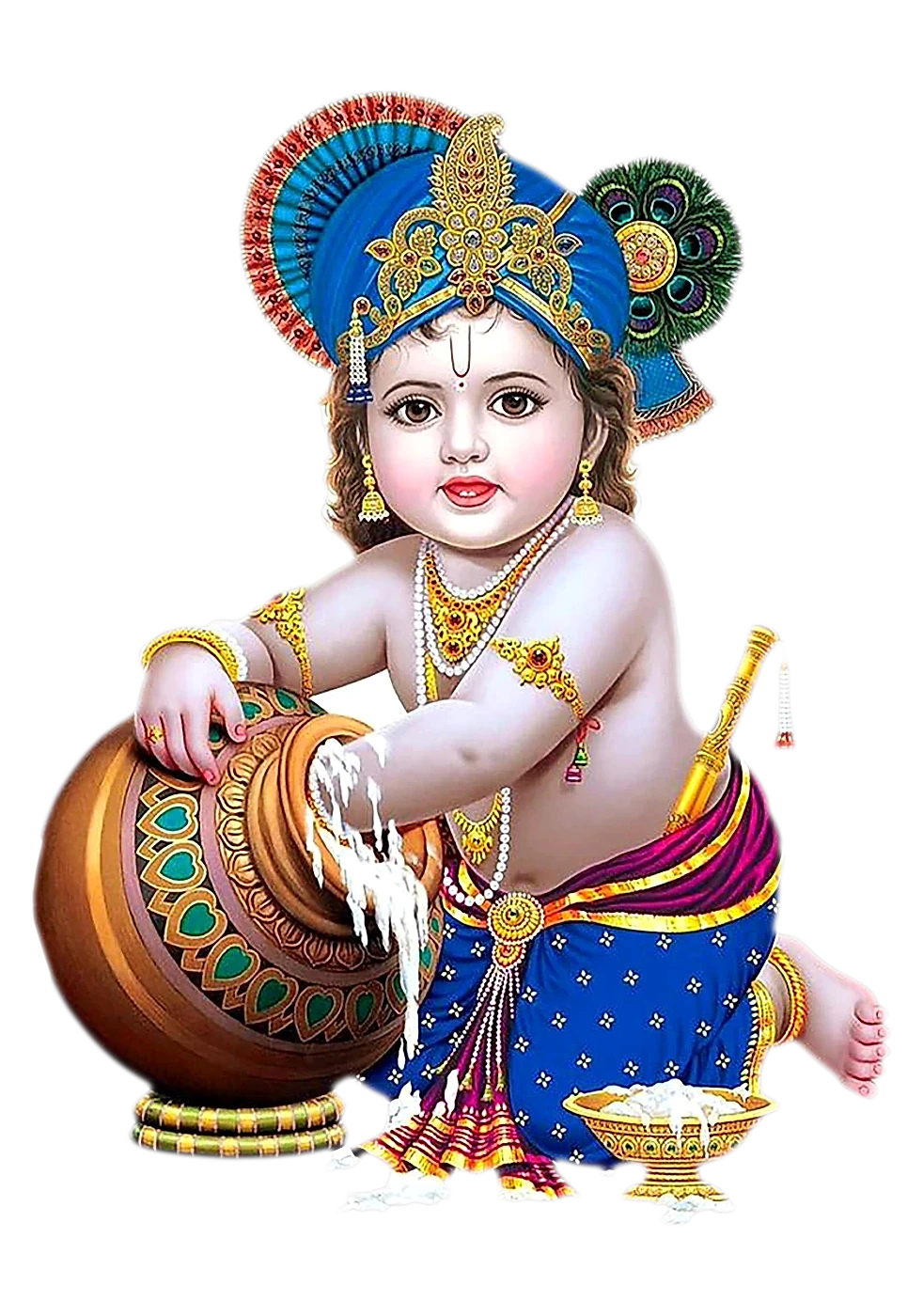
Among the countless songs of devotion offered to Lord Krishna, the aarti that begins "Aarti Kunj Bihari Ki" is the one sung every evening in Vrindavan, Mathura, Dwarka, and in Krishna temples and homes across the world. It calls out to Govind — the beloved cowherd of Braj, the playful child of Yashoda, the divine flute-player who enchants every heart — and it is this aarti that devotees mean when they speak of the Krishna Govind aarti.
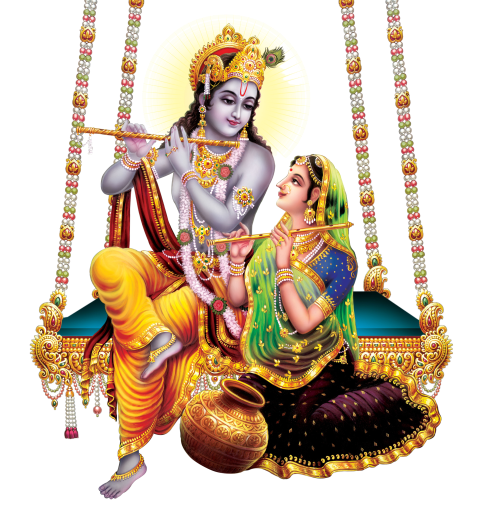
Composed in the Braj Bhasha devotional tradition, the aarti paints Krishna's most cherished forms: his peacock-feather crown, his flute, his gopis, his childhood pranks in Gokul and Vrindavan, and his role as the protector and beloved of every devotee. Singing it at the end of puja, with a lit diya circled before the deity, is one of the most joyful and widely practised acts of Krishna bhakti.
Complete Aarti (Devanagari)
आरती कुंजबिहारी की, श्री गिरधर कृष्ण मुरारी की । गले में बैजंती माला, बजावै मुरली मधुर बाला । श्रवण में कुण्डल झलकाला, नंद के आनंद नंदलाला । गगन सम अंग कांति काली, राधिका चमक रही आली । लता में ठाढ़े बनमाली, भ्रमर सी अलक कस्तूरी तिलक चंद्र सी झांकी । कस्तूरी तिलक चंद्र सी झांकी, ललित छवि श्यामा प्यारी की । आरती कुंजबिहारी की, श्री गिरधर कृष्ण मुरारी की ।
कनकमय मोर मुकुट बिलसै, देवता दरसन को तरसैं । गगन सो सुमन रासि बरसैं, बजे मुरचंग मधुर मृदंग । ग्वालिन ग्वाल करत हैं गान, जहाँ ते प्रकट भई गंगा । कर चरन धोय पग पग लागा, सुरधुनि जमुन नाम प्रचारी की । आरती कुंजबिहारी की, श्री गिरधर कृष्ण मुरारी की ।
चमकती उज्ज्वल कौमुदी काशी, दिव्य मणि मंडित सारी । कस्तूरी सुगंध अंग सारी, सुरभित अंगराग बनाई । गोपी ग्वाल संग रास रचावत, नैनन काजल अनुपम शोभा । जगमग करत सुभग वृंदावन, वेणु शब्द सुन आवत गोपी । वृन्दावन विहरति गिरिधारी की, आरती कुंजबिहारी की । श्री गिरधर कृष्ण मुरारी की ।
जिन को ध्यान धरत मुनि ज्ञानी, ध्यान धरत शिव सनकादिक मुनि । नारद सारद प्रणतिं करत हैं, महिमा अमित न जात बखानी । जो नर ध्यावत करत मन शुद्ध, सो पावत मन वांछित सिद्ध । आरती कुंजबिहारी की, श्री गिरधर कृष्ण मुरारी की ।
आरती की जय जय गिरिधारी, आरती की जय जय गिरिधारी । जो यह पढ़त शिव सुख सम्पत्ति सारी, भव भय मिटावत सब दुःख हारी । आरती कुंजबिहारी की, श्री गिरधर कृष्ण मुरारी की । गले में बैजंती माला, बजावै मुरली मधुर बाला । श्रवण में कुण्डल झलकाला, नंद के आनंद नंदलाला ।
Meaning
The aarti opens by describing Krishna, the beloved of Kunj (the groves of Vrindavan), the mountain-lifter (Girdhar) who is also called Murari, wearing a garland of Vaijayanti flowers, playing his sweet flute, his ears sparkling with earrings, the very joy of Nanda Baba's household. His body has the dark, luminous hue of the monsoon sky, and beside him Radhika shines resplendent; standing amid the creepers as the forest-garlanded one, with kasturi tilak upon his brow and a moon-like glow to his face, this is the beautiful, gentle image of Shyama's beloved.
The second stanza describes his golden peacock-crown shimmering so brightly that even the gods long for a glimpse of him; flowers rain down from the sky like a shower, mridang and manjira ring out in sweet rhythm, and the gopas and gopis sing his praises — a scene so blessed that the very Ganga is said to have manifested from the touch of his feet, the river later known as the celestial Yamuna.
The following verses describe the radiant moonlit beauty of the rasa-dance with the gopis, the fragrance of kasturi upon his form, his eyes lined with kajal, and the whole of Vrindavan glowing as the gopis rush toward the sound of his flute. Great sages, Shiva himself, the eternal boy-sages Sanaka and his brothers, and the divine musician Narada all meditate upon him, though his glory can never be fully described in words. Whoever meditates on him with a pure heart attains all that the heart desires. The aarti closes with a joyous repeated cry of victory to the mountain-lifting Krishna, declaring that whoever sings this aarti receives Shiva's own peace and prosperity, and that all worldly fear and sorrow are washed away.
How to Perform Krishna Aarti
Best time: evening, at dusk (sandhya kaal), especially during Gopashtami, Janmashtami, and every day if possible; also performed at the end of any Krishna puja.
What you need: a diya (preferably ghee), a small bell (ghanti), a picture or murti of Krishna, and if possible tulsi leaves and a peacock feather as offerings.
Method: light the diya, ring the bell gently, and hold the diya in your right hand. As you sing the aarti, move the lit diya in a clockwise circular motion before the deity, beginning from the feet and moving up to the face and back down, completing several full circles by the end of the song.
At the close: after the aarti, offer the diya's flame to the family to receive with their hands and touch their eyes/forehead, and offer a small amount of prasad (often makhan-mishri or fruit, Krishna's favourites) if available.
Why This Aarti Is Loved
It is sung not as a formal ritual alone but as an outpouring of tender affection for Krishna as the beloved child, playful lover, and universal protector — capturing in a few verses his flute, his peacock crown, his rasa-leela with the gopis, and the devotion of sages and gods alike. Its gentle, musical Braj Bhasha has made it one of the most beloved and widely sung aartis in all of Vaishnav devotion, performed in temples from Vrindavan to homes across the world every single evening.
Frequently Asked Questions
When should the Krishna Govind aarti be performed? Ideally every evening at dusk, and always at the conclusion of Krishna puja, especially on Janmashtami, Ekadashi and other Krishna-related festivals.
Can this aarti be sung without a murti or picture present? It is best performed before an image or idol of Krishna, but if none is available, it can be sung with devotion facing east, holding the intention of Krishna's presence in the heart.
Is this the same as "Om Jai Jagdish Hare"? No, that is a general aarti addressed to Vishnu/Jagdish; "Aarti Kunj Bihari Ki" is Krishna's own dedicated aarti, describing his specific Vrindavan forms and leelas.
Do I need to memorise the whole aarti to gain its benefit? Reading along with devotion is enough; over time, repeated singing naturally helps most devotees memorise it.
Quick guide
Before you begin
Mantra
Krishna mantra
Om Kleem Krishnaya Namah
Chant with love and surrender, especially before Krishna katha, aarti, or bhog.
Bhav
Benefits devotees pray for
FAQ
Common questions
When should this aarti be performed?
Ideally every evening, and always at the close of Krishna puja, especially on Janmashtami and Gopashtami.
Can it be sung without a murti present?
Best performed before an image, but it can be sung with devotion facing east if none is available.
Is this the same as Om Jai Jagdish Hare?
No, that is a general Vishnu aarti; this is Krishna's own dedicated aarti describing his Vrindavan forms.
Must I memorise it fully?
Reading along with devotion is enough; repeated singing naturally helps memorisation over time.
Bring Govind's Grace Home
Book a dedicated Krishna puja performed with full devotion, aarti and vidhi for your family's peace and happiness.