 राहु केतु शांति
Sheshnag Kaal Sarp Dosh forms when all planets sit between Rahu and Ketu with Rahu in the twelfth house, and understanding it calmly opens the door to simple, effective remedies.
In Vedic astrology, Kaal Sarp Dosh is formed when all seven classical planets — Sun, Moon, Mars, Mercury, Jupiter, Venus and Saturn — are hemmed between the shadow planets Rahu and Ketu in a birth chart, as if trapped inside the coils of a serpent. There are twelve recognised varieties of this dosh, each named after a different serpent (Nag), depending on which house Rahu occupies. When Rahu is placed in the twelfth house and Ketu in the sixth house, with all other planets enclosed between them, the resulting combination is called Sheshnag Kaal Sarp Dosh, named after Shesha, the divine thousand-headed serpent upon whom Lord Vishnu reclines in the cosmic ocean.
Because Shesha is regarded as a devoted, steady and protective serpent in our scriptures, this particular Kaal Sarp yoga is generally considered to bring a mix of struggle followed by quiet strength, rather than pure hardship. The twelfth house itself relates to losses, foreign travel, isolation, expenses, sleep, the subconscious mind and moksha (liberation). Rahu placed here, with the chart's energy circling back to Ketu in the sixth house of debts, disease, enemies and daily struggle, often produces a life theme of inner searching, unexpected losses, and a pull towards spirituality or foreign lands.
Common effects associated with Sheshnag Kaal Sarp Dosh include a restless, overthinking mind, difficulty sleeping peacefully, a tendency to feel isolated even in company, unexpected financial drains, and a slow, delayed rhythm to success that eventually turns favourable once the person aligns with spiritual or introspective pursuits. Many people with this placement report vivid dreams, a strong pull towards meditation, healing arts, research, or work connected to foreign countries, hospitals, or hidden/behind-the-scenes fields. Relationships may go through phases of emotional distance, and health issues connected to the mind, nerves, or sleep cycle are sometimes reported.
It is important to understand, with a calm and clear mind, that Kaal Sarp Dosh — including its Sheshnag form — is not a curse and does not mean a life sentence of suffering. Many highly successful, spiritually accomplished and contented people carry this combination. Vedic astrology treats it as one energetic pattern among many in a chart, to be read alongside the strength of the Moon, the ascendant lord, and the overall balance of the horoscope. A single yoga rarely decides an entire life; the whole chart must be seen together.
When it comes to remedies, our tradition offers gentle, protective and time-tested practices rather than anything harsh or fear-based. Chanting the Maha Mrityunjaya Mantra regularly is considered one of the most powerful pacifying practices for Rahu-Ketu afflictions, as it invokes Lord Shiva's protective and healing energy. Worshipping Lord Shiva on Mondays, and specifically performing Rudrabhishek, is widely recommended. Visiting a Nag temple or a Shiva temple that houses a Naga (serpent) deity, and offering milk to a Shivling while chanting Om Namah Shivaya, is a traditional practice believed to soothe this dosh. Some families also perform a Kaal Sarp Puja at sacred sites such as Trimbakeshwar in Nashik, though this is a matter of personal faith and is entirely optional — it is never a requirement for a good life.
On a daily level, simple practices help greatly: keeping a picture or idol of Lord Shiva with a serpent (Shesha or Vasuki) at home, feeding birds and serpents' natural allies such as peacocks is discouraged, but donating on Saturdays items associated with Rahu such as mustard oil, black sesame, or a coconut to those in need is considered beneficial. Wearing a silver Naag-Nagin pendant after proper energisation, or keeping a small silver serpent pair facing each other in the worship area, is a popular household remedy. Practising Pranayama and meditation calms the restless mind that this placement often brings.
Finally, remember that dharmic remedies are about creating inner steadiness, discipline and devotion — they work alongside your own effort, not as a replacement for it. If you are facing serious health, financial or emotional difficulty, please also consult the relevant medical, legal or financial professionals; astrology offers guidance and comfort, not a substitute for expert care. With sincere worship, patience and right effort, most people with Sheshnag Kaal Sarp Dosh find that the very struggles that once felt heavy become the foundation of deep inner strength and eventual success.
Quick guide
Before you begin
Mantra
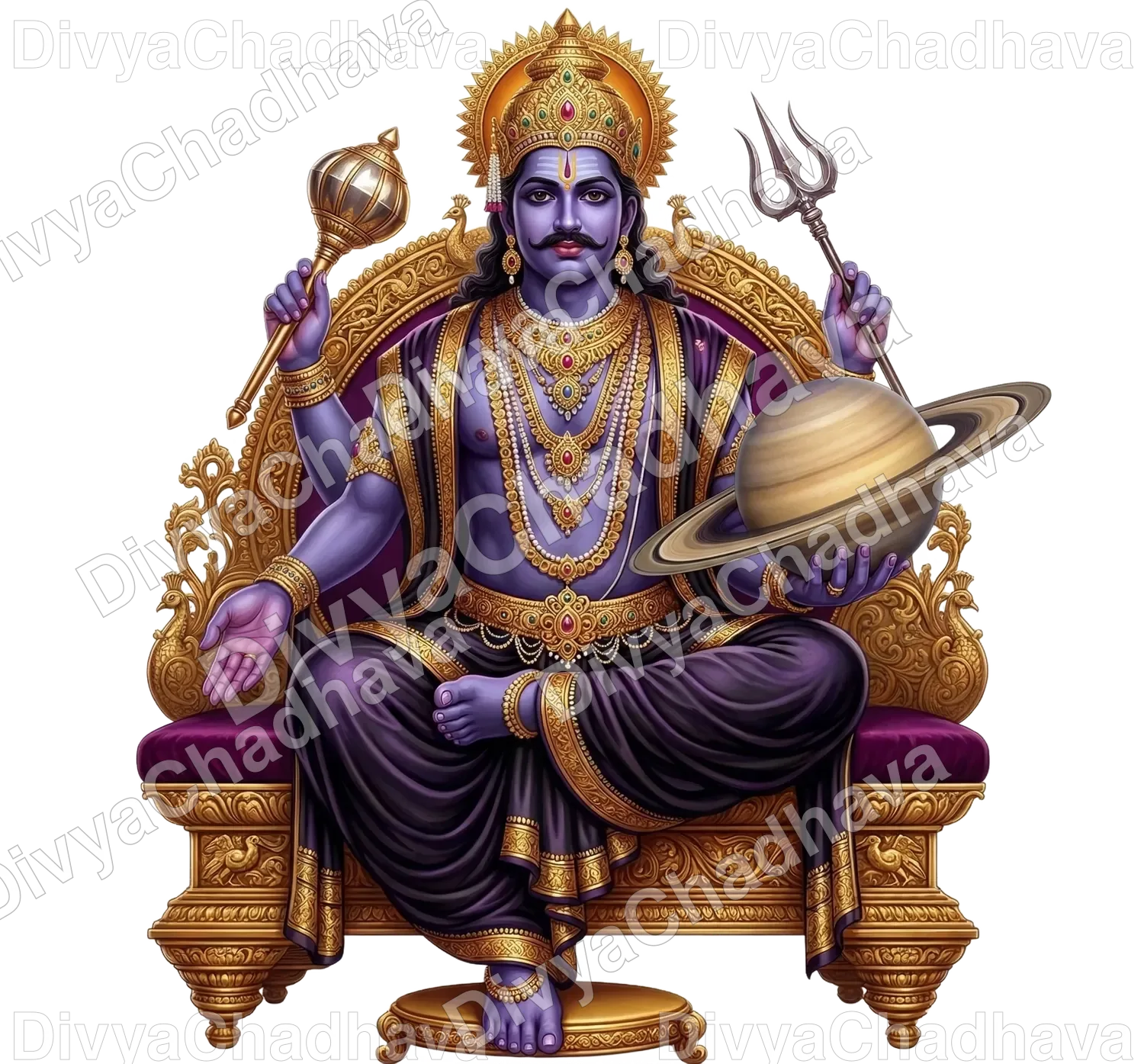
Shani mantra
Om Sham Shanaishcharaya Namah
Chant on Saturday with patience, honesty, and a commitment to right action.
Bhav
Benefits devotees pray for
FAQ
Common questions
Is Sheshnag Kaal Sarp Dosh always harmful?
No. It is one yoga among many in the chart and must be read alongside the Moon, ascendant and overall chart strength. Many people with this placement lead very successful and spiritually rich lives, especially after middle age.
What is the simplest remedy for this dosh?
Regular chanting of the Maha Mrityunjaya Mantra and worshipping Lord Shiva on Mondays are considered the simplest and most accessible remedies, along with calm meditation practice.
Does Kaal Sarp Dosh affect marriage?
It can sometimes indicate delays or phases of emotional distance in relationships, but it does not prevent a happy marriage. Sincere remedies and patience generally help smoothen such periods.
Is a special Kaal Sarp Puja necessary?
It is optional and a matter of personal faith. Simple home worship, mantra chanting and dharmic conduct are equally valued and are not a compulsory requirement for wellbeing.
Seek Peace from Rahu-Ketu Afflictions
Let a heartfelt puja and sankalp bring calm and dharmic support to your journey.