 रुद्राक्षं महादेवं सर्वाभरण भूषितम्
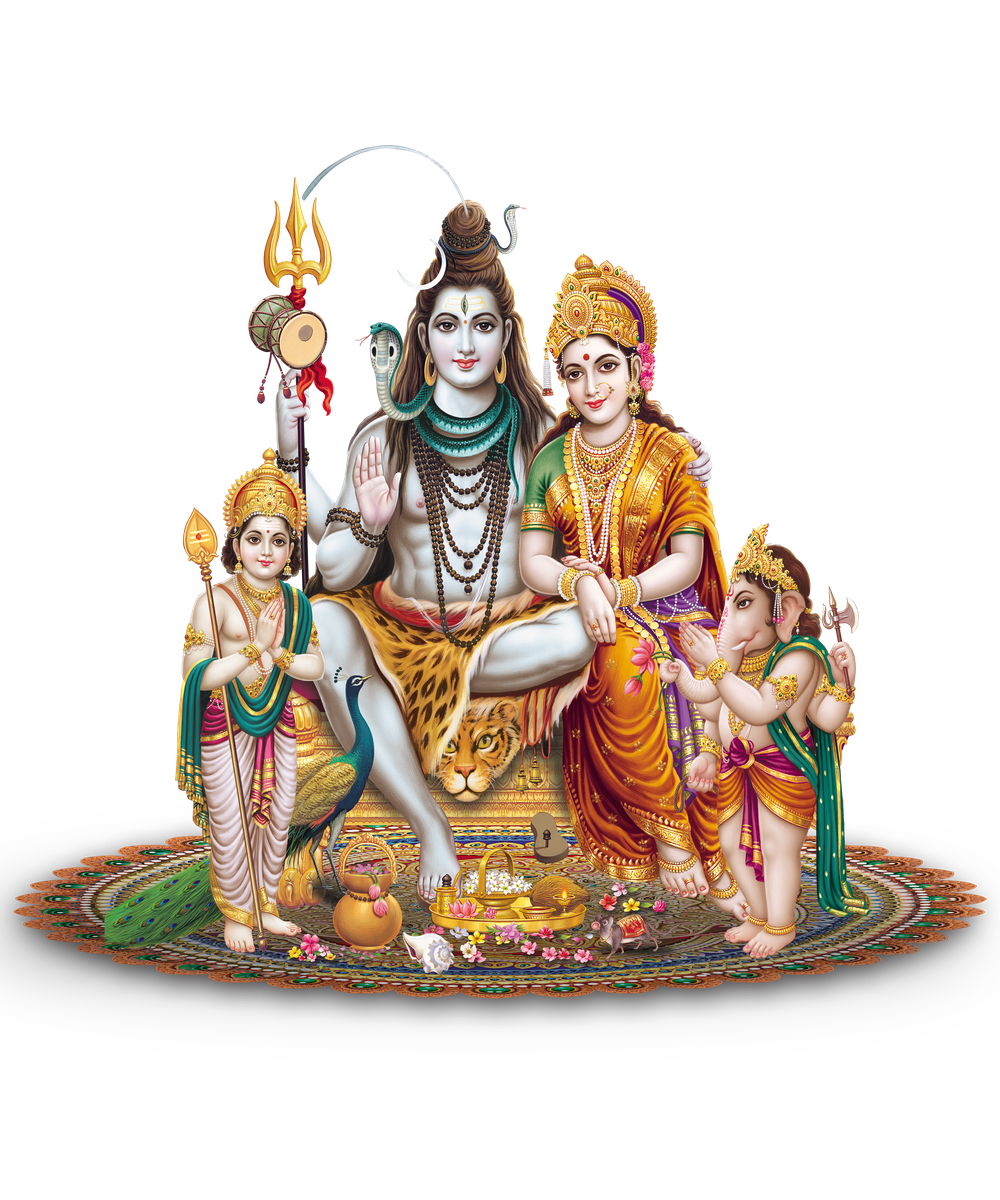
Rudraksha, believed to have originated from Lord Shiva's own tears, is a sacred seed worn for spiritual protection, focus in meditation, and inner peace.
Rudraksha, the dried seed of the Elaeocarpus ganitrus tree, holds a place of profound reverence in Sanatan Dharma. Worn as malas and bracelets by sages, yogis, and ordinary devotees alike, Rudraksha is regarded not merely as an ornament but as a direct connection to Lord Shiva, carrying centuries of scriptural and spiritual significance.
The Meaning of the Word Rudraksha
The word Rudraksha is a combination of two Sanskrit words: Rudra, one of the names of Lord Shiva, meaning the fierce one who removes sorrow, and Aksha, meaning eye or tear. Together, Rudraksha means the tear-drop of Rudra, the eye of Shiva.
The Origin Story
According to the Shiva Purana and Devi Bhagavata Purana, Lord Shiva, moved by deep compassion for the suffering of beings in the world, meditated for the welfare of humanity for a very long period. As he opened his eyes after this profound meditation, tears of compassion fell from them onto the earth, and from these tears sprang the Rudraksha trees. Because they originated from Shiva's own eyes and compassion, Rudraksha beads are believed to carry his direct blessing and protective energy, and are especially dear to devotees of Shiva.
The Mukhi System: Faces of Rudraksha
Each Rudraksha bead has natural vertical lines or clefts on its surface, called mukhis or faces. The number of mukhis, ranging typically from one to fourteen or more (with rarer higher counts), determines the bead's specific energetic quality and the deity or planetary influence it is associated with.
Ek Mukhi (one face) represents Lord Shiva himself in his purest form and is considered extremely rare and powerful, associated with self-realization.
Do Mukhi (two faces) represents Ardhanarishwara, the union of Shiva and Shakti, and is worn for harmony in relationships.
Teen Mukhi (three faces) represents Agni, the fire god, and is worn for confidence, willpower, and burning away past negative karma.
Char Mukhi (four faces) represents Brahma, the creator, and is worn for knowledge, learning, and creativity.
Panch Mukhi (five faces) represents Kalagni Rudra, is the most common and widely worn form, suitable for almost everyone, and is worn for general well-being, health, and peace of mind.
Cheh Mukhi (six faces) represents Kartikeya, and is worn for discipline, courage, and success in endeavours.
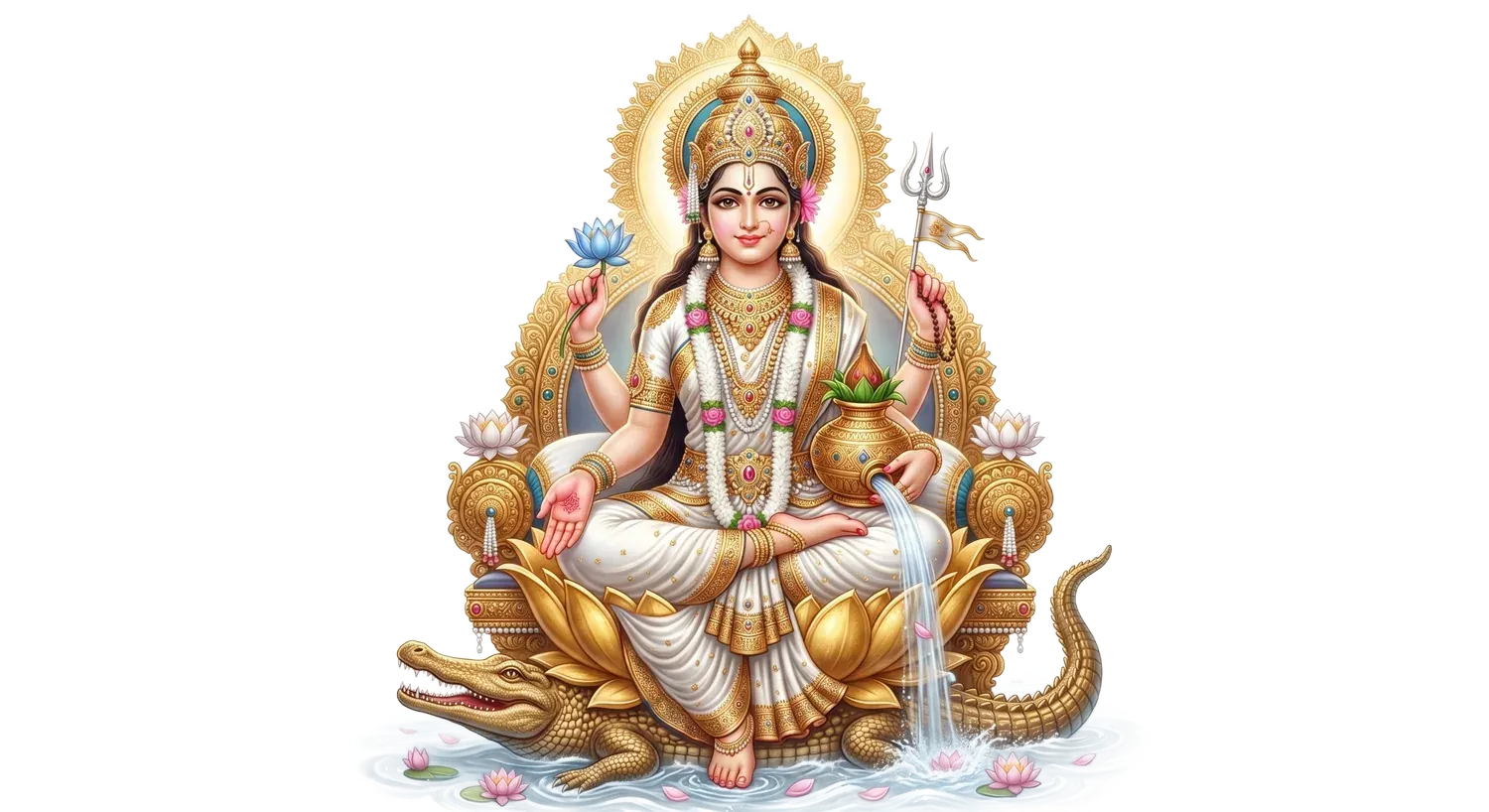
Saat Mukhi (seven faces) represents the seven mothers (Sapta Matrika) or Goddess Mahalakshmi, worn for wealth and prosperity.
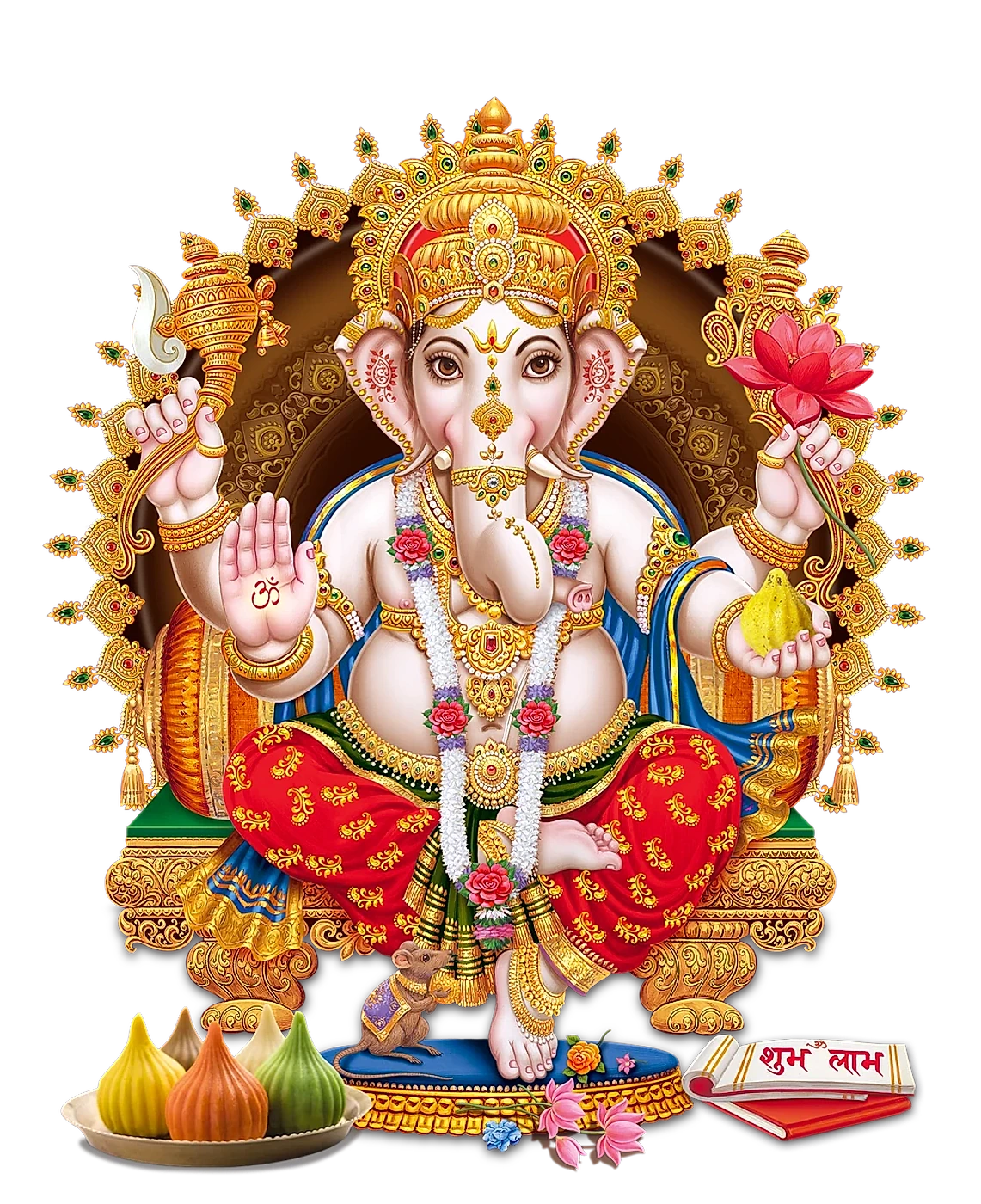
Aath Mukhi (eight faces) represents Lord Ganesha, worn for removing obstacles.
Nau Mukhi (nine faces) represents Goddess Durga in her fierce form, worn for courage and protection from negative energy.
Das Mukhi (ten faces) represents Lord Vishnu, worn for protection and stability.
Gyarah Mukhi (eleven faces) represents the eleven Rudras, worn for fearlessness and spiritual power.
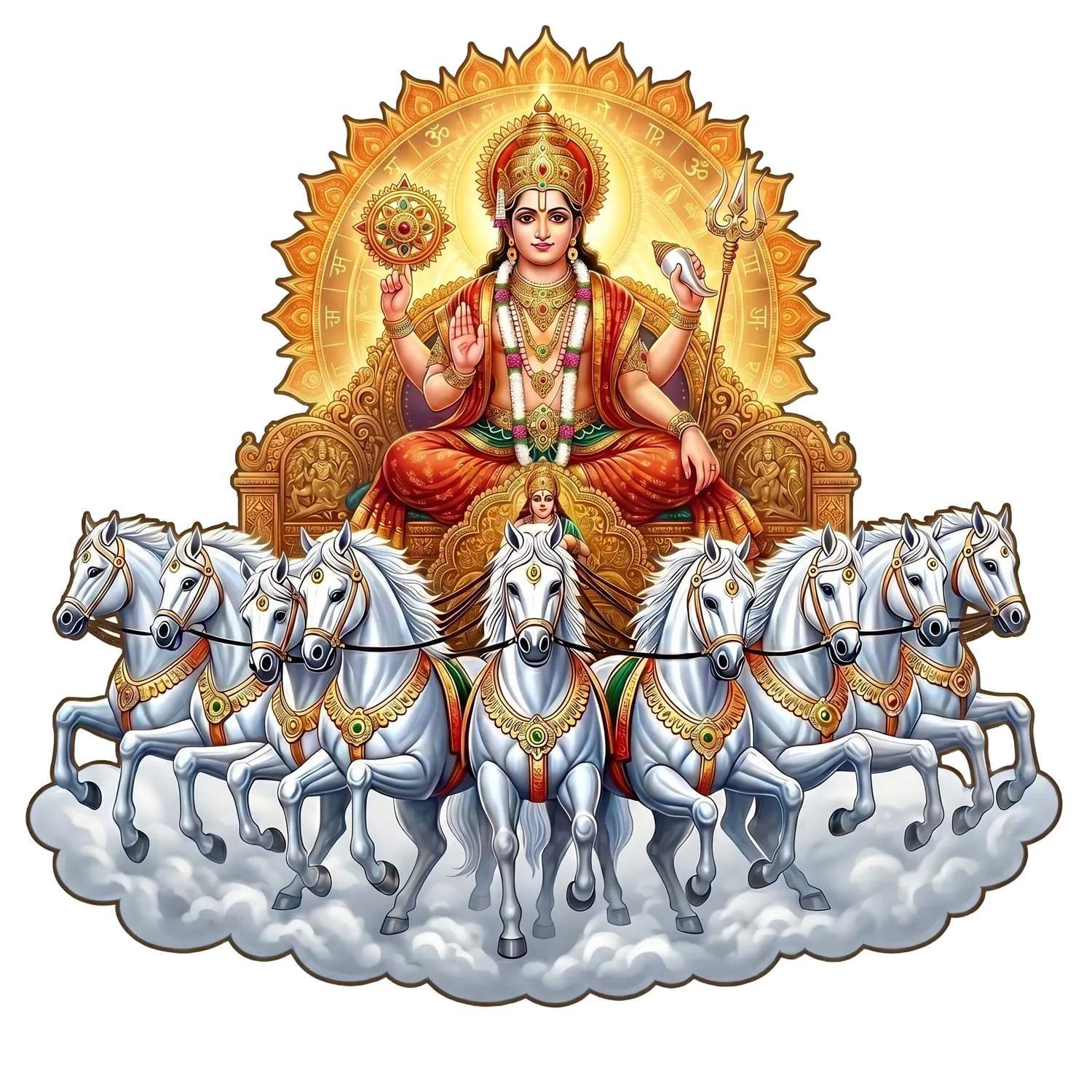
Baarah Mukhi (twelve faces) represents the twelve Adityas (forms of the sun), worn for leadership, authority, and vitality.
Beyond twelve, rarer mukhis such as thirteen, fourteen, and the Gauri-Shankar (a naturally joined double bead symbolising Shiva-Parvati) and Ganesh (a bead with a natural trunk-like protrusion) are also treasured for their unique symbolism.
Spiritual and Life Benefits of Wearing Rudraksha
Across scriptures and long-standing tradition, Rudraksha is said to offer benefits on multiple levels. Spiritually, it is believed to deepen focus during meditation and japa, gradually calming the mind and reducing distraction. Emotionally, it is worn to bring stability, reduce anxiety, and protect the wearer from negative energies and the evil eye. Physically, ancient texts and Ayurveda associate Rudraksha with balancing the body's energies, and some traditions link its natural electromagnetic properties to a calming effect on the nervous system, though wearers are always encouraged to also seek medical care for health concerns, as Rudraksha is a spiritual support, not a medical treatment.
How to Choose and Wear Rudraksha
Genuine Rudraksha beads are traditionally sourced from trusted, sanctified sources and are ideally energized (pran-pratishtha) through a simple puja before being worn. A Panch Mukhi Rudraksha mala or bead is considered safe and suitable for daily wear by nearly everyone, while beads with a specific mukhi count are often chosen to address a particular life area, ideally with guidance from a knowledgeable pandit or astrologer.
Rudraksha is usually worn as a mala around the neck, as a bracelet on the wrist, or used for counting mantra repetitions (108 beads plus one guru bead is the traditional mala count). It should be treated with reverence, kept clean, and traditionally removed before non-vegetarian meals, alcohol consumption, or entering places considered impure, though practices vary across families and lineages.
When and How to Chant with Rudraksha
Many devotees use a Rudraksha mala specifically to chant Om Namah Shivaya or the Maha Mrityunjaya Mantra, 108 times, ideally during the Brahma Muhurta (early morning) or on Mondays, the day associated with Lord Shiva. The mala is held in the right hand, and each bead is moved with the thumb while chanting, without crossing the guru bead, which is skipped and the direction reversed if additional rounds are done.
Care and Precautions
Rudraksha should not be worn during periods of mourning in some traditions, should be kept away from harsh chemicals and prolonged water exposure, and is best stored respectfully, wrapped in a clean cloth, when not worn. Above all, Rudraksha is to be worn with faith and reverence, as its power in tradition flows not from the object alone but from the devotion and intention of the wearer.
Conclusion
Rudraksha stands as one of the most enduring symbols of Lord Shiva's compassion, a simple seed transformed by scripture and centuries of devotion into a sacred aid for meditation, protection, and spiritual growth. Worn with sincerity, it serves as a constant, tangible reminder of the wearer's connection to the divine.
Quick guide
Before you begin
Mantra
Shiva mantra
Om Namah Shivaya
Chant with a quiet mind, especially on Monday, Pradosh, or during Shiva puja.
Bhav
Benefits devotees pray for
FAQ
Common questions
What is the significance of the number of mukhis (faces) on a Rudraksha?
Each mukhi count corresponds to a specific deity or planetary energy - for example, Panch Mukhi (5 faces) represents Kalagni Rudra and general well-being, while Ek Mukhi (1 face) represents Lord Shiva himself and is considered the rarest and most powerful.
Can anyone wear Rudraksha, or are there restrictions?
Rudraksha, especially Panch Mukhi, is considered suitable for almost everyone. It is best worn with faith after a simple energising puja, and traditionally treated with reverence and cleanliness.
Does Rudraksha have any scientifically proven health benefits?
Rudraksha is primarily a spiritual and devotional aid rather than a medical treatment. While some traditions describe calming effects, it should never replace proper medical care for any health condition.
How should a Rudraksha mala be used for chanting?
Hold the mala in the right hand and move one bead per repetition of the mantra using the thumb, typically completing 108 repetitions, without crossing over the guru bead.
Deepen Your Devotion to Lord Shiva
Book a Shiva puja performed with full vidhi and receive guidance on sacred practices like Rudraksha for your spiritual journey.