
 छाया ग्रह
Rahu and Ketu, the shadow planets always seated exactly opposite each other in the birth chart, represent our deepest karmic pull and release — here is what the Rahu-Ketu axis truly means and how to work with it.
Rahu and Ketu occupy a unique place in Vedic astrology: they are not physical planets like the Sun, Moon or the five visible planets, but mathematical points where the Moon's orbit around the Earth crosses the Sun's apparent path (the ecliptic). Rahu is the North Lunar Node, the ascending point, and Ketu is the South Lunar Node, the descending point. Because they are always exactly 180 degrees apart, wherever Rahu sits in a birth chart, Ketu sits in the exact opposite house, forming what astrologers call the Rahu-Ketu axis. This is why they are always analysed together, never in isolation.
The legend behind Rahu and Ketu
The mythological origin of Rahu and Ketu comes from the Samudra Manthan, the churning of the cosmic ocean, when devas and asuras together churned out Amrita, the nectar of immortality. Vishnu, in his Mohini form, was distributing the nectar only to the devas when the asura Svarbhanu disguised himself and sat among them to drink it too. The Sun and Moon noticed the deception and alerted Vishnu, who instantly severed the asura's head with his Sudarshan Chakra before the nectar could pass his throat. Because the demon had already tasted the nectar, both the head and the body remained immortal: the head became Rahu, forever hungry, obsessive and craving worldly experience, and the body became Ketu, headless, detached and pulled toward liberation and spirituality. This origin explains their permanently opposite yet linked nature, and their traditional enmity with the Sun and Moon.
What Rahu represents
Rahu is associated with material desire, ambition, illusion (maya), obsession, foreign lands, technology, sudden unconventional success, unconventional careers, addiction and the areas of life where a person feels an intense, almost insatiable hunger to achieve, acquire or experience. Rahu amplifies whatever house and sign it occupies, often bringing rapid, unusual growth in that area, but also confusion, restlessness or ethical shortcuts if not handled with awareness.
What Ketu represents
Ketu is associated with detachment, past-life karma, spirituality, intuition, moksha (liberation), sudden losses or endings, introversion and a natural pulling-away from the matters of the house it occupies, even when outwardly the person seems capable in that area. Ketu can bring a sense of "already having experienced this" or a difficulty staying motivated in that house's affairs, alongside deep spiritual or intuitive gifts.
The axis across the twelve houses
Because Rahu and Ketu always sit in opposite houses, their combined placement tells a karmic story: the house with Ketu shows what the soul has already mastered or exhausted from past lives and now feels detached from, while the house with Rahu shows the new territory the soul is being pushed to develop in this lifetime, often outside its comfort zone. For example, Rahu in the tenth house of career with Ketu in the fourth house of home often shows a person pulled strongly toward public ambition and career success while feeling emotionally unsettled about home and roots. Rahu in the seventh house of partnership with Ketu in the first house of self often shows someone whose life lessons centre on relationships and compromise, having already worked through pure self-focus in a past life. This house-wise reading, called the Rahu-Ketu axis, is one of the richest tools in Vedic astrology for understanding a person's core life direction.
Effects on career, relationships and health
A well-placed, unafflicted Rahu can bring extraordinary success in modern, unconventional or foreign-connected fields such as technology, media, aviation, politics and research. An afflicted Rahu (conjunct malefics, poorly aspected) can bring anxiety, deception, addiction or scandal. Ketu, when well placed, brings sharp intuition, research ability, spiritual depth and detachment that helps in renunciate or research-oriented paths, while an afflicted Ketu can bring isolation, sudden losses, or health issues connected with the nervous system and immunity. In relationships, the Rahu-Ketu axis often shows the karmic lessons a couple is meant to learn together. Rahu and Ketu Mahadashas and their transits (roughly every eighteen months they change signs) are watched closely for their capacity to bring sudden change.
Remedies and worship
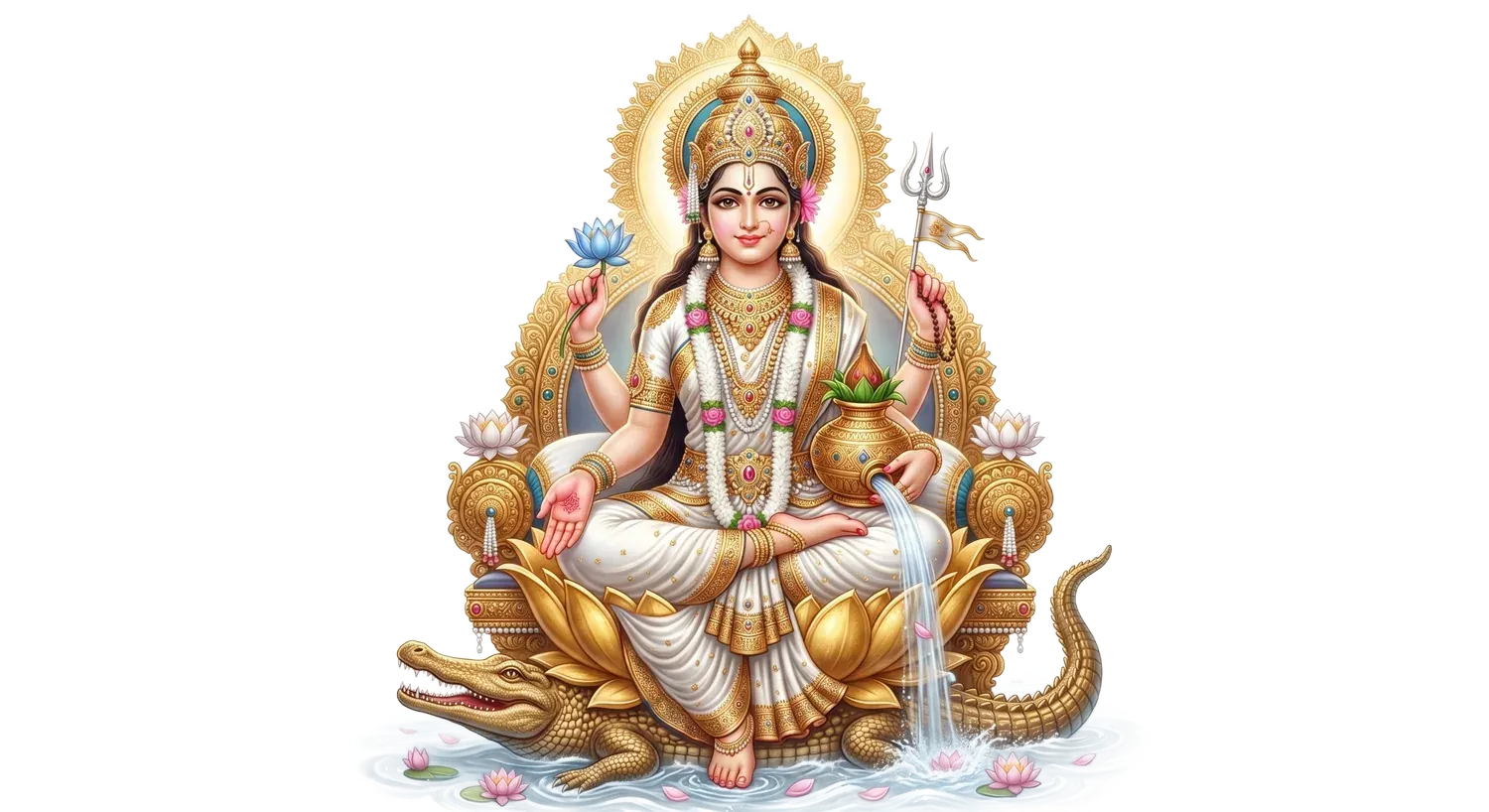
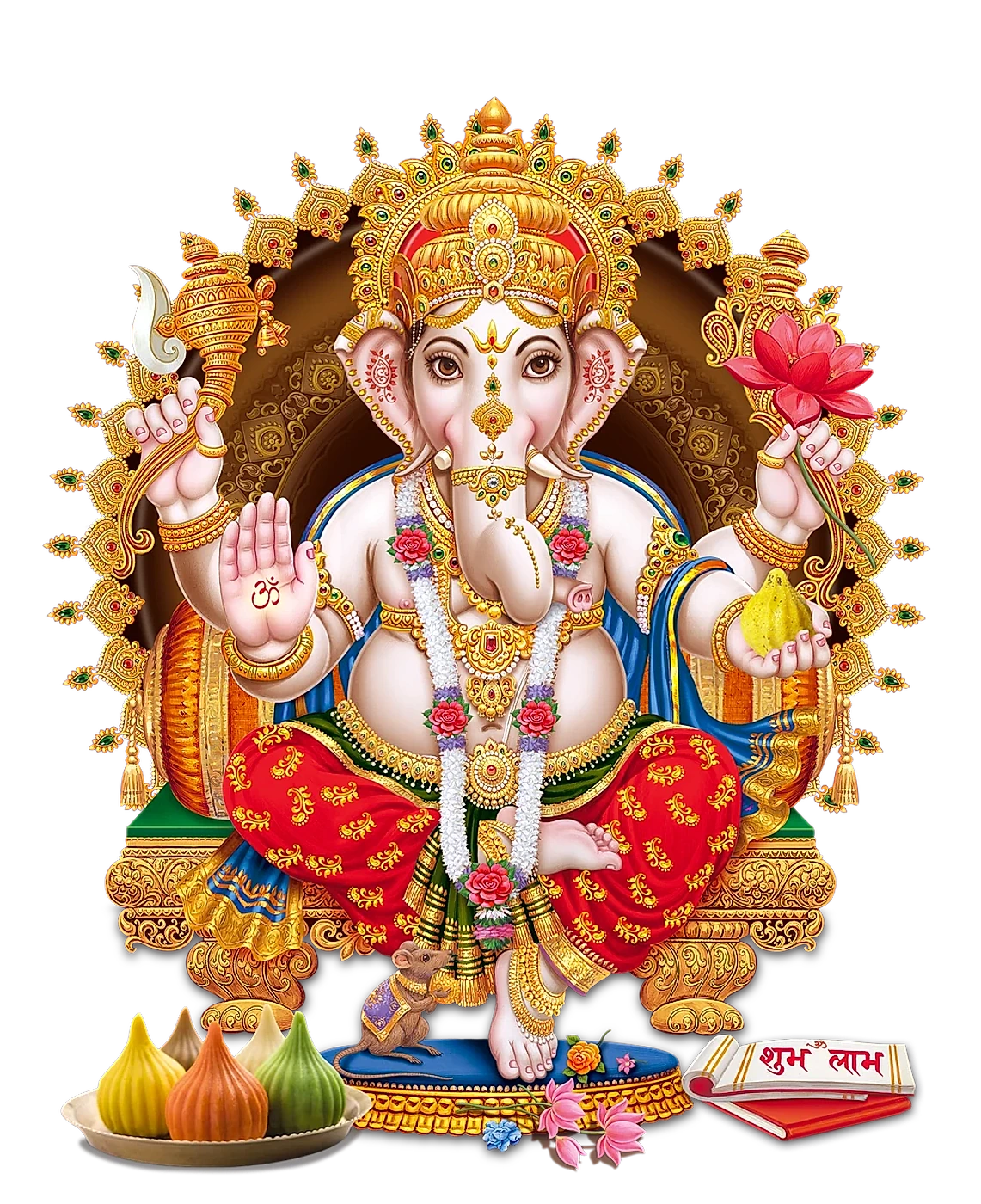
Dharmic remedies for a difficult Rahu include worship of Goddess Durga, chanting the Rahu beej mantra "Om Bhraam Bhreem Bhraum Sah Rahave Namah" especially on Saturdays, donating items like mustard, blue or black cloth, coconut and sesame to the needy, and maintaining honesty and simplicity to counter Rahu's tendency toward illusion. For Ketu, worship of Lord Ganesha or Bhairava, chanting the Ketu beej mantra "Om Sraam Sreem Sraum Sah Ketave Namah", donating multi-coloured items or blankets, and cultivating a regular spiritual or meditative practice help ground Ketu's detached, sometimes scattered energy. Serving at a temple, feeding stray dogs (considered dear to Bhairava/Rahu-Ketu in some traditions) and reciting the Durga Chalisa are also commonly practised.
Disclaimer: Rahu-Ketu readings describe traditional karmic and psychological themes used alongside the full birth chart in Vedic astrology. They are offered in a spirit of faith and self-understanding, are not deterministic predictions of doom, and are not a substitute for professional medical, legal, financial or psychological advice.
Quick guide
Before you begin
Mantra
Rahu mantra
Om Bhram Bhreem Bhraum Sah Rahave Namah
Chant 108 times with discipline, especially when praying for relief from hidden obstacles.
Bhav
Benefits devotees pray for
FAQ
Common questions
Why are Rahu and Ketu always exactly opposite each other?
They are not physical bodies but the two points where the Moon's orbital plane crosses the ecliptic — the ascending node (Rahu) and descending node (Ketu). By definition these two points are always 180 degrees apart, so they sit in opposite houses of the birth chart.
What is the significance of the Rahu-Ketu axis in a chart?
The house with Ketu shows karmic strengths and detachments carried from the past, while the house with Rahu shows the new area of growth and desire the soul is pushed toward in this life. Reading both houses together gives insight into a person's core life direction.
Is Rahu always a malefic planet to fear?
Not necessarily. A well-placed, unafflicted Rahu can bring extraordinary unconventional success, especially in modern fields like technology and media. Its effects depend entirely on its house, sign, aspects and the overall birth chart.
What are simple remedies for a difficult Rahu-Ketu placement?
Worship of Durga for Rahu and Ganesha or Bhairava for Ketu, chanting their respective beej mantras, charitable donation of items associated with each planet, and cultivating honesty (for Rahu) and regular spiritual practice (for Ketu) are traditionally recommended.
Seek Personalised Astrological Guidance
Every birth chart is unique. Let our pandits guide you with a puja or remedy suited to your specific Rahu-Ketu placement.