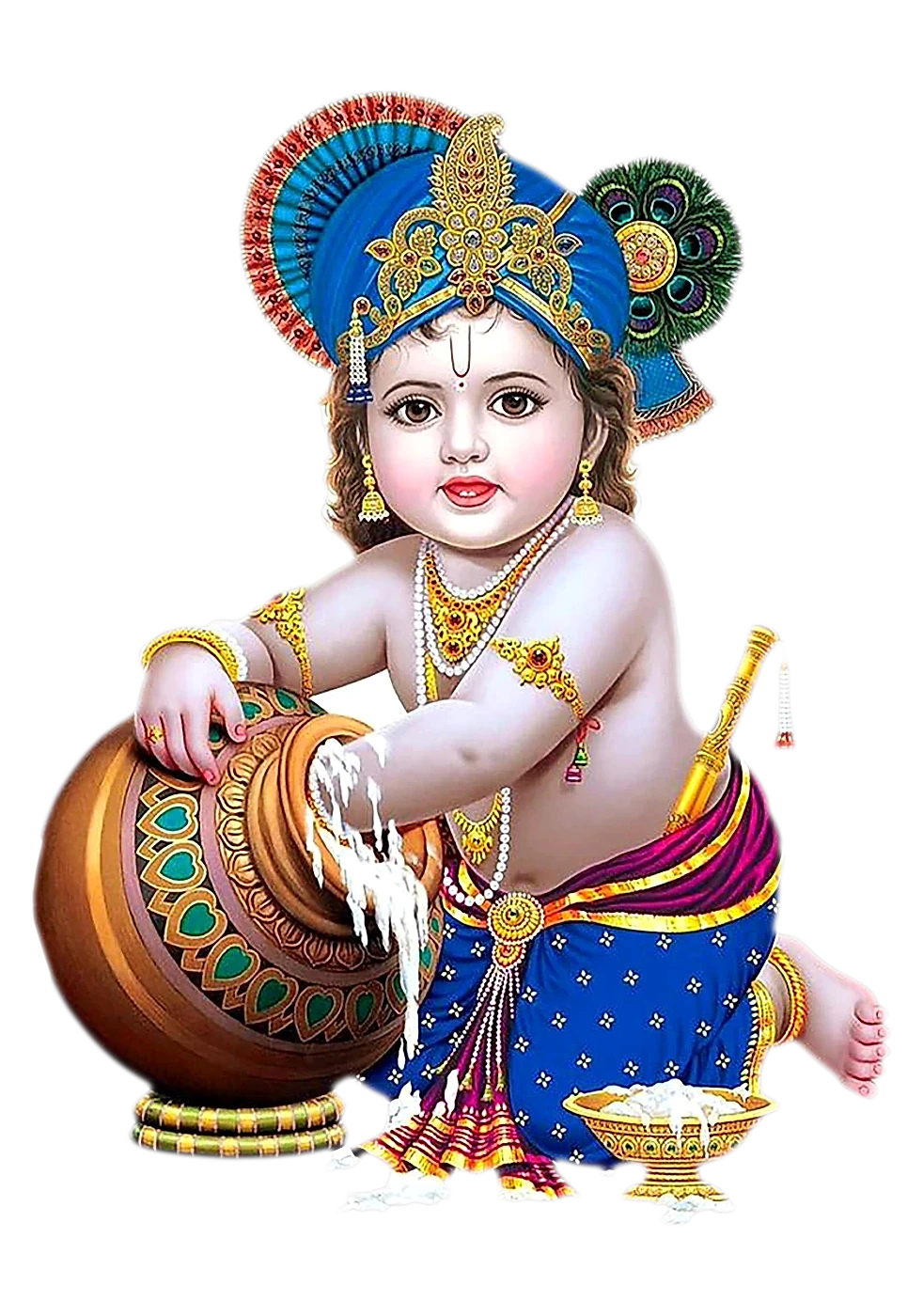
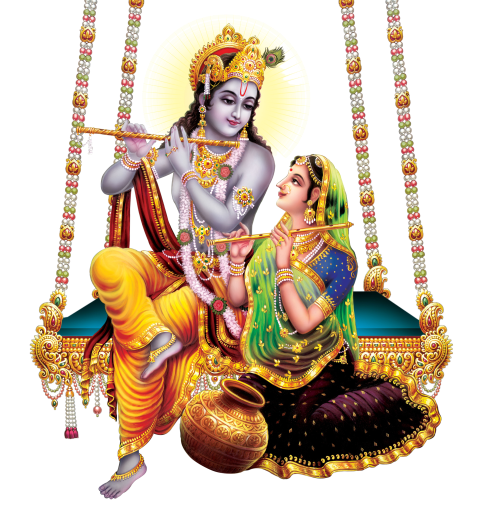
 राधे कृष्ण राधे कृष्ण
The Radha Krishna Mantra invokes the eternal, blissful union of Radha and Krishna, awakening pure devotion, divine love and harmony in relationships.
The Complete Radha Krishna Mantras (Devanagari)
Salutation Mantra:
ॐ श्री राधाकृष्णाभ्यां नमः
Maha Mantra of Radha-Krishna (popular devotional chant):
राधे कृष्ण राधे कृष्ण कृष्ण कृष्ण राधे राधे राधे श्याम राधे श्याम श्याम श्याम राधे राधे
Krishna Gopal Beej Mantra (with Radha's name, as chanted in Vaishnav tradition):
ॐ क्लीं कृष्णाय गोविंदाय गोपीजनवल्लभाय स्वाहा
राधा बीज मंत्र:
ॐ ह्रीं श्रीं राधिकायै नमः
Transliteration
Salutation: Om Shri Radha-Krishnabhyam Namah
Maha Mantra: Radhe Krishna Radhe Krishna Krishna Krishna Radhe Radhe, Radhe Shyam Radhe Shyam Shyam Shyam Radhe Radhe
Gopal Beej: Om Kleem Krishnaya Govindaya Gopijanavallabhaya Svaha
Radha Beej: Om Hreem Shreem Radhikayai Namah
Meaning
Salutation Mantra: "Om, salutations to the divine pair Radha and Krishna." This simple mantra honours Radha and Krishna together as one inseparable divine reality of love and devotion.
Maha Mantra: This is a joyous, rhythmic chant repeating the names Radha and Krishna (and Shyam, another name for Krishna), used widely in kirtan and bhajan traditions, especially in Vrindavan and Vaishnav sampradayas, to immerse the mind in remembrance of the divine couple's love.
Gopal Beej Mantra: "Om, salutations to Krishna, the protector of cows, the beloved of the Gopis, I offer this oblation." Kleem is the beej sound of attraction and divine love (kama-beej in its purest, devotional sense), used here to invoke Krishna's charming, loving nature.
Radha Beej Mantra: "Om, salutations to Radhika," using the Hreem and Shreem beej sounds representing grace, illusion-transcendence and abundance, honouring Radha as the embodiment of supreme devotion (bhakti) and love for Krishna.
Significance of Radha-Krishna
In Vaishnav and bhakti tradition, Radha and Krishna together represent the highest ideal of divine love — Radha as the soul (jivatma) in longing devotion, and Krishna as the Supreme (paramatma) who is her eternal beloved. Their union symbolises not romantic love in the ordinary sense but the soul's complete surrender and yearning for union with the Divine. Chanting their names together is considered one of the most accessible and joyful paths of bhakti yoga.
Jaap Vidhi (How to Chant)
Sit in a clean space before an image or idol of Radha-Krishna, ideally in the morning or evening during Sandhya. Light a diya, offer tulsi leaves (very dear to Krishna) and fresh flowers, and if possible some milk-based sweet or makhan-mishri as naivedya.
Use a tulsi mala (highly recommended in Vaishnav tradition) or any clean 108-bead mala. Begin with the salutation mantra once, then chant the Maha Mantra "Radhe Krishna Radhe Krishna, Krishna Krishna Radhe Radhe, Radhe Shyam Radhe Shyam, Shyam Shyam Radhe Radhe" for one or more rounds, or chant the Gopal beej mantra 108 times for focused devotional sadhana. The mantra may also simply be sung or repeated in a joyful, musical way (kirtan style), which is a beloved and equally powerful form of this practice.
Best Time and Days
Wednesdays are traditionally associated with Krishna worship, and Radhashtami, Janmashtami, and the month of Kartik are especially auspicious for this sadhana. Early morning and evening Sandhya times are ideal daily windows.
Benefits
Chanting the Radha-Krishna mantra is believed to awaken pure, selfless love and devotion in the heart, bring emotional healing and harmony in relationships, dissolve feelings of loneliness, bitterness or emotional heaviness, and cultivate joy, gratitude and a playful, open-hearted spirit (the essence of Krishna bhakti). Many devotees also chant it to invite grace and understanding into marriage and close relationships, viewing Radha-Krishna as the model of devoted, selfless love.
Dos and Don'ts
Approach the mantra with a spirit of love and surrender rather than as a transactional formula. Keep the chanting space and one's own conduct pure and respectful, especially if using a tulsi mala, which is treated with particular reverence. This mantra is a path of devotion (bhakti) and inner transformation; it should never be used to manipulate another person's will or feelings, which is contrary to its true spirit.
Mahatmya
The glory of the Radha-Krishna Maha Mantra is celebrated throughout Vaishnav literature, particularly in the Bhakti movement associated with saints of Vrindavan, who taught that simply chanting the names of Radha and Krishna with love, even without deep scriptural knowledge, is sufficient to purify the heart and draw the devotee closer to the Divine. It remains one of the most widely sung and chanted mantras across India today, in temples, kirtans and homes alike.
Frequently Asked Questions
Can this mantra be chanted by anyone, regardless of tradition? Yes, the Radha-Krishna mantra and Maha Mantra are open to all sincere devotees and are among the most widely practised bhakti chants in Hinduism.
What is the difference between the salutation mantra and the Maha Mantra? The salutation mantra is a formal Sanskrit invocation, while the Maha Mantra is a joyful, repetitive devotional chant often sung in groups (kirtan) — both are complete and valid forms of worship.
How many times should I chant daily? One mala (108 times) or a few rounds of the Maha Mantra daily is a wonderful starting practice; many devotees chant throughout the day as a form of constant remembrance.
Can this mantra help with relationship problems? Many devotees chant it seeking grace, patience and deeper love in their relationships, viewing Radha-Krishna as the ideal of devoted love; it works best alongside sincere effort and communication in the relationship itself.
Quick guide
Before you begin
Mantra
Krishna mantra
Om Kleem Krishnaya Namah
Chant with love and surrender, especially before Krishna katha, aarti, or bhog.
Bhav
Benefits devotees pray for
FAQ
Common questions
Can this mantra be chanted by anyone, regardless of tradition?
Yes, the Radha-Krishna mantra and Maha Mantra are open to all sincere devotees.
What is the difference between the salutation mantra and the Maha Mantra?
The salutation is a formal Sanskrit invocation; the Maha Mantra is a joyful repetitive devotional chant often sung in kirtan — both are valid worship.
How many times should I chant daily?
One mala or a few rounds of the Maha Mantra daily is a wonderful starting practice.
Can this mantra help with relationship problems?
Many devotees chant it seeking grace and deeper love, alongside sincere effort and communication in the relationship.
Invoke Radha Krishna's Divine Love
Book a puja dedicated to Radha Krishna for devotion, love and harmony in your relationships.