

 पूर्णिमासी व्रत कथा
Purnima, the full moon night of every lunar month, is observed as a day of fasting, charity and worship of Bhagwan Vishnu and Chandra Dev for peace, prosperity and the fulfilment of wishes.
What is Purnima Vrat
Purnima is the full moon day that falls once every lunar month, when the moon is completely illuminated and stands directly opposite the sun. In the Hindu calendar every month has its own Purnima, each carrying a distinct name and significance, such as Chaitra Purnima, Vaishakh Purnima (Buddha Purnima), Guru Purnima, Ashadha Purnima, Sharad Purnima, Kartik Purnima and Magh Purnima. On this day devotees observe a vrat, take a holy bath, worship Bhagwan Vishnu and Chandra Dev (the Moon god), perform charity and often recite the Satyanarayan Katha.
The moon is considered the ruler of the mind in Vedic thought, and a full moon is believed to heighten emotional and spiritual sensitivity. Fasting and worship on this day are said to calm the mind, purify intentions and align a devotee with the benevolent energy of the full moon.
The Katha of Purnima Vrat
Many generations ago, in a small village on the banks of a river, there lived a poor Brahmin named Shatanand. He was devoted to Bhagwan Vishnu but was often troubled by poverty and could not perform elaborate rituals. One full moon night, as he sat by the river reciting the name of Vishnu, Narada Muni appeared before him in radiant light.
Narada Muni asked him why he looked so sorrowful despite his devotion. Shatanand replied that he wished to please the Lord but lacked the means to do so. Narada Muni smiled and said, "There is a simple vrat that even the poorest devotee can observe with a pure heart. On every Purnima, fast through the day, offer a lamp of ghee to Bhagwan Vishnu and Chandra Dev at moonrise, share food with the needy, and listen to or narrate the Satyanarayan Katha. This alone pleases the Lord more than the costliest yagna performed without devotion."
Shatanand followed this instruction with full faith. He fasted, lit a lamp, gave whatever little food he had to a hungry traveller who came to his door, and sat through the night chanting the Vishnu Sahasranama. As the moon rose to its fullest, he felt a wave of peace and contentment he had never known. Slowly, over the following months, his circumstances improved: his fields yielded better harvests, his family's health improved, and he found the inner peace he had long sought.
Word of Shatanand's transformation spread through neighbouring villages, and soon the Purnima Vrat became a tradition observed widely, not because it demanded wealth, but because it demanded sincerity. This is why it is said that Purnima Vrat is open to every devotee, rich or poor, and its true currency is devotion, not offerings.
Puja Vidhi: How to Observe Purnima Vrat
Wake before sunrise and take a bath, ideally in a river or with water mixed with a few drops of Ganga jal. Wear clean clothes, preferably in white or yellow.
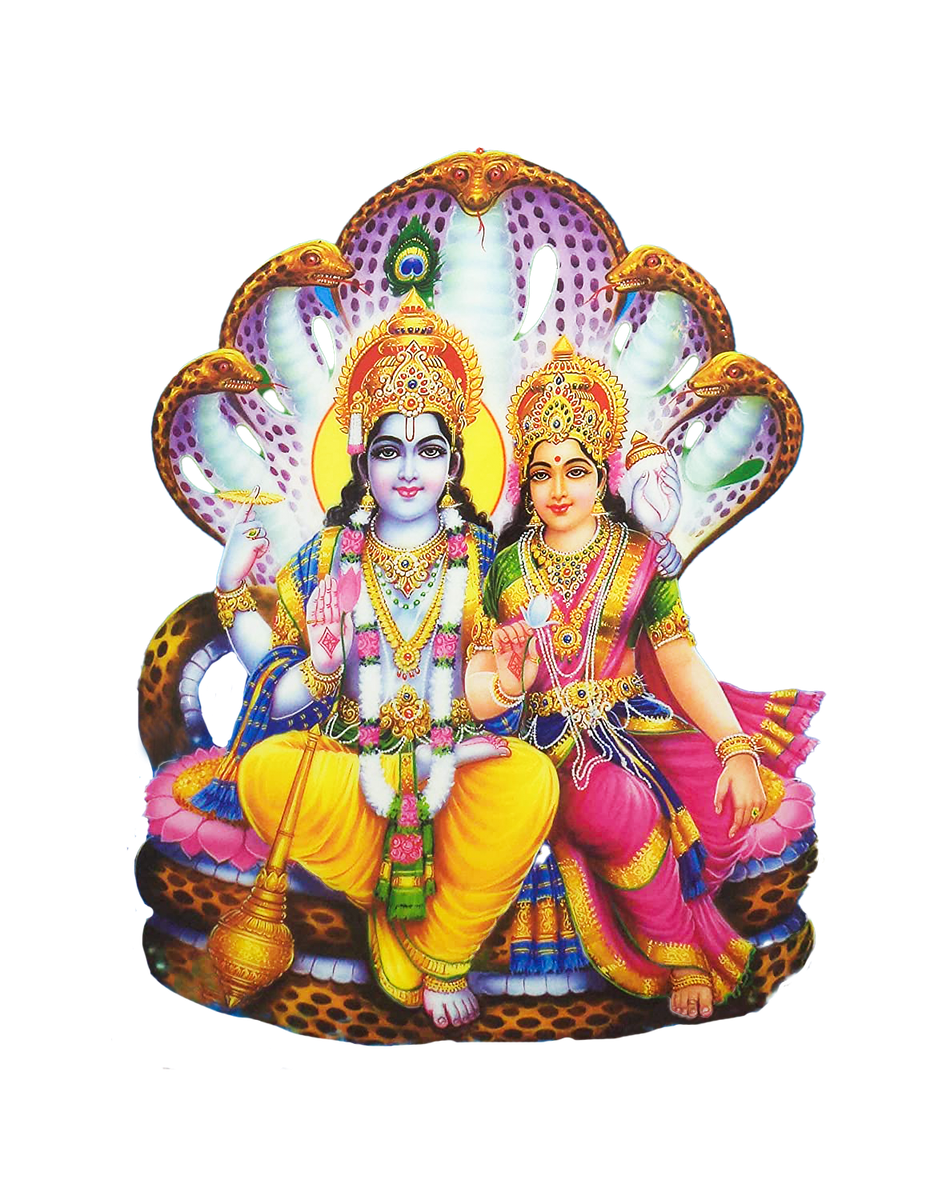
Set up a small altar with an image or idol of Bhagwan Vishnu, and if observing Satyanarayan Puja, add a kalash of water topped with mango leaves and a coconut.
Offer tulsi leaves, yellow flowers, fruits, and panchamrit (a mixture of milk, curd, ghee, honey and sugar) to the deity.
Light a diya of ghee and recite the Vishnu Sahasranama, Purnima Vrat Katha, or Satyanarayan Katha. Many devotees also chant "Om Namo Bhagavate Vasudevaya" through the day.
Observe a fast, taking only fruits, milk or one satvik meal in the evening, avoiding grains, salt and non-vegetarian food for those who keep a strict vrat.
At moonrise, offer arghya (water) to Chandra Dev, standing with folded hands facing the moon, and pray for peace of mind and the fulfilment of righteous wishes.
After the puja, distribute prasad among family and neighbours, and give food, clothes or money in charity to the poor, especially Brahmins, elders and those in need.
Significance and Benefits
Each month's Purnima carries its own layered meaning, but the underlying purpose is the same: purification of mind and body, gratitude to Vishnu as the preserver of dharma, and reverence for the moon's influence over emotional wellbeing.
Observing Purnima Vrat with sincerity is believed to bring peace of mind and relief from unnecessary worry, harmony in family relationships, growth in wealth and prosperity earned through honest effort, protection from the negative effects of an afflicted moon in one's birth chart, and spiritual merit equal to charitable acts performed at a place of pilgrimage.
Sharad Purnima in particular is associated with Goddess Lakshmi's blessings and the tradition of kheer kept under the moonlight overnight; Kartik Purnima is linked to the story of Bhagwan Vishnu's Matsya Avatar and the lighting of deepdaan at rivers and temples; Guru Purnima is dedicated to honouring one's spiritual and academic teachers.
Dos and Don'ts
Do bathe early, keep the mind calm through the day, recite the katha or the name of Vishnu, and perform charity according to one's means.
Do avoid anger, harsh speech, and unnecessary disputes on this day, since the mind is considered especially sensitive to the moon's influence.
Avoid non-vegetarian food, alcohol and tamasic habits if observing a strict vrat, and avoid cutting hair or nails on this day as per regional custom.
Those with health conditions such as diabetes, pregnancy or advanced age may keep a partial fast with fruits and milk rather than a complete waterless fast; the sincerity of the mind matters far more than physical austerity.
A Gentle Closing Note
Purnima Vrat is, at its heart, a monthly reminder to pause, look inward, express gratitude, and reach out to those less fortunate. It does not require wealth or elaborate ritual, only a sincere heart turned toward the divine.
Quick guide
Before you begin
Mantra
Vishnu mantra
Om Namo Bhagavate Vasudevaya
Chant before katha or aarti while praying for protection, dharma, and peace.
Bhav
Benefits devotees pray for
FAQ
Common questions
Can Purnima Vrat be observed by anyone regardless of caste or wealth?
Yes. As the katha of Shatanand shows, this vrat is meant for every sincere devotee. It does not require costly rituals; a pure heart, fasting, a lamp, and a small act of charity are enough.
Is it necessary to fast without water on Purnima?
No, a complete waterless fast is not mandatory. Most devotees keep a fruit-and-milk fast or eat one satvik meal in the evening. Those who are elderly, pregnant, or unwell may adjust the fast to suit their health while keeping the spirit of the vrat.
What is the connection between Purnima and Satyanarayan Puja?
Satyanarayan Puja, a worship of Bhagwan Vishnu in his form as the embodiment of eternal truth, is traditionally performed on Purnima (and also on Ekadashi) because the full moon is considered an especially auspicious time to invoke Vishnu's blessings for the whole family.
Which Purnima is considered the most significant?
Each Purnima has its own importance, but Sharad Purnima, Kartik Purnima, Vaishakh (Buddha) Purnima and Guru Purnima are widely regarded as especially significant across regions of India.
Book a Purnima Puja with Our Pandits
Let our experienced pandits perform your Purnima Satyanarayan Puja and sankalp with complete Vedic vidhi on your behalf.