
 पितृ शांति उपाय
Practical, dharmic remedies — from tarpan and daan to simple daily habits — that Hindu tradition offers to pacify ancestors and ease the effects of Pitra Dosh.
Once a family senses, through an astrologer's reading or through recurring patterns of hardship, that Pitra Dosh may be affecting them, the natural question is: what can be done? Sanatan Dharma's answer is gentle and practical — a set of remedies (upay) built on remembrance, offering and gratitude, meant to be performed with sincerity rather than anxiety.
The Foundation: Shraddha and Tarpan
The single most important remedy for Pitra Dosh is shraddha — a ritual offering made in honour of departed ancestors, traditionally performed by the eldest son or an appropriate family member, ideally under the guidance of a qualified priest.
Tarpan is the accompanying water-offering ritual: water mixed with black sesame seeds (til) and sacred kusha grass is offered to the ancestors while chanting their names and gotra, typically facing south, the direction associated with Pitru Loka (the realm of ancestors) and its guardian, Yamraj.
The most auspicious time for shraddha and tarpan is Pitru Paksha, the fortnight before Sharad Navratri, when it is believed the ancestors descend closer to the earthly realm and are especially receptive to offerings made by their descendants. Within Pitru Paksha, performing shraddha on the exact tithi (lunar date) of an ancestor's passing is considered most effective; if the exact tithi is unknown, Sarva Pitru Amavasya (the final day of Pitru Paksha) is used for all ancestors collectively.
Outside Pitru Paksha, monthly Amavasya (new moon) is also considered a suitable day for simple tarpan and remembrance.
Pind Daan at Sacred Tirthas
For families wishing to perform a more complete pitru shanti, undertaking a pilgrimage to a tirtha specifically associated with ancestral rites is considered deeply meaningful. Gaya (home to the sacred Gaya Vishnupad temple) is regarded in the Puranas as the foremost place for pind daan — it is said that even Lord Rama performed the pind daan of his father Dashrath here. Other significant places include Haridwar, Prayagraj (at the Triveni Sangam) and Varanasi. Where a physical pilgrimage is not possible, many families arrange for pandits at these tirthas to perform the rites on their behalf with the family's name and gotra.
Daily and Simple Household Upay
Not every remedy requires an elaborate ritual. Hindu households traditionally observe smaller, daily practices believed to keep ancestral energy calm and blessings flowing:
Offering water (jal) to a Peepal tree on Saturdays, since the Peepal is believed to be a dwelling place of ancestral souls.
Feeding crows before one's own morning meal, as crows are traditionally regarded as messengers of the Pitrs — if a crow accepts the offered food, it is seen as a sign of ancestral blessing.
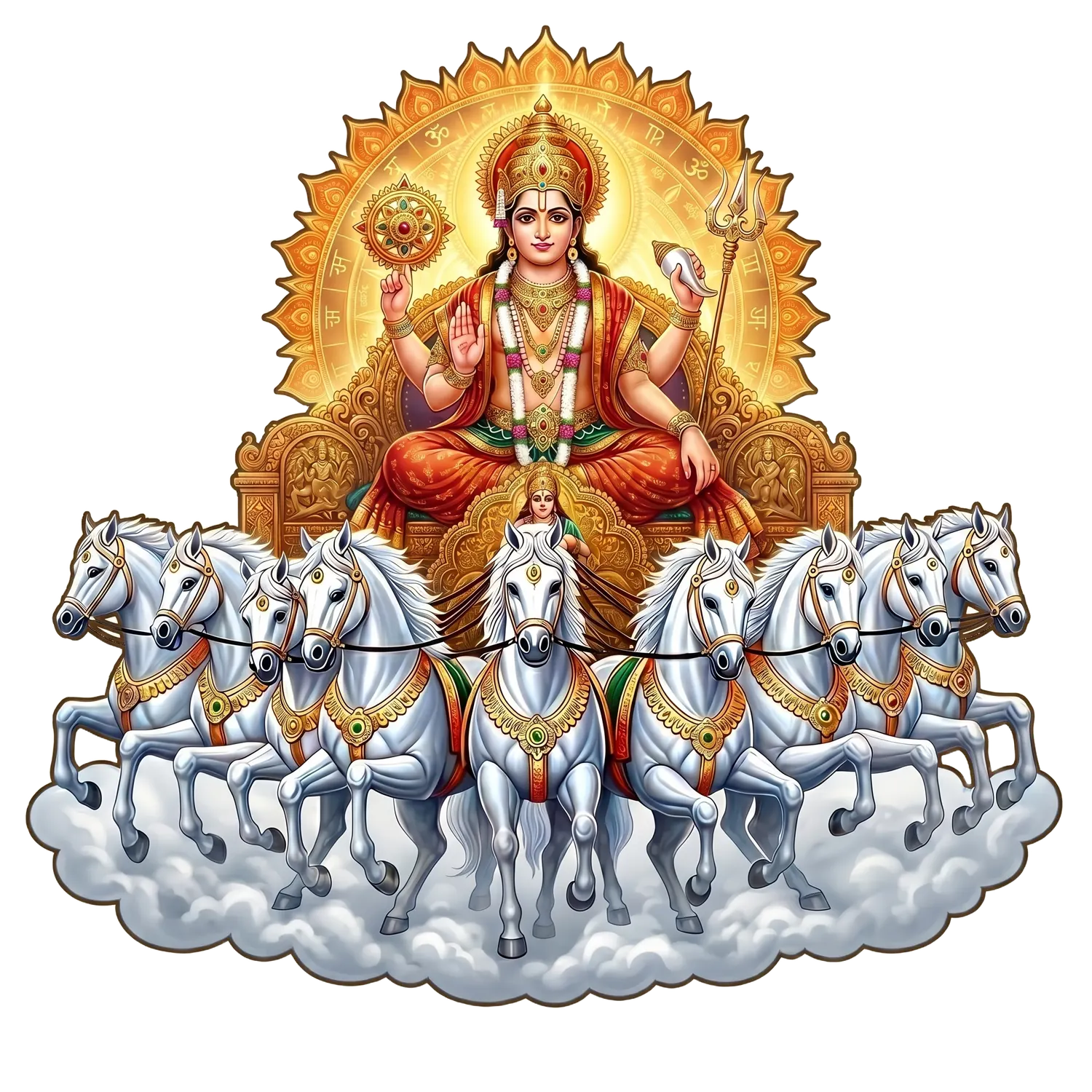
Offering arghya (water) to Surya (the Sun) each morning while facing east, since the Sun represents the paternal, ancestral line.
Keeping a respectful photograph or memory-corner of departed elders in the home, lighting a diya near it on their death anniversary.
Donating food, clothes, blankets or grains to the needy, especially on Amavasya, in the name of one's ancestors.
Feeding cows, particularly with items like jaggery, wheat or green grass.
Avoiding non-vegetarian food and alcohol on Amavasya and during Pitru Paksha, as a mark of respect.
Mantra and Chanting
Chanting the Gayatri Mantra daily is widely recommended, since the Sun (Surya), whom the mantra invokes, governs the paternal and ancestral line in Vedic astrology. Some families also chant the Pitru Gayatri Mantra, or a simple prayer such as:
ओम् पितृ देवाय नमः
recited with folded hands while offering water, as an expression of gratitude and remembrance.
Resolving What Words Cannot Reach
Sanatan tradition also emphasises an inner remedy alongside the outer rituals: consciously letting go of long-held family grudges, forgiving disputes tied to a departed elder's memory, and speaking of ancestors with respect rather than resentment. Many families find that this emotional resolution, paired with the outer rituals, brings a lightness that ritual alone does not fully provide.
How Long Should These Be Practised
There is no single fixed duration; tradition encourages consistency over intensity. Many families adopt an annual rhythm — full shraddha rites each Pitru Paksha, monthly tarpan on Amavasya, and daily small gestures like Surya arghya or crow-feeding — continued as an ongoing part of family life rather than a one-time fix. Visible relief, per tradition, tends to build gradually with sincere and regular practice.
A Gentle Reminder
These remedies are acts of devotion and gratitude, not transactions or guarantees. They are offered here as dharmic, safe household practices rooted in long tradition — not as a substitute for medical, legal or financial advice where those are genuinely needed. Approach them with faith and patience rather than urgency or fear.
Frequently Asked Questions
What is the easiest Pitra Dosh remedy to start with? Offering water to the Sun each morning and feeding crows before breakfast are simple, accessible practices any family member can begin immediately.
Is it necessary to travel to Gaya or another tirtha? It is considered highly meaningful but not mandatory. Many families perform sincere tarpan and shraddha at home or arrange for the rites to be done on their behalf at a tirtha by a pandit.
Can these remedies be done by daughters or without a son in the family? Yes. While tradition historically emphasised the eldest son, in practice today, any sincere family member, including daughters, can perform tarpan and shraddha, ideally with guidance from a knowledgeable priest.
When exactly is Pitru Paksha, and why is it important? Pitru Paksha is the fortnight preceding Sharad Navratri, considered the most powerful time of the year for honouring ancestors, as they are believed to be closest to the earthly plane during this period.
Quick guide
Before you begin
Mantra
Shiva mantra
Om Namah Shivaya
Chant with a quiet mind, especially on Monday, Pradosh, or during Shiva puja.
Bhav
Benefits devotees pray for
FAQ
Common questions
What is the easiest Pitra Dosh remedy to start with?
Offering water to the Sun each morning and feeding crows before breakfast are simple, accessible practices.
Is it necessary to travel to Gaya or another tirtha?
It is highly meaningful but not mandatory; sincere home tarpan or a pandit performing it on your behalf also works.
Can these remedies be done by daughters or without a son?
Yes, any sincere family member can perform tarpan and shraddha with proper guidance.
When exactly is Pitru Paksha?
It is the fortnight preceding Sharad Navratri, considered the most powerful time for honouring ancestors.
Perform Pitru Shanti with Full Vidhi
Book a complete Pitru Shanti puja and tarpan performed by experienced pandits.