
 पितृ ऋण
Pitra Dosh is the unresolved debt to one's ancestors that Vedic astrology says can quietly shadow health, career and family peace until it is acknowledged and pacified.
In the Sanatan worldview, our life does not begin with us. We are a link in a long chain of ancestors — parents, grandparents and generations before them — whose blessings, unfulfilled wishes and unresolved suffering are believed to travel forward through the family line. Pitra Dosh, sometimes written Pitru Dosh, refers to an astrological affliction that arises when this ancestral connection is disturbed: when an ancestor's soul did not receive proper last rites, when their wishes remained unfulfilled, when family duties toward them were neglected, or when there is unexpressed grief, guilt or unresolved conflict tied to a forebear.
This is not meant to frighten anyone. Hindu tradition treats Pitra Dosh as something ordinary and fixable — a reminder that gratitude toward one's ancestors is part of dharma, not a curse that cannot be lifted.
What Causes Pitra Dosh
Classical Vedic astrology looks at the ninth house of the birth chart (kundali) as the house of father, ancestors and dharma. Pitra Dosh is typically indicated when the Sun, being the natural karaka (significator) for father and ancestors, is afflicted by malefic planets such as Rahu, Ketu or Saturn — especially when Rahu or Ketu conjoins or aspects the Sun, or when the ninth house and its lord are weak or heavily afflicted.
Beyond planetary placements, Hindu tradition also points to real, lived causes:
An ancestor who died an untimely, violent or unnatural death.
Last rites (antyeshti) or shraddha rituals that were not performed, or performed incompletely.
A family member who passed away with unfulfilled desires, unresolved anger, or a sense of injustice.
Neglect of elders while they were alive, or family disputes over inheritance that were never resolved.
Breaking a promise made to a parent or grandparent.
Harming or disrespecting cows, brahmins, or the environment, which our ancestors held sacred.
It is important to understand that Pitra Dosh is not "punishment." It is better understood as an energetic imbalance — the ancestors are believed to remain spiritually restless when their memory and needs are not honoured, and this restlessness is said to ripple into the descendants' lives until it is consciously addressed.
Common Symptoms and Effects
Those who study Pitra Dosh in a horoscope often correlate it with patterns such as:
Repeated, unexplained obstacles in career or business despite hard work.
Delay or difficulty in marriage, or friction and misunderstanding within married life.
Difficulty in conceiving children, or health issues concerning children.
Chronic, hard-to-diagnose health problems that do not respond easily to treatment.
A persistent undercurrent of family disputes, especially over property or elders.
A feeling of stagnation — as though effort is not translating into results.
Recurring dreams of deceased ancestors, especially dreams where they appear hungry, distressed or asking for something.
A sense of restlessness or lack of peace at home despite outward comfort.
It is worth saying clearly: not every difficulty in life is Pitra Dosh, and not every family with these struggles has Pitra Dosh in their chart. Many of these patterns have very ordinary explanations — financial planning, health habits, communication in relationships. Pitra Dosh is one lens among many that Vedic astrology offers, not the only explanation for hardship, and it should never be used to induce fear or to explain away one's own choices and effort.
How It Is Identified
A qualified astrologer examines the ninth house, its lord, the placement of the Sun, and the influence of Rahu, Ketu and Saturn upon them. The dashas (planetary periods) running at the time troubles began are also studied, since Pitra Dosh effects are often said to intensify during the mahadasha or antardasha of the afflicting planet. Family history — how ancestors passed away, whether rites were completed, any long-standing unresolved disputes — is considered alongside the chart, because in the Hindu tradition, astrology and lived family memory are read together, not in isolation.
Timeline and What to Expect
Pitra Dosh is described in the tradition as something that tends to show its effects gradually rather than suddenly, often becoming more visible during major life transitions — marriage, starting a family, a new career phase — and easing once appropriate remedial rituals (upay) are undertaken with sincerity, patience and regularity. Traditional texts do not promise an overnight resolution; rather, they describe steady relief as shraddha, tarpan and related practices are followed with devotion over time, typically across a period of months rather than days.
Dharmic Remedies
The remedies for Pitra Dosh in Sanatan Dharma are gentle, respectful practices rooted in remembrance and gratitude rather than fear:
Shraddha and Tarpan: Performing shraddha rites for ancestors, especially during Pitru Paksha, and offering tarpan (water offerings) to forebears on Amavasya or on the ancestor's death anniversary (tithi).
Pitru Puja at sacred tirthas: Places like Gaya (Gaya Vishnupad), Haridwar, Prayagraj and Varanasi are traditionally considered especially powerful for pind daan and pitru shanti rituals.
Feeding and honouring elders, brahmins, cows and crows, which are seen as connected to the ancestral realm in Hindu cosmology.
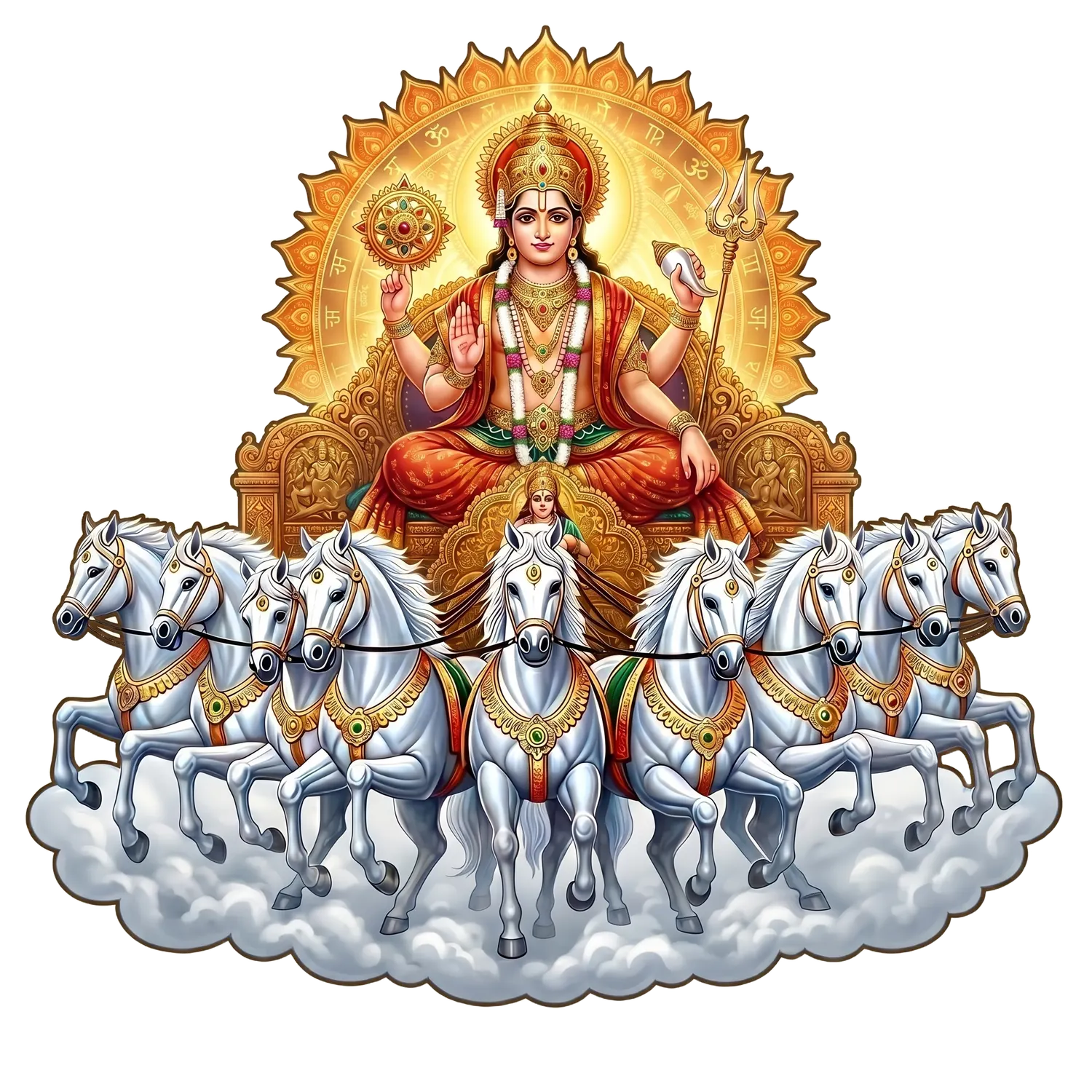
Chanting the Gayatri Mantra and offering water to the Sun (Surya Arghya) each morning, since the Sun represents father and ancestral lineage.
Daan (charitable giving) of food, clothes, sesame seeds (til), and grains, particularly on Amavasya days.
Speaking respectfully of departed elders, keeping their photographs with reverence, and consciously resolving any lingering family disputes tied to their memory.
A Gentle Note
Pitra Dosh is a spiritual and cultural concept meant to encourage remembrance, gratitude and reconciliation with one's family lineage — it is not a deterministic verdict on your fate, and no single planetary combination decides the whole of a person's life. If you are facing serious health, financial, legal or emotional difficulties, please also consult the appropriate medical, legal or financial professionals; astrology and dharmic remedy work best as a source of peace and clarity alongside, not instead of, practical care.
Frequently Asked Questions
Is Pitra Dosh present in every horoscope with some affliction to the ninth house? Not necessarily. A weak ninth house or afflicted Sun can indicate many things; an experienced astrologer studies the full chart and family context before concluding Pitra Dosh is significant.
Can Pitra Dosh be completely removed? Tradition holds that its intensity can be greatly eased through sincere, sustained remedial practice — shraddha, tarpan, daan and respectful remembrance — even if the placement in the birth chart itself does not change.
Does Pitra Dosh mean someone did something wrong? No. It usually points to an ancestor's unresolved circumstances, not a fault of the person currently living. The remedies are acts of honouring and healing, not of blame.
Quick guide
Before you begin
Mantra
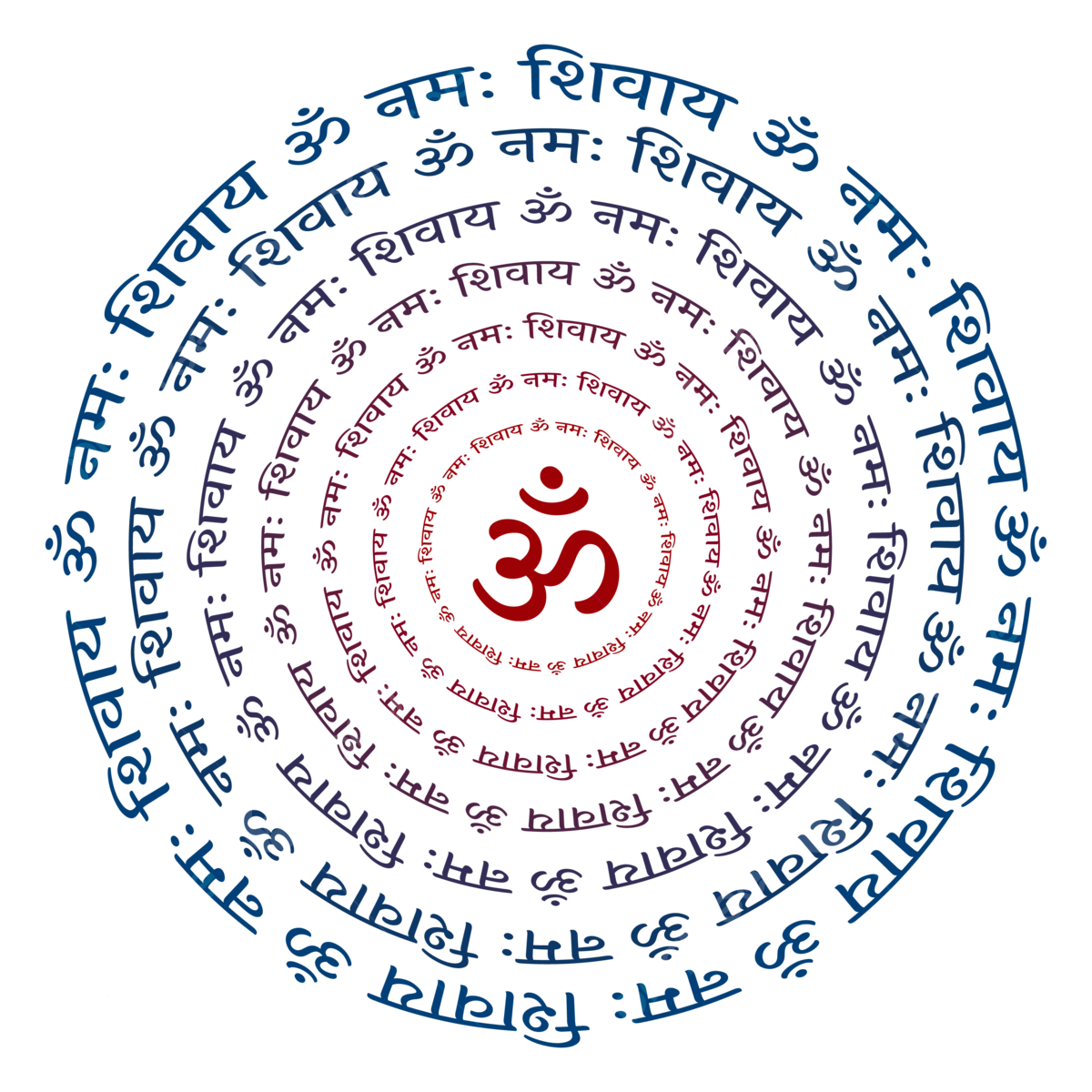
Shiva mantra
Om Namah Shivaya
Chant with a quiet mind, especially on Monday, Pradosh, or during Shiva puja.
Bhav
Benefits devotees pray for
FAQ
Common questions
Is Pitra Dosh present in every horoscope with some affliction to the ninth house?
Not necessarily. A weak ninth house or afflicted Sun can indicate many things; an experienced astrologer studies the full chart and family context before concluding Pitra Dosh is significant.
Can Pitra Dosh be completely removed?
Tradition holds that its intensity can be greatly eased through sincere, sustained remedial practice such as shraddha, tarpan, daan and respectful remembrance.
Does Pitra Dosh mean someone did something wrong?
No. It usually points to an ancestor's unresolved circumstances, not a fault of the person currently living.
Where is Pitra Dosh remedy traditionally most effective?
Tirthas like Gaya, Haridwar, Prayagraj and Varanasi are traditionally considered especially significant for pind daan and pitru shanti.
Seek Peace for Your Ancestors
Book a Pitru Shanti puja performed with full vidhi by our pandits.