
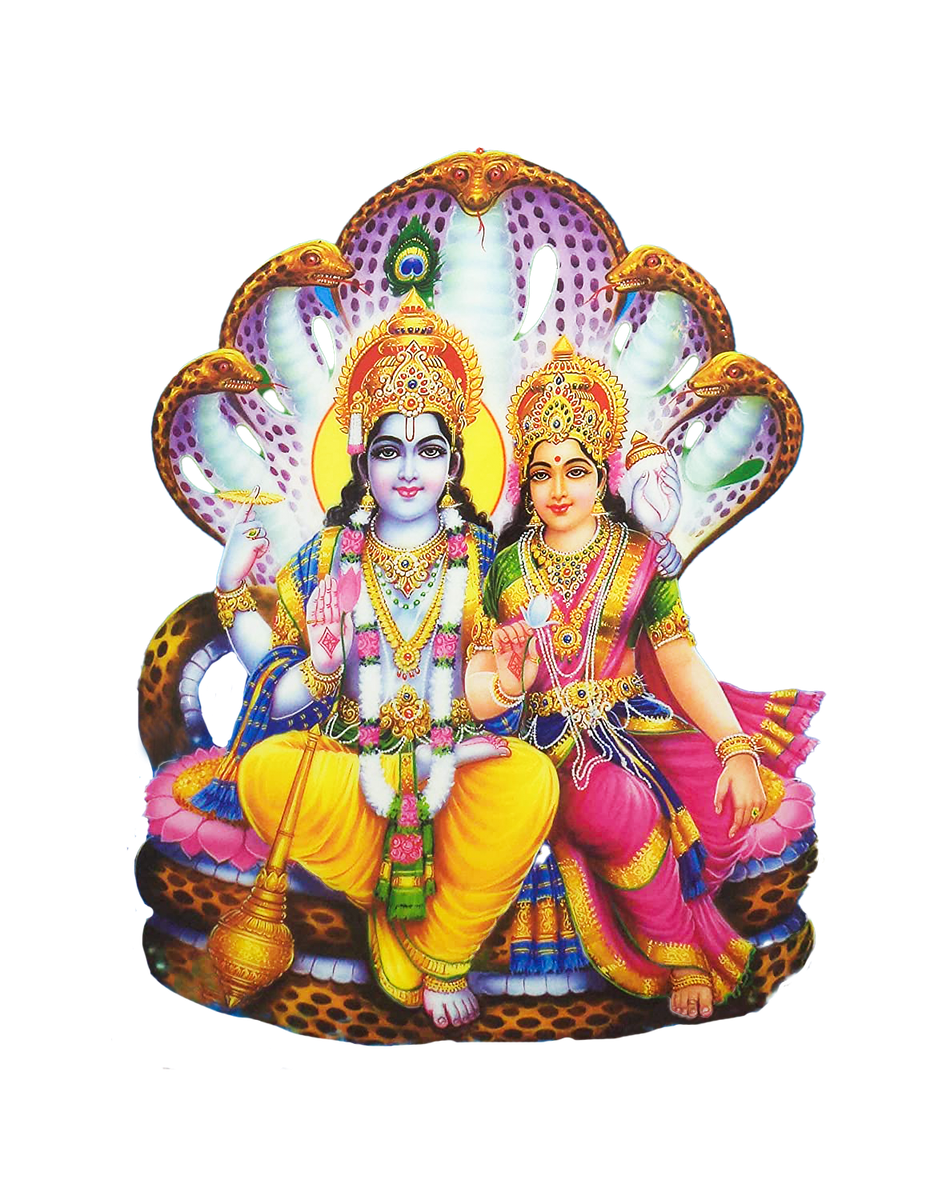
 जय श्री हरि विष्णु
The full story, meaning and vrat vidhi of Papmochani Ekadashi, the sin-cleansing fast of Chaitra month.
About Papmochani Ekadashi
Papmochani Ekadashi falls on the eleventh day (Ekadashi tithi) of the Krishna Paksha of the Chaitra month, usually the last Ekadashi before the Hindu new year begins. Its name itself means "the remover of sins" - paap (sin) and mochan (release). It is dedicated to Lord Vishnu and is considered one of the most powerful Ekadashis for washing away even long-accumulated sins of this life and past lives.
The Story of Papmochani Ekadashi
This katha is described in the Bhavishyottara Purana, as narrated by sage Lomasa to the ancient king Mandhata.
In the celestial Chaitraratha forest, a young and radiant sage named Medhavi Muni was engaged in deep tapasya on the bank of a sacred river, seeking to conquer desire and attain liberation. His penance grew so intense that it began to disturb the peace of Indra, king of the heavens, who feared the sage might gain power that could challenge the gods.
To break Medhavi's tapasya, Indra sent a celestial apsara named Manjughosha, along with Kamadeva, the god of love, and Vasant, the season of spring, to the sage's hermitage. Manjughosha sang and danced with such enchanting beauty near his asana that Medhavi's meditation broke. He opened his eyes, saw her extraordinary beauty, and fell under the spell of desire.
Forgetting his vows, Medhavi remained with Manjughosha for what felt to him like a single day and night in the hermitage - but in truth, by her celestial power, fifty-seven years had passed in the outside world. When Manjughosha finally sought his permission to return to the heavens, Medhavi realised with shock how far he had strayed from his path and how much of his penance had been lost.
Overcome with anger at being deceived, and at himself for succumbing, Medhavi cursed Manjughosha that she would lose her celestial beauty and become a fearsome pishachini, a demoness roaming the earth. Manjughosha fell at his feet weeping, and pleaded that she had only followed Indra's command and never intended him harm.
Seeing her genuine remorse, and recognising his own share of the fault, sage Medhavi told her of a vrat that could dissolve the curse: Papmochani Ekadashi, observed in the Krishna Paksha of Chaitra month. He instructed her to keep this fast with full faith, worshipping Lord Vishnu, and assured her that its merit would completely free her from the curse.
Manjughosha observed the Papmochani Ekadashi vrat with sincere devotion. The moment the fast was complete, her demonic form vanished, her original divine beauty was restored, and she returned to the heavens, free of sin. Sage Medhavi, having observed the same vrat, was also cleansed of the sin of breaking his tapasya and was able to resume his path toward liberation.
Lord Krishna, narrating this story to Yudhishthira, said that whoever hears or reads this katha, or observes the Papmochani Ekadashi vrat with devotion, is freed even from sins as grave as brahma-hatya and receives the blessings of Lord Vishnu.
Vrat Vidhi
Wake before sunrise on Dashami, the day before Ekadashi, and eat a light satvik meal, avoiding heavy or tamasic food that evening. On Ekadashi, bathe early, wear clean clothes and take a sankalp to observe the fast for Lord Vishnu's grace. Worship Vishnu with tulsi leaves, yellow flowers, incense and a ghee lamp, and recite or listen to this katha. Keep a fruit-only (phalahar) or nirjala fast according to your capacity, avoiding rice and grains. Stay awake through the night if possible with bhajans or satsang. Break the fast the next morning on Dwadashi after worship, ideally after feeding a Brahmin or someone in need.
Benefits of Papmochani Ekadashi Vrat
Devotees believe this vrat washes away sins committed knowingly or unknowingly, purifies the mind of desire and attachment that block spiritual progress, brings the protection and blessings of Lord Vishnu, and readies the soul for growth as the new Hindu year begins.
A Gentle Note
This vrat and its story belong to devotional faith and tradition, meant to inspire humility, self-reflection and surrender - not a promise of guaranteed or magical results. Elderly, pregnant, unwell or chronically ill individuals should adapt the fast to fruits and liquids, or consult a doctor before undertaking any strict fast.
Quick guide
Before you begin
Mantra
Vishnu mantra
Om Namo Bhagavate Vasudevaya
Chant before katha or aarti while praying for protection, dharma, and peace.
Bhav
Benefits devotees pray for
FAQ
Common questions
When does Papmochani Ekadashi fall?
It falls on the Ekadashi tithi of the Krishna Paksha of the Chaitra month, usually the last Ekadashi before the Hindu new year begins.
Who are the main characters in this katha?
Sage Medhavi Muni, the apsara Manjughosha, and Indra, who sent her to disturb the sage's tapasya, are the central figures of this story.
What sins does this vrat remove?
Tradition holds that Papmochani Ekadashi removes sins committed knowingly or unknowingly, even ones as serious as brahma-hatya, when observed with genuine faith.
Can this vrat be observed without a strict nirjala fast?
Yes, a phalahar (fruit-only) or liquid fast is acceptable according to one's health; sincerity of devotion matters more than the strictness of the fast.
Observe Papmochani Ekadashi with a Sankalp Puja
Book a Vishnu puja with naam-gotra sankalp for peace of mind and spiritual purification.