

 मौनं सर्वार्थ साधनम्
Mauni Amavasya, the no-moon day of Magh month, is observed with sacred silence, holy bathing, and pitru tarpan to earn the merit of a thousand ordinary vrats.
What Is Mauni Amavasya
Mauni Amavasya falls on the no-moon day (Amavasya) of the Hindu month of Magh, usually in January or February, during the most sacred stretch of the winter season when the sun begins its northward journey, Uttarayan. The word mauni comes from mauna, meaning silence, and this Amavasya is unique among all the no-moon days of the year because it is dedicated specifically to the practice of silence as a spiritual discipline, alongside holy bathing and ancestral rites.
It holds special importance during the Magh Mela and, in years when the Kumbh falls in Magh month, Mauni Amavasya becomes the most significant Shahi Snan, the royal bathing day, when millions gather at the Sangam in Prayagraj, at Haridwar, and at other sacred river confluences to bathe before sunrise.
The Katha of Mauni Amavasya
Ancient texts including the Skanda Purana and Padma Purana narrate that the sage Manu, the progenitor of humankind in this cycle of creation, undertook intense tapasya and observed a vow of complete silence on this very Amavasya of the Magh month. Because of his unbroken silence and unwavering devotion, this day came to be associated with his name and his practice, and devotees who observe silence on this day are said to walk the same path Manu walked toward self-mastery.
Another well-loved katha connects Mauni Amavasya to the story of a poor but devout Brahmin named Somsharma who lived in a small village. Somsharma was extremely poor, yet each day he would go to the Ganga to bathe and offer what little he had in worship, never once complaining of his poverty. One Magh Amavasya, exhausted from his daily hardships, he sat by the riverbank in complete silence, too weary even to speak his usual prayers, and simply closed his eyes in quiet surrender to the divine, bathing at the sacred confluence and observing mauna without realizing the day's special significance.
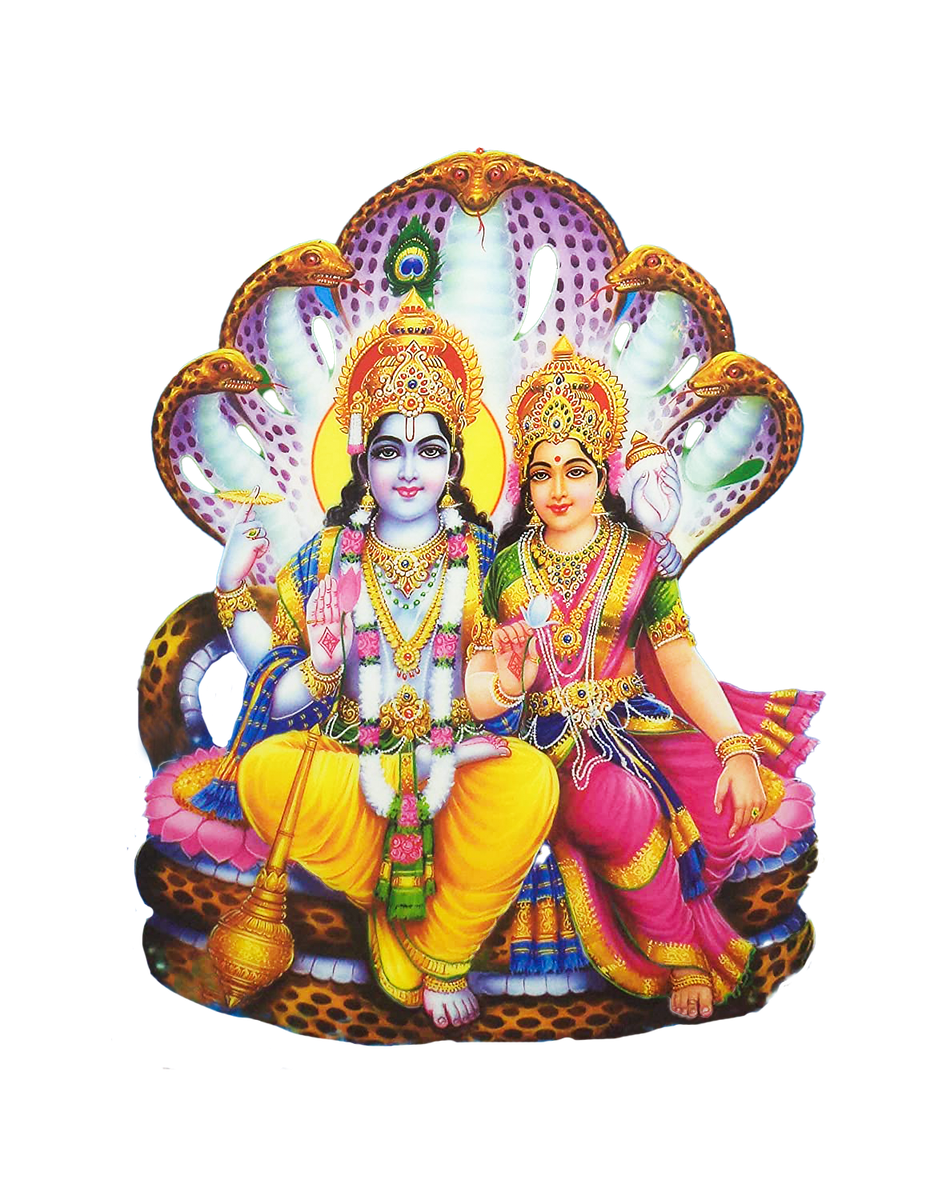
That very night, Goddess Lakshmi and Lord Vishnu, moved by the depth of his silent devotion, which was purer than any spoken prayer because it came from a heart that had let go of all complaint and desire, appeared in his dream and blessed him with prosperity. When Somsharma awoke, he found his fortunes transformed, not through any elaborate ritual but through the simple, sincere silence he had kept while bathing in the holy river on Mauni Amavasya. From that day, the practice of observing silence, bathing in a sacred river, and offering charity on this Amavasya became known to grant blessings equal to performing a thousand yajnas.
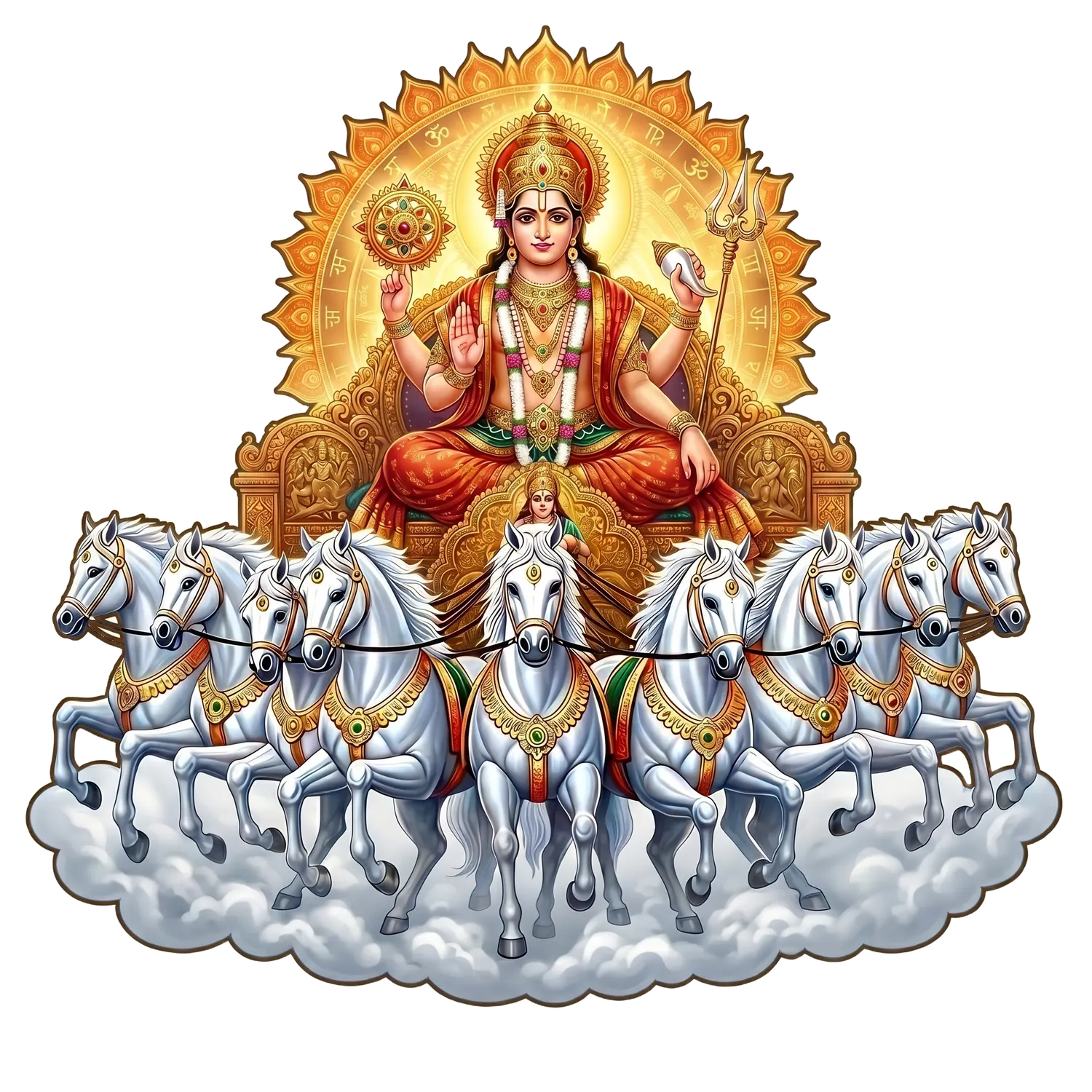
The scriptures also emphasize that Magh month itself is dear to Lord Vishnu and the sun god, and that any charity, bathing, or worship performed during this month, especially on Mauni Amavasya, multiplies many times in merit. It is also considered one of the most auspicious days for pitru tarpan, offering water and rice to one's ancestors, because the veil between the physical world and the ancestral realm is said to be especially thin on this day, and offerings made with a silent, focused mind reach the ancestors most directly.
Why Silence Is Observed
Speech, in the Sanatan tradition, is considered one of the greatest sources of both merit and demerit, since careless words create karma just as surely as actions do. Mauna, voluntary silence, is prescribed on this day as a discipline that turns the mind inward, away from the noise of daily conversation and toward japa, dhyana, and self-reflection. By restraining speech for even part of the day, a devotee restrains the restless mind that speech usually serves, and this stillness is believed to make worship, especially the pitru tarpan performed on this day, far more powerful and focused.
Puja Vidhi and How to Observe the Day
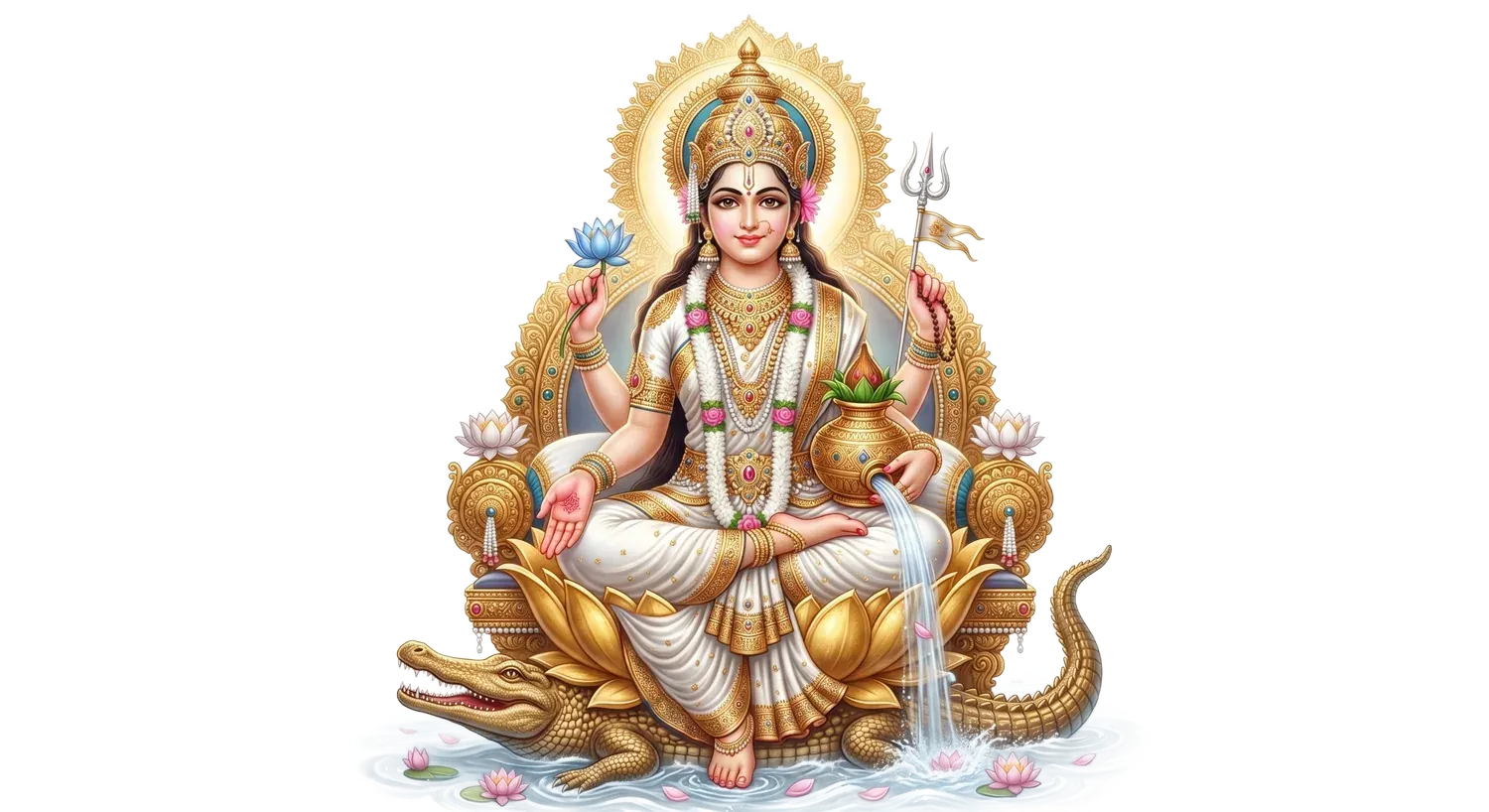
Devotees rise before sunrise, ideally in the Brahma Muhurta, and bathe in a river, especially the Ganga, Yamuna, or another sacred confluence if possible; those who cannot travel add a few drops of Ganga jal to their bathing water at home and chant Ganga's name while bathing. Many devotees observe mauna, complete silence, from this pre-dawn bath until sunset or until they have completed their day's rituals and meal.
After the bath, tarpan is offered to ancestors using sesame seeds, water, and darbha grass, ideally guided by a priest, along with prayers for the peace of departed souls. Charity, daan, of food, clothes, blankets, sesame seeds, or money to the needy and to Brahmins is considered especially fruitful on this day. Many devotees also chant the Vishnu Sahasranama, Om Namo Bhagavate Vasudevaya, or simply keep their mind on their chosen mantra silently through japa using a mala, letting the beads speak where the tongue does not.
The day is broken with a simple satvik meal, and speech is resumed only after the rituals are complete, often accompanied by a resolve to carry a little of that day's stillness into ordinary life.
Benefits and Mahatmya
Mauni Amavasya is described in the Puranas as granting the merit of performing a thousand ordinary vrats when observed with sincere silence and holy bathing. It is believed to bring peace to ancestors when tarpan is performed, remove pitru dosha, and bestow prosperity, mental clarity, and freedom from the burden of unnecessary speech and its consequences. The discipline of silence itself is said to be a powerful sadhana that, practiced even occasionally, sharpens awareness and reduces the restlessness of the mind for days afterward.
FAQ
Answered below are the questions devotees most often ask about Mauni Amavasya.
Quick guide
Before you begin
Mantra
Vishnu mantra
Om Namo Bhagavate Vasudevaya
Chant before katha or aarti while praying for protection, dharma, and peace.
Bhav
Benefits devotees pray for
FAQ
Common questions
Why is silence observed on Mauni Amavasya?
Silence, or mauna, turns the mind inward and away from careless speech which creates karma. Observing mauna on this day is believed to make japa, dhyana, and pitru tarpan far more focused and powerful.
Is bathing in the Ganga compulsory for Mauni Amavasya?
Bathing in a sacred river is considered highly meritorious but not compulsory. Devotees who cannot travel add a few drops of Ganga jal to their bathing water at home and chant while bathing.
What is pitru tarpan and why is it important on this day?
Pitru tarpan is the offering of water, sesame seeds, and rice to one's ancestors. Mauni Amavasya is considered one of the most powerful days for this ritual because the connection between the living and ancestral realms is believed to be especially strong.
For how long should mauna (silence) be observed?
There is no fixed rule; many observe silence from the pre-dawn bath until their rituals and meal are complete, while others keep partial silence for a few hours as per their capacity.
Perform Pitru Tarpan This Mauni Amavasya
Let our pandits perform a dedicated pitru tarpan puja in your name and gotra on Mauni Amavasya for the peace and blessings of your ancestors.