

 श्री त्रिपुर सुंदरी उपासना
Shodashi, also called Tripura Sundari, is the sixteenth of the Dasha Mahavidyas, the goddess of supreme beauty, fullness and inner completeness, worshipped through a sacred beej mantra.
Who is Shodashi (Tripura Sundari)?
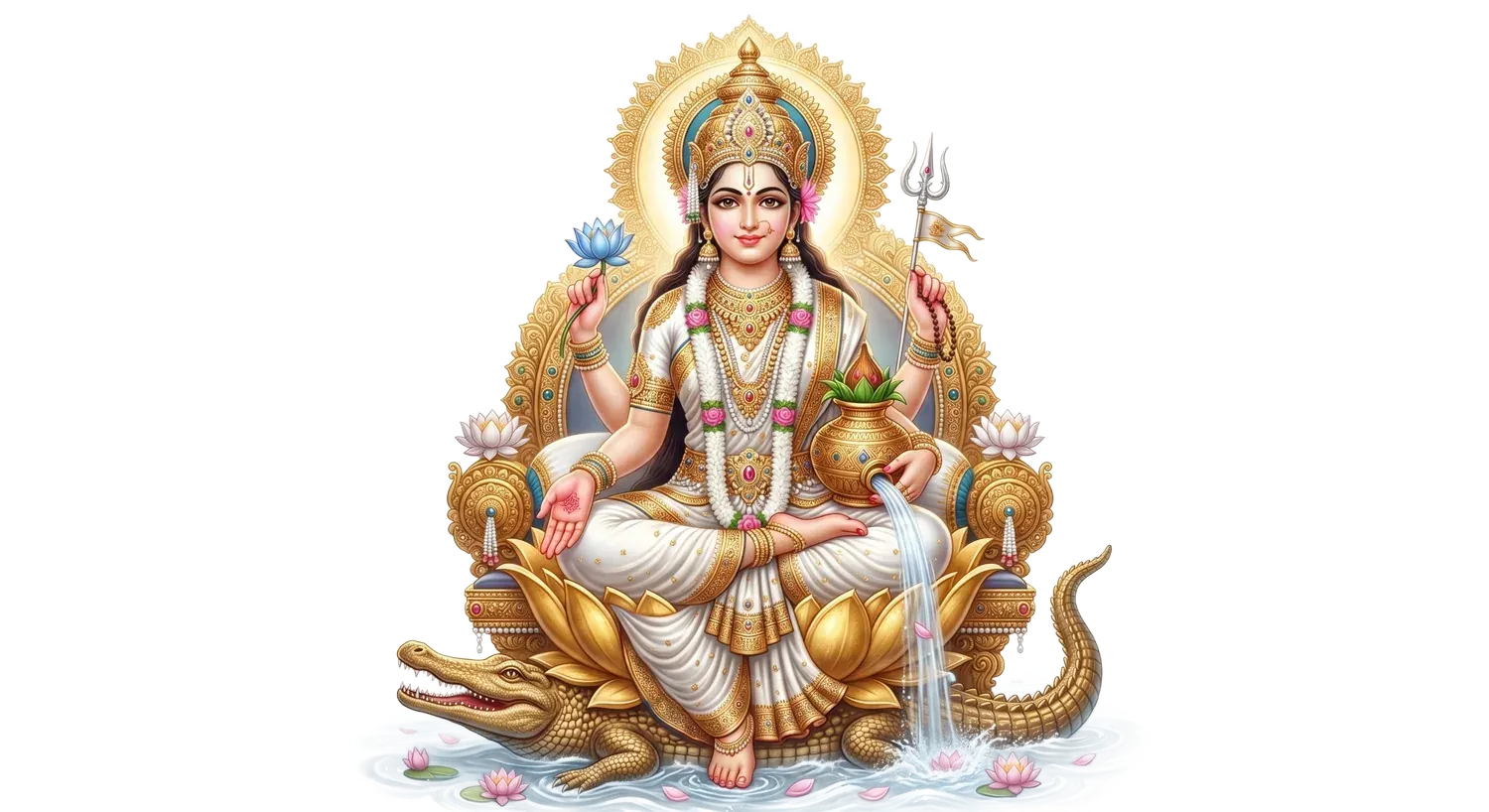
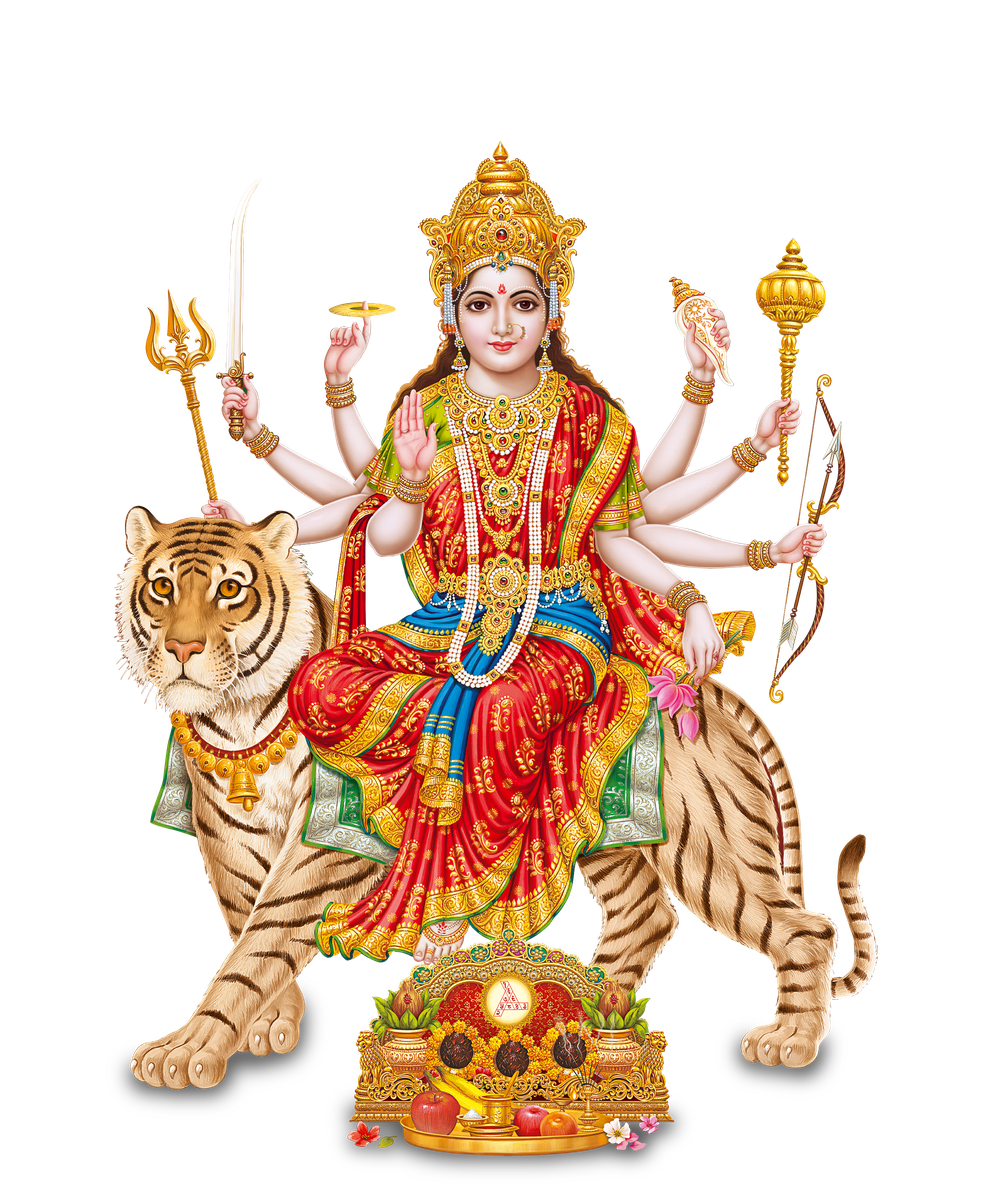
Shodashi, also known as Tripura Sundari, Lalita or Rajarajeshwari, is the sixteenth of the ten Mahavidyas (Dasha Mahavidya) — the supreme forms of the Divine Mother described in Shakta tradition. Her name "Shodashi" means "the sixteen-fold one," referring to the sixteen kalas (phases) of the full moon, symbolising complete, radiant beauty and fullness of consciousness. She is worshipped as the most graceful and beautiful form of the Devi, ruling over harmony, refinement, prosperity and the fulfilment of righteous desires.
An Important Note on This Mantra
In classical tantric tradition, the complete Shodashi (also called the Panchadashi/Shodashi Vidya) mantra is considered a maha-vidya of the highest order and is traditionally transmitted only through direct guru diksha (initiation), with strict rules of purity and practice. Out of respect for this tradition, we do not print the closely-guarded root vidya here. Instead, below is the widely-used, openly chanted beej and devotional salutation mantra that any sincere devotee may recite for the blessings of Devi Shodashi.
The Devotional Mantra (Devanagari)
ॐ ह्रीं श्रीं क्लीं ऐं सौः ॐ ह्रीं
ॐ ह्रीं भगवति श्री महाषोडश्यै नमः
Transliteration
Om Hreem Shreem Kleem Aim Sauh Om Hreem
Om Hreem Bhagavati Shri Maha-Shodashyai Namah
Meaning
The first line strings together the beej sounds most closely associated with Devi Shodashi's essence: Hreem (the maya/illusion-transforming power of the Mother), Shreem (abundance and grace), Kleem (attraction and fulfilment), Aim (wisdom and speech) and Sauh (the seed of the Kameshwari/supreme bliss aspect). The second line is a direct salutation: "Om, I bow to the Divine Mother, the Great Shodashi."
Together, this mantra is an invocation of the Devi's grace, beauty, wisdom and completeness — asking her to bring harmony, refinement and fulfilment into the devotee's inner and outer life, without invoking the deeper tantric vidya reserved for initiated sadhakas.
Upasana Vidhi (How to Worship)
Sit facing east in a clean space, ideally in the early morning or during the Brahma Muhurta. Light a ghee diya and offer red flowers, especially hibiscus or lotus, along with a little honey or sugar as naivedya, since sweetness is dear to Devi Shodashi. Chant the mantra with a red sandalwood or crystal (sphatik) mala, 108 times, keeping the mind focused on an image or yantra (Sri Yantra is traditionally associated with this Devi) if available.
Fridays are considered especially auspicious for Devi worship generally, and the days of Navratri, particularly during the Dasha Mahavidya sadhana period, are ideal for this practice.
Benefits
Sincere devotional chanting of this mantra is believed to bring inner and outer harmony, grace and refinement of speech and conduct, fulfilment of righteous, sattvic desires, and a sense of wholeness, contentment and beauty of spirit that radiates outward. It is also invoked for harmonious relationships and household peace.
Dos and Don'ts
Approach this mantra with humility and devotion rather than as a tool for worldly manipulation. Maintain cleanliness and simplicity in practice. Those wishing to pursue the deeper, complete Shodashi Vidya sadhana should seek a qualified, trustworthy guru rather than attempting it from books or the internet, since traditional texts caution that advanced Shakta sadhana without proper guidance and preparation can be destabilising.
Mahatmya
Devi Shodashi is described in the Lalita Sahasranama tradition as Rajarajeshwari, the Queen of Queens, who presides over the sixteen kalas of perfection — physical, mental and spiritual completeness. Her worship, even in this gentle devotional form, is said to gradually refine the devotee's inner nature, bringing grace, patience and balanced fulfilment of desires along the path of dharma.
Frequently Asked Questions
Is the full Shodashi mantra secret? The complete root vidya is traditionally guru-transmitted with initiation; the devotional mantra given here is open for all sincere devotees to chant.
Can I chant this mantra without initiation? Yes, the beej and salutation mantra above are safe and appropriate for all devotees without formal diksha.
What is Devi Shodashi associated with? Beauty, fullness, harmony, refinement and the graceful fulfilment of righteous desires; she is closely linked to the Sri Yantra and Lalita Sahasranama traditions.
Which day is best to begin this practice? Friday, or any day during Navratri, is considered especially auspicious to begin Devi upasana.
Quick guide
Before you begin
Mantra
Devi mantra
Om Dum Durgaye Namah
Chant 11, 21, or 108 times according to your time and capacity.
Bhav
Benefits devotees pray for
FAQ
Common questions
Is the full Shodashi mantra secret?
The complete root vidya is traditionally guru-transmitted; the devotional mantra given here is open for all devotees.
Can I chant this mantra without initiation?
Yes, the beej and salutation mantra above is safe and appropriate without formal diksha.
What is Devi Shodashi associated with?
Beauty, fullness, harmony and graceful fulfilment of righteous desires, linked to the Sri Yantra tradition.
Which day is best to begin this practice?
Friday, or any day during Navratri, is considered especially auspicious.
Invoke Devi Shodashi's Grace
Book a puja dedicated to the Divine Mother for harmony, grace and fulfilment in your life.