
 श्री ललिता त्रिपुरसुन्दरी
An in-depth guide to the sacred Lalita Sahasranama with select verses, meaning, chanting method and the benefits of worshipping Devi Lalita Tripurasundari.
Lalita Sahasranama is one of the most revered devotional texts in the Shakta tradition, containing the thousand sacred names of Devi Lalita Tripurasundari, the supreme goddess of beauty, grace and cosmic power. It appears in the Brahmanda Purana as part of a dialogue between sage Agastya and Hayagriva, an incarnation of Vishnu, and is chanted daily by devotees of the Devi across India, especially in Shakta and Srividya traditions.
About the Text
The Sahasranama, meaning a thousand names, describes Devi Lalita in her many forms: as the mother of the universe, as the power seated within the Sri Yantra, as the one who resides in the Sahasrara chakra, and as the embodiment of beauty, compassion and supreme knowledge. Each name captures a facet of her divine nature, from her gentle motherly grace to her fierce protective power.
Select Shlokas (Devanagari)
ध्यानम्
सिन्दूरारुण विग्रहां त्रिनयनां माणिक्यमौलिस्फुरत् तारानायकशेखरां स्मितमुखीमापीनवक्षोरुहाम्। पाणिभ्यामलिपूर्णरत्नचषकं रक्तोत्पलं बिभ्रतीं सौम्यां रत्नघटस्थरक्तचरणां ध्यायेत् परामम्बिकाम्॥
अरुणां करुणातरंगिताक्षीं धृतपाशांकुशपुष्पबाणचापाम्। अणिमादिभिरावृतां मयूखैः अहमित्येव विभावये भवानीम्॥
स्तोत्र प्रारम्भ
ॐ ऐं ह्रीं श्रीं श्री ललिता त्रिपुरसुन्दरी परा भट्टारिका श्री पादुकां पूजयामि।
श्री माता श्री महाराज्ञी श्रीमत्सिंहासनेश्वरी। चिदग्निकुण्डसम्भूता देवकार्यसमुद्यता॥
उद्यद्भानुसहस्राभा चतुर्बाहुसमन्विता। रागस्वरूपपाशाढ्या क्रोधाकाराङ्कुशोज्ज्वला॥
मनोरूपेक्षुकोदण्डा पञ्चतन्मात्रसायका। निजारुणप्रभापूरमज्जद्ब्रह्माण्डमण्डला॥
चम्पकाशोकपुन्नागसौगन्धिकलसत्कचा। कुरुविन्दमणिश्रेणीकनत्कोटीरमण्डिता॥
अष्टमीचन्द्रविभ्राजदलिकस्थलशोभिता। मुखचन्द्रकलङ्काभमृगनाभिविशेषका॥
वदनस्मरमांगल्यगृहतोरणचिल्लिका। वक्त्रलक्ष्मीपरीवाहचलन्मीनाभलोचना॥
नवचम्पकपुष्पाभनासादण्डविराजिता। ताराकान्तितिरस्कारिनासाभरणभासुरा॥
कदम्बमञ्जरीक्लृप्तकर्णपूरमनोहरा। ताटङ्कयुगलीभूततपनोडुपमण्डला॥
पद्मरागशिलादर्शपरिभाविकपोलभूः। नवविद्रुमबिम्बश्रीन्यक्कारिरदनच्छदा॥
शुद्धविद्याङ्कुराकारद्विजपङ्क्तिद्वयोज्ज्वला। कर्पूरवीटिकामोदसमाकर्षद्दिगन्तरा॥
ॐ श्री ललितायै नमः॥
(यह सहस्रनाम की परम्परा में एक हज़ार नामों वाला दीर्घ स्तोत्र है, जिसमें ऊपर ध्यान श्लोक और आरम्भिक विशिष्ट नाम-श्लोक दिए गए हैं। सम्पूर्ण सहस्रनाम अत्यंत विस्तृत होने के कारण प्रामाणिक मुद्रित प्रति या गुरु-परम्परा से पूर्ण पाठ सीखना उचित रहता है।)
Meaning of the Dhyanam and Opening Verses
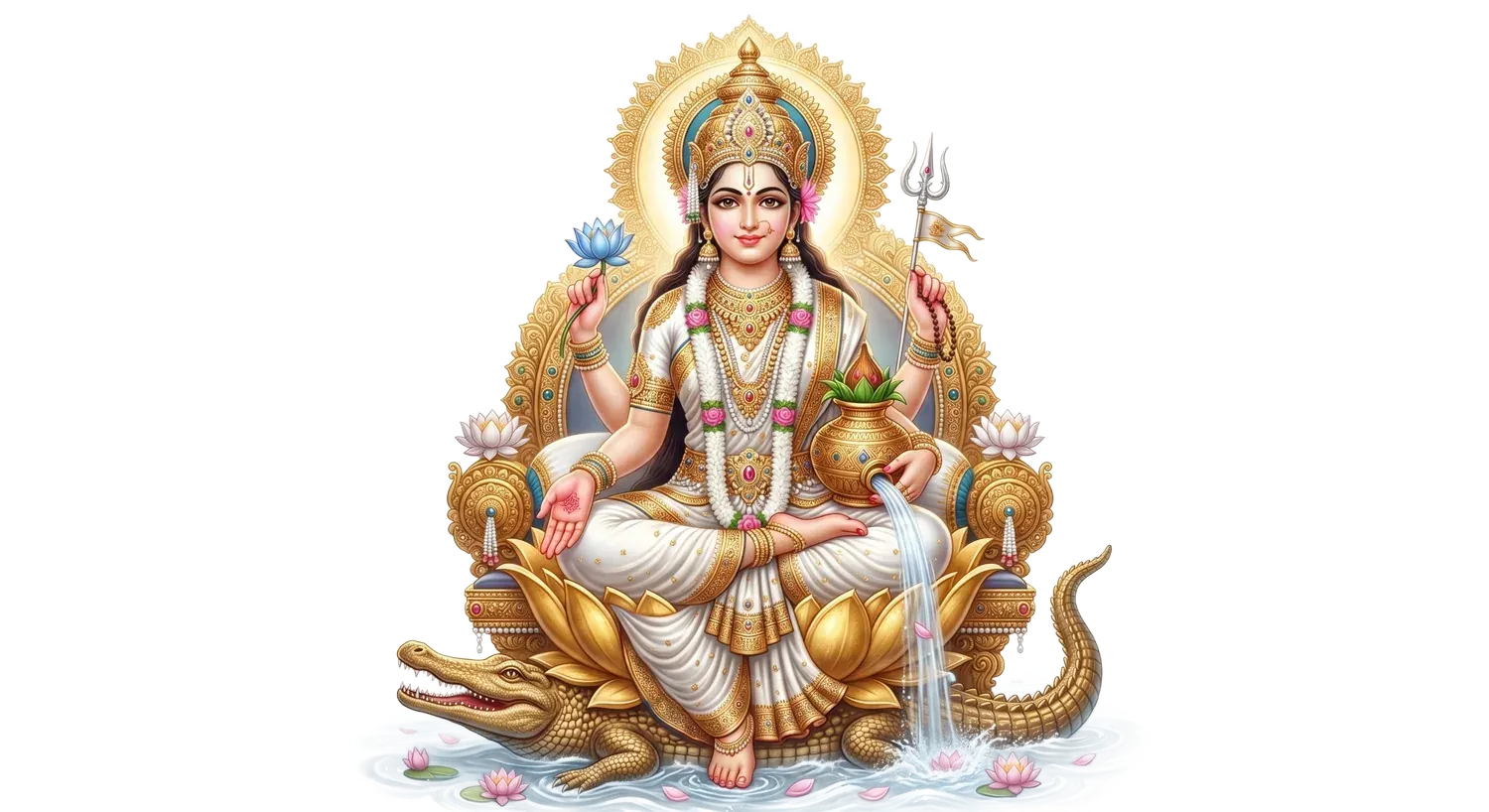
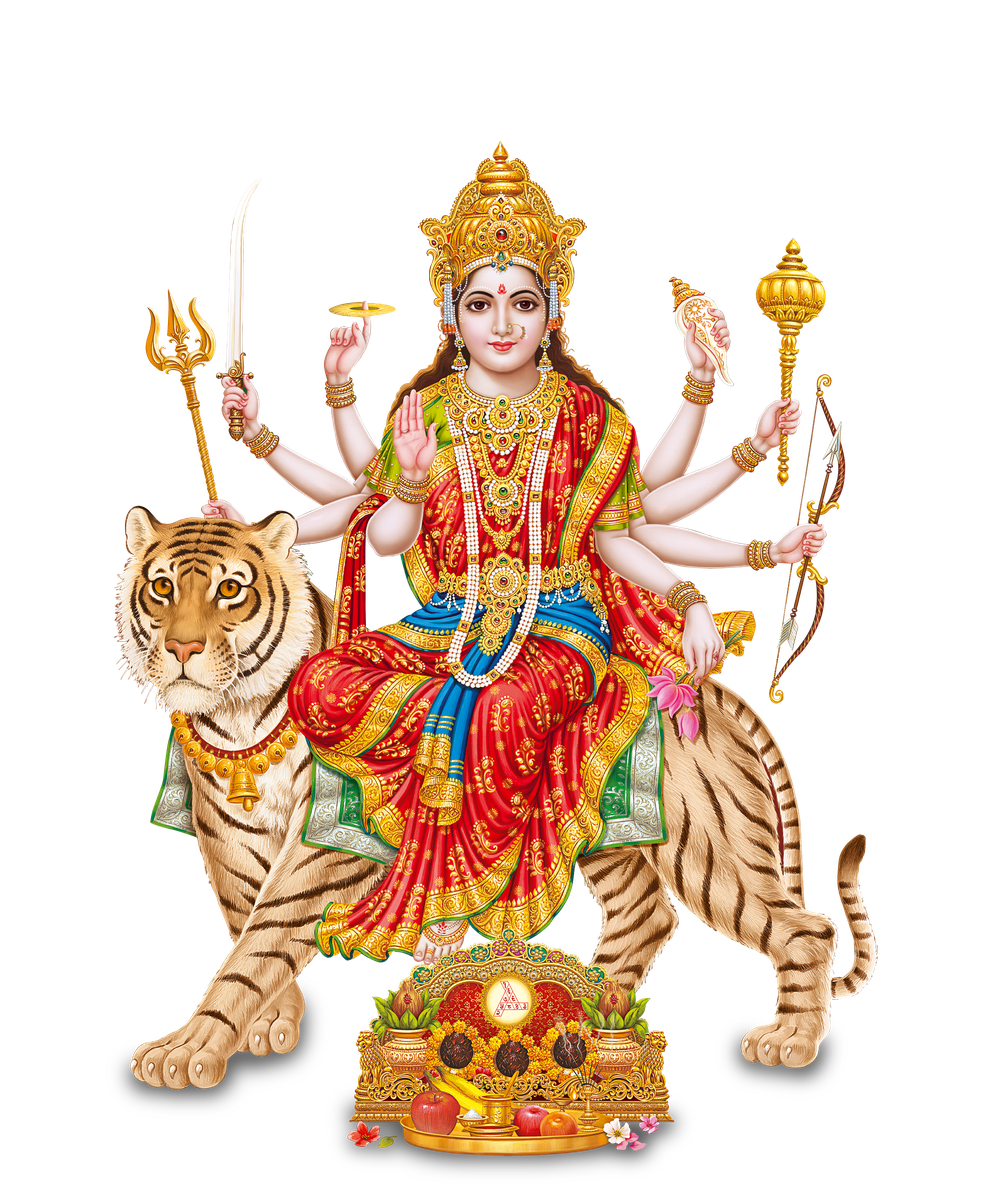
The dhyana shloka describes Devi as vermillion-red in complexion, three-eyed, wearing a crown adorned with rubies and a crescent moon, smiling gently, holding a cup filled with jewels, a bowl of nectar, a red lotus, seated with her feet resting upon a jar filled with red gems. The second dhyana verse describes her compassionate, wave-like glance, holding a noose, a goad, a bow of flowers and arrows of flowers, surrounded by the eight great powers (Anima and others).
The opening names describe her as Shri Mata, the great mother and empress seated on the throne of consciousness, born from the fire pit of pure awareness, undertaking the work of the gods. She shines like a thousand rising suns, has four arms holding the noose of attachment and goad of anger transformed into instruments of grace, a bow of sugarcane representing the mind and five flower arrows representing the five subtle senses. Her radiance floods the entire universe.
Significance and Benefits
Chanting Lalita Sahasranama is believed to bring the grace of the Divine Mother in her most beautiful, nurturing form. It is chanted for removal of obstacles, mental peace, prosperity, protection from negative energies, and success in worldly and spiritual pursuits. Many devotees chant it on Fridays, during Navratri, or as part of daily Srividya worship. It is considered especially powerful for devotees seeking balance between worldly duties and spiritual growth, as Devi Lalita represents both material abundance and the highest wisdom.
How to Chant
The full Sahasranama is traditionally chanted after bathing, in a clean and quiet place, ideally in the morning. Many devotees begin with the Ganesha and Guru invocation, followed by the dhyana shlokas, before proceeding through the thousand names. Since the complete text is long, some devotees chant it daily, while others recite it on Fridays or during Navratri. Where the full text is not yet memorised, sincere repetition of her principal names or the beej mantra Om Aim Hreem Shreem is also considered beneficial.
FAQ
What does Lalita Sahasranama mean? It is a hymn of one thousand names describing the countless divine qualities and forms of Devi Lalita Tripurasundari, the supreme goddess in the Srividya tradition.
When should it be chanted? Fridays, Navratri and any auspicious morning are considered ideal, though it can be chanted with devotion at any time.
Who can chant it? Any sincere devotee may chant Lalita Sahasranama; some traditions recommend learning it properly from a knowledgeable teacher due to its length and Sanskrit pronunciation.
Quick guide
Before you begin
Mantra
Devi mantra
Om Dum Durgaye Namah
Chant 11, 21, or 108 times according to your time and capacity.
Bhav
Benefits devotees pray for
FAQ
Common questions
ललिता सहस्रनाम का क्या अर्थ है?
यह देवी ललिता त्रिपुरसुन्दरी के एक हज़ार नामों का स्तोत्र है, जो श्रीविद्या परम्परा की परम देवी के अनगिनत दिव्य गुणों व स्वरूपों का वर्णन करता है।
इसे कब पढ़ना चाहिए?
शुक्रवार, नवरात्रि तथा किसी भी शुभ प्रातःकाल इसे पढ़ना श्रेष्ठ माना जाता है, परन्तु श्रद्धा से किसी भी समय पढ़ा जा सकता है।
इसे कौन पढ़ सकता है?
कोई भी श्रद्धालु भक्त ललिता सहस्रनाम पढ़ सकता है; लंबाई व संस्कृत उच्चारण के कारण किसी जानकार गुरु से सीखने की सलाह दी जाती है।
Book Lalita Devi Puja
Invite Divya Chadhava's pandits to perform Lalita Devi puja and Sahasranama path for grace, protection and prosperity.