

 अष्टकूट गुण मिलान
Kundali Milan, the traditional 36-guna matching system, compares two birth charts across eight categories to assess compatibility, harmony and longevity in marriage.
In Sanatan Dharma, marriage (vivah) is regarded as one of the sixteen sacred sanskaras of life — a sacred bond meant to last not just this lifetime but, in the traditional understanding, across several. Given this weight, our ancestors developed a careful, methodical system to assess compatibility between a prospective bride and groom before marriage: Kundali Milan, popularly known as Gun Milan, or the matching of 36 gunas (qualities/points).
What Is Kundali Milan
Kundali Milan is the process of comparing the birth charts (kundalis) of two individuals, primarily based on the position of the Moon (Chandra Rashi and Nakshatra) at the time of their birth, across eight categories called kootas. Each koota carries a specific maximum number of points, and together they add up to a total of 36 gunas. The system is formally called Ashtakoota Milan — "ashta" meaning eight, referring to the eight compatibility factors examined.
The Eight Kootas Explained
Varna (1 point): Reflects spiritual temperament and ego compatibility between the couple, categorized into four varnas — Brahmin, Kshatriya, Vaishya and Shudra — based on Moon sign groupings. It indicates how naturally the couple's inner nature aligns.
Vashya (2 points): Assesses mutual attraction and the ability of the couple to hold influence and control gently over one another, based on animal-symbol groupings of the Moon signs (manav, chatushpad, jalchar, vanchar, keet).
Tara (3 points): Based on the birth nakshatras (lunar constellations) of both individuals, this koota examines overall well-being, health and prosperity likely to result from the union.
Yoni (4 points): Represents sexual and physical compatibility, based on animal symbols assigned to each nakshatra, reflecting intimacy and physical harmony between partners.
Graha Maitri (5 points): Examines the friendship or enmity between the lords of the two Moon signs, indicating mental compatibility, communication and intellectual harmony.
Gana (6 points): Categorizes individuals into Deva (divine), Manushya (human) or Rakshasa (demonic) temperaments based on their nakshatra, assessing behavioural and temperamental compatibility.
Bhakoot (7 points): Examines the relationship between the two Moon signs themselves, indicating emotional bonding, family growth, prosperity and general harmony in married life. A poor Bhakoot placement (2/12 or 6/8 positions) is taken seriously by traditional astrologers.
Nadi (8 points): Considered the most important koota, based on nakshatra classification into Aadi, Madhya and Antya Nadi. It examines genetic compatibility and health of future progeny. Nadi Dosha (when both partners share the same Nadi) is traditionally viewed as a significant concern, though several classical exceptions exist that can cancel it.
Scoring and Interpretation
Out of the total 36 gunas, traditional guidelines suggest:
18 gunas or above is generally considered an acceptable match for marriage.
Above 24 gunas is considered a very good, harmonious match.
Below 18 gunas is traditionally viewed as needing careful consideration, though not necessarily a complete disqualification, especially if the low score comes from less critical kootas.
It's important to understand that raw guna count alone does not tell the whole story. A high total score with a serious Nadi Dosha or Bhakoot Dosha can be more concerning than a moderate score with all kootas individually sound. This is why an experienced astrologer looks beyond the number to the specific kootas where points were lost.
Mangal Dosha (Kuja Dosha) Check
Alongside Gun Milan, most families also check for Mangal Dosha (also called Kuja Dosha or Bhaum Dosha) in each individual's chart — a condition where Mars is placed in the 1st, 2nd, 4th, 7th, 8th or 12th house from the Moon, Ascendant or Venus. Traditionally, if one partner has Mangal Dosha and the other does not, it is considered important to examine the charts carefully, since it is believed to affect harmony, temperament and, in some interpretations, longevity within marriage. However, classical astrology also provides cancellation rules (Mangal Dosha bhang) — for example, when both partners have Mangal Dosha, its effect is often considered neutralized.
Why This System Exists
Kundali Milan should never be understood merely as a mechanical checklist. Its underlying purpose in Sanatan tradition is deeply compassionate: to help two families understand, before committing to a lifelong sacred bond, whether the couple's temperaments, health tendencies, emotional needs and family-building potential are likely to be in harmony — reducing friction and helping the marriage flourish with mutual understanding from the outset.
A Balanced, Modern Perspective
Kundali Milan is one valuable tool among several considerations for marriage — alongside genuine compatibility of values, character, family background, communication and mutual respect between the two individuals, which matter just as much in a real, lived marriage. Astrology should support and inform an important life decision, not replace the couple's own understanding of and comfort with each other. A moderate guna score paired with a genuine emotional connection is often more meaningful than a high score without one, and an experienced astrologer will always look at the complete birth charts of both individuals, not the guna count alone, before offering guidance.
Frequently Asked Questions
What is a good Kundali Milan score for marriage? 18 gunas or above out of 36 is generally considered acceptable, with scores above 24 seen as especially favourable, though the specific kootas matter as much as the total.
Is Nadi Dosha always a serious problem? It is taken seriously in classical astrology, but several recognized exceptions (based on rashi, gana or specific nakshatra pairs) can cancel or reduce its effect — an experienced astrologer examines these carefully.
Does low Gun Milan mean the marriage will fail? No. Guna matching is one traditional compatibility indicator, not a certainty. Many happy, successful marriages exist with moderate scores, especially when the couple shares genuine compatibility, communication and respect.
Is Mangal Dosha always disqualifying? No. Classical astrology recognizes several cancellation conditions, and many astrologers consider it alongside the full birth chart rather than in isolation.
Quick guide
Before you begin
Mantra
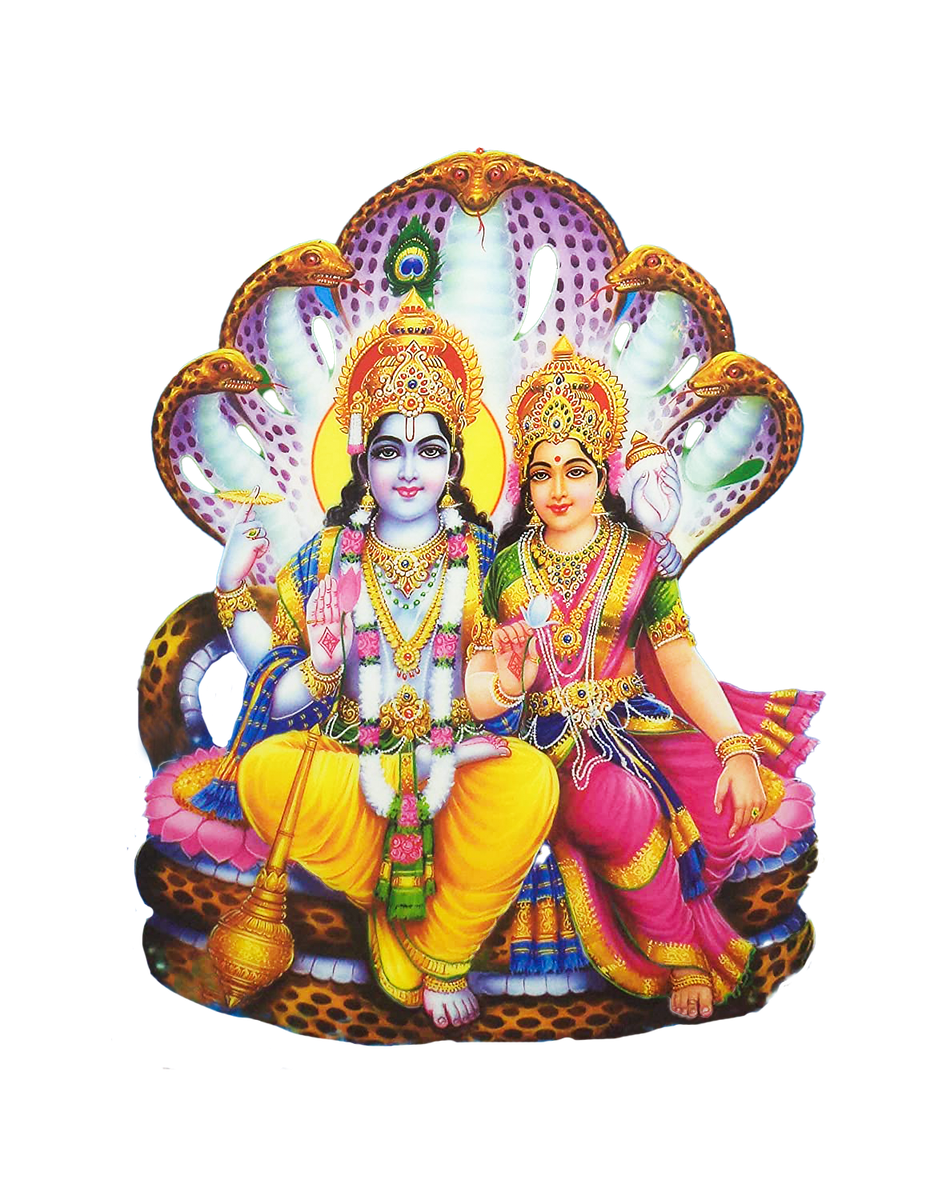
Vishnu mantra
Om Namo Bhagavate Vasudevaya
Chant before katha or aarti while praying for protection, dharma, and peace.
Bhav
Benefits devotees pray for
FAQ
Common questions
What is a good Kundali Milan score for marriage?
18 gunas or above out of 36 is generally acceptable, with scores above 24 seen as especially favourable.
Is Nadi Dosha always a serious problem?
It is taken seriously, but several recognized exceptions can cancel or reduce its effect.
Does low Gun Milan mean the marriage will fail?
No, it is one traditional indicator among many, not a certainty.
Is Mangal Dosha always disqualifying?
No, classical astrology recognizes several cancellation conditions.
Begin Married Life with Blessings
Book a Vivah puja or Griha Pravesh puja performed with complete vidhi by our pandits.